Last updated November 17, 2026



Free written scope consultation - allowances, timeline, and change-order rules on paper before a single trade is scheduled
How Long Does General Contractor Take? Timelines and What to Expect
Santa Clara’s permit desk is the part of a remodel nobody photographs. For a standard kitchen remodel, over-the-counter plan review at the city’s building department can run three to six weeks, and that’s when the drawings are clean and nothing needs a second look. Ask most homeowners what they expect from a general contractor and they’ll say six weeks, maybe eight. The honest number for a full kitchen in Santa Clara is closer to three to four months, and the extra weeks aren’t hiding in the labor. They’re in the permit queue, the gaps between trades, and the selections you haven’t made yet. This guide breaks down real timelines by project type, shows you where the days actually go, and names the three decisions that will cost you more calendar time than any single contractor delay.
Quick Answer
A bathroom remodel in Santa Clara typically takes 3 to 5 weeks of active construction, a kitchen 6 to 10 weeks, and a room addition 4 to 7 months including permit review. Add the permit window on top of every number, and add one to three weeks if major finish selections aren’t locked in before demolition day. The construction itself is the predictable part. The permit queue and the undecided homeowner are what push projects past their promised dates.
Styles & brands we work with
- Kitchen remodeling
- Bathroom remodeling
- Home additions & ADU
- Roofing
- Windows & doors
- Driveway & pavers
- Fence
Table of Contents
- How long does the permit take in Santa Clara?
- Timelines by project type
- Where the days actually go: the trade sequencing chain
- The three decisions you must lock before demo day
- How to read a contractor’s schedule
- What a written schedule with milestone dates should look like
- Santa Clara specifics: climate, code, and neighborhoods
- Common mistakes to avoid
How long does the permit take in Santa Clara?
Permit review is the first number every Santa Clara homeowner should ask about, and the one most often fudged. The city’s building department handles residential permits through a mix of over-the-counter review for simple projects and full plan check for anything bigger. Here are realistic ranges based on what we see on Santa Clara jobs:
- Bathroom remodel: 2 to 4 weeks if you’re moving fixtures or adding electrical, faster if the footprint is unchanged and the scope is a pull-and-replace.
- Kitchen remodel: 3 to 6 weeks. Layout changes, gas line relocations, and any wall removal trigger a fuller review.
- Room addition: 8 to 14 weeks. Structural engineering, energy compliance, and the city’s planning review stack up.
- Accessory dwelling unit (ADU): 10 to 16 weeks. Santa Clara has been actively supporting ADU construction, but plan check still runs long and the utilities connections need their own coordination.
Two things speed this up: complete drawings the first time, and a contractor who pulls the permit before ordering materials. Nothing stalls a Santa Clara project faster than a set of plans that gets kicked back twice for a missing title-24 energy form. A general contractor who’s pulled permits in Santa Clara recently knows the current checklist because it changes. That familiarity is worth more than a lower bid from a contractor who’s guessing at the forms.
If you’re starting from zero and want the full picture on how a Santa Clara general contractor runs a project end to end, our General Contractor in Santa Clara page covers the scope, the contracts, and what we handle versus what you handle.
Timelines by project type
Here are realistic ranges for Santa Clara homes, broken into permit time and build time. Build time means active construction with crews on site, not counting the permit wait or the pre-construction design period.
- Bathroom remodel: 3 to 5 weeks build, 2 to 4 weeks permit. Typical total: 6 to 9 weeks. A hall bath with a tub-to-shower conversion and new tile lands at the low end. A primary bath with a relocated toilet, a double vanity, and a curbless shower with a Schluter waterproofing system runs longer.
- Kitchen remodel: 6 to 10 weeks build, 3 to 6 weeks permit. Typical total: 10 to 16 weeks. Cabinet lead times from lines like Wellborn or KraftMaid sit inside that window. If you’re changing the layout, add a week for the rough-in inspection and the drywall repair after.
- Whole-home remodel: 4 to 8 months build, 3 to 4 months of design and permit work before that. Typical total: 7 to 12 months. These projects touch every trade in sequence, and the sequencing is what makes them long.
- Room addition: 4 to 7 months total, with the permit and structural engineering eating a big share of it. Foundation and framing are the slow phases; finishes move fast once the drywall is up.
- ADU: 10 to 16 weeks permit, 4 to 6 months build. Typical total: 7 to 10 months. Utility trenching and the separate meter process are the parts homeowners don’t anticipate.
The numbers hold for most Santa Clara homes, but they’re not a promise. A 1950s ranch near the Old Quad has different surprises under the floor than a newer build off El Camino. The range is honest; the exact date comes from a written schedule after a site walk.
Where the days actually go: the trade sequencing chain
Here’s the part that surprises people. The trades don’t overlap much on a remodel, and they can’t. The order is fixed by physics and by inspection:
- Demolition and protection. Tear-out, floor protection, dust containment. One to three days for a kitchen or bath.
- Rough-in. Plumbing, electrical, and HVAC run behind the walls before anything closes up. Two to four days.
- Rough inspection. The city inspects the rough work before drywall goes up. One to three days of wait for the inspector’s window.
- Insulation and drywall. Hang, tape, texture, and cure. Three to five days, and the texture has to dry before paint.
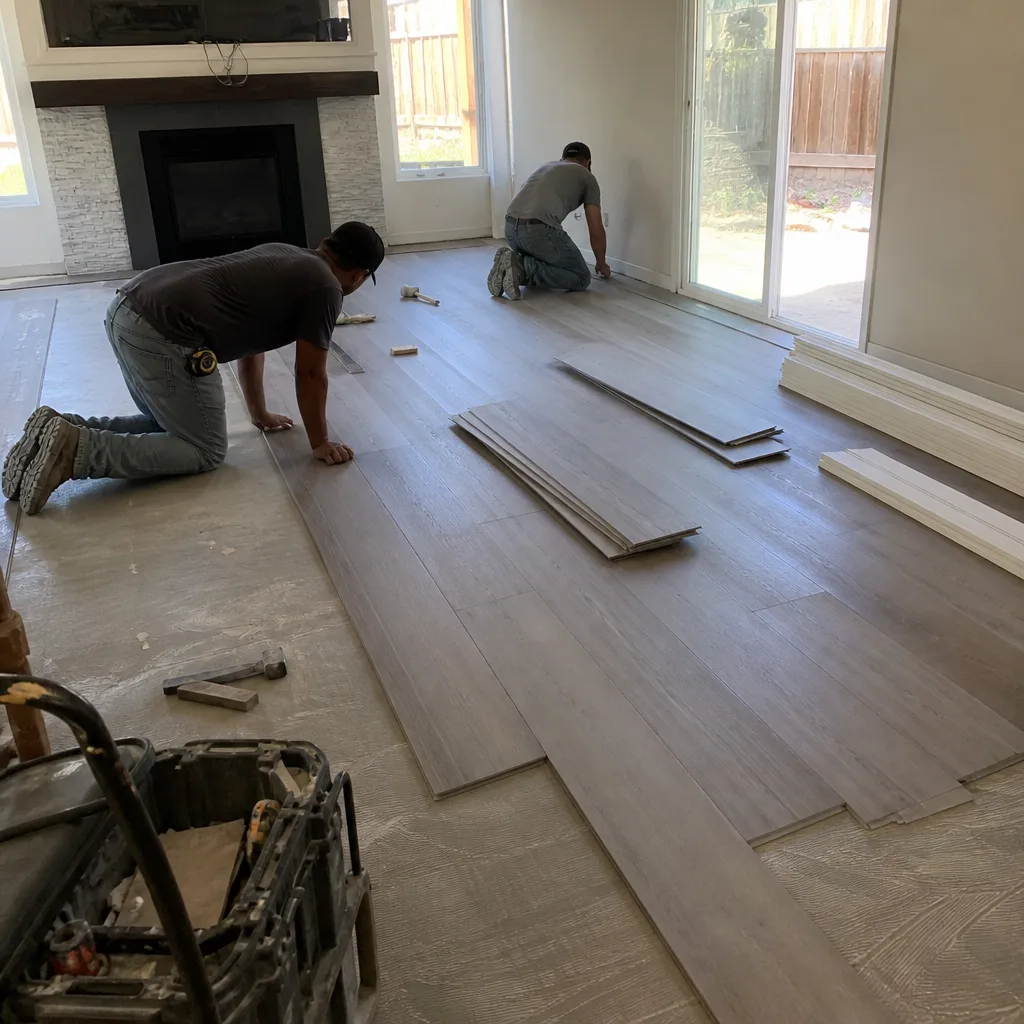
- Finish trades. Tile, cabinets, countertops, fixtures, paint, flooring. This is where most of the visible work happens, and it’s the longest stretch: two to four weeks for a kitchen.
- Final inspection and punch list. One to two days to close out, plus a week or two of small returns if something needs a fix.
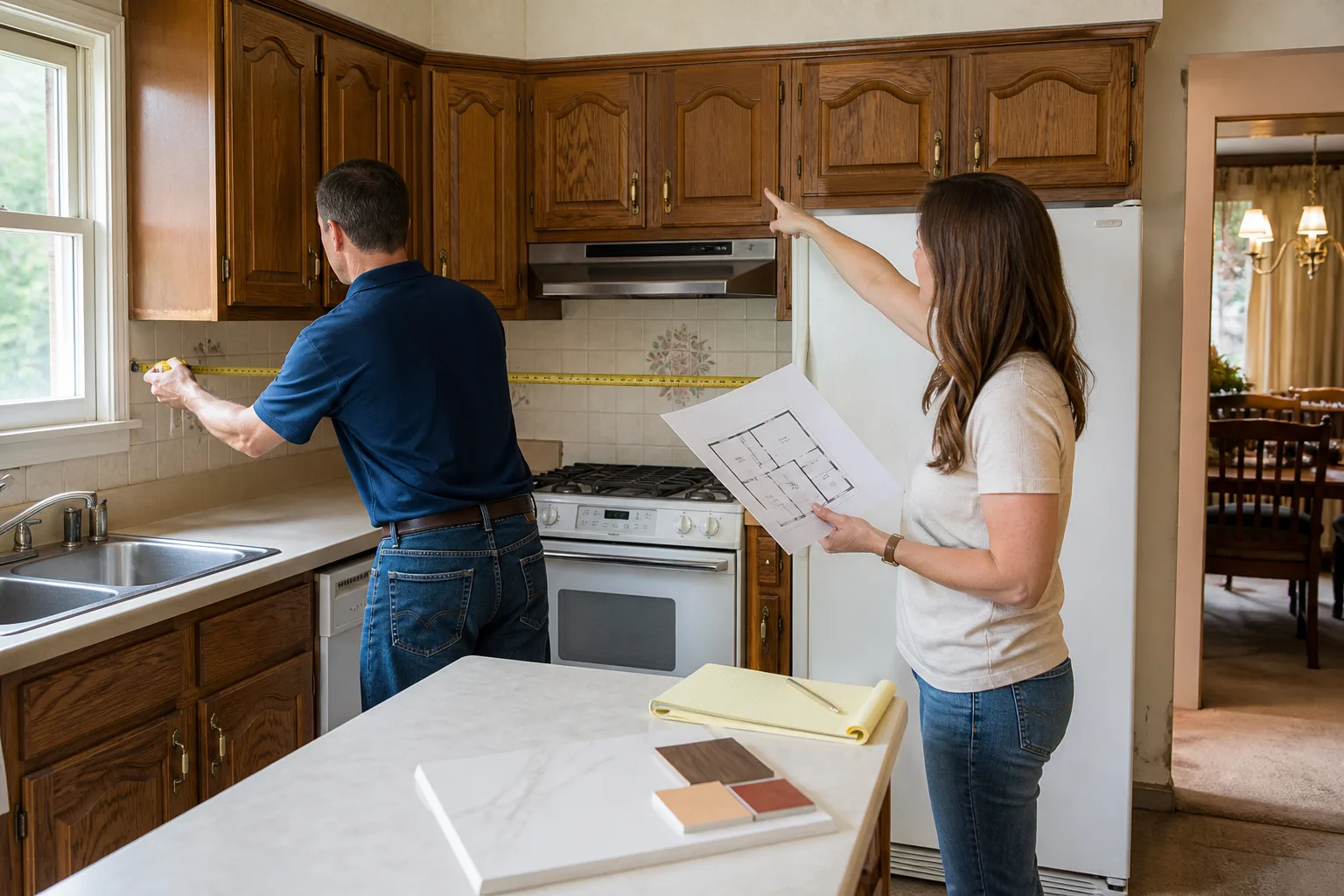
The gaps live between steps 2 and 4, and again between 5 and 6. That’s where a plumber finishes Tuesday morning and the electrician can’t start until Thursday, or where the tile setter needs the countertop template before he can finish the backsplash. Multiply a two-day gap by six trades and you’ve added twelve days to the schedule without anyone being slow. That’s the honest reason a “six-week” kitchen takes ten.
Good contractors build those gaps into the schedule in advance. Bad ones pad the end date and call it a buffer. There’s a difference, and it shows up the day the tile shows up late.
The three decisions you must lock before demo day
Every week of overrun we’ve ever seen on a Santa Clara remodel traces back to one of three things, and none of them is a slow worker. Lock these before the sledgehammer swings and you’ll save more calendar time than any contractor can.
- Finish selections. Tile, cabinet door style, cabinet finish, countertop slab, faucet, and flooring. Not a Pinterest board, a signed selection sheet. If you’re still deciding between Caesarstone and Silestone the day the countertop template is taken, you just added two weeks to the schedule. Slabs from Cambria and Silestone both have lead times, and a custom slab can push farther.
- Structural change orders. Moving a wall, widening a doorway, or removing a load-bearing header after demo is a change order with a full stop attached. The structural engineer has to re-evaluate, the plans have to be revised, and the city has to re-review. That’s two to six weeks, and it usually happens after the demo crew has already gone home. Decide before the drawings are finalized, not during.
- Appliance and fixture lead times. A 36-inch range from a boutique brand can run 8 to 12 weeks. A Kohler or Grohe fixture usually ships faster, but a specific finish might not. The cabinet order can’t go in until the appliance dimensions are locked, and the countertop template can’t happen until the cabinets are installed. Appliance delays cascade through the whole chain.
In our experience, the homeowner who treats selections as a deadline rather than a project phase gets a remodel that finishes on the written date. The homeowner who picks tile the week before installation adds three weeks to the calendar and then blames the contractor. We’re not pointing fingers. We’re saying this is the cheapest lever you have.
How to read a contractor’s schedule
A project schedule is either a real plan or a decoration. Here’s how to tell them apart before you sign.
A real schedule lists task-level detail with dates. “Demo: April 8 to April 10” is a real line. “Kitchen renovation phase one: April” is not. You should see the rough-in inspection as its own line item, because that’s a hard gate the city controls and it can’t be compressed. You should see the countertop template date and the cabinet install date, because both depend on lead times and both sit upstream of the finish work.
The tell is the float. Every real schedule has slack built into specific places, not dumped at the end. A good contractor shows the buffer next to the permit review, or next to the cabinet delivery window, or between rough-in and drywall, because those are the steps most likely to slip. If the entire buffer is a two-week block at the end labeled “contingency,” that’s not a schedule, that’s a wish with dates attached.
Ask one question when you review the schedule: “Where does this schedule show me what happens if the cabinet delivery slips two weeks?” A real plan has an answer. A padded end date has a shrug.
What a written schedule with milestone dates should look like
Most homeowners never ask for a written schedule, and they should. It’s the single most useful contract addition we’ve ever seen reduce headaches. Here’s what one looks like:
- Start date, plainly stated. The date the crew arrives, not “the week of.”
- Milestone dates. Demo complete, rough-in inspection passed, drywall up, cabinets installed, countertops templated, final inspection scheduled, projected completion.
- The permit window on its own line. Separated from the build time, so you see exactly how much of the calendar belongs to the city.
- Named dependencies. “Cabinet delivery by (date),” “Countertop template after cabinet install,” “Homeowner selections locked by (date).” These are the handoffs that fail silently otherwise.
- A change-order clause. What happens if a change is added after the schedule is signed, and how many days it adds.
- What’s not in the schedule. The scope you’re handling yourself, if any, so there’s no confusion the week it’s due.
A written schedule with milestone dates backs the promise you’re actually paying for. It also gives you a fair way to measure whether the contractor is keeping their word, and a fair way for the contractor to measure whether you’re keeping yours. That reciprocity is what makes it work.
If you’re comparing us to another Santa Clara firm, ask both for a written price and a written schedule. The one who hands you both before work starts is the one whose number won’t change on day sixty. Our Kitchen Remodeling in Santa Clara page shows what a written kitchen price looks like line by line.
Santa Clara specifics: climate, code, and neighborhoods
Santa Clara is not a generic market, and the timelines here reflect that.
The climate matters most in the wet season. Santa Clara’s rainy months from November through March are the reason exterior work stalls. An addition with siding or roofing in-flight during those months loses one to three weeks to weather, and there’s no way to compress wet siding. James Hardie fiber cement siding, which we use on additions, installs cleanly in dry weather and can be primed and finished when the rain lets up. But framing and roofing in the wet season still cost days. If your addition breaks ground in October, build the weather contingency into the schedule up front.
The housing stock varies block by block. Older neighborhoods near the Old Quad and the Santa Clara University area have 1950s homes with galvanized plumbing and sometimes knob-and-tube wiring tucked behind the drywall. Your contractor won’t know that until the walls come open. Galvanized-to-copper transitions and old wiring remediation add a week or more when they surface, and they surface in specific neighborhoods more than others. Newer builds off Lawrence Expressway or in the Rivermark area tend to run closer to the low end because the systems behind the walls are more predictable.
And the permit desk. Santa Clara’s building department has been steadily streamlining residential review, but the queue still runs weeks for anything that needs plan check. Contractors who live in this queue every week know the current checklist and the current turnaround. Contractors who don’t are guessing, and guessing is what stretches a “few days” into three to six weeks.
Common Mistakes to Avoid
- Deciding finishes after demo starts. Tile and cabinet orders placed after the walls come open add two to four weeks. Lock them before demo dates are set.
- Treating the permit as a formality. Santa Clara’s kitchen review runs three to six weeks. If your contractor quotes “a few days,” ask for the specific permit number and the current review time.
- Buying appliances after the cabinets are ordered. A 36-inch range can take 8 to 12 weeks to arrive. Cabinet design depends on the exact appliance spec. Order both together.
- Accepting a schedule with a flat buffer at the end. That’s not a plan, that’s padding. Ask where the float sits next to the permit review and the cabinet delivery.
- Assuming a low bid is a shorter schedule. A contractor who quotes less is often quoting a scope that excludes the permit and the inspection passes. Read what’s included.
- Doing a walk-through before the rough inspection. Rough inspection is a hard gate. If it fails, the schedule slides by a week or more. A pre-inspection walk the day before prevents that.
- Ignoring the rainy-season risk on additions. Santa Clara’s wet months can add one to three weeks. Build that into the start date, not the excuse later.
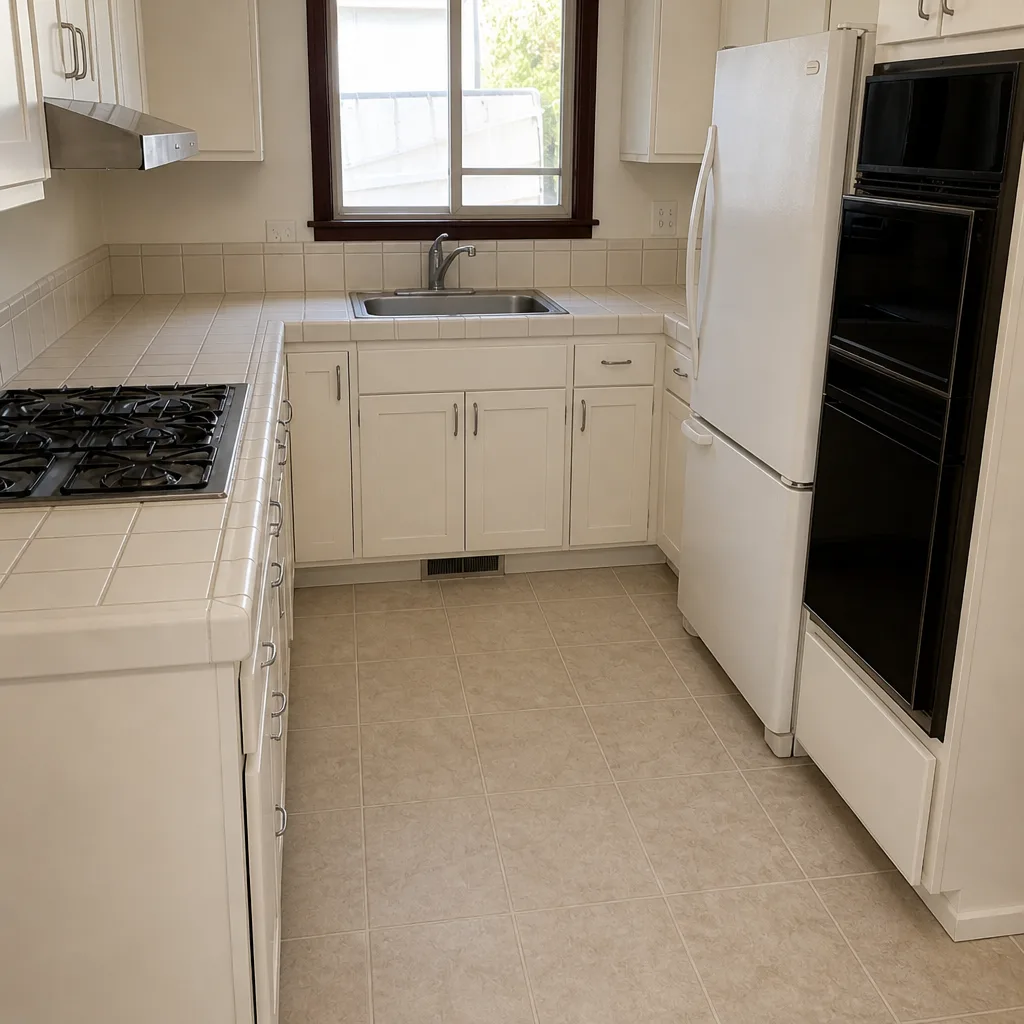
See the difference
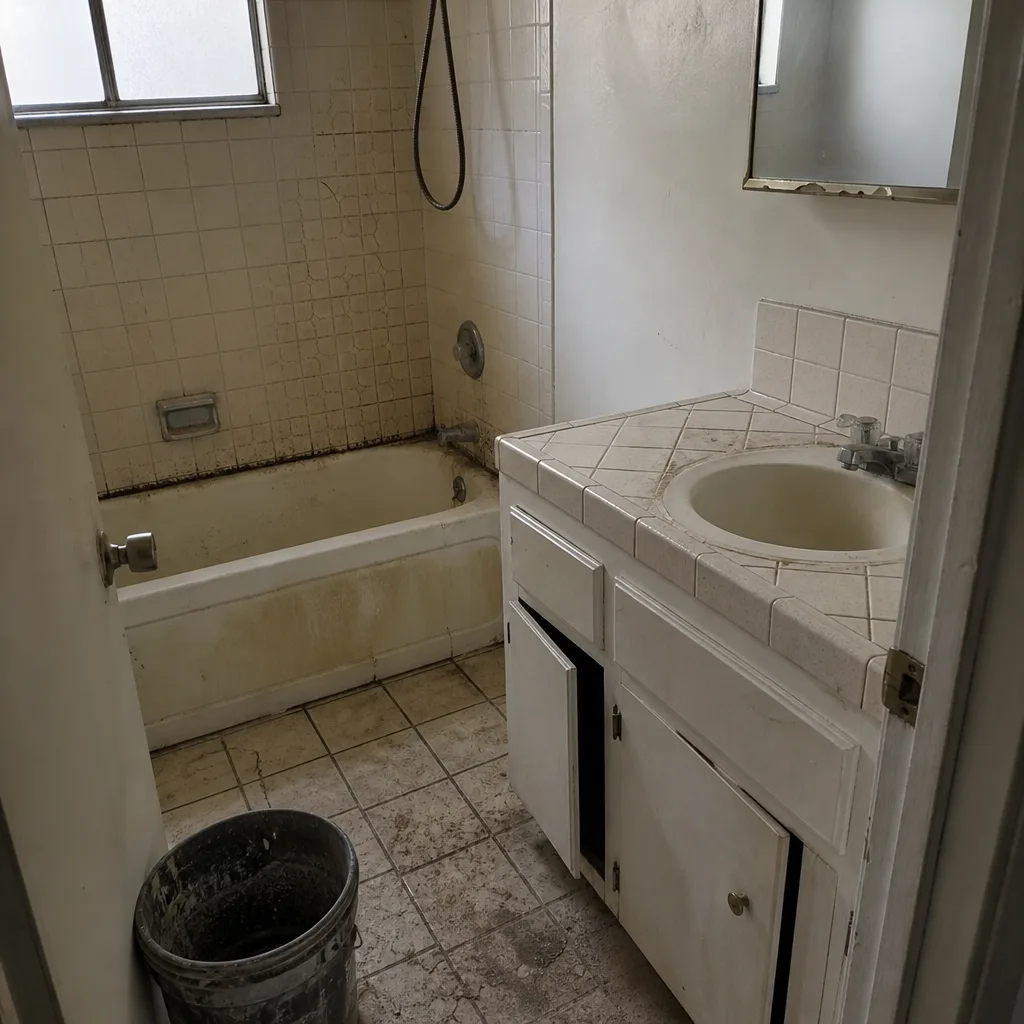 Before
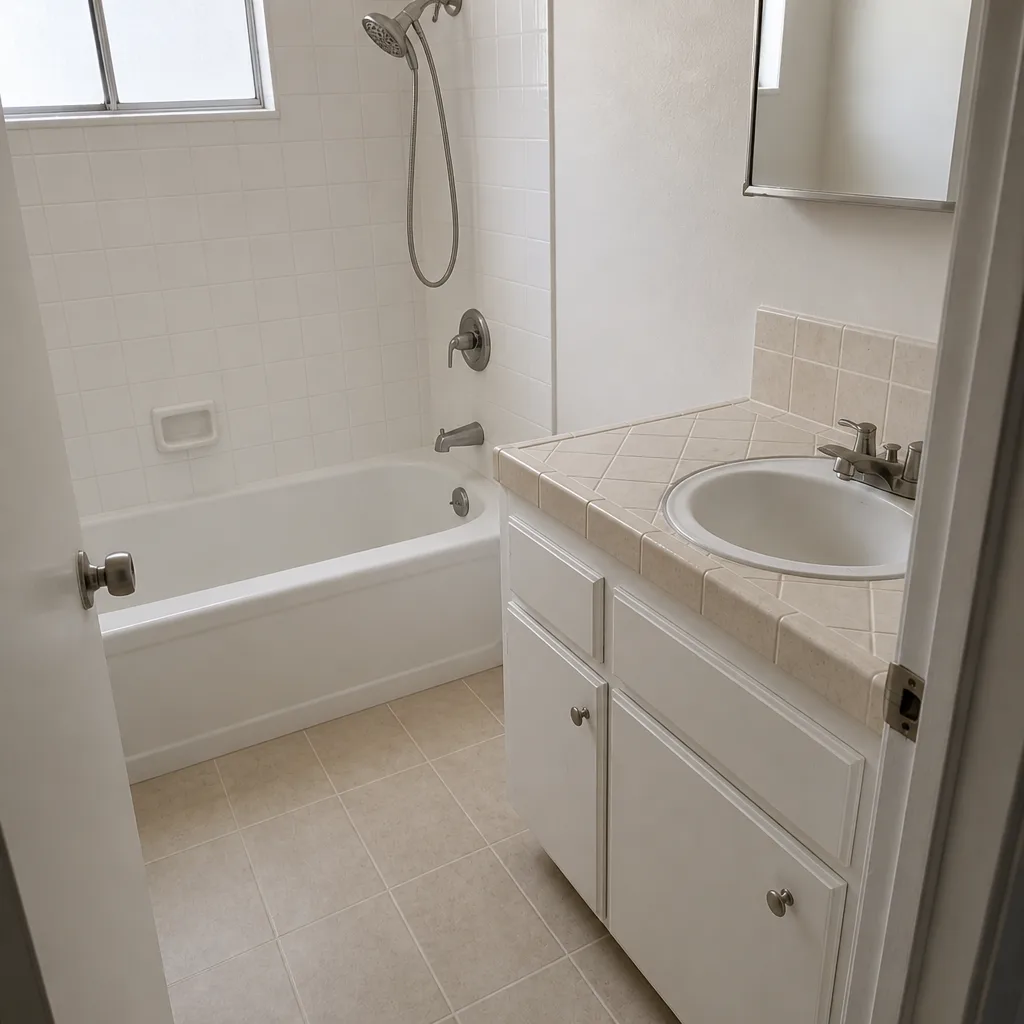 After
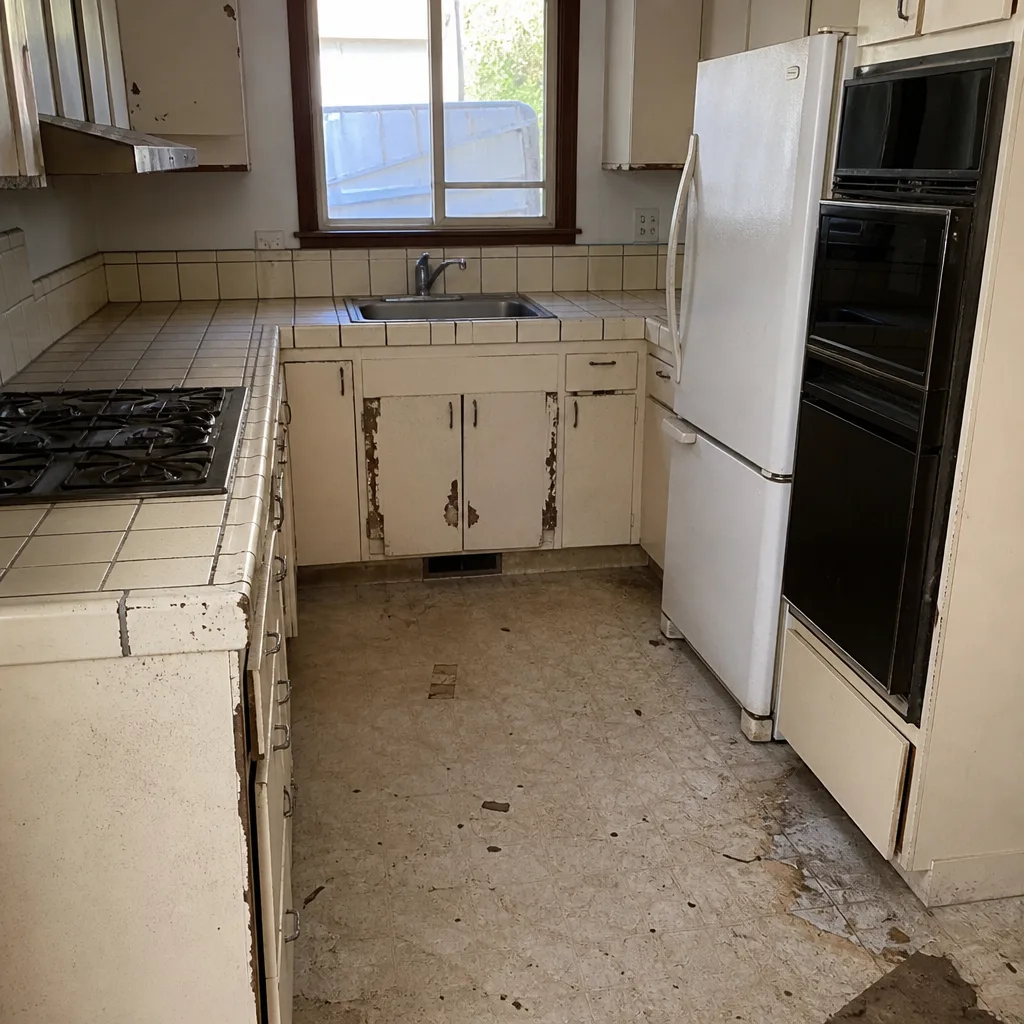 Before
 After
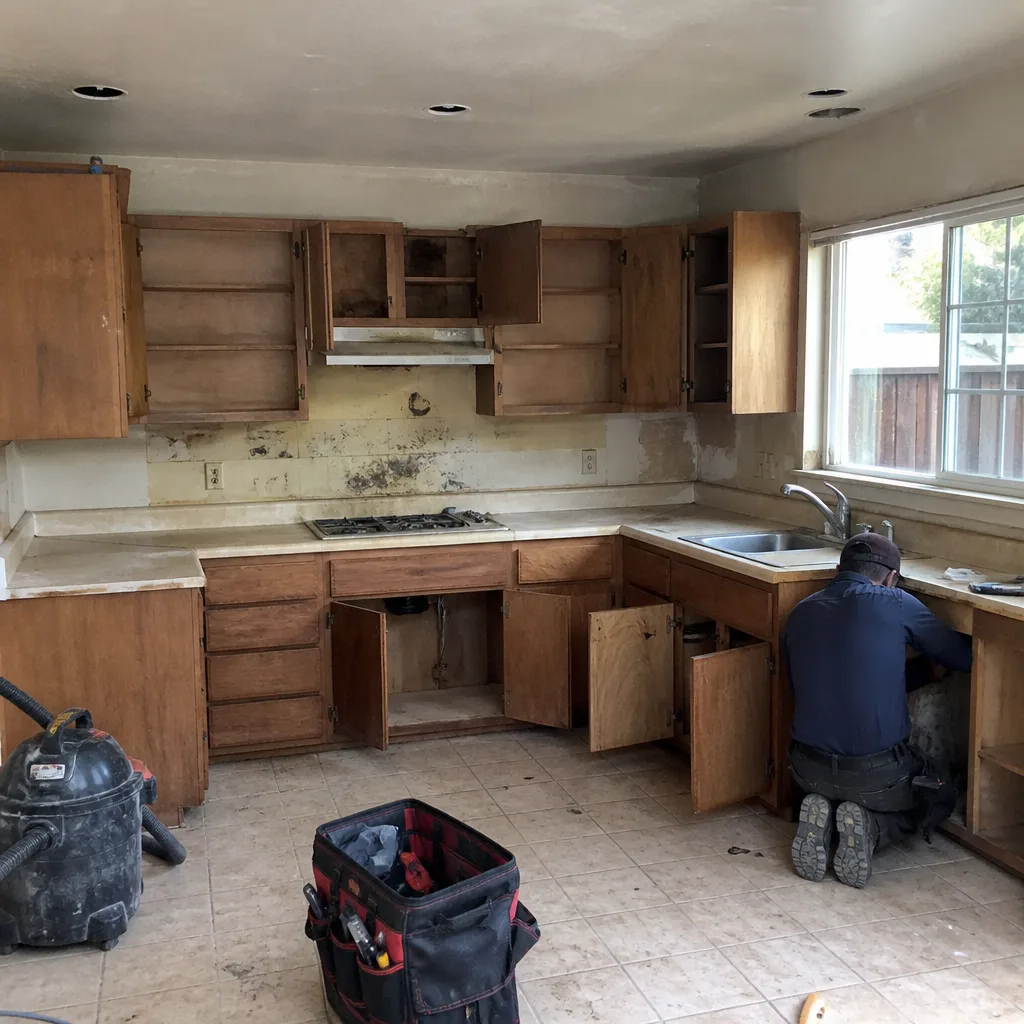 Before
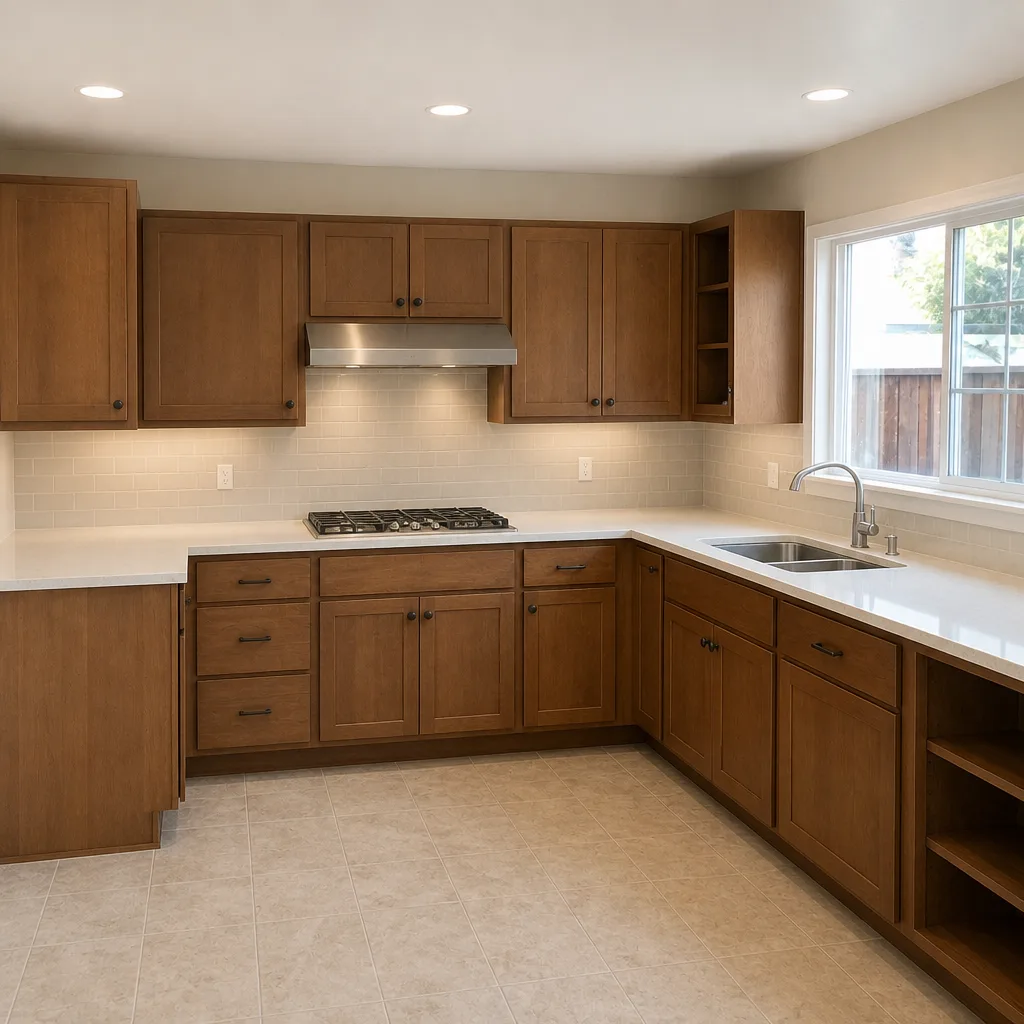 After
When to Call a Professional
Some remodels are honest DIY territory. A bathroom vanity swap, a fresh coat of paint, a light fixture with an existing box. Most of the ones we see aren’t. When the work touches the permit desk, moves plumbing or electrical, or changes a load-bearing wall, a licensed general contractor should own the drawings, the permit, the inspections, and the schedule. The sequence matters here in Santa Clara more than in most places, because the permit queue runs weeks and a single missed inspection can push the whole project back a month. And when the drawing set requires engineering, when the scope grows past a hall bath, or when you’re buying a home and want to know what a remodel costs before close, a written estimate saves you from making decisions on a verbal ballpark. Penhallow Remodeling Santa Clara offers free estimates in Santa Clara. Call (833) 400-6838 to schedule yours – every price is written, and every job carries a 365-Day Done Right Promise in writing.
Frequently Asked Questions
A bathroom remodel takes 6 to 9 weeks total including permit review, a kitchen 10 to 16 weeks, and a room addition 4 to 7 months. The build time is only half the calendar; the Santa Clara permit queue and the gap between trades account for most of the rest. Our Bathroom Remodeling in Santa Clara page walks through a bathroom timeline week by week. Call (833) 400-6838 for an exact quote – estimates are free.
Not with us. A written price before any work starts is the whole point of how we operate: the number on day one is the number on the invoice. Change orders are a different matter, and they only happen when you request a change after the price is signed. Structural surprises behind the walls get discussed in writing before a single dollar gets added. Call (833) 400-6838 for a free estimate with the written price included.
Yes. We handle the drawings, the permit application, the submittal checklist, the rough inspection, and the final inspection as part of the project. Santa Clara’s permit review for a standard kitchen runs three to six weeks, which is why we pull the permit before ordering materials. Waiting to file until after demo adds weeks. Call (833) 400-6838 to talk through the timing on your project.
Most residential general contractors in Santa Clara price the work as a fixed total, not an hourly rate. A hall bath lands around $18,000 to $30,000, a kitchen $35,000 to $85,000 depending on layout and cabinet line, and a room addition $120,000 and up for a typical Santa Clara lot. The number that matters is the written one. Call (833) 400-6838 for a free estimate – the price is written before any work starts.
Three things: the permit queue, undecided finish selections, and late appliance deliveries. In our experience, the homeowner who signs off on tile, cabinets, and appliances before demo starts saves two to four weeks compared with the homeowner who decides during the build. The contractor controls the work order; you control the calendar. Call (833) 400-6838 and we’ll hand you the selection checklist before you sign.
Often yes, if the permit is in hand and the drawings are current. Availability depends on the trade crews’ schedules, and we quote a written arrival window rather than a vague week. If the permit isn’t pulled yet, the Santa Clara review window is the first number to get straight. Call (833) 400-6838 to check current availability and schedule a free on-site estimate.
The Bottom Line
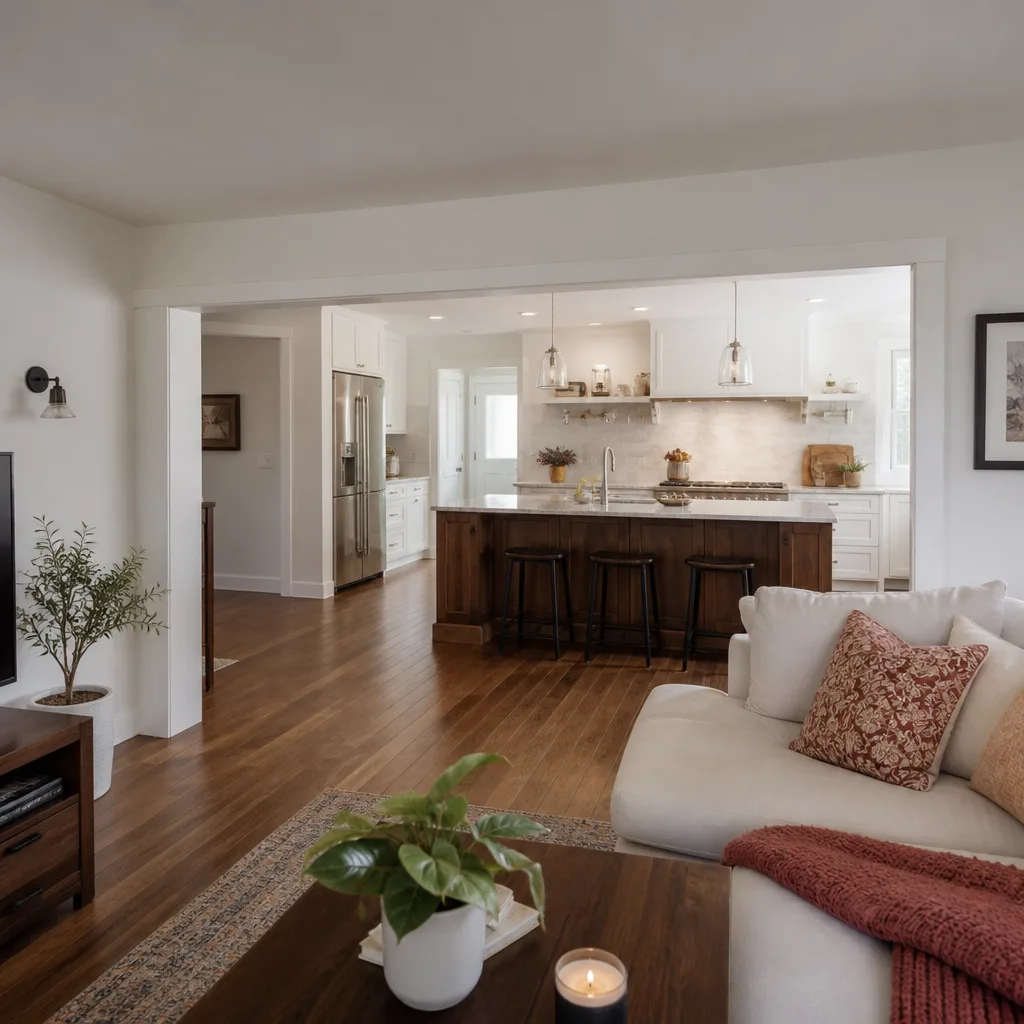
The construction is the predictable part. The permit queue, the gaps between trades, and the selections you haven’t decided are what push a “six-week” kitchen into three months. Read your contractor’s schedule for where the float sits. Lock tile, cabinets, and appliances before demo dates are set. Ask for a written price and a written schedule, both of which are cheap requests that most homeowners never make, and both of which are the only honest way to hold anyone to a date. Santa Clara is a market where the permit desk and the housing stock vary block by block. The contractor who plans for both is the one who finishes on the date they wrote down. Visit Penhallow Remodeling Santa Clara home to see how we run projects and what the 365-Day Done Right Promise covers in writing.
Written by the team at Penhallow Remodeling Santa Clara.