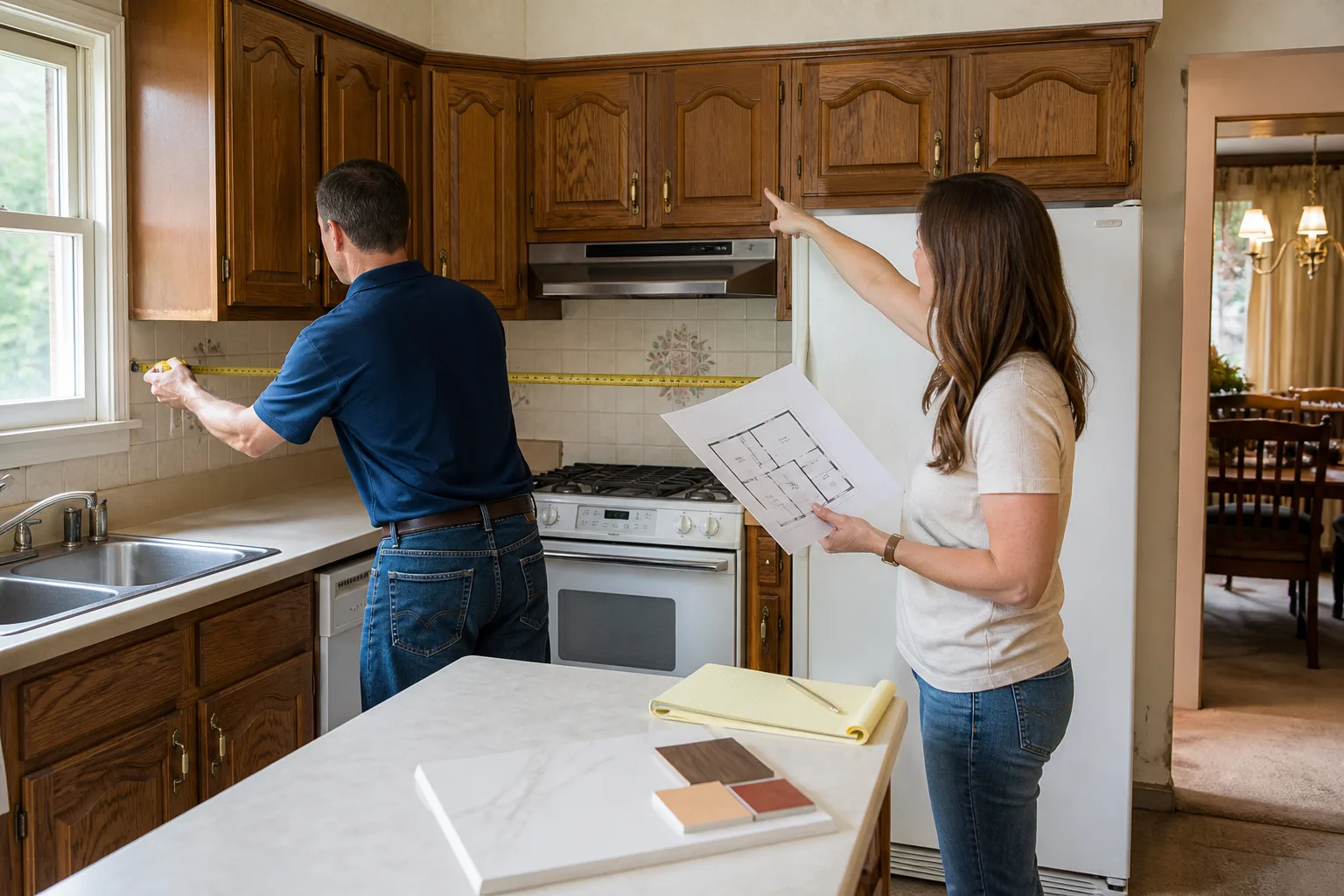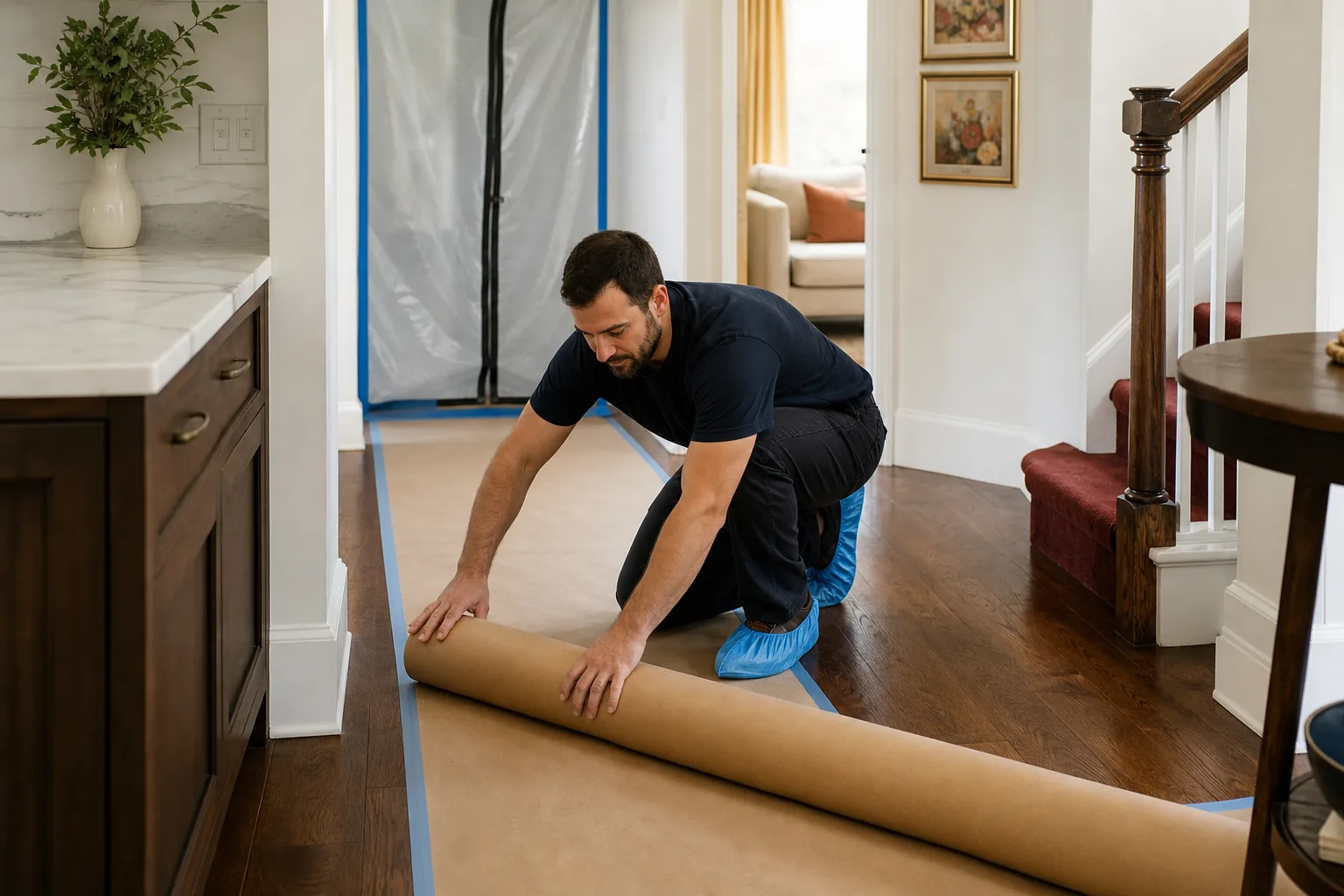



Free written scope consultation - allowances, timeline, and change-order rules on paper before a single trade is scheduled
Styles & brands we work with
- Kitchen remodeling
- Bathroom remodeling
- Home additions & ADU
- Roofing
- Windows & doors
- Driveway & pavers
- Fence
See the difference
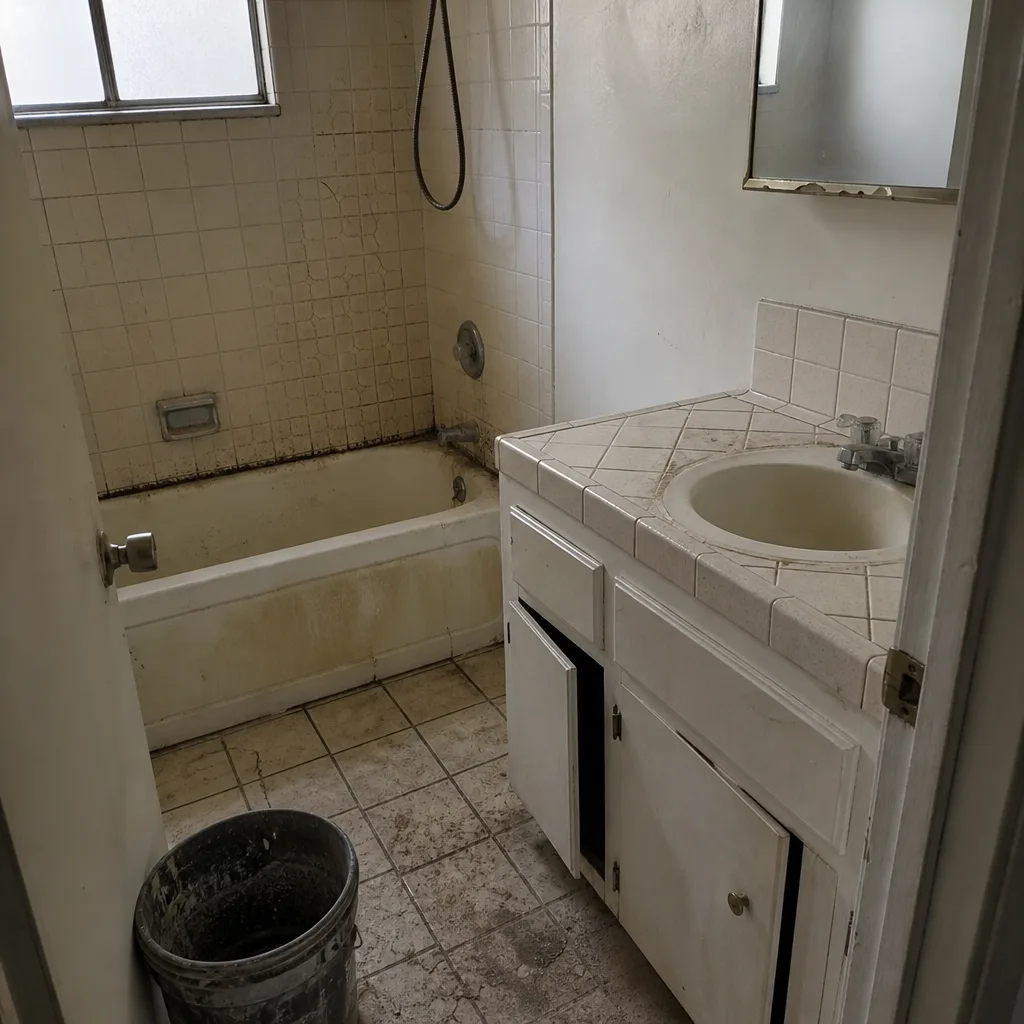 Before
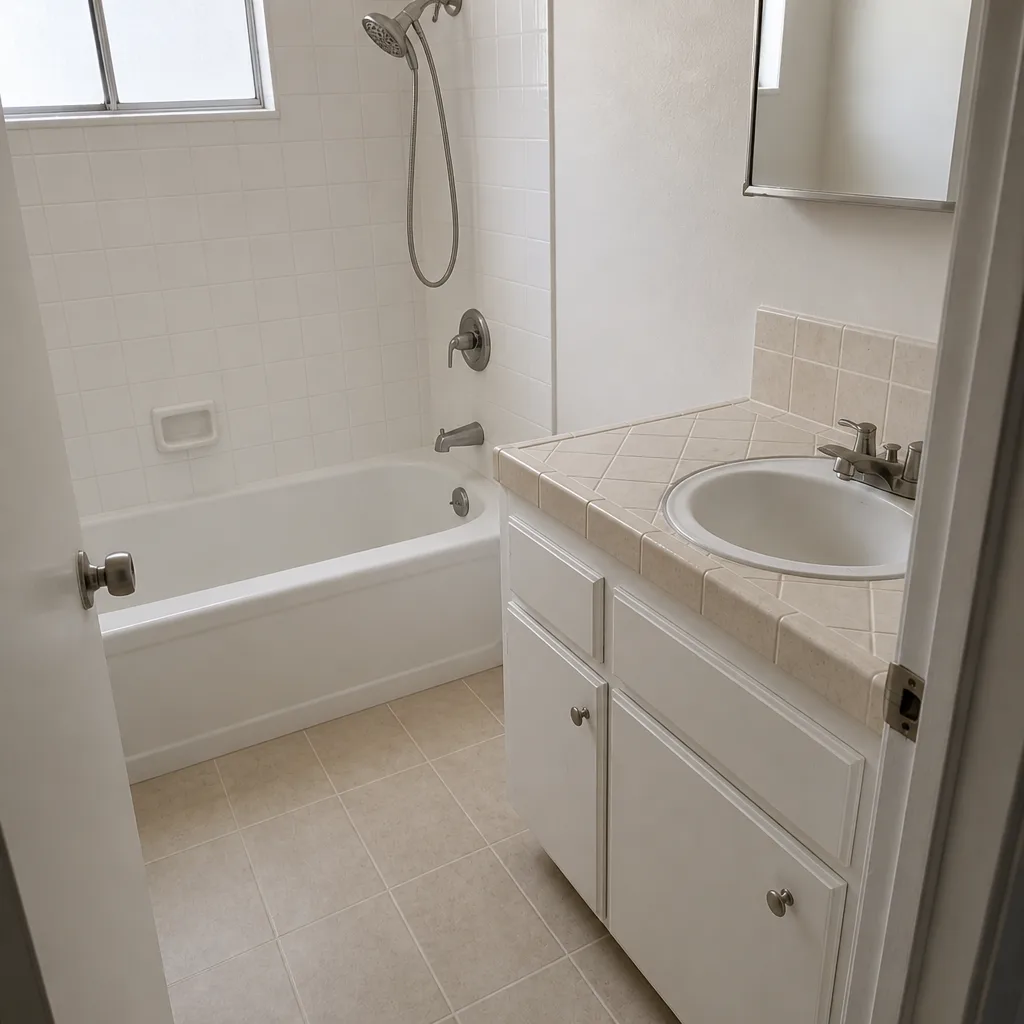 After
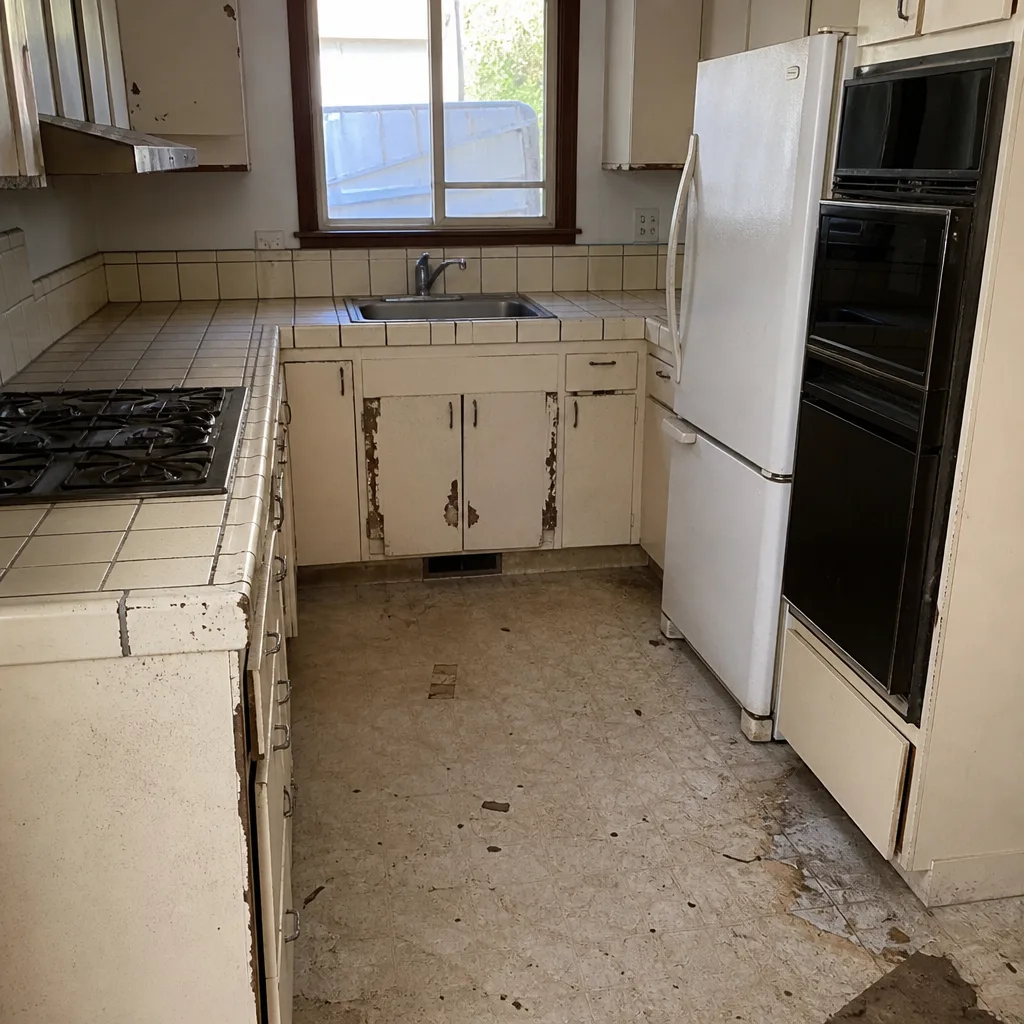 Before
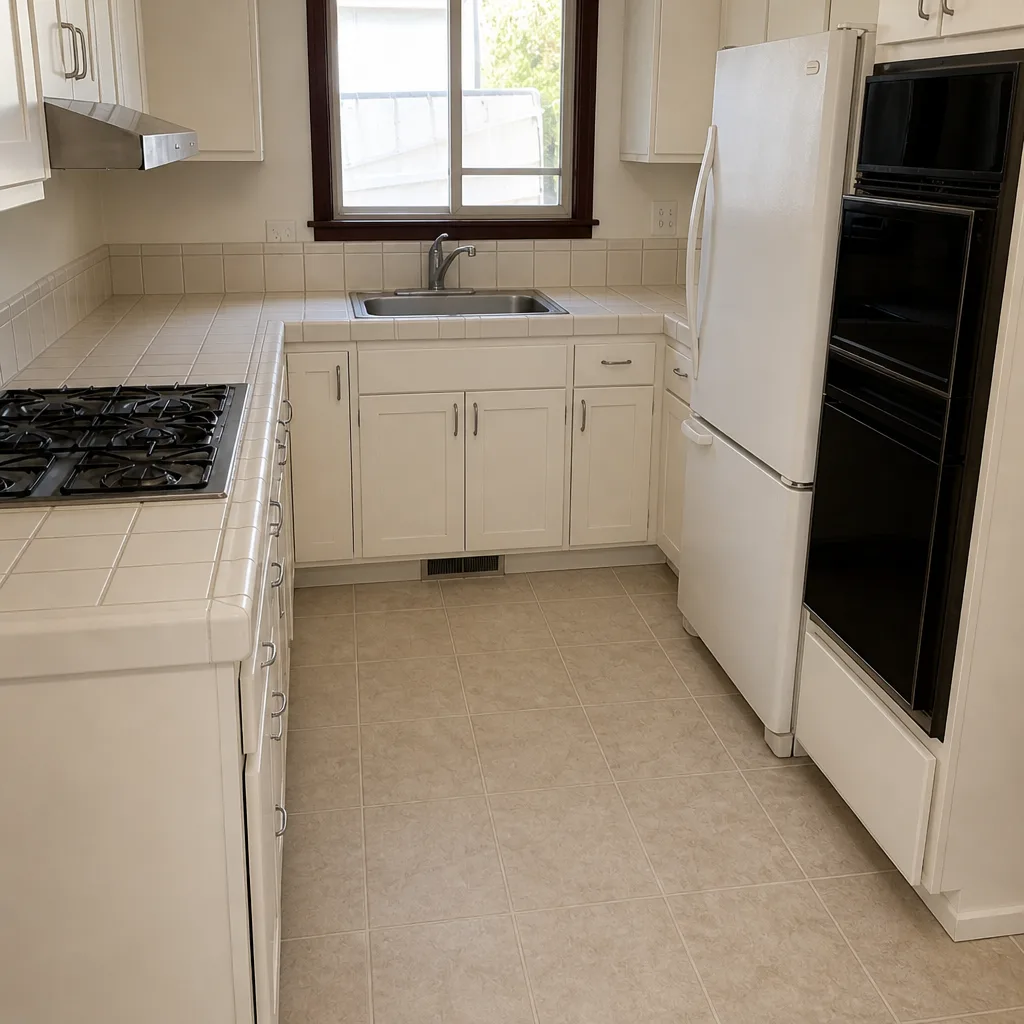 After
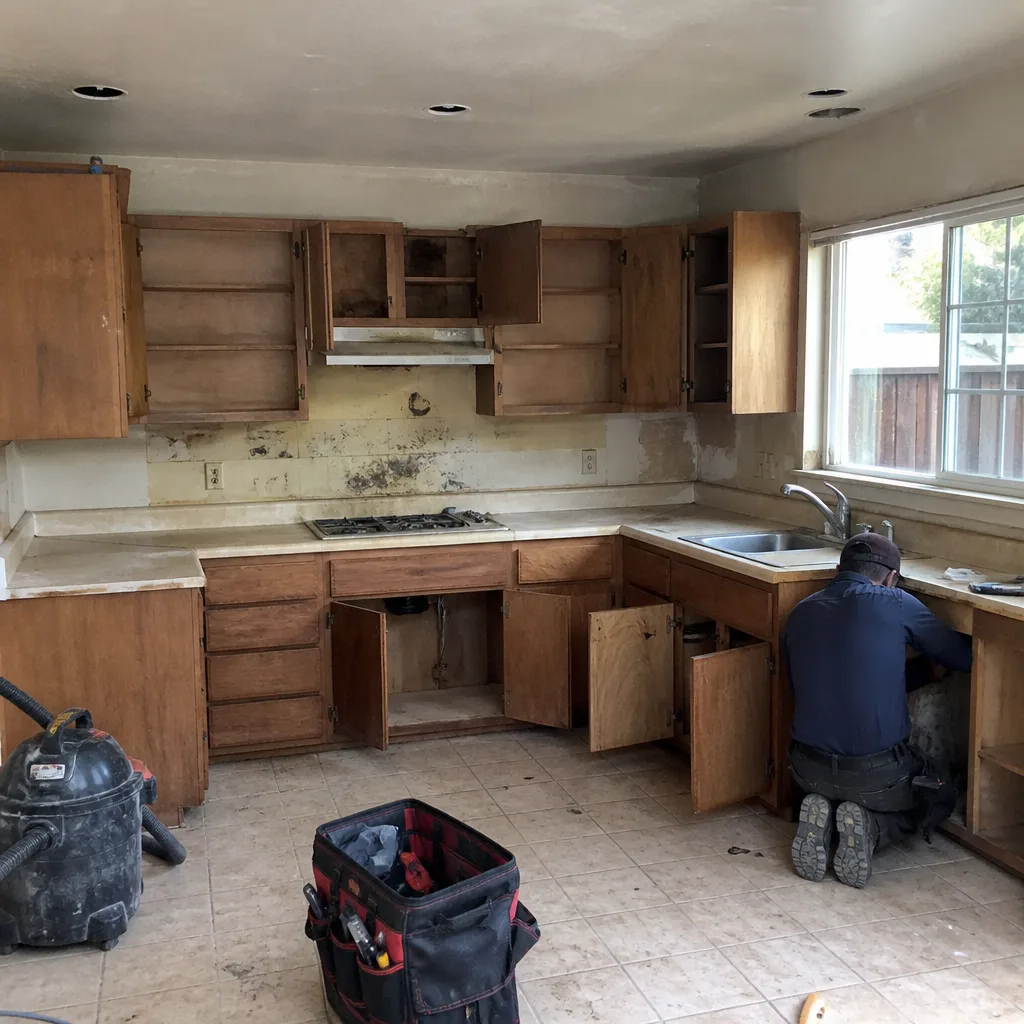 Before
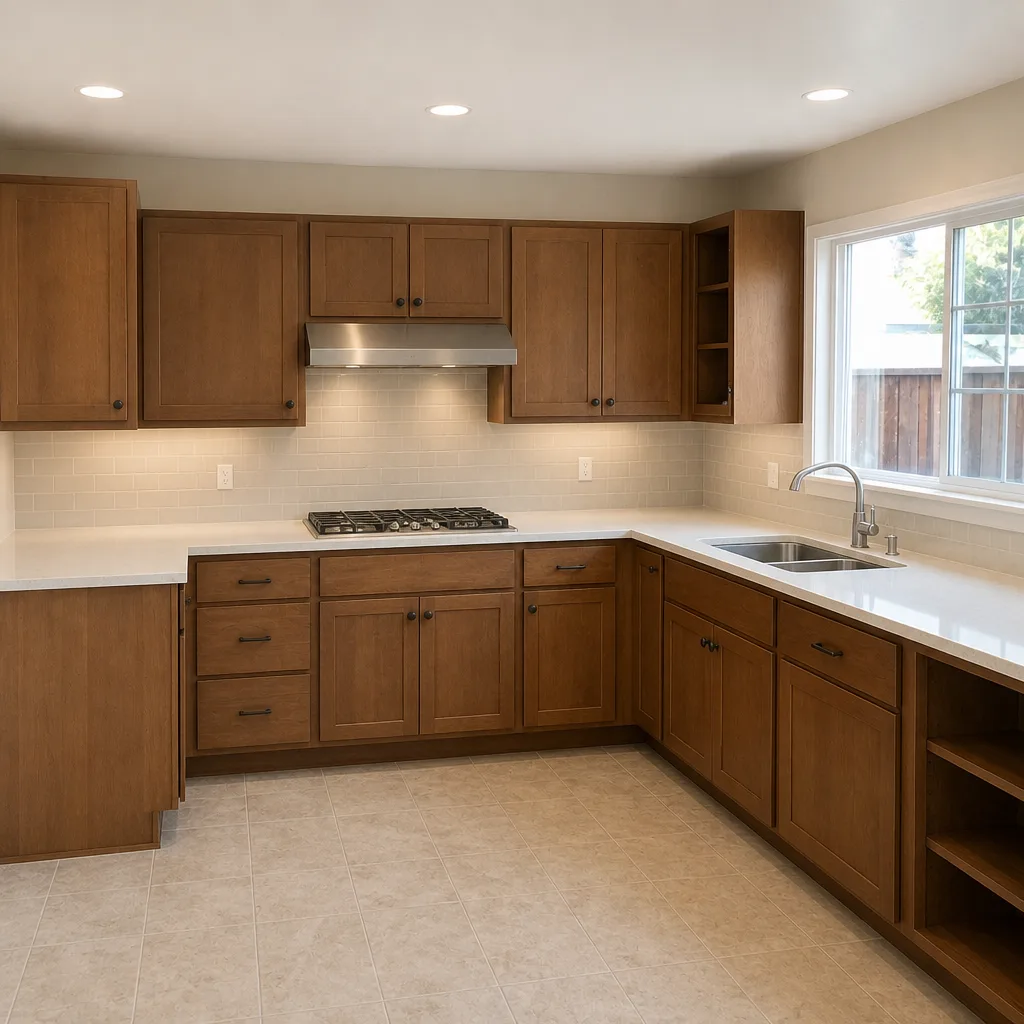 After
General Contractor vs Handyman in Santa Clara, CA: Where the Legal Line Actually Sits
Choose a licensed general contractor for anything over $500 in labor and materials, and for any job that touches structural, electrical, or plumbing work - because in Santa Clara a handyman legally cannot pull the permit those jobs require. Choose a handyman for cosmetic fixes, minor repairs, and non-permitted work under that threshold. That’s the bottom line. The rest of this page is the honest decision framework behind it, including what happens at resale if you get it wrong. Call (833) 400-6838 and we’ll tell you plainly which side your job falls on, even if it isn’t ours to do.
Santa Clara is the self-styled Capital of Silicon Valley, and the city’s Building Division reflects that. It is not a rubber-stamp office. The scrutiny that lets tech campuses rise here applies just as strictly to the 400-square-foot ADU behind your ranch house or the second story you want over your garage. Contractors here also coordinate around Silicon Valley Power, the city’s own municipal utility rather than PG&E, which changes the inspection sequencing on electrical and utility-clearance work. A handyman who skips the permit isn’t saving you money. They’re leaving you an unpermitted structure that will surface at resale or refinance - at the worst possible moment, in one of the most transaction-sensitive housing markets in the country.
Key Takeaways
- California law requires a licensed contractor for projects over $500 in labor and materials - this is not a gray area.
- Structural, electrical, and plumbing work triggers a permit in Santa Clara, and a handyman cannot legally pull one.
- Santa Clara permit records are public. Bay Area buyers’ agents check them routinely before closing.
- Unpermitted additions and ADUs are material disclosure items that can stall a sale or force a retroactive permit that costs more than the original job.
- A written price from a GC removes the “handyman is cheaper” argument before you commit to anything.

What Can a Handyman Legally Do in Santa Clara?
A handyman can handle cosmetic and non-structural work: painting, patching drywall, replacing a faucet or a light fixture, hanging shelves, assembling furniture, caulking trim, swapping hardware, minor fence repairs, and small tile touch-ups. None of that requires a permit, and none of it requires a GC. If that’s your list, hiring a handyman is sensible and we will say so.
The line sits at three places. First, the $500 threshold - once a job’s combined labor and materials cross $500, California expects a licensed contractor. Second, permits: if the work is structural, involves electrical or plumbing rough-in, or changes the building’s footprint or envelope, the city requires a permit, and pulling that permit requires a licensed contractor with the right classification. Third, and this is the one homeowners underestimate, anything that must be inspected before it can be closed up. Fresh drywall over unpermitted electrical work is not a repair. It’s a liability you won’t discover until it fails an inspection years later.
Where Santa Clara gets specific: much of the housing stock here is 1950s-1970s single-story ranch and Eichler-influenced homes on flat lots, and the dominant work is remodel and addition rather than ground-up build. Those flat lots make drainage and grading critical, and the mature fruit and shade trees mean root intrusion and arborist requirements show up on almost every addition we scope. A handyman can’t navigate any of that. It needs permit drawings, a structural review, and someone who has sat in Santa Clara’s plan-check queue enough times to know what the reviewers will ask for.
What Happens at Resale If the Work Was Unpermitted?
Here’s the part most comparison guides skip. Santa Clara’s permit and inspection records are public, and in a market where single-family homes trade at Bay Area values, a buyer’s agent will pull them. An unpermitted second-story addition or detached ADU becomes a material defect disclosure item on the transfer disclosure statement. That disclosure does one of three things: it kills the sale, it forces a price reduction roughly equal to the cost of tearing the work out, or it forces a retroactive permit process - which means opening walls for inspection, engineering letters, penalty fees, and a timeline that pushes your closing date out by months.
The financial exposure is quantifiable. A garage conversion runs $30,000-$80,000 when it’s done properly and permitted. A home addition runs $45,000-$130,000. An ADU runs $90,000-$220,000. If any of that was built without permits and has to be retroactively legalized at sale, you’re paying for the work twice - once to build it and again to prove it. A handyman charging you $12,000 to frame and finish a garage conversion is not a deal. It’s a discount on a problem.
This is also where a GC earns its price. A licensed general contractor with Santa Clara permit experience knows the submittal requirements, the inspection sequence, and how Silicon Valley Power’s service territory affects utility clearance and inspection scheduling. That coordination is worth real money on a job that has to pass plan check. If you want to see how we handle scoping before work starts, look at how we run home remodeling projects.
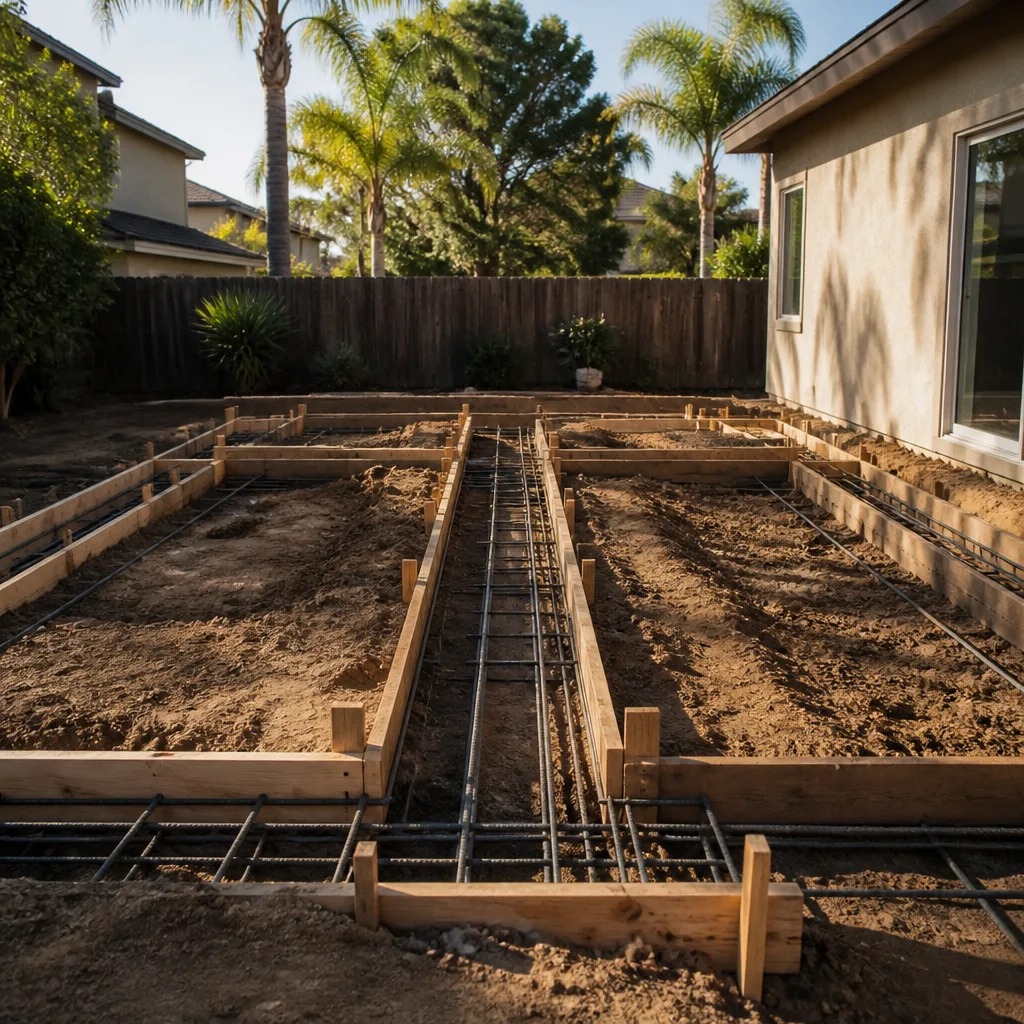
General Contractor vs Handyman: Side-by-Side
| Factor | Licensed GC | Handyman |
|---|---|---|
| Can pull a Santa Clara permit | Yes, with the right classification | No |
| Legal scope | Any project, including over $500 | Non-structural work only, under the $500 threshold |
| Structural, electrical, plumbing | Handled and inspected | Not legally permitted to perform |
| Insurance and background check | Company-verified, with certificate on file | Typically none furnished to the homeowner |
| Written price before work starts | Standard practice | Often verbal, often changes |
| Resale risk | Permitted work transfers clean | Unpermitted work becomes a disclosure problem |
The comparison isn’t really about who’s cheaper. It’s about who’s accountable when something goes wrong. A handyman who starts a multi-day job and disappears leaves you with no company to call, no background check on file, and no insurance certificate you’ve seen. A GC has all three, plus a guarantee behind the work. The concern homeowners actually have about hiring a GC is cost uncertainty - the fear of a verbal estimate that balloons after demo day. That fear is real, and it’s why we put the price in writing before any work begins. The number on day one is the number on the invoice.
If you’ve been burned before, this is the standard to hold us to: give the price before the work, show up in the arrival window we gave you, leave the site cleaner than we found it. That’s The Kingswell Way, and it’s what every Penhallow Remodeling Santa Clara project operates under. Our technicians have up to 22 years of experience, they’re background-checked, and they arrive in uniform - the same professional standard whether it’s a cabinet install or an addition. Material choices follow the same logic. We install KraftMaid and Wellborn cabinetry, Cambria, Silestone and Caesarstone countertops, and Kohler and Moen fixtures, and IKO and Boral roofing components on exterior work, so the products behind the 365-Day Done Right Promise are as solid as the promise itself.
What Does Each Type of Job Cost in Santa Clara?
Ranges are the useful thing here. Here’s what the work actually runs in Santa Clara, whether it’s under a GC or a handyman:
| Project | Typical Range |
|---|---|
| Kitchen remodel | $14,000-$45,000 |
| Small kitchen remodel | $9,000-$20,000 |
| Bathroom remodel | $9,000-$28,000 |
| Small bathroom remodel | $5,000-$12,000 |
| Walk-in shower installation | $4,500-$12,000 |
| Garage conversion (permitted) | $30,000-$80,000 |
| Home addition | $45,000-$130,000 |
| ADU construction | $90,000-$220,000 |
A handyman might quote you well under these numbers on a garage conversion. But without a permit, that’s not the same job. On the smaller end, a cabinet installation runs $4,000-$13,000, a countertop install $2,000-$6,500, and a backsplash $800-$2,500 - those granular line items are where a written price shows its value. You know what’s included before anyone touches a tool. For the full scope of what we do, see our kitchen remodeling and bathroom remodeling pages.
How Do You Vet Someone Either Way?
Ask the same three questions regardless of who you hire. First, “Can I see your insurance certificate?” A handyman who can’t produce one in writing is a risk. A GC should have it ready before you ask. Second, “Who’s doing the work, and who’s on file?” Background-checked, uniformed technicians mean you know exactly who’s entering your home - a detail that matters when the job runs a week and the crew changes. Third, and most importantly, “Can I get the price in writing before work starts?” If the answer is no, that’s your answer.
For permitted work in Santa Clara, ask a fourth question: “Have you pulled permits in this city?” Plan-check reviewers here are exacting, and someone who has never navigated the Santa Clara Building Division will underestimate the timeline. If you want to see how we approach the smaller jobs, our cabinet installation, countertop installation, and shower replacement pages show the line-item detail we work from.
FAQs
No. California requires a licensed contractor for any project where combined labor and materials exceed $500, so a handyman doing work above that threshold is operating outside the law. That ceiling covers more than you might think - a single faucet swap and a couple hours of patching can cross it, and if the work needs a Santa Clara permit, a handyman cannot pull one at all. Call (833) 400-6838 and we’ll tell you which side your job falls on.
Yes, and often badly. Santa Clara permit records are public, buyers’ agents check them as standard practice, and an unpermitted addition or ADU becomes a material defect disclosure item - one that either stalls the sale, forces a price cut, or triggers a retroactive permit process that costs more than the original work. The exposure on a $45,000-$130,000 addition is real money, not a technicality. Call (833) 400-6838 for a no-pressure assessment before you build.
A handyman’s hourly rate is lower, but only for jobs a handyman can legally do. For permitted work, the “cheaper” handyman quote isn’t cheaper - it’s work you’ve paid for that has to be redone or retroactively legalized later, at your expense. The honest comparison is a written GC number versus a handyman ballpark, and once you have the written number, you know what you’re committing to before work starts. Call (833) 400-6838 for a free written estimate.
Most full kitchen and bathroom remodels need a licensed GC, because the work almost always touches plumbing, electrical, or structural elements that require a permit. A kitchen remodel runs $14,000-$45,000 and a bathroom remodel $9,000-$28,000 in Santa Clara, and both typically involve rough-in work that has to pass inspection. A handyman can do the cosmetic pieces - paint, trim, hardware - but not the parts that need to be signed off. Call (833) 400-6838 to scope yours.
If you’d rather have it looked at, Penhallow Remodeling Santa Clara offers a no-pressure assessment in Santa Clara. We’ll give you a written price and a written guarantee before anyone picks up a tool, so you know the number on day one and the number on the invoice match. Call Penhallow Remodeling Santa Clara at (833) 400-6838 for a free estimate - a live person answers, any hour.
Written by the team at Penhallow Remodeling Santa Clara, serving Santa Clara, CA.