Last updated November 17, 2026





Free written scope consultation - allowances, timeline, and change-order rules on paper before a single trade is scheduled
DIY vs Professional General Contractor: What’s Safe to Do Yourself
Here’s the number most homeowners never hear before they pick up a pry bar: in California, an owner-builder who sells a home within five years of pulling a permit must disclose every permit, and any unpermitted work, on the transfer disclosure statement. That single line of paperwork has sunk more deals than bad tile work ever has. Buyers find the open permit, the inspector’s red tag, or the mystery addition in the county record, and suddenly the offer you accepted is on the table again. This guide draws the real line between the work you can safely do yourself in Santa Clara and the work that quietly follows the house for decades.
Quick Answer
In California, you can legally act as an owner-builder on your own residence without a contractor license, but you own the permit, the inspection, the liability, and the disclosure obligation at resale. Demo, painting, and finish carpentry are genuinely DIY-friendly; structural work, electrical rough-in, plumbing rough-in, and gas lines are not, because failed inspections, insurance denials, and disclosure problems cost far more than the labor you saved. If the job needs a permit, get a written price from a licensed general contractor before you decide.
Styles & brands we work with
- Kitchen remodeling
- Bathroom remodeling
- Home additions & ADU
- Roofing
- Windows & doors
- Driveway & pavers
- Fence
Table of Contents
- What California’s owner-builder exemption actually allows
- The five-year disclosure trap at resale
- Which tasks are genuinely safe to do yourself
- Which tasks carry hidden liability
- How Santa Clara inspections differ for owner-builders
- The insurance gap nobody mentions
- The real cost comparison, including resale math
- Common mistakes to avoid
What California’s Owner-Builder Exemption Actually Allows
California Business and Professions Code lets a homeowner act as their own contractor on a residence they own and occupy, without holding a contractor license. That’s the exemption. It sounds like freedom, and in a narrow way it is: you can pull permits in your own name, hire subcontractors directly, and manage the job yourself. What the exemption does not do is shield you from the consequences.
Three things happen the moment you sign as owner-builder:
- You become the contractor of record. The permit is in your name, the inspections are yours to schedule and pass, and the corrections are yours to fix.
- You take on the worker classification problem. If you hire helpers, you’re responsible for workers’ compensation coverage. California treats uninsured workers on a residential job as your liability, and the penalties for getting this wrong are steep.
- You inherit the resale disclosure burden. The exemption is designed for a homeowner improving their own home, not for a homeowner improving a home to sell. That distinction is where things get expensive.
We’ve walked into Santa Clara homes where a previous owner pulled an owner-builder permit for a bathroom addition, never closed it out, and sold the house eight years later. The buyer’s inspector found the open permit, the lender flagged it, and closing stalled until a licensed contractor was brought in to legalize the work. That’s the pattern. Most of the risk isn’t in the doing. It’s in the record that outlives the doing.
The Five-Year Disclosure Trap at Resale
When you sell a California home, you complete a Transfer Disclosure Statement and, in most counties, a seller property questionnaire. Both ask about permits, unpermitted work, and any improvements made without required permits. If you acted as owner-builder within the previous five years, the permit history is public record, and the buyer’s agent will find it. There is no version of the transaction where it stays quiet.
What that costs you depends on what the work was:
- Closed, inspected owner-builder permit: usually a non-issue. The record shows the work was done and signed off. Buyers accept it. Lenders accept it.
- Open permit: closing often stalls. The buyer’s lender may require the permit be finalized before funding, which means bringing the work up to current code, sometimes years after the fact.
- Unpermitted structural or MEP work: the buyer’s inspector flags it, the appraiser discounts it, and the buyer has grounds to renegotiate or walk. You’re negotiating from weakness after you’ve already accepted an offer and committed to a move.
In a Santa Clara market where a modest single-story ranch on a 6,000-square-foot lot trades at significant value, a flagged unpermitted addition can shave real dollars off an appraisal. The math almost never favors the DIY route on permitted work. If the work needs a permit and you plan to sell within five years, get a licensed contractor. This is where we hand most homeowners the general contractor in Santa Clara conversation, because the legal exposure is bigger than the job.
Which Tasks Are Genuinely Safe to Do Yourself
Plenty of work around a house is safe, legal, and worth doing yourself. These are the jobs where a mistake costs you a weekend and a few hundred dollars, not a permit problem or an insurance denial.
- Demo and haul-away. Tearing out old cabinets, pulling dated tile, removing a non-load-bearing closet, taking out carpet. The one caution: confirm before you swing that a wall isn’t structural, and that the wall you’re removing doesn’t hide plumbing or wiring you’ll need to reroute.
- Painting and prep. Interior paint, exterior trim paint, patching drywall, caulking. No permit, low consequence, high visual return. It’s also the job most homeowners underestimate. Proper prep takes longer than the painting.
- Finish carpentry. Baseboards, crown molding, closet shelving, door casing, cabinet hardware. These are craft jobs, not construction jobs. If you have the patience, do them.
- Landscaping outside the structure. Planting, sod, drip irrigation, low garden walls under the height threshold. Note the word “low”: retaining walls above a set height usually require engineering and a permit.
- Cosmetic upgrades. Swapping a faucet, replacing a toilet, hanging a new light fixture where the wiring is already there and the fixture matches the circuit.
Anything on that list, we’ll tell a Santa Clara homeowner to do themselves if they have the time. It’s the work down the page where the risk concentrates.
Which Tasks Carry Hidden Liability
Three categories of work look approachable on a Saturday and stop being approachable the moment an inspector or an insurance adjuster shows up: structural, electrical, and plumbing/gas. We don’t say that to sell you a job. We say it because the failure modes are genuinely expensive and sometimes genuinely dangerous.
- Structural work. Removing a load-bearing wall, cutting a new opening, sistering joists, adding a beam, changing a foundation. If you get the load path wrong, the failure is slow and invisible until it isn’t. Structural mistakes also show up on the disclosure statement in ways buyers punish.
- Electrical rough-in. New circuits, panel work, adding outlets in a wet area, running wire through a permitted remodel. Electrical failures are the leading cause of residential fires, and the owner-builder permit doesn’t make the work safer, only legal to schedule.
- Plumbing and gas. Relocating a drain, running new supply lines, any gas line work. Gas leaks and hidden water damage are the two most expensive failure modes in a house. Tile over a slow drip looks fine until it doesn’t, and by then the substrate, the frame, and the subfloor are all suspect. If you’re pulling permits for a bathroom, that’s a bathroom remodel in Santa Clara conversation, not a solo job.
One more, and it’s the one that surprises people: hidden moisture. Santa Clara’s dry summers mean most water intrusion comes from a single failed supply line, a shower pan that was never properly sloped, or a roof flashing detail. By the time you see a stain, the cement board substrate (the moisture-resistant layer behind your tile) and the framing behind it may need replacement. We see this on the majority of five-year-old DIY showers we’re called out to inspect.
How Santa Clara Inspections Differ for Owner-Builders
The permit application is not where the difference shows up. The inspection schedule is. An owner-builder pulls the permit in their own name, and every stage inspection is their responsibility to request. Miss a stage, and the work has to come open again, sometimes after it’s finished.
Two things differ in practice:
- Re-inspection fees. Santa Clara, like most Bay Area jurisdictions, charges a re-inspection fee when an inspector arrives and the work isn’t ready or isn’t to code. That fee stacks each visit. An owner-builder who misses three rough-in inspections on a single project can spend several hundred dollars in re-inspection fees before a single correction is addressed, and the fee is not the expensive part. The two-week delay to get back on the schedule is.
- Sequencing and trade coordination. A licensed general contractor schedules rough-in inspections back-to-back with the trades, because the plumber and electrician know the sequencing cold. An owner-builder running the job ad hoc ends up waiting days between stages. That’s the real reason projects drag, not the inspection itself.
If you’re planning a Santa Clara kitchen remodel, the inspection sequence runs rough framing, then electrical and plumbing, then insulation, then drywall, and finally final. That sequence has to be respected, or you’ll pull finished work back down. On large remodels, we coordinate that schedule as part of the job, which is why the kitchen remodeling in Santa Clara projects we run tend to close on a predictable timeline.
The Insurance Gap Nobody Mentions
Here’s the part that rarely makes it into the DIY conversation: your homeowner’s insurance policy almost always excludes claims arising from work performed by an unlicensed person on the property. If you were the owner-builder, you were the unlicensed person. The insurer reads the permit record the same way a buyer’s agent does.
What that means in practice:
- A water damage claim from a plumbing repair you did can be denied on the grounds that the work wasn’t performed by a licensed professional.
- A fire claim from an electrical circuit you added runs into the same exclusion.
- A worker injured on your property while helping you is your liability, not the worker’s, unless you carry workers’ comp or the worker is covered.
We’ve seen claims denied for this reason. The adjuster doesn’t have to argue the work was done badly. They only have to show it was done without a license. A permit in your own name doesn’t change that. A licensed contractor on record does, and so does the second layer: our technicians are background-checked and arrive in uniform, and every job carries a written price and a written guarantee before the work starts. That’s the record that supports an insurance claim, not the other one.
The Real Cost Comparison, Including Resale Math
The DIY calculation most homeowners run is labor versus contractor price. That’s the wrong equation. The real equation runs labor, material, permit fees, inspection risk, insurance coverage, and resale impact. Here’s a rough framework for a mid-sized Santa Clara project – a bathroom remodel or kitchen refresh – to show what each line actually costs.
| Cost line | Owner-builder DIY | Licensed general contractor |
|---|---|---|
| Labor | Your time, $0 cash but weeks of weekends | Bundled in project price |
| Materials | Retail pricing, no trade discount | Trade pricing on recognized brands |
| Permit fees | Paid by owner, typically $400 – $2,500 depending on scope | Paid by owner, bundled into project price |
| Re-inspection fees | Stack per visit, several hundred possible | Contractor’s responsibility, absorbed |
| Insurance coverage | Likely excluded for your own work | Covered; contractor carries liability |
| Warranty | None | Written guarantee, 365-day Done Right Promise |
| Resale impact | Open or missing permits discount the home | Closed permits support full appraisal |
A typical Santa Clara bathroom remodel by a licensed contractor lands in a range that most homeowners expect to save by DIY. For a genuinely mid-market bathroom in Santa Clara, we’d expect a written price somewhere in the $18,000 – $45,000 range depending on layout, tile, vanity line, and fixture tier. Materials alone on a DIY version often run a third to half of that. Then add the permit, the re-inspection risk, the insurance gap, and the resale discount. The savings on the card look real. They shrink on the appraisal.
Layered guarantees matter here, too. We install Cambria quartz, which carries its own lifetime warranty alongside ours, and cabinetry lines like KraftMaid and Wellborn come with manufacturer coverage a homeowner can’t get buying retail. The protection behind the job is part of what you paid for. For a full kitchen remodel, that written price typically runs $18,000 – $55,000 depending on layout, cabinet line, and countertop material, and the number on day one is the number on the invoice. If you’re weighing it, the Santa Clara home page lays out how our process works before you commit to anything.
Common Mistakes to Avoid
- Pulling an owner-builder permit for work you plan to sell within five years. The disclosure obligation follows the permit, and buyers find the record. If selling is on the horizon, hire a licensed contractor so the permit is theirs to close out.
- Assuming the exemption covers a flip. California’s owner-builder exemption is designed for a home you occupy, not a property you’re improving to sell. A flip treated as owner-builder work creates the exact liability the exemption was never meant to shift.
- Hiring helpers without workers’ comp. On a Santa Clara residential job, an uninsured worker injured on your property is your liability, and the penalties for missing coverage are substantial. This is the quiet killer of DIY budgets.
- Skipping the rough-in inspection because the drywall is ready. Santa Clara re-inspection fees stack per visit, and pulling drywall back down after finish is worse. Schedule the inspection before you close the wall.
- Assuming homeowner’s insurance will cover a water or fire claim from your own work. Most policies exclude work performed by unlicensed persons, which includes the owner-builder on their own home.
- Buying finish materials before you’ve confirmed the substrate. A DIY tile job over a failed pan or missing cement board fails inside a year. Confirm the surface before you buy the tile.
- Letting a permit lapse. California permits expire. Santa Clara will close out an open permit only after the work is inspected, and an expired permit at resale is a problem you’ll pay to solve under pressure.
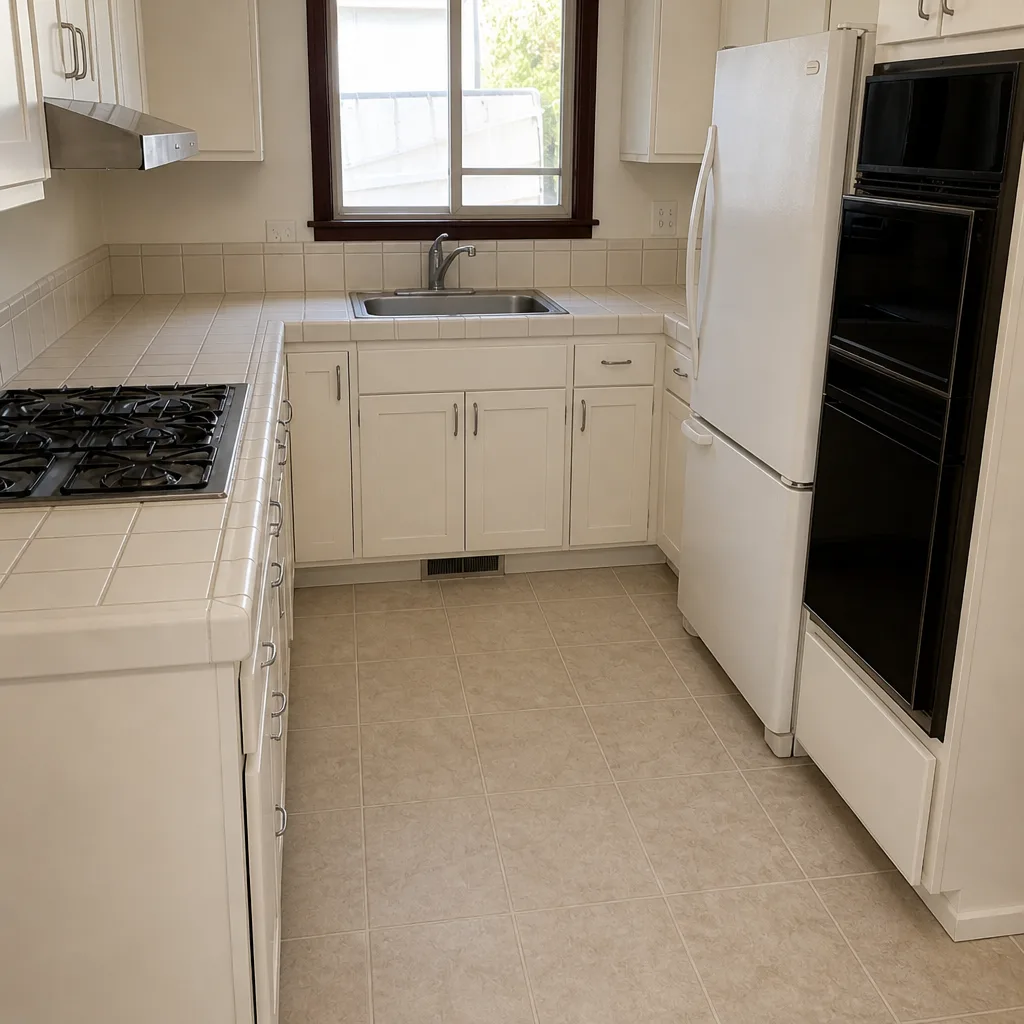
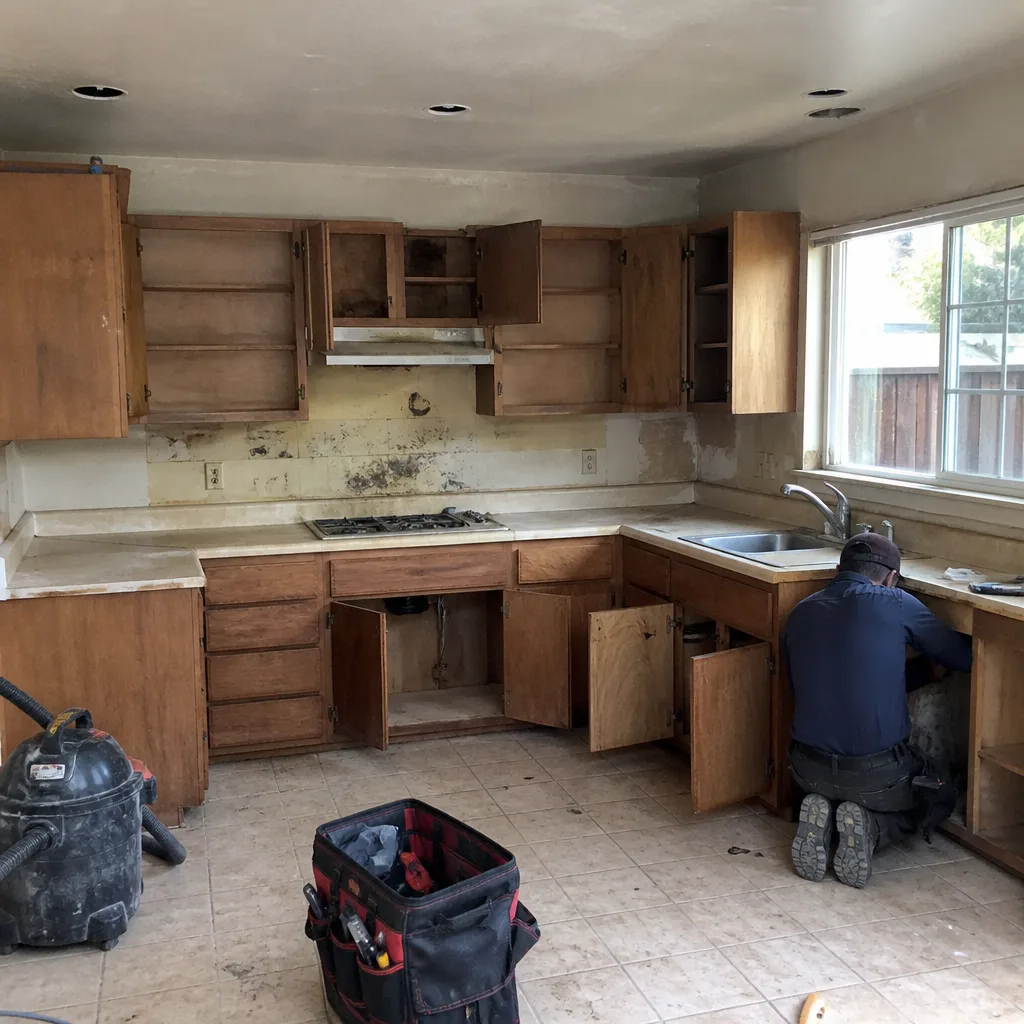
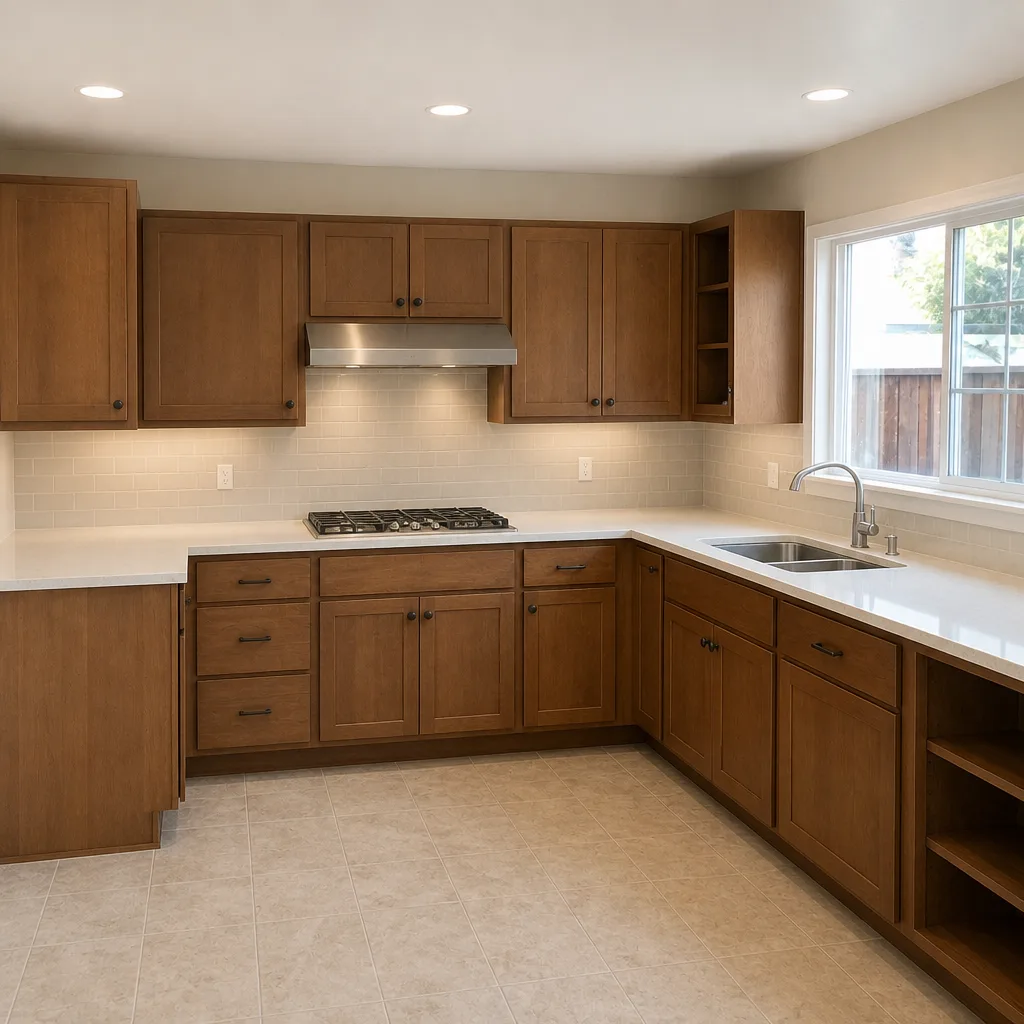
See the difference
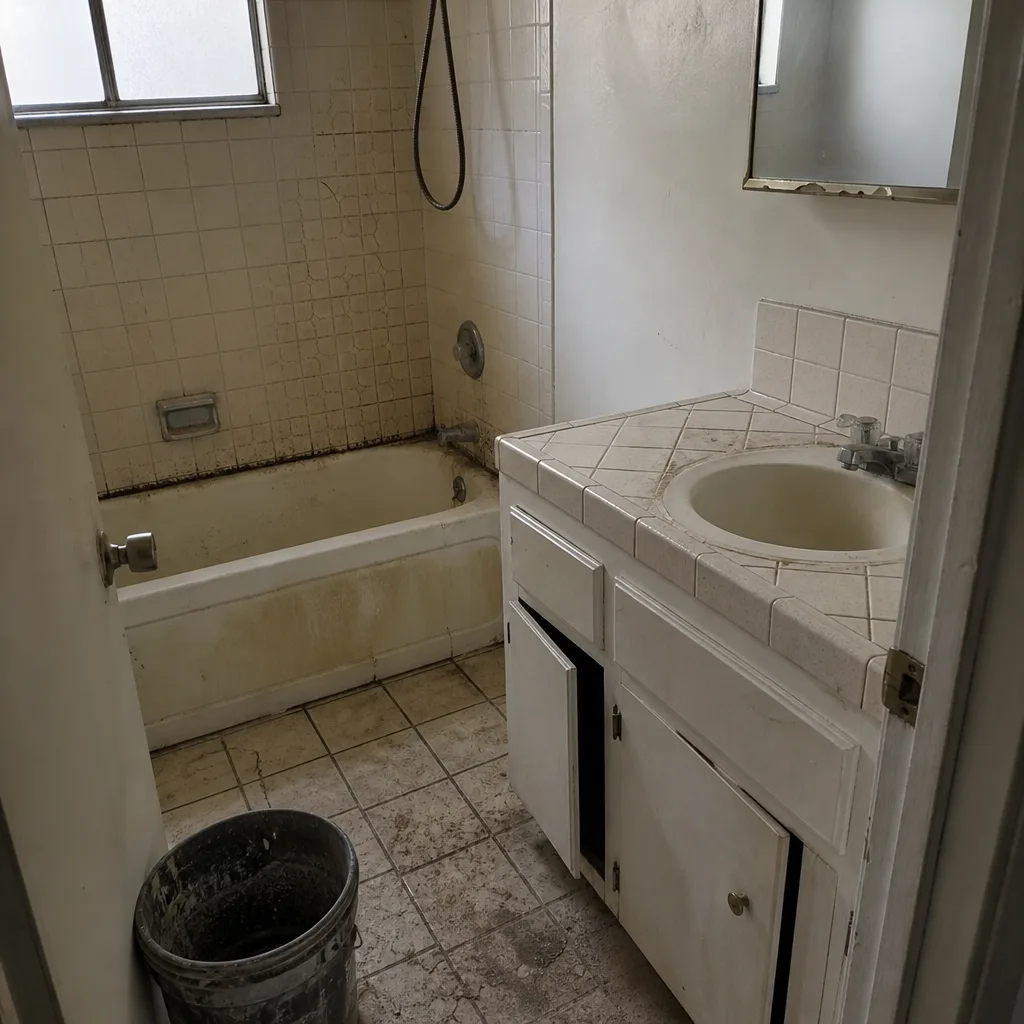 Before
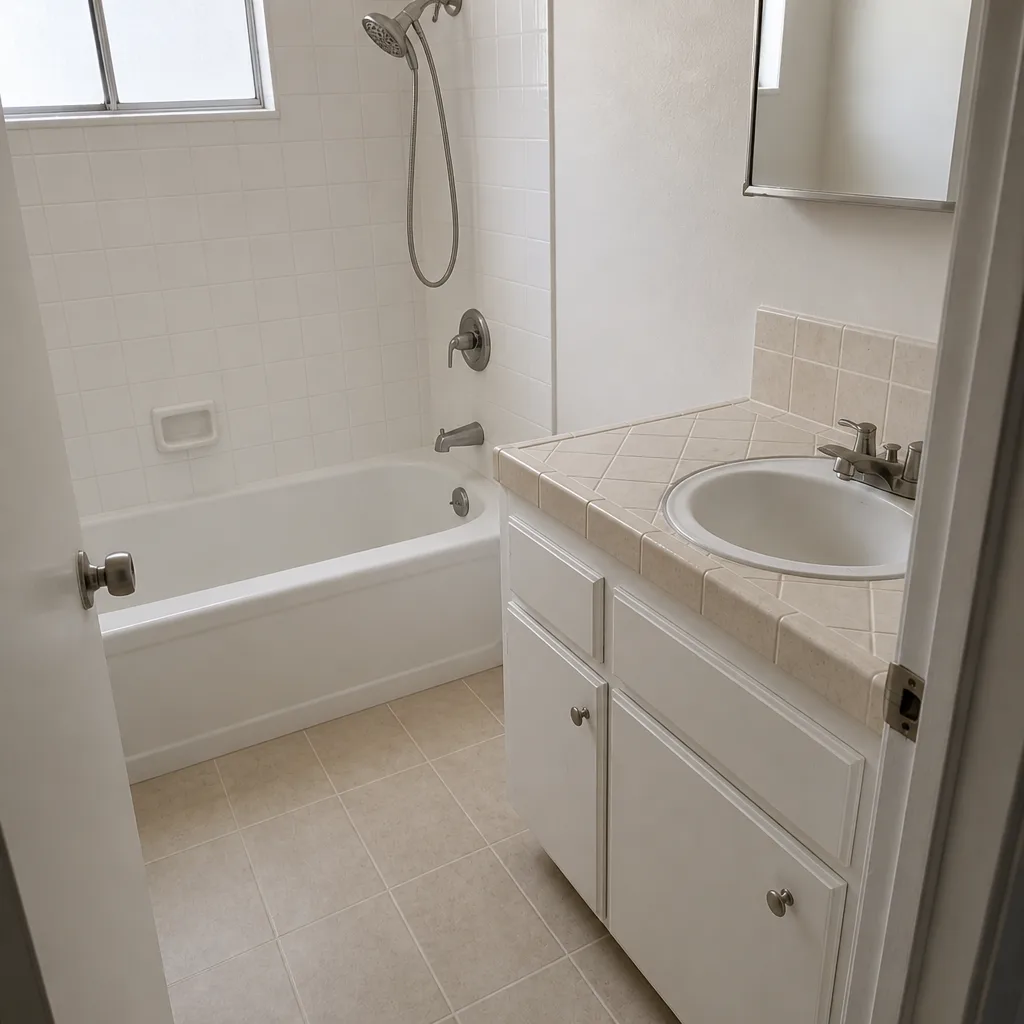 After
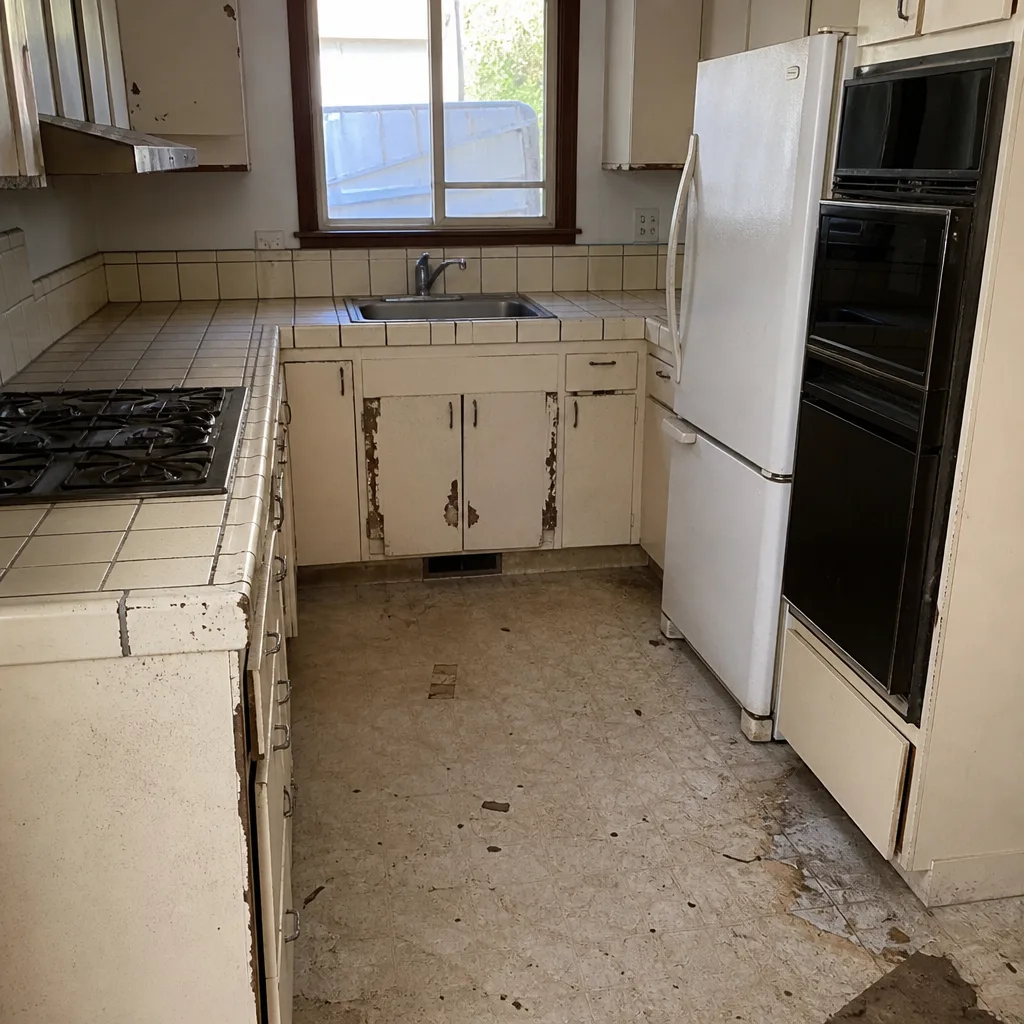 Before
 After
 Before
 After
When to Call a Professional
Call a licensed general contractor when the job needs a permit, when it touches structural, electrical, plumbing, or gas work, when you plan to sell within five years of the permit, or when the work needs to support an insurance claim. That covers most of what people mean when they ask “can I do this myself.” Painting, demo, and finish carpentry don’t need us. Changing a wall, roughing in a shower, or rewiring a kitchen does, and the difference between a closed permit and an open one at resale is usually worth more than the labor saved. Penhallow Remodeling Santa Clara offers free estimates in Santa Clara – call (833) 400-6838 to schedule yours, and we’ll put the price and the guarantee in writing before any work starts.
Frequently Asked Questions
Yes, if you own and occupy the home, you can act as an owner-builder without a contractor license. You pull the permit in your own name and take on the inspection scheduling, the trade coordination, the worker coverage responsibilities, and the resale disclosure obligation that follow. Call (833) 400-6838 for a free estimate if you want to compare the DIY route against a written contractor price first.
Yes. The permit is public record, and California’s Transfer Disclosure Statement requires the seller to disclose permits and any unpermitted work, with owner-builder work triggering particular scrutiny when the home resells within five years. A closed, inspected permit is usually a non-issue. An open one can stall closing or force a discount. Call us before you pull the permit if you’re weighing the two routes.
Usually not. Most homeowner’s policies exclude claims arising from work performed by an unlicensed person on the property, which includes the owner-builder on their own home. A licensed contractor on record is what supports the claim. Call (833) 400-6838 for a free estimate on any permitted work you’re considering.
Hidden moisture from plumbing and shower pan work is the riskiest, because the failure is invisible for months and by then the framing behind the tile is compromised. Electrical rough-in and gas line work run close behind on safety grounds. If the work touches water, gas, or a panel, hire it out. Our technicians have up to 22 years of experience on that work; call (833) 400-6838 for a written price.
Yes. Santa Clara charges a re-inspection fee when an inspector arrives and the work isn’t ready, and the fee stacks per visit. An owner-builder who misses rough-in inspections pays those fees directly. A licensed general contractor absorbs them as part of the project price. Call (833) 400-6838 for a free estimate if you want a price that includes them.
If the work fails inside the guarantee period, we come back and fix it at no charge, and the promise is covered in writing on every project. The materials we install carry their own manufacturer warranties alongside ours. Call (833) 400-6838 to schedule a free estimate and we’ll walk you through exactly what’s covered before any work starts.
The Bottom Line

The DIY question in Santa Clara isn’t primarily about skill. It’s about permits and the record that outlives the work. Demo, painting, and finish carpentry are yours to do, safely and legally. Structural, electrical, plumbing, and gas work is not, because a failed inspection, an insurance denial, or an open permit at resale costs more than the labor saved. If the work needs a permit, get a written price first. Our technicians have up to 22 years of experience, and every job carries a written price before work starts and a 365-Day Done Right Promise. Call (833) 400-6838 to schedule your free estimate in Santa Clara.
Written by the team at Penhallow Remodeling Santa Clara.