Last updated November 17, 2026




Free written scope consultation - allowances, timeline, and change-order rules on paper before a single trade is scheduled
How Long Does Bathroom Remodeling Take? Timelines and What to Expect
Most bathroom remodels that run long don’t blow up during construction. They blow up at the permit counter or the tile back-order, two things that were predictable on day one. In our experience, the crew setting tile is rarely the reason a Santa Clara bathroom takes nine weeks instead of six. The end date is decided in the planning phase, weeks before a single cabinet is pulled. This guide breaks a full bathroom remodel into five honest phases, gives realistic day ranges for each, and shows you exactly which decisions control the calendar so you can protect your date instead of hoping for it.
Quick Answer
A full bathroom remodel typically takes 5 to 8 weeks from demo to final inspection. The planning and permit phases that come before demo add another 3 to 5 weeks in Santa Clara, so the realistic total from first decision to finished room is around 8 to 13 weeks. A cosmetic refresh (new fixtures, paint, no layout change) can run 2 to 3 weeks. A gut remodel with a moved drain or new layout runs longer.
Styles & brands we work with
- Kitchen remodeling
- Bathroom remodeling
- Home additions & ADU
- Roofing
- Windows & doors
- Driveway & pavers
- Fence
Table of Contents
- The Five Phases of a Bathroom Remodel
- Why a Santa Clara Permit Adds 2 to 3 Weeks
- The Three Decisions Behind Most Overruns
- What a Written Schedule Actually Looks Like
- A Week-by-Week Skeleton for a Mid-Range Remodel
- How to Hold Any Contractor to the Timeline
- Common Mistakes to Avoid
- When to Call a Professional
The Five Phases of a Bathroom Remodel
Every bathroom remodel, from a hall bath in Santa Clara to a primary suite gut, moves through the same five phases. The ranges below are what we see on real jobs, not best-case brochure numbers.
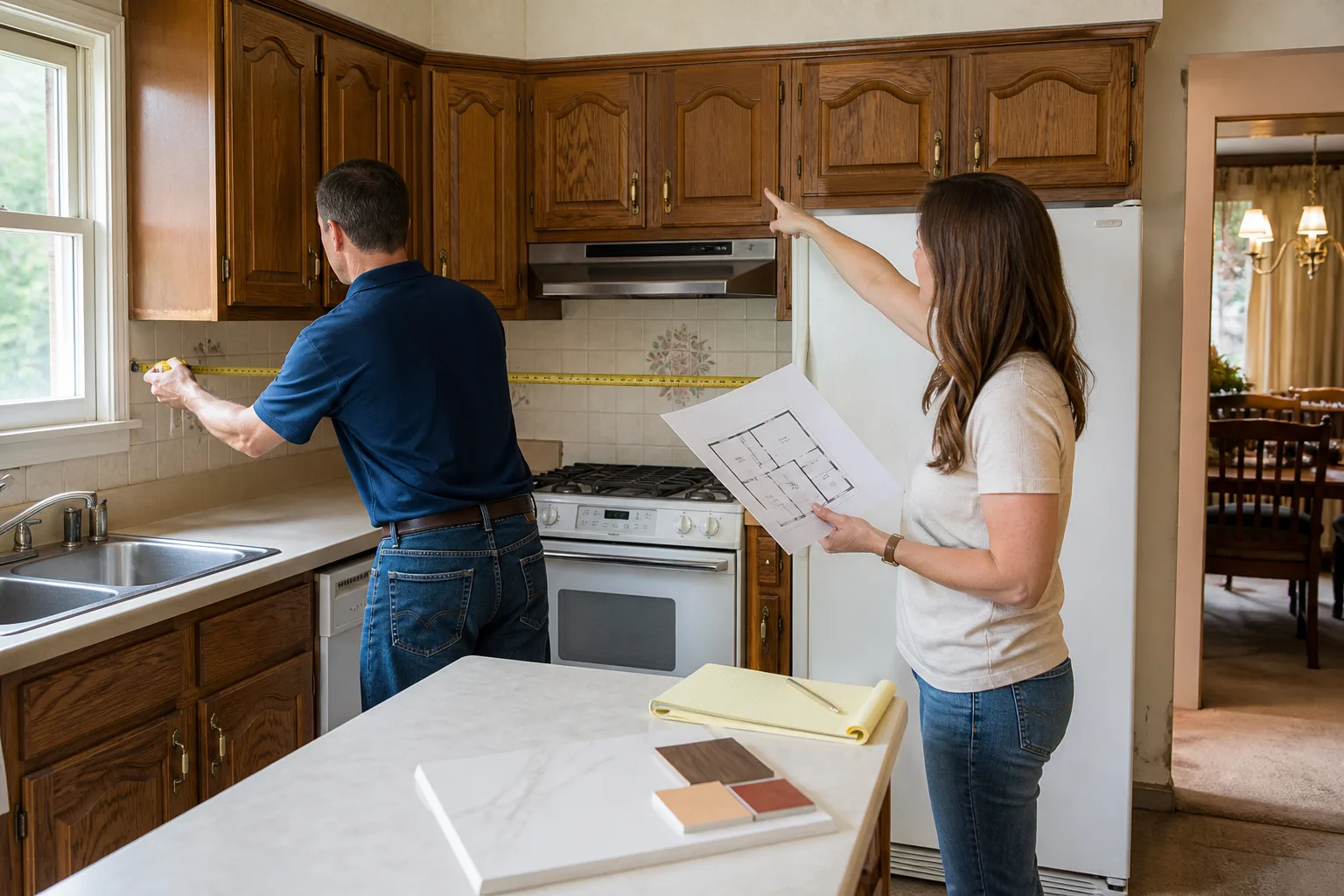
- Planning and design (7 to 14 days). Measuring the room, choosing a layout, and locking selections for tile, fixtures, vanity, and countertop. This is where the calendar is won or lost. A homeowner who spends three weekends “thinking about tile” has just added three weeks to the end date.
- Permit (10 to 21 days in Santa Clara). If you’re moving plumbing, electrical, or walls, the city reviews plans before work can start. See the section below for why this matters.
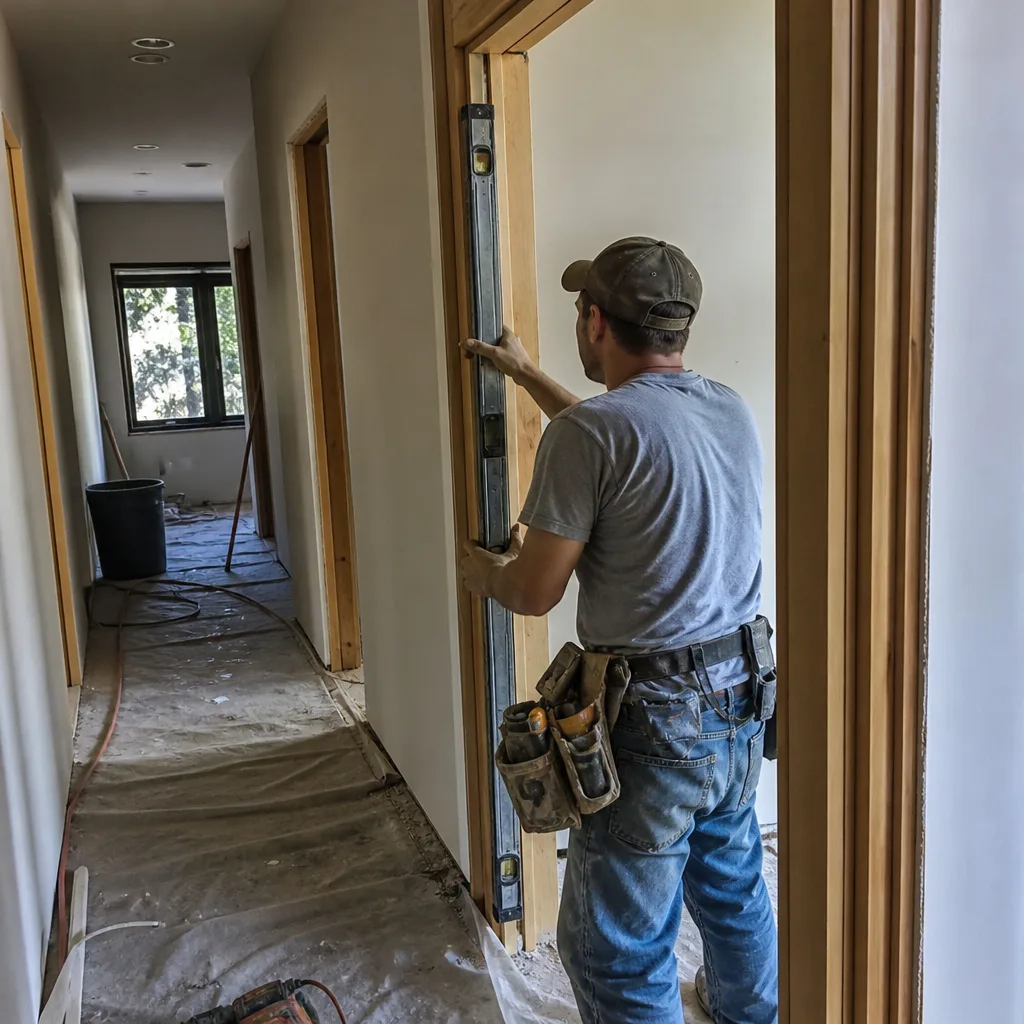
- Demo (1 to 3 days). Tear-out, haul-away, and the moment of truth when the walls open up. Old tile over a failed substrate (the waterproof layer under the tile) can add a day or two of repair.
- Rough work (5 to 10 days). Framing changes, new plumbing lines, electrical, and inspection of those rough systems before anything gets closed up. This is the phase where a moved drain line in a Santa Clara slab or crawlspace adds real days.
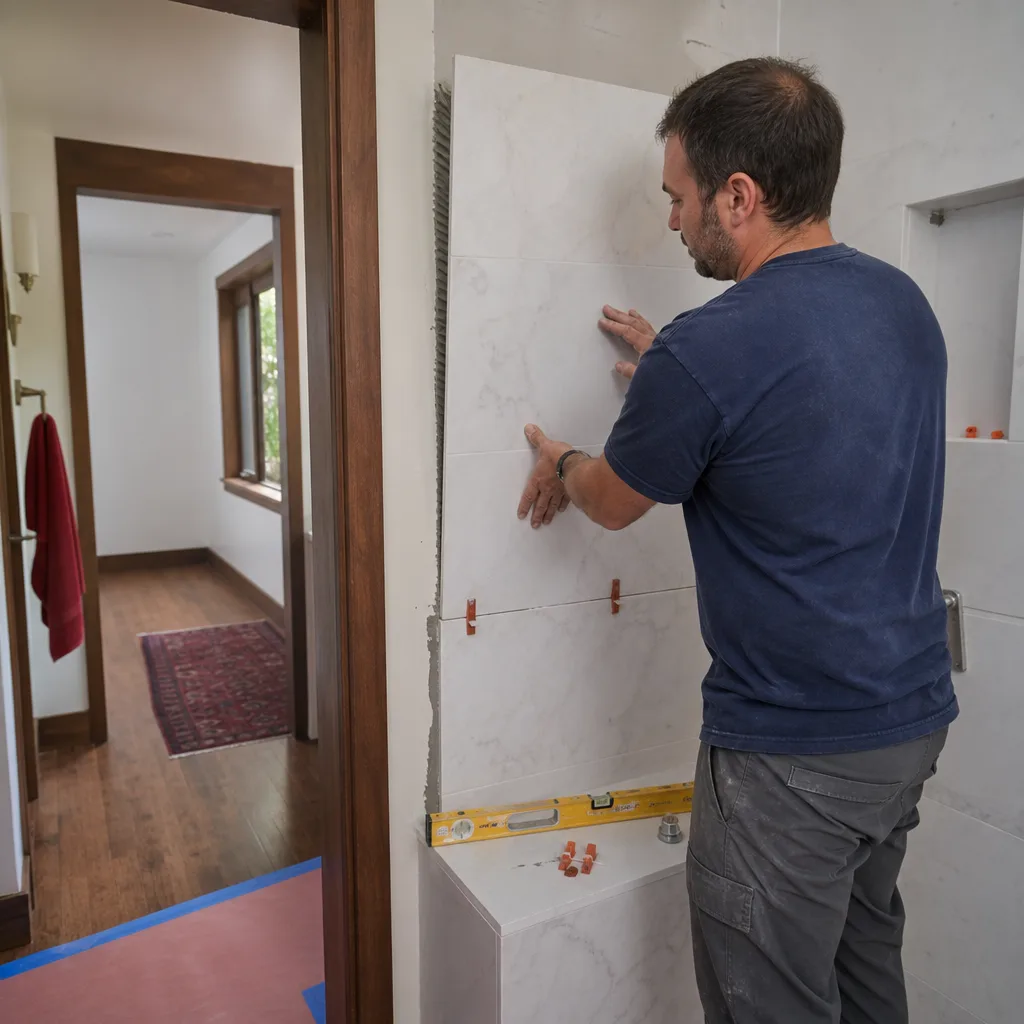
- Finish work (10 to 16 days). Cement board and waterproofing, tile setting, grout, vanity and countertop install, fixtures, paint, and final inspection. Tile is the slow part. A large-format shower with a linear drain and niche takes longer than a simple tub surround.
Add those up and you get a realistic 5 to 8 weeks of construction on a mid-range full bath, plus 3 to 5 weeks of planning and permit time ahead of it. That’s your honest number before anyone touches a tool.
Why a Santa Clara Permit Adds 2 to 3 Weeks
In Santa Clara, a bathroom project that moves plumbing, electrical, or walls requires a building permit, and the plan review behind it typically adds 2 to 3 weeks to your schedule. That’s not the city being slow for the sake of it. It’s the review protecting you. Skipping the permit doesn’t save that time; it just hides it until the day you sell or refinance and an inspector asks for the paperwork on a shower valve that was never signed off.
Here’s what a permit actually buys you at resale:
- A paper trail. A future buyer’s agent will ask whether the bathroom remodel was permitted. An unpermitted job can stall a sale or force a buyer credit. The two weeks you “saved” can cost you far more at the closing table.
- Rough-in inspection. Before the walls close, an inspector confirms the plumbing and electrical are safe and to code. A hidden shower leak or an over-fused circuit is caught while it’s cheap to fix.
- Final inspection. The sign-off that the finished work matches the approved plans.
We pull permits and pass inspections as a standard part of every Santa Clara bathroom project. The permit timeline is predictable, which is exactly why a written schedule can plan around it instead of being surprised by it. If you’re weighing a full remodel against a lighter refresh, our guide to Bathroom Remodeling in Santa Clara covers which scopes need a permit and which don’t. And when a bathroom remodel runs alongside a larger overhaul of the house, the sequencing gets more involved, which is where a General Contractor in Santa Clara earns their keep.
The Three Decisions Behind Most Overruns
In our experience, the majority of residential bathroom overruns trace back to three decisions, none of which happen on the jobsite. They happen at the design table, and they’re all controllable.
1. Tile selection
Tile is the single most common source of delay we see. A homeowner who hasn’t chosen a tile by demo day can’t have the shower waterproofed and set on schedule, and every day the tile isn’t on site is a day the finish crew is idle. Choose your tile, grout color, and trim pieces before demolition starts, not after. Order samples early, and know that special-order stone or a hand-made tile adds lead time over an in-stock porcelain.
2. Fixture and material lead times
Fixtures aren’t all sitting in a warehouse. A specific Grohe shower valve, a niche-sized vanity from KraftMaid, or a Cambria quartz countertop cut to your exact dimensions each carry their own lead time. Cambria and Silestone need templating after cabinets are set, which means they land late in the schedule by design. A faucet ordered on week six arrives on week nine. Lock these before demo. We source from recognized trade brands specifically so the products behind the guarantee are as solid as the promise, but even a good brand takes time to arrive.
3. Change orders
Every change after work starts pushes the schedule. A late decision to add a niche, move an outlet, or swap the vanity size ripples through the trades behind it. Changes aren’t forbidden, but each one belongs on the written schedule with the days it adds. A homeowner told “that’ll add about a week” up front can decide; a homeowner discovering it at the end can’t.
When tile, fixtures, and final selections are all locked before demo, the construction phase stops being a guessing game. That’s the whole thesis of a bathroom timeline: the phases you control decide the date you get.
What a Written Schedule Actually Looks Like
Verbal commitments are where timelines die. “We’ll be there Monday” is not a schedule; it’s a hope. A real written schedule tells you, phase by phase, who’s coming, what they’re doing, and which days they’ll be in your home. Here’s what ours looks like on a Santa Clara bathroom job, and what any contractor’s should contain:
- Phase dates, not just a start date. Demo begins March 3; rough plumbing and electrical March 6; rough inspection March 12; tile set March 17 through 22; vanity and countertop March 25. You can see the whole arc.
- Arrival windows, in writing. “Between 8 and 10 a.m.” is a commitment you can plan a day around. “Sometime Tuesday” isn’t.
- Which days are inspection days. These are fixed by the city, not the contractor, and they’re the anchor points everything else fits between.
- Order and delivery dates for materials. When the tile arrives, when the countertop gets templated, when the fixtures land. This is how you catch a back-order before it wrecks the schedule.
- What happens if something slips. A real schedule has a plan for the surprises, not a shrug.
A written schedule is a written price’s twin. The Kingswell Way puts it this way: say the price before the work, show up in the window we gave, leave the place cleaner than we found it. A schedule that names arrival windows is how the second promise gets kept. If “we’ll start next week” is followed by a truck that never shows, the whole timeline is fiction.
A Week-by-Week Skeleton for a Mid-Range Remodel
Here’s a simple week-by-week skeleton for a mid-range full bathroom remodel in Santa Clara, so you can hold any contractor to a real calendar. Your project may flex a few days either way, but if a contractor’s promise looks radically different from this, ask why.
- Weeks 1 to 2 (pre-demolition): planning and selections locked. Final layout, tile chosen, fixtures ordered, permit submitted. This is the phase that decides everything.
- Weeks 2 to 4: permit review. The city reviews the plans. You’re not idle; this is when materials ship and arrive.
- Week 5: demo and haul-away. One to three days of tear-out. Walls open, any hidden damage surfaces and gets priced before it’s fixed.
- Weeks 5 to 6: rough work and rough inspection. New plumbing, electrical, and framing. The inspector signs off before the walls close.
- Weeks 6 to 7: waterproofing and tile. Cement board, a Schluter or comparable waterproof membrane, then tile setting and grout. Tile takes as long as it takes; rushing it is how it fails.
- Week 7: cabinet vanity and template. Vanity set, countertop templated, paint touched up.
- Week 8: countertop install, fixtures, final touches. Cambria or quartz countertop in, faucets and shower trim installed, punch list worked.
- Week 8: final inspection and walkthrough. The city signs off, and you walk the room with the contractor before the last payment.
That’s a realistic 7 to 9 weeks from selection to final inspection for a mid-range full bath. A cosmetic refresh with no layout change runs 2 to 3 weeks. A full kitchen remodel alongside it is a different animal entirely; our Kitchen Remodeling in Santa Clara guide lays out that timeline. And if the project is really a whole-home remodel that happens to include the bathroom, the sequencing of trades across rooms changes everything, which is why starting from the Penhallow Remodeling Santa Clara home page and mapping the whole scope early keeps the calendar honest.
How to Hold Any Contractor to the Timeline
You don’t need to micromanage a remodel to keep it on track. You need to know which levers control the date and pull them at the right moment.
- Demand the written price before demo. A number in writing, not a ballpark. The price on day one should be the price on the invoice, so a schedule discussion isn’t tangled up with cost surprises.
- Ask for the written schedule with arrival windows. If they can’t put dates on paper, they can’t hold to them.
- Lock tile and fixtures before demo starts. No decision left to “we’ll figure it out,” because that’s where the weeks disappear.
- Confirm the permit is pulled. Ask to see it. A contractor who’s pulling the permit can tell you the review window in days.
- Ask what the guarantee covers and how long it lasts. A contractor confident in their work backs it in writing. Ours is the 365-Day Done Right Promise: if the work fails inside the guarantee period, we come back and fix it at no charge, and it’s covered in writing on every project. That confidence is the same reason we plan realistic schedules; a contractor who has to rush to get paid isn’t going to be around to honor a warranty.
You also want to know who’s in your home. Background-checked technicians who arrive in uniform, on the schedule, are part of the timeline’s integrity. A subcontractor you’ve never seen and a crew that rotates daily both make the schedule harder to hold.
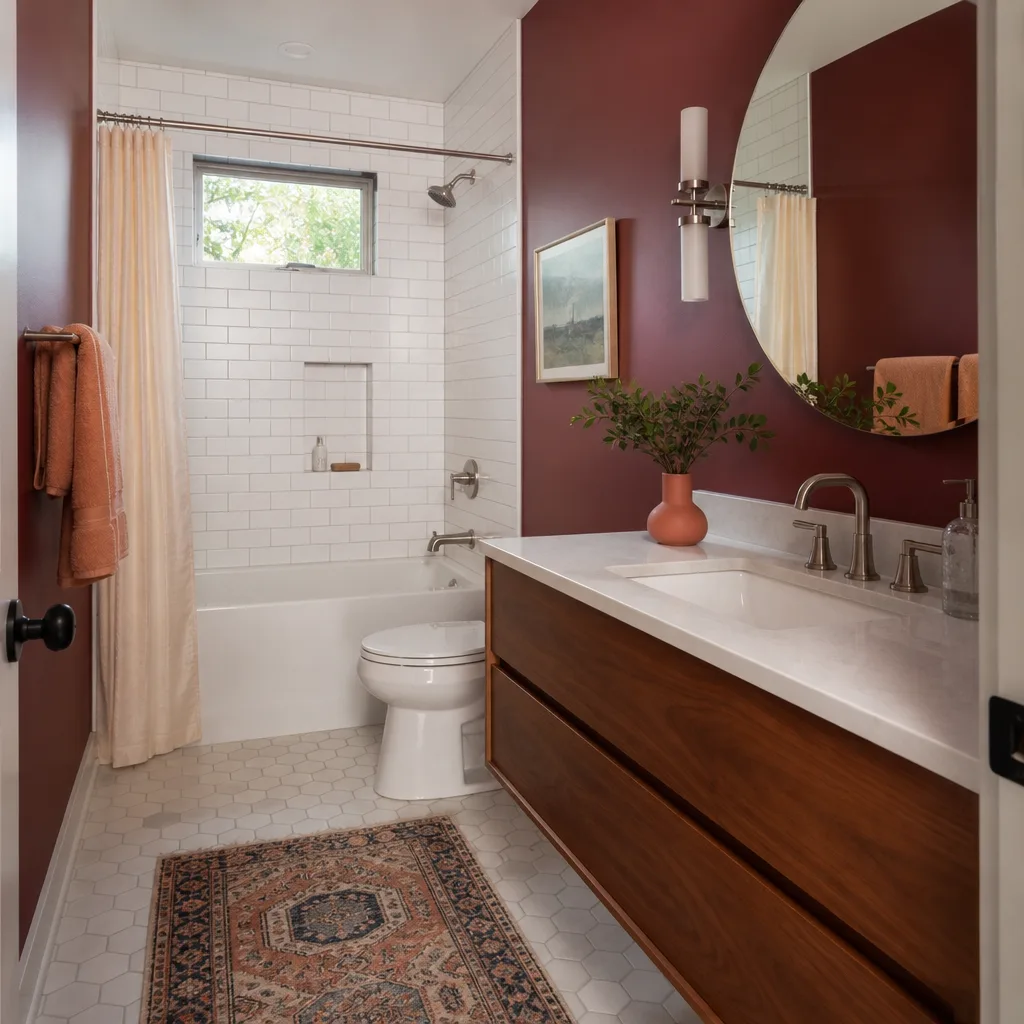
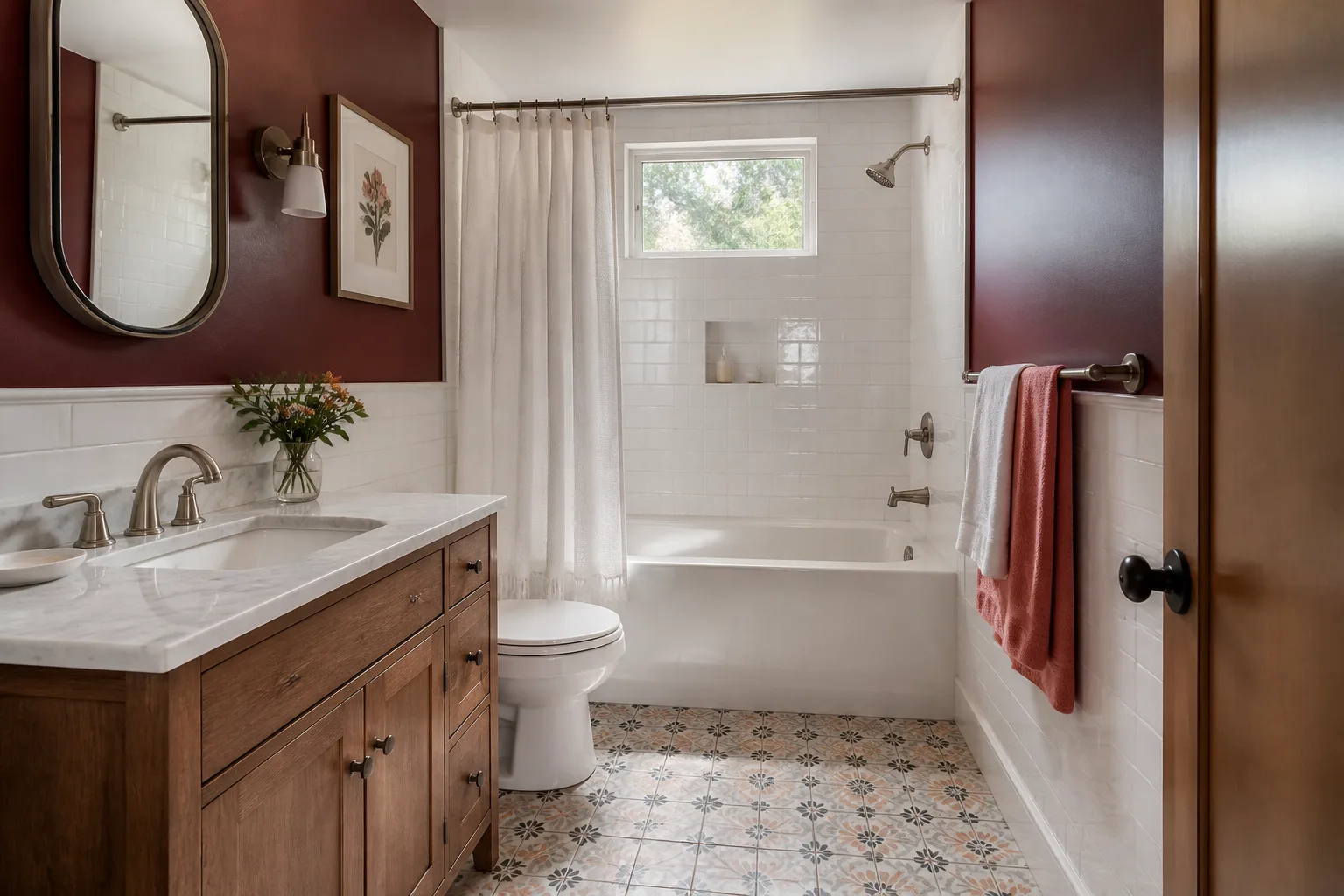
See the difference
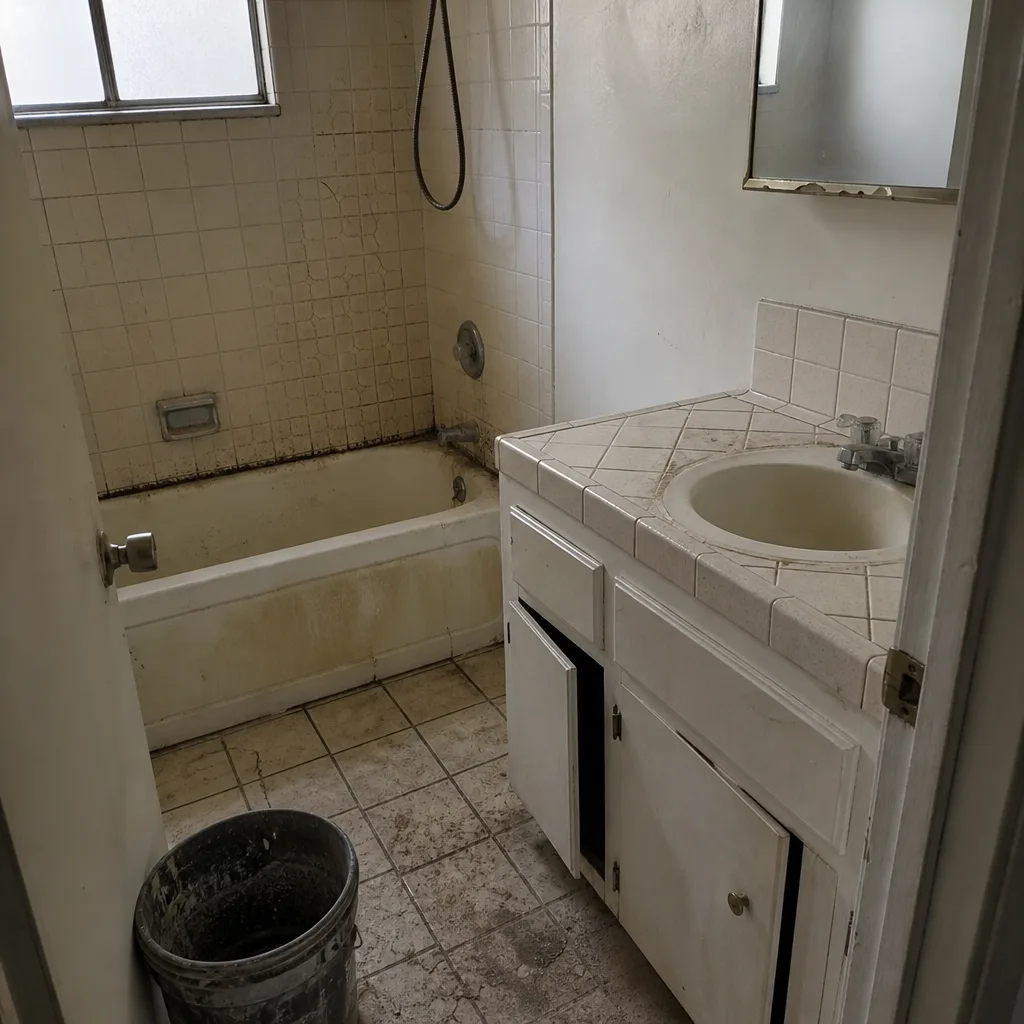 Before
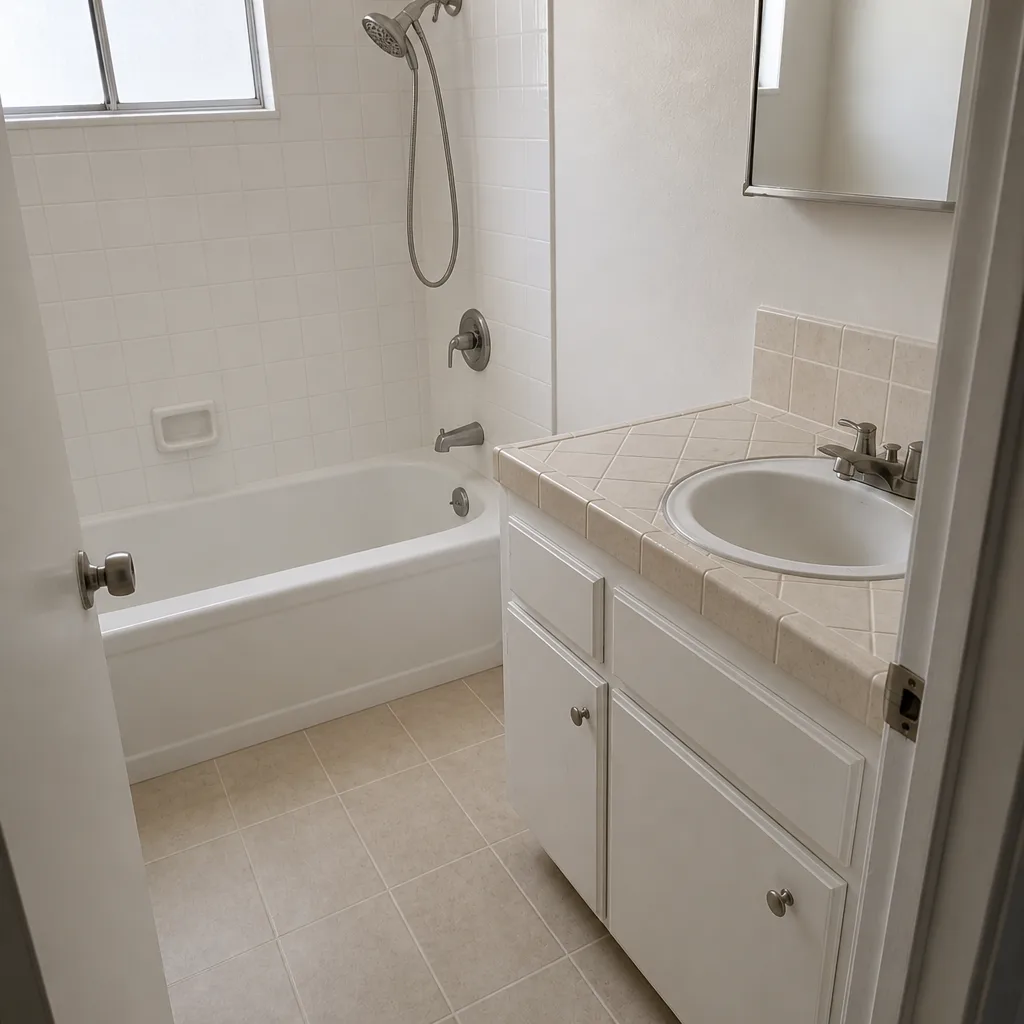 After
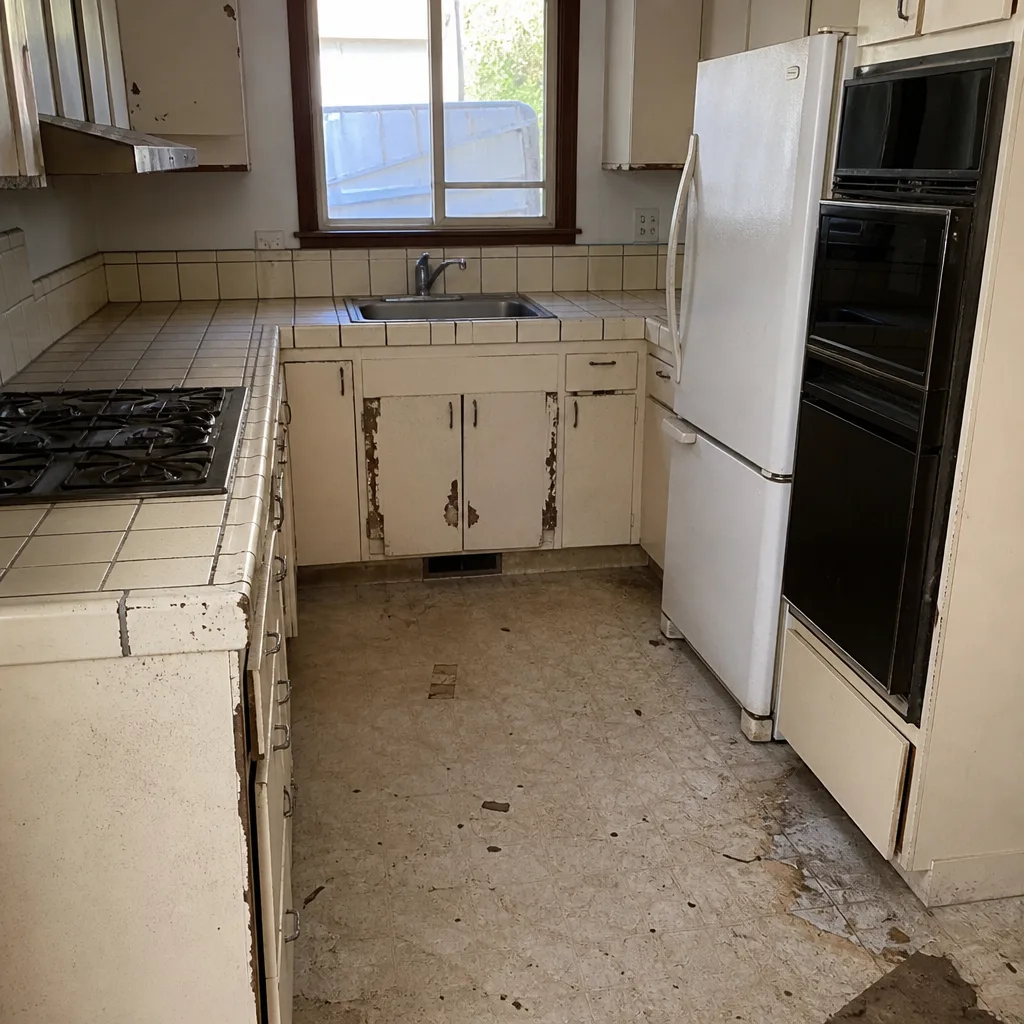 Before
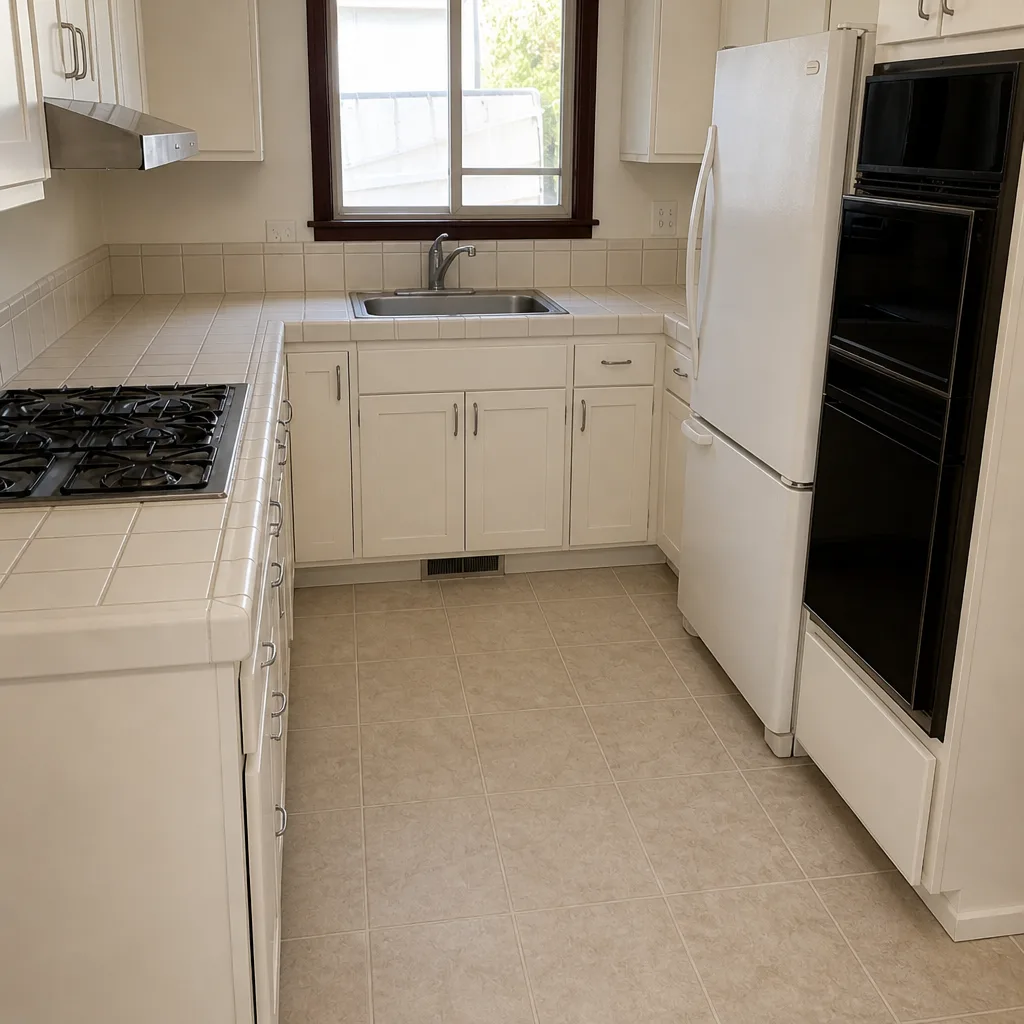 After
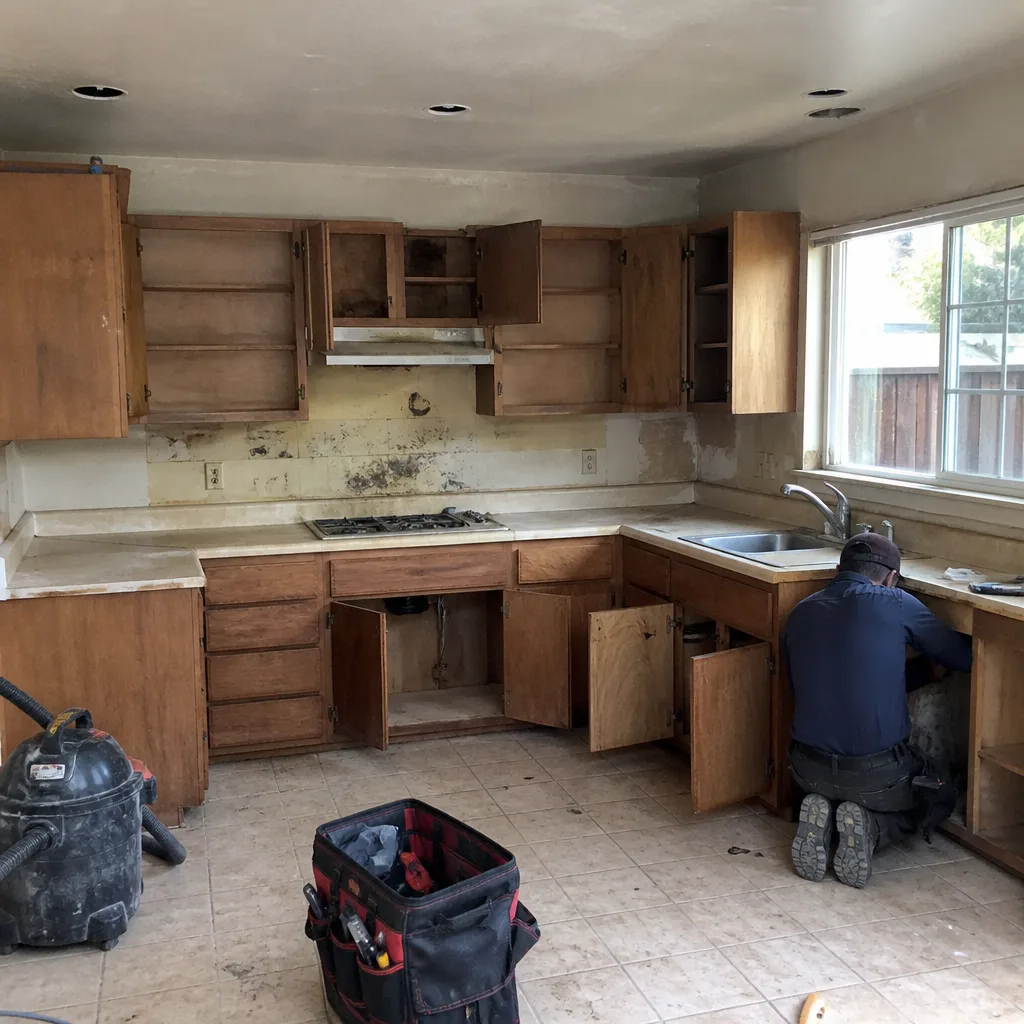 Before
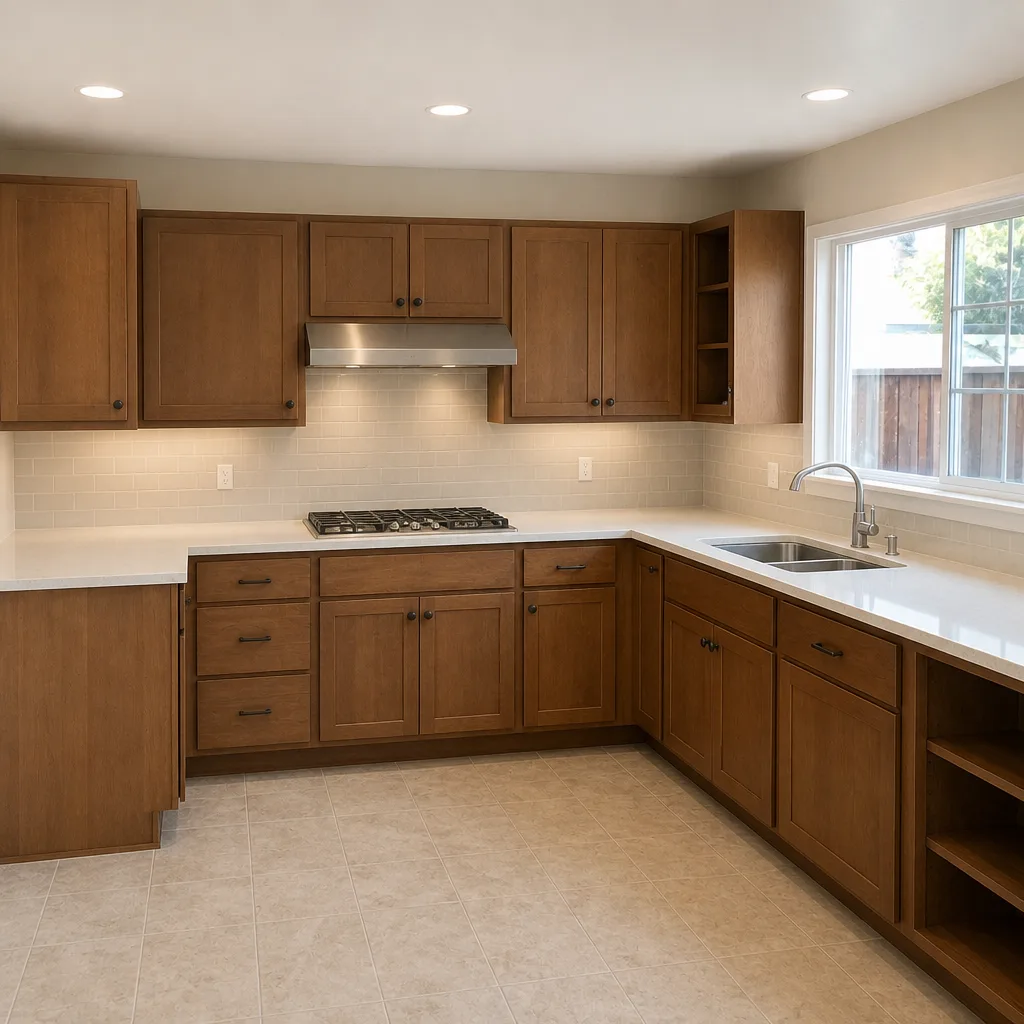 After
Common Mistakes to Avoid
- Choosing tile after demo day. Every day the tile isn’t chosen is a day the finish crew can’t start. Pick it before the walls come down, not after.
- Skipping the permit to “save time.” In Santa Clara, an unpermitted bathroom can stall a resale inspection and cost far more than the 2 to 3 weeks you thought you saved. Pull the permit.
- Taking a verbal estimate as a real number. A ballpark that changes after demo is where timeline and budget blow up together. Get the written price first.
- Believing “we’ll be there Monday.” Without arrival windows in writing, “Monday” becomes “next Monday” becomes “we’ll see.” A written schedule is what a real commitment looks like.
- Ordering fixtures late. A special-order valve, a niche vanity, or a cut-to-size quartz countertop each carry lead time. Ordering them on week six when they’re needed on week two is the most avoidable overrun here.
- Letting change orders stay verbal. Every added niche, moved outlet, or swapped vanity should be written into the schedule with its days. Verbal changes are how a six-week job becomes ten.
- Not knowing who’s entering your home. A one-day rotation of unknown subs is a scheduling nightmare and a trust gap. Ask what the background-check and uniform standard actually is.
- Forgetting the final inspection. A finished bathroom without a sign-off is unfinished. Build inspection days into the calendar from the start.
When to Call a Professional
Some bathroom work you can plan yourself. Some you shouldn’t touch. If you’re moving any plumbing drain or supply line, relocating electrical, or changing the room’s layout, you’re into permit and rough-work territory where a licensed contractor earns the schedule. Same goes for a failed shower pan, recurring moisture behind tile, or a bathroom that’s reached the point of a full gut. The math on a DIY move gets ugly fast once a hidden leak in Santa Clara’s older homes turns into a substrate replacement. Penhallow Remodeling Santa Clara offers free estimates in Santa Clara – call (833) 400-6838 and we’ll walk your room and give you a written price and a realistic schedule before anything starts.
Frequently Asked Questions
A full bathroom remodel takes about 8 to 13 weeks from first decision to final inspection, and that includes 3 to 5 weeks of planning and permit time before demo. The construction phases themselves run 5 to 8 weeks on a mid-range full bath. Call (833) 400-6838 for a free estimate and a written schedule for your specific room.
A Santa Clara bathroom permit typically adds 2 to 3 weeks because the city reviews plans before work can start. Skipping it doesn’t save that time; it just moves the delay to your resale inspection, where an unpermitted remodel can stall a sale. We plan around the review window and pull the permit as standard. Call (833) 400-6838 to talk through your project.
The three decisions behind most overruns are tile selection, fixture and material lead times, and change orders, all of which happen in planning, not construction. A late tile pick or a special-order fixture needed too early are the most common culprits. Lock these before demo and the construction phase stays on schedule. Call (833) 400-6838 for an exact quote – estimates are free.
No, not when the scope is defined and the price is written before demo. We give every homeowner a written price before any work starts, so the number on day one is the number on the invoice. A change you request mid-project is a written change order, priced before we do it, never a surprise at the end. Call (833) 400-6838 for a written number.
Yes – a written schedule with arrival windows is standard on every job. “We’ll be there Monday” isn’t a schedule; “between 8 and 10 a.m. on Monday, March 3” is. You’ll know the phase dates, the inspection days, and when materials arrive, all on paper. Call (833) 400-6838 to schedule a free estimate.
A cosmetic refresh with no layout change – new fixtures, paint, and maybe a new vanity – runs about 2 to 3 weeks, and it may not need a permit if no plumbing or electrical lines move. A full gut or a moved drain runs longer. Call (833) 400-6838 and we’ll tell you honestly which category your bathroom is in.
The Bottom Line
The calendar on your Santa Clara bathroom remodel is set before demo day, by how fast you lock tile, fixtures, and layout and by how well your contractor plans around the permit. Construction on a mid-range full bath runs 5 to 8 weeks; planning and permit time adds 3 to 5 more. Get the written price, get the written schedule with arrival windows, know what the guarantee covers, and confirm who’s coming into your home. Do those four things and the end date stops being a hope. Penhallow Remodeling Santa Clara is part of the Kingswell family of companies, and our technicians have up to 22 years of experience. Call (833) 400-6838 for a free estimate – we’ll give you a written price and a schedule you can hold us to.
Written by the team at Penhallow Remodeling Santa Clara.