
Last updated November 17, 2026








Free written scope consultation - allowances, timeline, and change-order rules on paper before a single trade is scheduled
Seasonal Construction Care for Santa Clara: Year-Round Homeowner’s Guide
Santa Clara gets roughly 15 inches of rain a year, and almost all of it falls between November and March. That single fact reshapes how you should think about home maintenance. You get five months where water is trying to find a way into your walls, your crawlspace, and your window frames, followed by seven months of dry heat and hard UV that quietly breaks down every seal, caulk line and painted surface those wet months stressed. Most homeowners tackle these problems in the wrong order, sealing in summer and painting in winter. This guide lays out a Santa Clara maintenance calendar built around the actual local climate, with month-specific tasks and the costs you should expect.
Quick Answer
Santa Clara’s seasonal home care runs on two clocks: a rain clock from November through March and a dry-heat clock from May through October. The highest-value tasks are pre-rain waterproofing checks in October (gutters, downspouts, flashing, exterior caulk), a post-rain structural inspection in April (crawlspace moisture, foundation perimeter), dry-season exterior work and HVAC service in June through September, and wildfire-smoke air-quality prep in late summer. Scheduling non-urgent work in the shoulder months of May and October usually means shorter waits and steadier pricing from Santa Clara contractors.
Styles & brands we work with
- Kitchen remodeling
- Bathroom remodeling
- Home additions & ADU
- Roofing
- Windows & doors
- Driveway & pavers
- Fence
Table of Contents
- Why Santa Clara’s “Mild” Climate Is Harder on Your Home Than It Looks
- The October Checklist: Beating the Rain Onset
- The April Structural Check: What a Wet Winter Leaves Behind
- June Through September: Exterior Work in the Dry Season
- Wildfire Smoke Season: Air Quality Prep for Santa Clara Homes
- Why Shoulder-Season Scheduling Pays Off in Santa Clara
- What Deferred Seasonal Care Actually Costs
- Common Mistakes to Avoid
Why Santa Clara’s “Mild” Climate Is Harder on Your Home Than It Looks
The weather app tells you Santa Clara has an easy climate. Warm days, cool nights, no snow, barely any extremes. That reading misses the real stress pattern, which is a sharp dry-wet-dry cycle repeated every year. Your home’s exterior materials expand through the dry months, contract through the wet ones, and repeat. Caulk that would last a decade in a steady climate can fail in three or four Santa Clara seasons because it’s asked to flex twice a year.
There’s a geography piece too. Santa Clara sits in the valley, which means summer heat builds and lingers, and the same valley that traps heat also holds smoke during wildfire season. Homes near the hillsides, in neighborhoods off El Camino and up toward the foothills, see more of both the heat load and the smoke exposure than flatter, older parcels near the center of Santa Clara.
Here’s the counterintuitive part: mild climates create complacency, and complacency is what turns a $400 maintenance task into a $9,000 repair. A homeowner in Minneapolis schedules gutter cleaning because the first freeze forces the issue. A homeowner in Santa Clara can skip it for two seasons and notice nothing until a fascia board has quietly rotted behind the gutter line.
Think of the year in four phases:
- Prepare (October): shut water out before the rain window opens.
- Survive (November through March): watch for intrusion, keep drainage clear.
- Assess (April): find what the wet months did and fix it before it spreads.
- Protect (May through September): do the exterior work and air-quality prep that the dry season makes possible.
Every task below fits into one of those phases. Our technicians have up to 22 years of experience watching how this cycle plays out across Santa Clara homes, and the pattern is consistent.
The October Checklist: Beating the Rain Onset
October is the highest-leverage month of the year for a Santa Clara homeowner. You have a narrow window to get ahead of the rain, and once the first real storm system parks over the valley, water finds every gap you missed. Do this work in the first half of October if you can.
- Clear the gutters and test the downspouts. Bag out the debris by hand rather than flushing it toward the downspouts. Then run a hose into each downspout and confirm water exits at the bottom within a few seconds. A downspout that backs up and overflows sends water straight down behind the siding.
- Check the grade and the downspout discharge. Downspouts should move water at least four to six feet from the foundation. If the discharge puddles against the slab, you’re feeding water into the exact spot you’re trying to protect.
- Inspect flashing at the roof-wall junctions, chimney, and window heads. Flashing is the metal that redirects water around a joint. Lifted, rusted or missing flashing is the single most common source of winter intrusion we see in Santa Clara.
- Walk the exterior caulk lines. Look at the joints around window frames, door frames, hose bibs and any penetration through the siding. Press a fingernail into the caulk. If it’s hard, cracked, or pulling away, it’s done and needs to be cut out and replaced before the rain.
- Look up at the roof from the ground with binoculars. Check for lifted, cracked or missing shingles. You don’t need to get on the roof – steep-slope work is a genuine fall hazard, and a professional inspection is worth the modest cost.
This checklist costs a Saturday and a tube of exterior-rated sealant. Skipping it is how you end up calling a contractor in January with water tracking down an interior wall. For scope questions about what a repair versus a replacement actually involves, our General Contractor in Santa Clara page covers the decision points.
The April Structural Check: What a Wet Winter Leaves Behind
April is when you find out what the winter did. The soil is still holding water, the crawlspace has had months to take on moisture, and the damage is either caught now or discovered in a much more expensive form later. For homeowners who have a crawlspace, this is the month to actually go look at it, or have someone look at it for you.
What to check in the crawlspace:
- Standing water or damp soil. Any standing water points to a drainage problem that needs correcting before next fall.
- Rust on metal fittings, or wood that stains or feels soft underfoot. These signal persistent moisture rather than a one-time event.
- Efflorescence – the white mineral powder that appears on concrete or masonry as moisture moves through and evaporates. It’s a sign water is migrating.
- Musty odor or visible mold growth on joists. Santa Clara crawlspaces often stay cool and humid through the wet months, which is exactly what mold wants.
At the foundation perimeter, the check is different. Look for new cracks in the visible foundation, especially diagonal cracks at the corners of window or door openings in the walls above. Check that the soil line hasn’t settled away from the foundation, leaving a gap that will channel water straight down. And look at the interior drywall just above the baseboards along exterior walls for any bubbling, staining, or fresh paint that’s peeling – a subtle sign of moisture wicking up from below.
April is also the smart month for any interior project you’ve been putting off, since the wet season is over and the dry season hasn’t yet filled contractor schedules. If a bathroom has been showing the same recurring moisture problem every spring, it may be time to address it at the source. Our Bathroom Remodeling in Santa Clara page walks through how wet-area waterproofing actually works.
June Through September: Exterior Work in the Dry Season
The dry season is when exterior work actually sticks. Paint, sealant, and deck coatings all need dry, moderate conditions to cure properly, and Santa Clara’s June-through-September window delivers that. There’s a scheduling catch, though: everyone else figures this out in July. The smart move is to book the work before the heat-wave rush and avoid the mid-summer backlog.
What the dry season should cover:
- Exterior paint. A proper recoat protects against UV and the flexing that follows. If your siding is wood or fiber cement, walk the walls looking for chalking, peeling, and fuzzing. Fiber cement – the compressed cement-board siding, of which James Hardie is a common brand – typically holds paint well in this climate but benefits from a wash and recoat on a sensible cycle.
- Deck and wood sealer. Water should bead on a properly sealed deck, not soak in. Test by splashing a glass of water on a board. If it absorbs in seconds, it’s due.
- HVAC service. Get this done in late spring or early summer, before the first heat wave brings a scheduling rush. A seasonal service call is far cheaper than an emergency repair in August.
- Caulk refresh at exterior joints and interior wet areas. The dry months are when you can apply a fresh seal line and trust it to cure cleanly.
If you’re considering a larger exterior or whole-home project, the Penhallow Remodeling Santa Clara home page lays out how we handle scope, written pricing, and the job timeline before any work begins. Dry-season scheduling is also the right window for the kind of project that benefits from paint and siding work being completed alongside other improvements.
Wildfire Smoke Season: Air Quality Prep for Santa Clara Homes
Santa Clara sits in a valley that traps smoke. During a bad wildfire year, the air quality south of the bay can be noticeably worse than on the coast, and the smoke period tends to overlap the hot, dry months. Preparing your home for it is a May or June task, not something you scramble in August when the sky turns orange.
Two priorities: air filtration and vent screening.
- Upgrade to a higher-MERV HVAC filter before smoke season, but only if your system is rated for it. A filter with a higher MERV rating catches finer smoke particles, but an undersized return duct or an older system may not handle the higher pressure drop. Check your system’s rated maximum, or have it checked. The wrong filter can shorten equipment life.
- Inspect attic vent screens. Attic and gable vents pull in outside air, which means they pull in smoke. Ensure the screens are intact and properly sized; loose or torn screen lets both embers and fine particulate through. This is also an ember-exposure issue during a fire event.
- Consider a portable HEPA unit for one or two rooms if you have family members with asthma or other respiratory sensitivities. A single well-chosen unit in a bedroom can make a real difference on a bad-air day.
- Seal obvious air gaps – around window frames, under doors, and at penetrations – the same gaps your October caulk walk would find. Fixing them serves double duty.
Smoke prep and rain prep share a target list: the envelope of the house, where air and water both find their way in. In our experience, a homeowner who does the October caulk check has already done half the work of a smoke-season tightening the following spring.
Why Shoulder-Season Scheduling Pays Off in Santa Clara
May and October are the shoulder months: the weather is good, the demand hasn’t peaked, and contractors have room on their calendars. That’s worth planning around if you’re pricing a project. During peak summer, wait times for good contractors in Santa Clara stretch and pricing is firm because everyone is booked. In the shoulder months, you get more scheduling flexibility and more time to make careful material decisions rather than rushing a choice.
There’s a cost angle too. Materials – cabinetry, counters, fixtures – get quoted and sourced on lead times. Booking in October for an interior project that runs over the winter means your contractor can order materials without a rush premium and schedule the skilled trades without competing for the tightest weeks of the season.
That’s the reasoning behind a written price up front. We provide a written number before any work starts, so the number on day one is the number on the invoice. Shoulder-season scheduling is a way to make that number work harder for you. Our Kitchen Remodeling in Santa Clara page shows how a project’s scope, cabinets and counter material drive the total – for example, whether you choose a semi-custom line like KraftMaid or Weilborn versus a stock option can move the number meaningfully.
What Deferred Seasonal Care Actually Costs
The real argument for a maintenance calendar is the math of what skipping it costs. Here’s what we’ve seen in Santa Clara homes, framed as typical project ranges so you can weigh prevention against repair.
Prevention items (annual):
- Gutter and downspout clearing: $150-$450 depending on home size and access
- Exterior caulk refresh: $200-$600 for a typical single-story home
- Roof/flashing inspection (on the ground or low-slope access only): $150-$350
- HVAC seasonal service: $150-$300
Repairs if you skip them:
- Rot repair behind a clogged gutter and rotted fascia: $1,500-$5,000+
- Interior drywall and paint repair from a window flash water intrusion: $1,000-$4,000
- Crawlspace moisture remediation and mold treatment: $2,500-$8,000
The pattern is consistent: a few hundred dollars a year in prevention against thousands in repair. For an exterior repaint, most Santa Clara homes run several thousand dollars depending on square footage and prep. That’s the right order of operations: protect before replacing.
Common Mistakes to Avoid
- Sealing or painting in the wet season. Exterior caulk and paint need dry, moderate conditions to cure. Applying them in November or December means they’ll fail before spring.
- Skipping the crawlspace check. Out of sight, out of mind is how a small moisture problem becomes a structural one. April is the month to look.
- Using the wrong HVAC filter in smoke season. A higher-MERV filter only helps if your system is rated for it. An oversized filter can reduce airflow and strain the equipment.
- Waiting for the mid-summer rush. Booking exterior paint and HVAC service in July means longer waits and less scheduling flexibility than a May or June booking.
- Cleaning gutters without testing downspouts. A clean gutter that drains into a clogged downspout still overflows. Test flow, not just debris.
- Assuming a mild climate means low maintenance. Santa Clara’s dry-wet cycle flexes materials twice a year. That’s real wear even though the weather never looks dramatic.
- Accepting a verbal estimate. A verbal ballpark has a way of changing after demo. Get the number in writing before the first cabinet comes out.
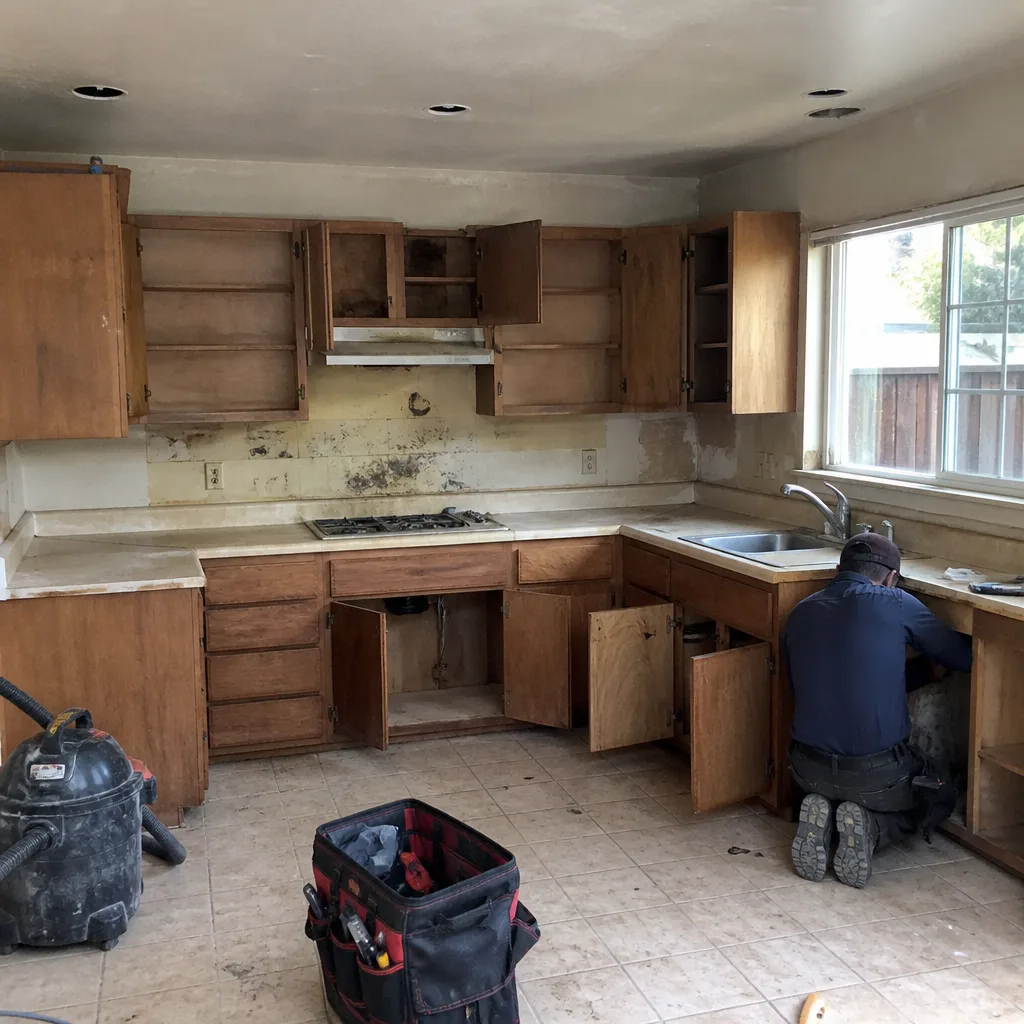
See the difference
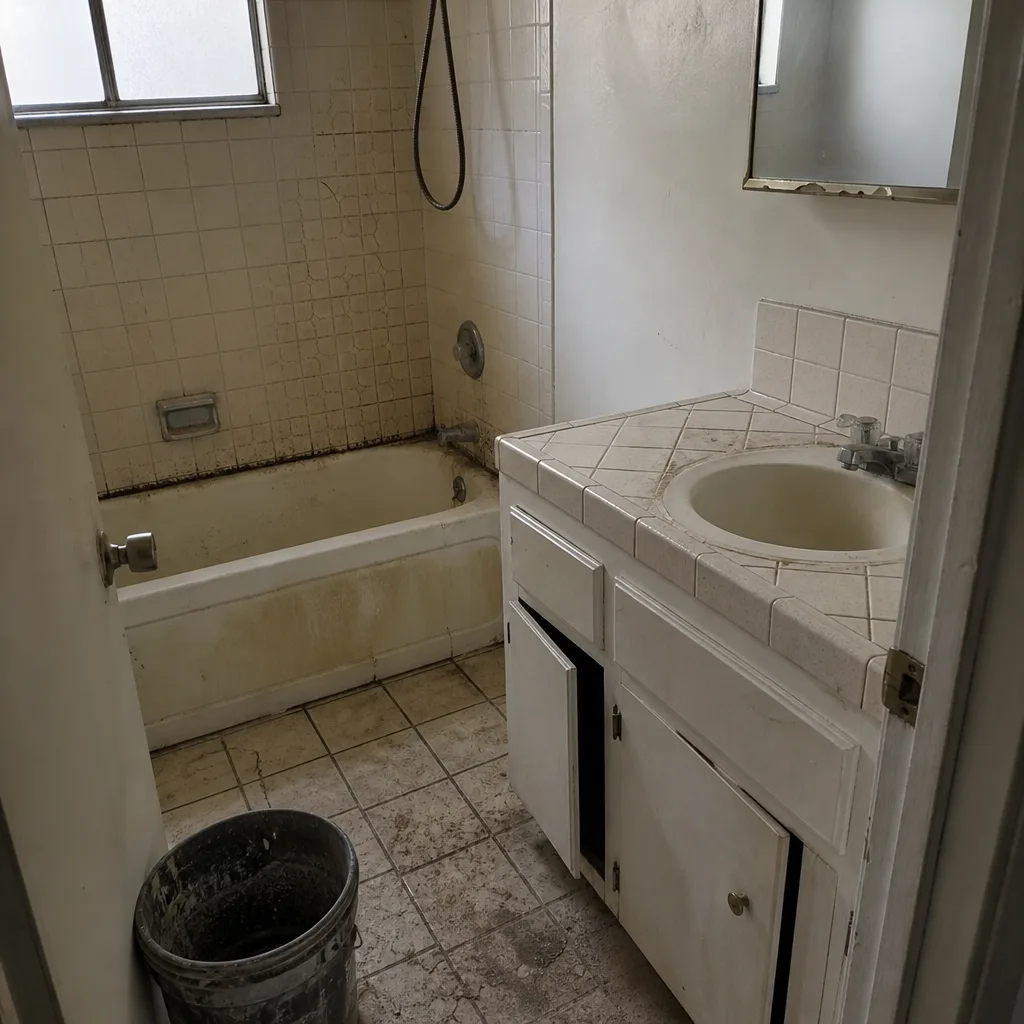 Before
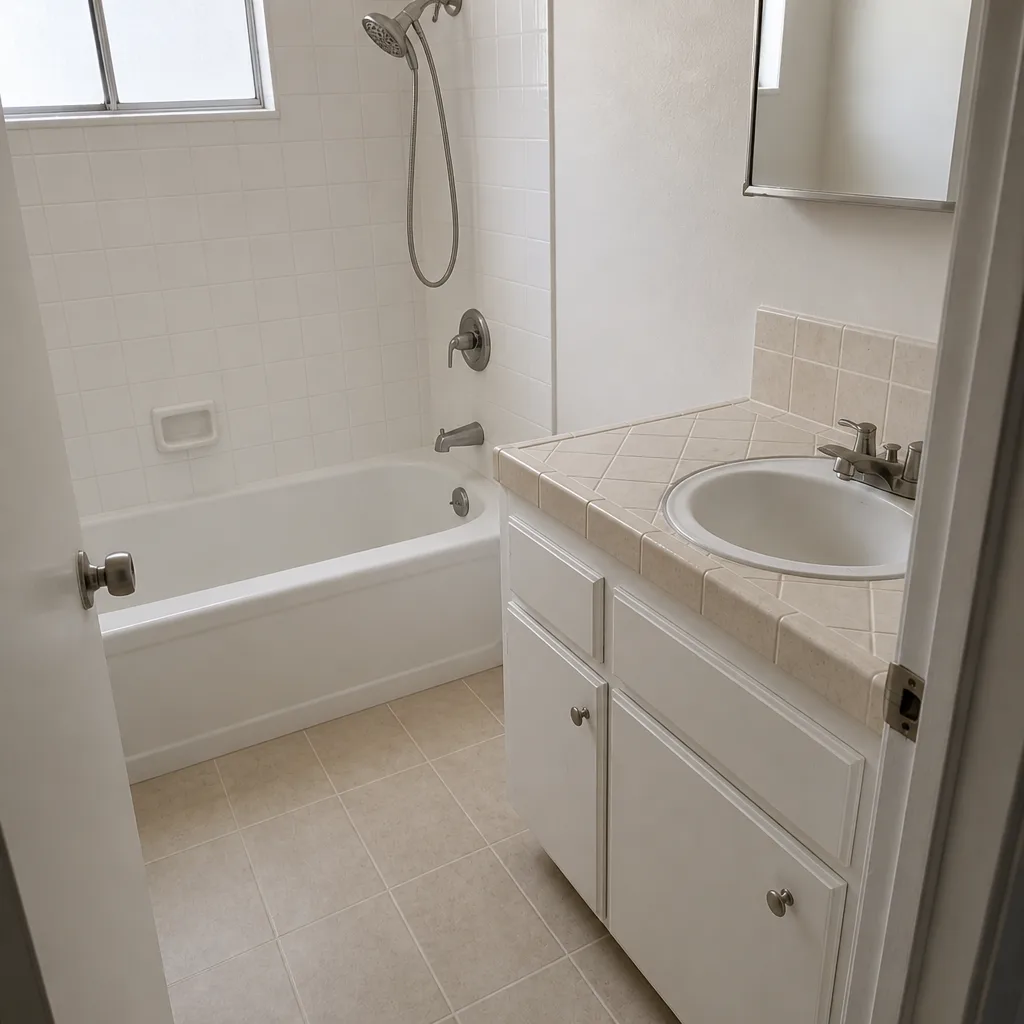 After
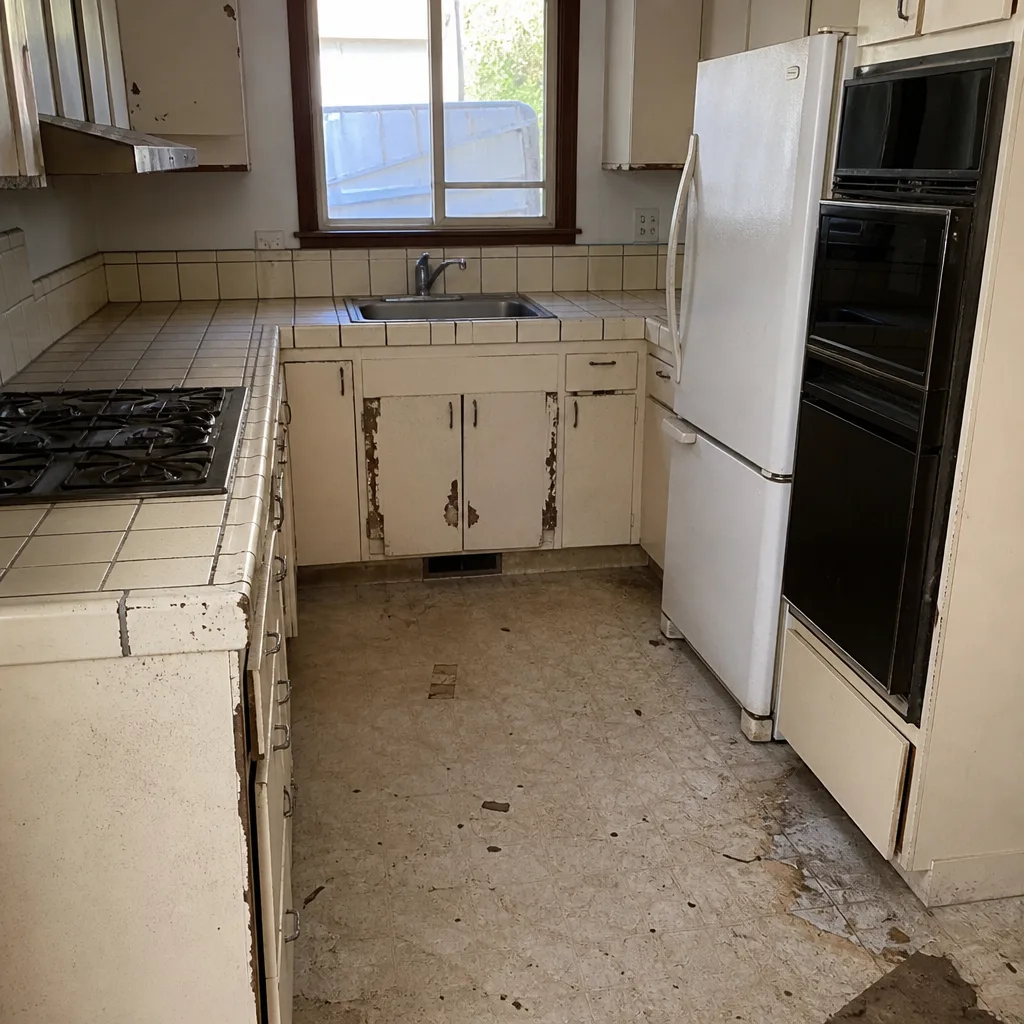 Before
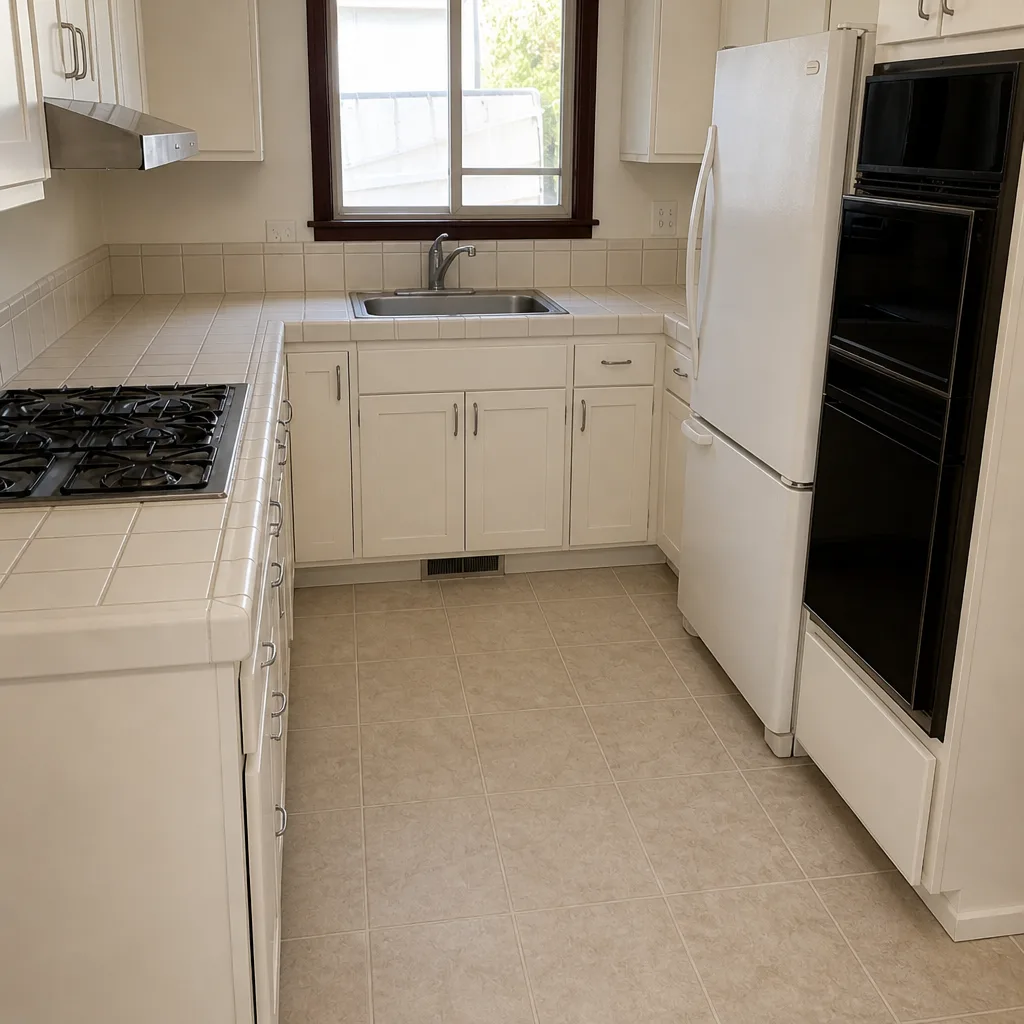 After
 Before
 After
When to Call a Professional
Some seasonal tasks you can own: gutter clearing, caulk inspection, filter changes, and the walk-around. Others belong with a trained professional, either because they carry real safety risk or because the diagnosis matters. Get help when you find water staining on interior walls or ceilings, when a crawlspace shows standing water or mold, when roof flashing or shingles need repair, or when an exterior repaint is due and you want the prep done right. If a repair you’ve already had fails again, call us – a free return visit is part of how we work. Penhallow Remodeling Santa Clara offers free estimates in Santa Clara – call (833) 400-6838 to schedule yours.
Frequently Asked Questions

The best window is the first half of October, before the rain season begins in November. Clearing gutters and testing downspouts before the first storm prevents the water intrusion that clogs cause through the winter. If your home sits under trees, add a second cleaning in late winter.
Yes. The mild climate hides the stress, but the annual dry-wet-dry cycle still flexes caulk, paint and exterior joints twice a year. The damage is quiet and cumulative, which is exactly why a calendar helps. Call (833) 400-6838 for a free estimate if you’re not sure where your home stands.
Check for standing water, damp or soft wood, rust on metal fittings, white mineral powder on concrete, and any musty odor or visible mold on joists. These signs point to persistent moisture that needs correcting before it spreads. A professional inspection is worth it if you find any of them.
Upgrade to a higher-MERV filter only if your system is rated for it, then confirm your attic vent screens are intact. Seal obvious air gaps around windows and doors. For respiratory-sensitive households, a portable HEPA unit in a bedroom helps on bad-air days.
Annual prevention runs a few hundred dollars: gutter clearing $150-$450, caulk refresh $200-$600, roof and flashing inspection $150-$350, HVAC service $150-$300. Skipping these runs into the thousands when rot or intrusion repair is needed. Call (833) 400-6838 for an exact quote – estimates are free.
No. We provide a written price before any work starts, so the number on day one is the number on the invoice. That’s part of how we operate, and it’s covered in writing along with our 365-Day Done Right Promise – if the work fails inside the guarantee period, we come back and fix it at no charge.
The Bottom Line
Santa Clara’s climate is mild on paper but hard on a house in practice, because the rain window and the dry-heat stretch each do their own kind of damage. The fix is a calendar, not a scramble: pre-rain waterproofing in October, a crawlspace and foundation check in April, exterior work and HVAC service in the dry months, and smoke-season prep before the heat arrives. Schedule the non-urgent work in May and October to avoid the peak-season backlog and get steadier pricing. Do that, and you spend a few hundred dollars a year protecting against thousands in repairs.
If your seasonal walk turns up something bigger than a caulk line, or you’re ready to price a repair or a remodel, Penhallow Remodeling Santa Clara offers free estimates in Santa Clara – call (833) 400-6838 to schedule yours. You’ll get a written price before any work starts.
Written by the team at Penhallow Remodeling Santa Clara.