Last updated November 17, 2026





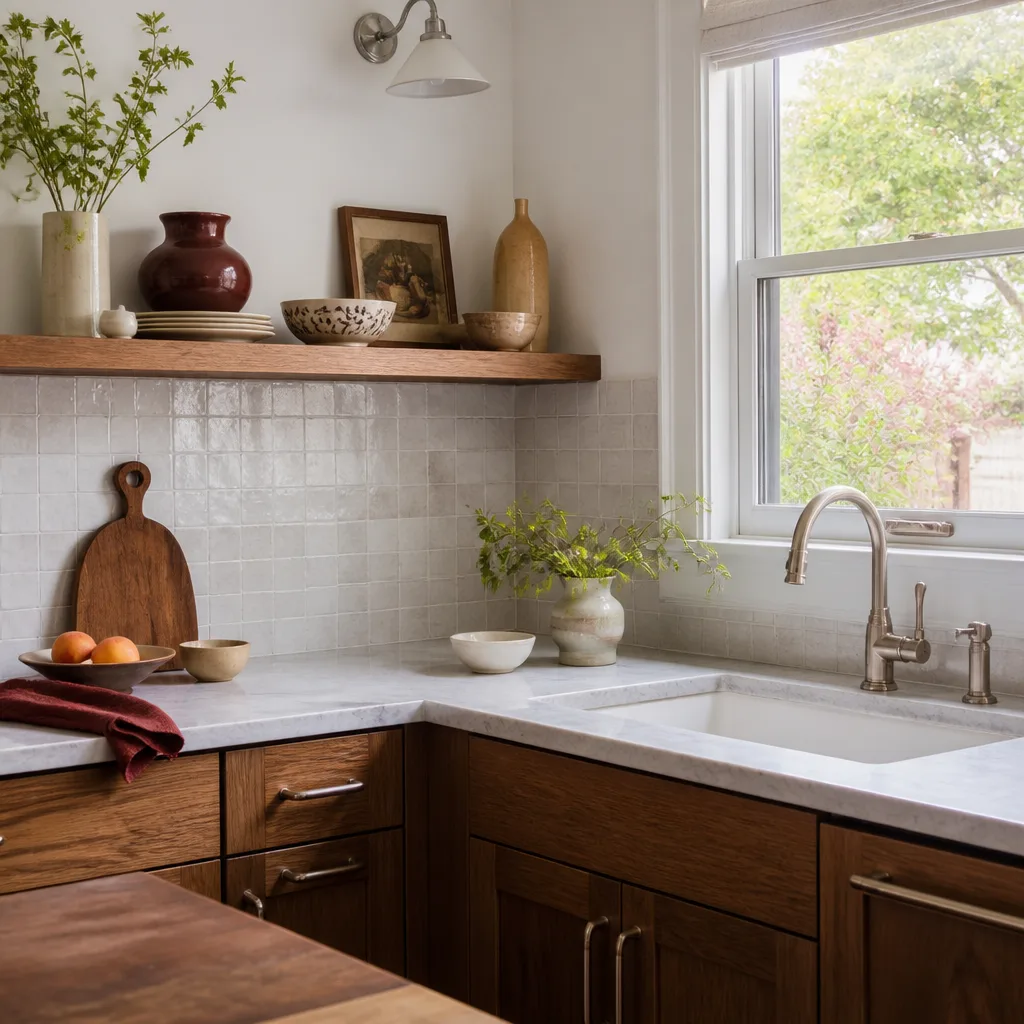
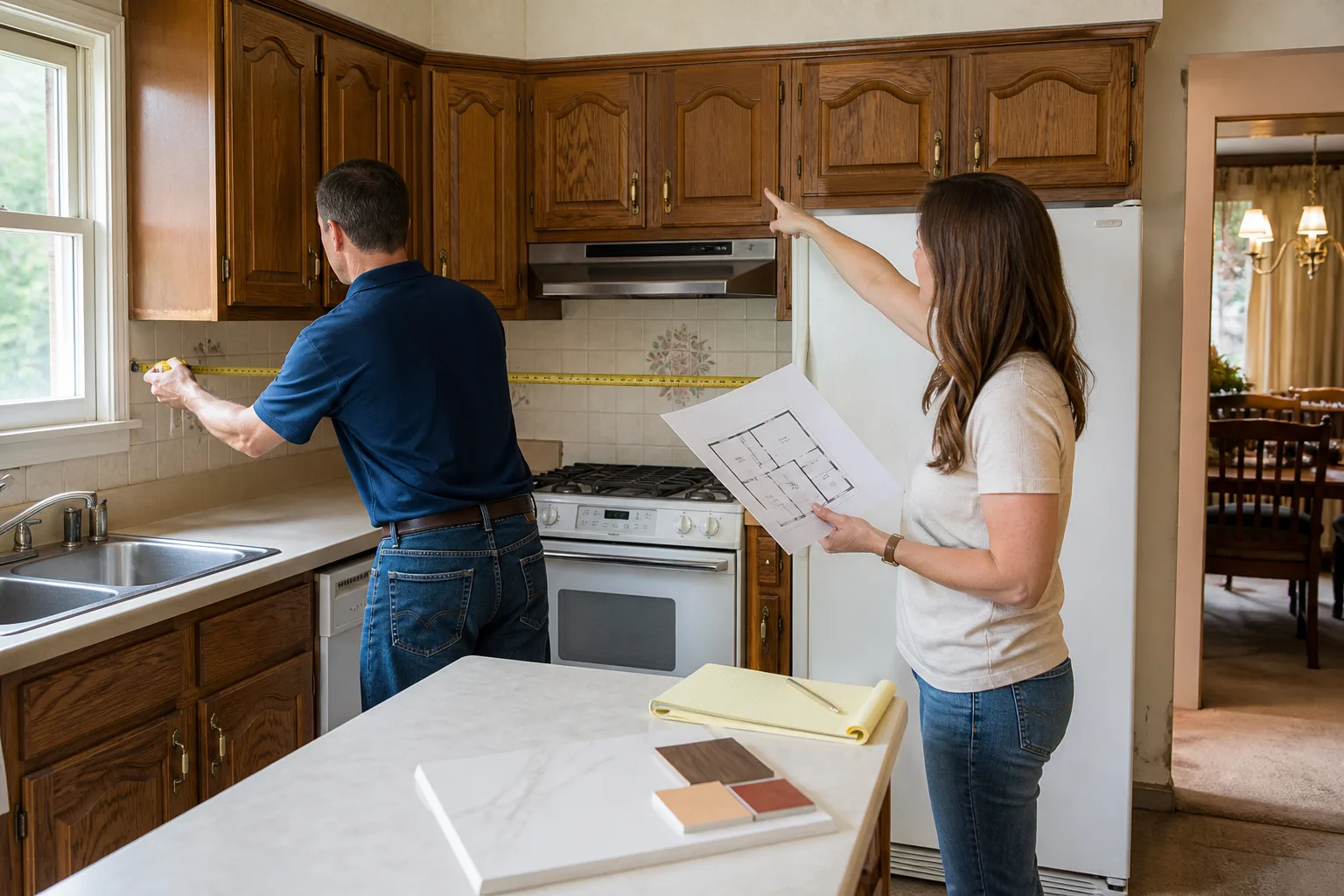
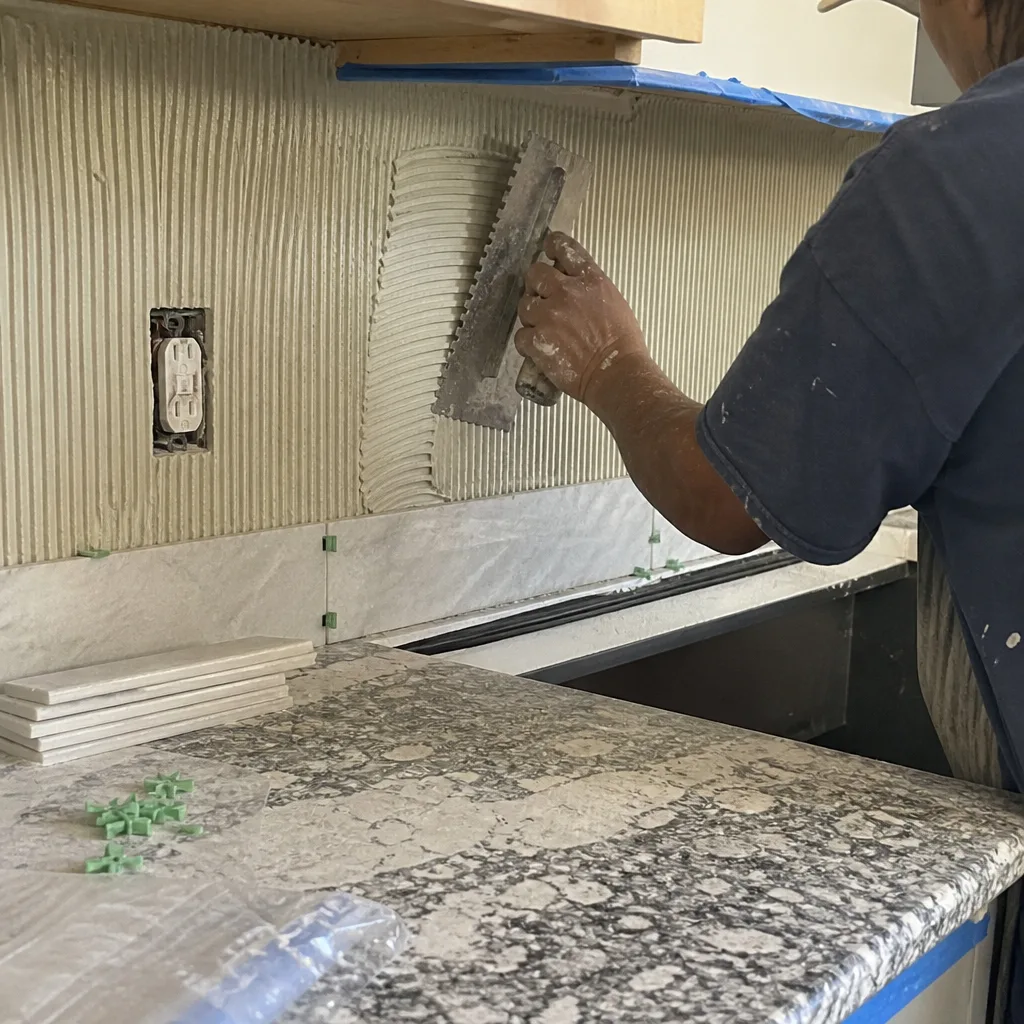
Free written scope consultation - allowances, timeline, and change-order rules on paper before a single trade is scheduled
How to Hire a Construction Contractor in Santa Clara: A Step-by-Step Guide
The contractor who gives you the lowest verbal estimate in Santa Clara has the most room to raise it after demo. That’s not a knock on any one company. It’s arithmetic. A number spoken aloud at the kitchen table creates no ceiling, and once the walls are open and your cabinets are in a dumpster, you’re negotiating from the weakest position you’ll ever hold. Without a written price in hand before work starts, nothing stops that first friendly figure from becoming a very different invoice. This guide is built to keep that from happening. By the end you’ll know how to read a California license classification, what to ask about Santa Clara permit history, what a real written estimate contains, and which contract terms quietly protect the contractor instead of you.
Quick Answer
To hire a construction contractor in Santa Clara, verify the contractor’s California license classification matches your actual scope of work, confirm they’ve pulled permits for comparable projects in the city, and get a written line-item price with a payment schedule tied to completed milestones before anyone touches your home. Then check the contract for change-order language, warranty terms, and what the guarantee excludes. A cheap verbal bid is not a bid; it’s an opening offer the contractor can revise later.
Styles & brands we work with
- Kitchen remodeling
- Bathroom remodeling
- Home additions & ADU
- Roofing
- Windows & doors
- Driveway & pavers
- Fence
Table of Contents
- Step 1: Verify the License Class, Not Just the License
- Step 2: Ask Hard Questions About Santa Clara Permits
- Step 3: Read the Written Estimate Like a Contract
- Step 4: Spot the Red Flags in the Contract Itself
- Step 5: Evaluate the Guarantee, Not the Buzzword
- The Questions to Ask Before You Sign
- Common Mistakes to Avoid
- Frequently Asked Questions
Step 1: Verify the License Class, Not Just the License
Most homeowners stop at “do you have a license?” That question is too easy. Every legitimate contractor in Santa Clara will answer yes, and the answer tells you almost nothing. The useful question is: what class of license, and does it match the work you’re actually having done?
California classifies contractor licenses by the type of work allowed. The ones you’ll encounter on a residential remodel:
- Class B (General Building Contractor): can take a prime contract on projects involving two or more unrelated trades. This is what you want for a kitchen or bathroom remodel, where framing, plumbing, electrical, tile, and cabinetry all come together.
- Class C-36 (Plumbing), C-10 (Electrical), C-33 (Painting), and similar specialty classes: each limited to its own trade. A C-36 plumber can do your plumbing, but can’t legally run the whole remodel as prime contractor.
- Class A (General Engineering): infrastructure and large-scale work. Rarely relevant to a home remodel.
Why this matters in practice: a specialty contractor who offers to “handle everything” on a Santa Clara whole-home remodel is either operating outside their license class or quietly subcontracting the rest to someone you never met. Both scenarios leave you with less protection than you think. Pull the license number on the state board’s lookup tool and confirm three things: the class, that it’s active, and that the business name matches exactly who you’re writing the check to.
One more layer people miss. A license can be active while the business carries no workers’ compensation coverage, which matters the day someone gets hurt in your house. If the license record shows an exemption, ask who’s actually doing the work.
Step 2: Ask Hard Questions About Santa Clara Permits
Permits are where local experience separates a smooth project from a stalled one. Santa Clara has its own permit process, its own inspection timelines, and its own reviewers, and a contractor who’s never pulled a residential remodel permit in the city is learning on your job. That’s a tuition you don’t want to pay.
The questions to ask before signing anything:
- “Have you pulled a residential remodel permit in Santa Clara before, and can you point to one?” A competent contractor will name a recent project or describe the process from memory. A vague answer is a warning.
- “Who pulls the permit: you or me?” It should be the contractor. If a homeowner pulls an owner-builder permit, the homeowner takes on the inspection risk and, in many cases, loses certain consumer protections.
- “How do you handle plan review corrections?” Plans come back with comments. Ask whether corrections are built into the price or billed as extras. This is a real line item in the Bay Area.
- “What’s your realistic inspection timeline right now?” Not the best case. The number they expect.
- “Will the permit be in your name on the job site?” It should be, and it should be visible.
Santa Clara’s housing stock adds a wrinkle here. A lot of homes in neighborhoods like Old Quad and the streets around Santa Clara University were built between the 1920s and 1950s, which means knob-and-tube wiring, cast-iron drains, or unpermitted additions from a prior owner are common surprises once a wall opens. A contractor with real Santa Clara permit history knows to check for these during the walkthrough, not after demo. If they don’t raise the question, raise it yourself.
Unpermitted work is a specific risk in Santa Clara. If a prior owner converted a garage or added a bathroom without a permit, a new remodel can force you to legalize that old work at your cost. Ask your contractor to pull the permit history on the property before you sign. It’s public record, it takes minutes, and it can save five figures.
Step 3: Read the Written Estimate Like a Contract
A written estimate only protects you if it’s detailed enough to hold someone to. “Ballpark $40,000, give or take” on a napkin is not a written price. It’s a verbal estimate with better penmanship. Here’s the difference, on paper:
What a legitimate written estimate includes:
- A line item for every trade: demolition, framing, plumbing, electrical, drywall, tile, cabinetry, countertops, fixtures, finish work, cleanup, disposal.
- Named product lines and allowances with dollar figures, not “standard fixtures included.” Vague allowances are where budgets die.
- Whether the permit fee is included or billed separately, and at what amount.
- An explicit statement of what’s excluded, in writing.
- A defined payment schedule tied to milestones, not to dates.
- The warranty terms, spelled out.
What a ballpark leaves out: essentially everything above. The most common gap is the allowance. A contractor who lists “countertops: $3,000 allowance” and then installs a line that costs $9,000 has a legitimate change order worth $6,000, and nothing in the contract stops it. Ask what brand and material the allowance covers. If the number can’t actually buy the material you’ve discussed, the allowance is bait.
For a realistic sense of what a Santa Clara kitchen remodel runs: your typical project lands between $18,000 and $55,000 depending on layout, cabinet line, and countertop material, with the upper end appearing in older homes where hidden conditions and permit corrections stack up. A bathroom sits lower but still carries real range once tile work and substrate repair enter the picture. Use the written estimate to see where your number lands within that range, and ask what would push it up or down. If the contractor can’t answer with specifics, they don’t know the local market well enough. For a fuller picture of what drives those numbers, our kitchen remodeling in Santa Clara page breaks down where the cost actually goes.
Step 4: Spot the Red Flags in the Contract Itself
The estimate tells you the price. The contract tells you how much you’ll actually pay when the project goes sideways, which it sometimes does. Read for these specific terms:
- Vague change-order language. “Additional work to be billed at agreed rates” without stating those rates is a blank check. Every change order should require your written signature with a stated price before work continues.
- Payment schedules front-loaded toward the contractor. A legitimate schedule keeps the contractor’s payment behind their completed work. Paying 50% up front puts you in a position where, if the crew stops showing up, you’ve funded nothing in return. Milestone-based payments with a final payment after inspection and punch list are the standard to hold.
- Missing warranty terms. If the contract says nothing about what happens after the job is done, assume the answer is “nothing.” A warranty should be a written document with defined coverage and duration.
- No stated completion date or damages clause. A project without a realistic schedule isn’t delayed; it’s open-ended.
- Verbal-only assurances about permits. If the estimate doesn’t name who pulls the permit and who pays for it, assume you do.
The pattern to remember: a contract protects whoever wrote it. Every line that’s vague leans toward the person who can interpret it later, and that’s never the homeowner. If something reads unclear on paper, get it changed in writing before you sign. A contractor with nothing to hide will update a clause without argument.
Step 5: Evaluate the Guarantee, Not the Buzzword
“One-year workmanship warranty” is a phrase nearly every contractor in Santa Clara uses, and it can mean almost anything. The useful exercise is separating what such a warranty actually covers from what it typically excludes in California.
What a real workmanship warranty covers: defects in the contractor’s own labor. Tile that lifts, a door that won’t hang plumb, cabinets that sag from bad installation, a shower that leaks because of how the pan was set.
What it typically excludes: manufacturer defects in products (those fall under the product’s own warranty), damage from later work by someone else, homeowner neglect (water left standing, a clogged drain), and normal wear and tear on finishes. Exclusions are normal. What’s not normal is a warranty with no written terms at all, or one that excludes so much it covers nothing.
Ask every contractor: what happens if the work fails inside the guarantee period? Is the return visit free? Is a service call charged? The answers should be a written commitment, not a friendly verbal yes. This is why we put our terms in writing on every project: our guarantee runs for a full year from completion, a return visit to fix warranty work carries no charge, and the coverage is a document you keep. Products matter too. We install Cambria quartz and KraftMaid cabinetry, which carry their own manufacturer warranties alongside the workmanship coverage, so you’re standing behind layers of protection rather than a single promise.
Read the warranty document before you sign the contract. Not the marketing page. The document.
The Questions to Ask Before You Sign
If you take nothing else from this guide, take this list. Print it, put it in front of each contractor, and compare the answers, not the prices, until the rest of your due diligence is done.
- What’s your license class, and does it cover my whole project?
- Who pulls the permit, and is the fee in this written price?
- Who does the work: your employees or subcontractors? Both can be fine; you just want to know, because the answer affects liability and consistency.
- Is there workers’ compensation coverage for anyone who sets foot in my home?
- What happens when the estimate and the invoice differ? The right answer: they don’t, unless a signed change order intervenes.
- Are your technicians background-checked? In Santa Clara’s housing market, plenty of homeowners live near campus or work long hours, and having strangers in your home without vetting is a risk you don’t have to accept. Our technicians are background-checked and arrive in uniform.
- What’s the guarantee? Show me the document.
- What’s the payment schedule, and what milestone triggers each payment?
Ask these before any contract is signed, and take notes on the answers. A contractor who struggles with them is telling you something useful.
Common Mistakes to Avoid
- Taxing a verbal estimate as if it were a bid. The lowest spoken number gives the contractor the most room to raise it later. Two sentences that don’t exist anywhere on the invoice are worth nothing.
- Checking that a license exists but not what class. A specialty license doing general work is a compliance problem that surfaces during inspection, at your expense.
- Signing before checking permit history on the property. In Santa Clara, unpermitted additions from a previous owner routinely force costly legalization mid-project. Check the record first.
- Accepting a large up-front deposit. A deposit that runs high takes your leverage away before a single board is placed. Milestone payments keep the schedule honest.
- Ignoring the allowance line. A $3,000 allowance for countertops when the contract elsewhere mentions Cambria or Silestone is a live change-order risk. Pin down the material and the dollar figure together.
- Treating a warranty as a done deal because it was mentioned. Ask for the written terms, including exclusions, before you sign anything.
- Choosing the contractor who answers fastest over the one who answers clearly. Reachability matters, but clarity about scope and price matters more. If a written price never materializes, that’s the signal, not the speed of the callback.
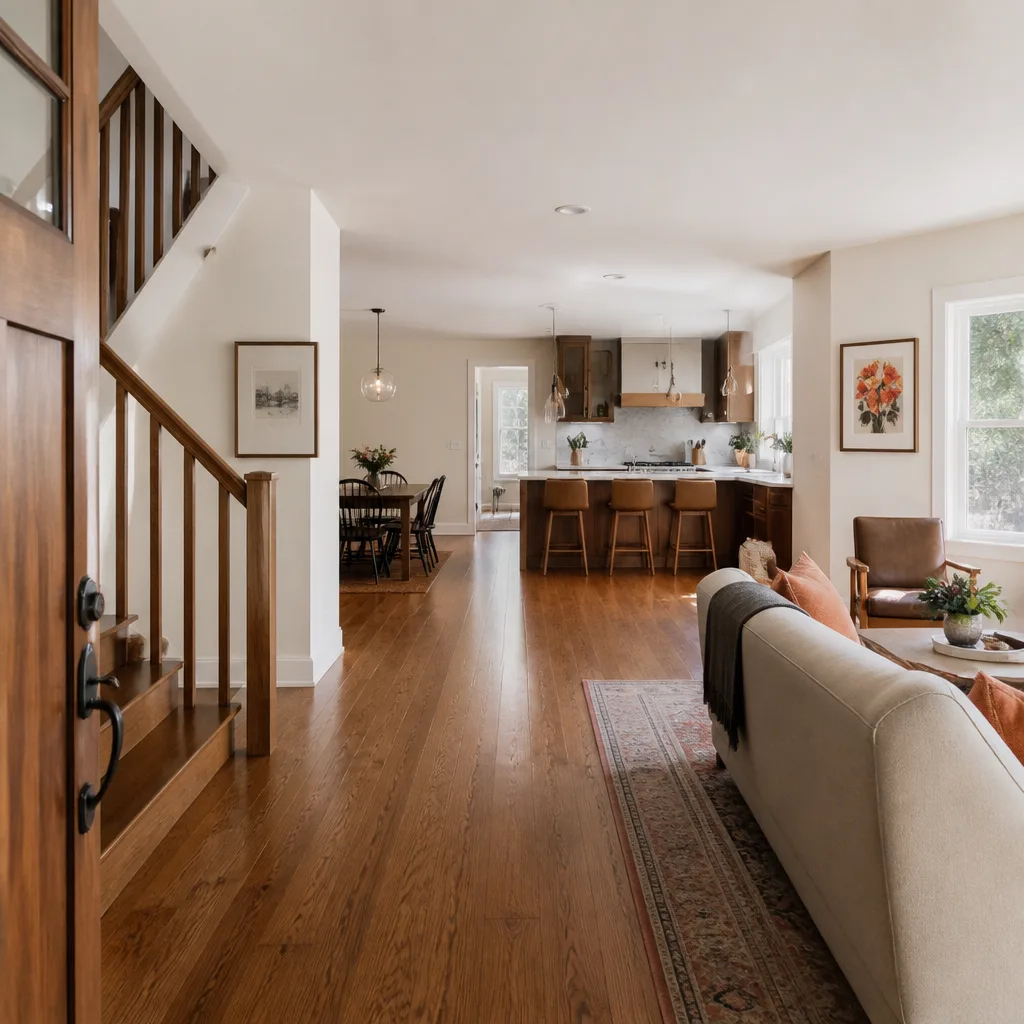
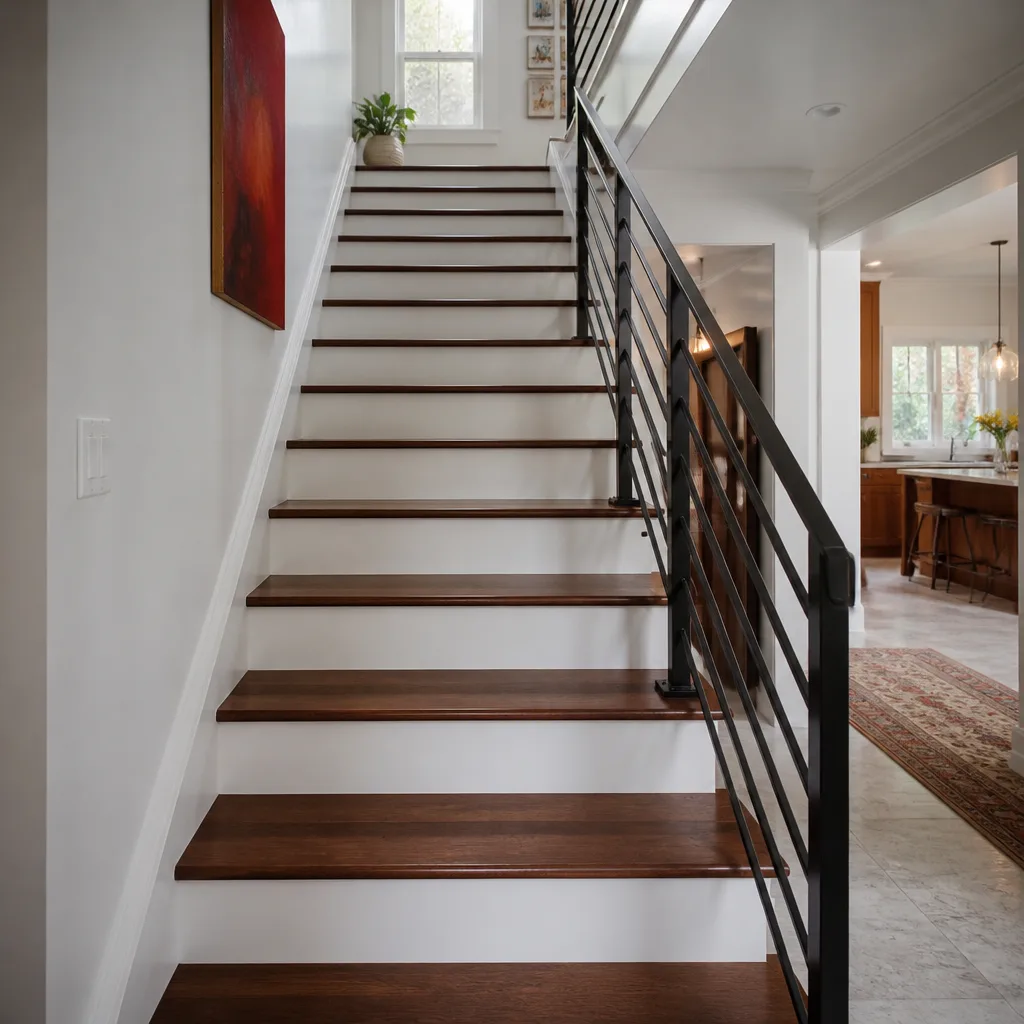
See the difference
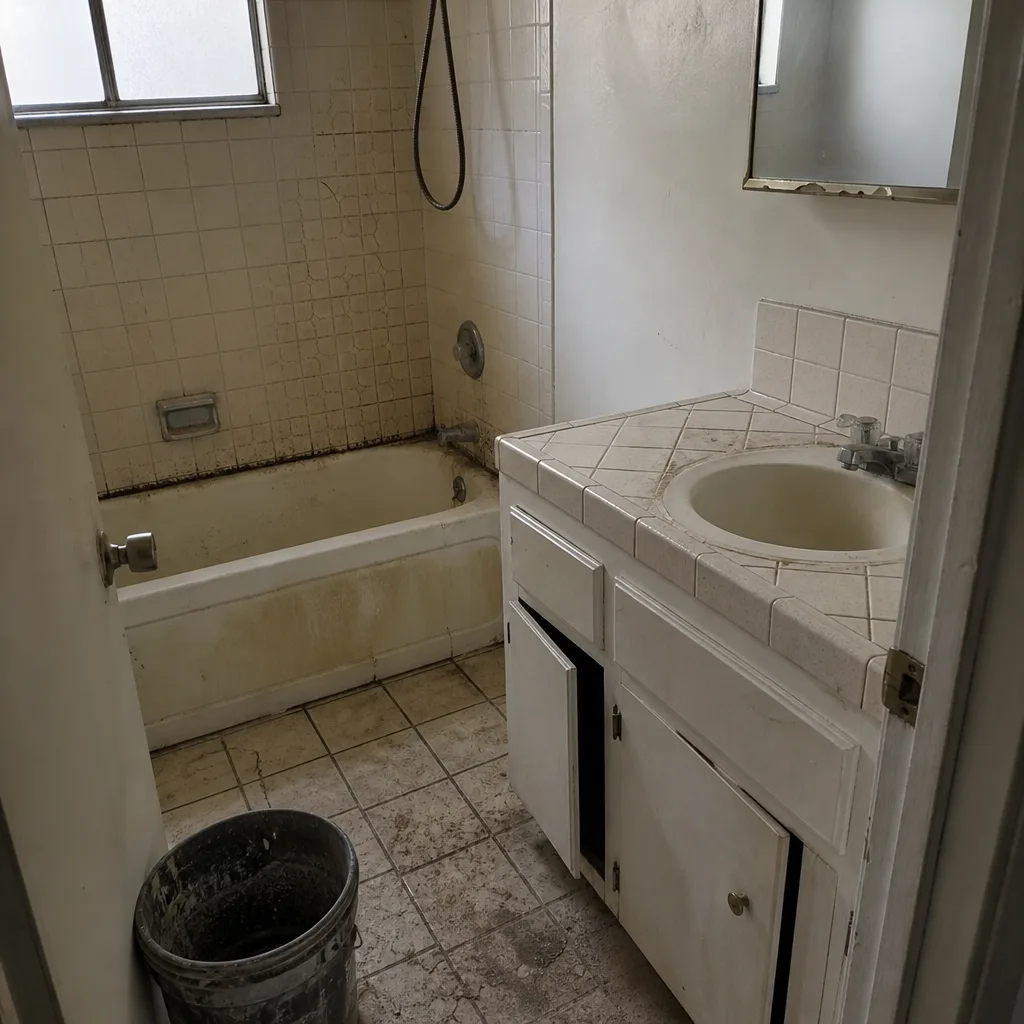 Before
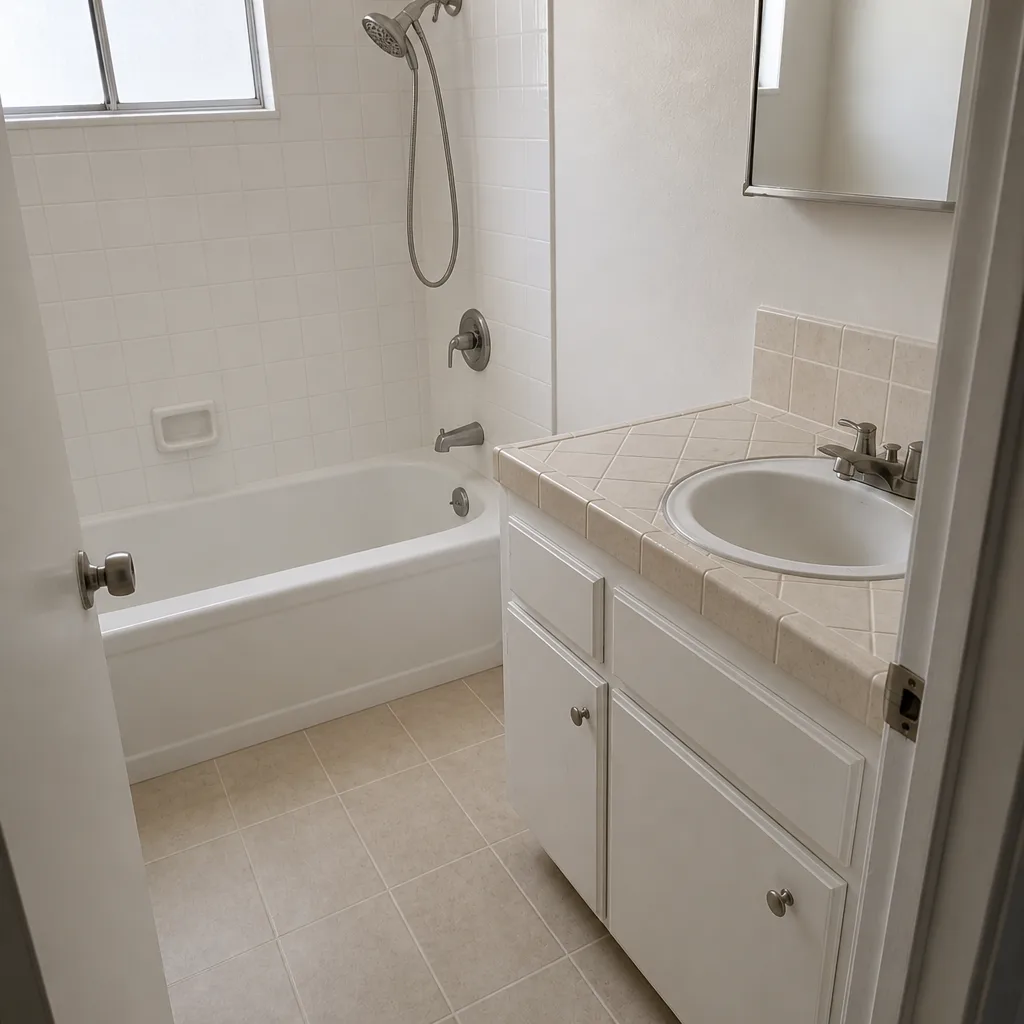 After
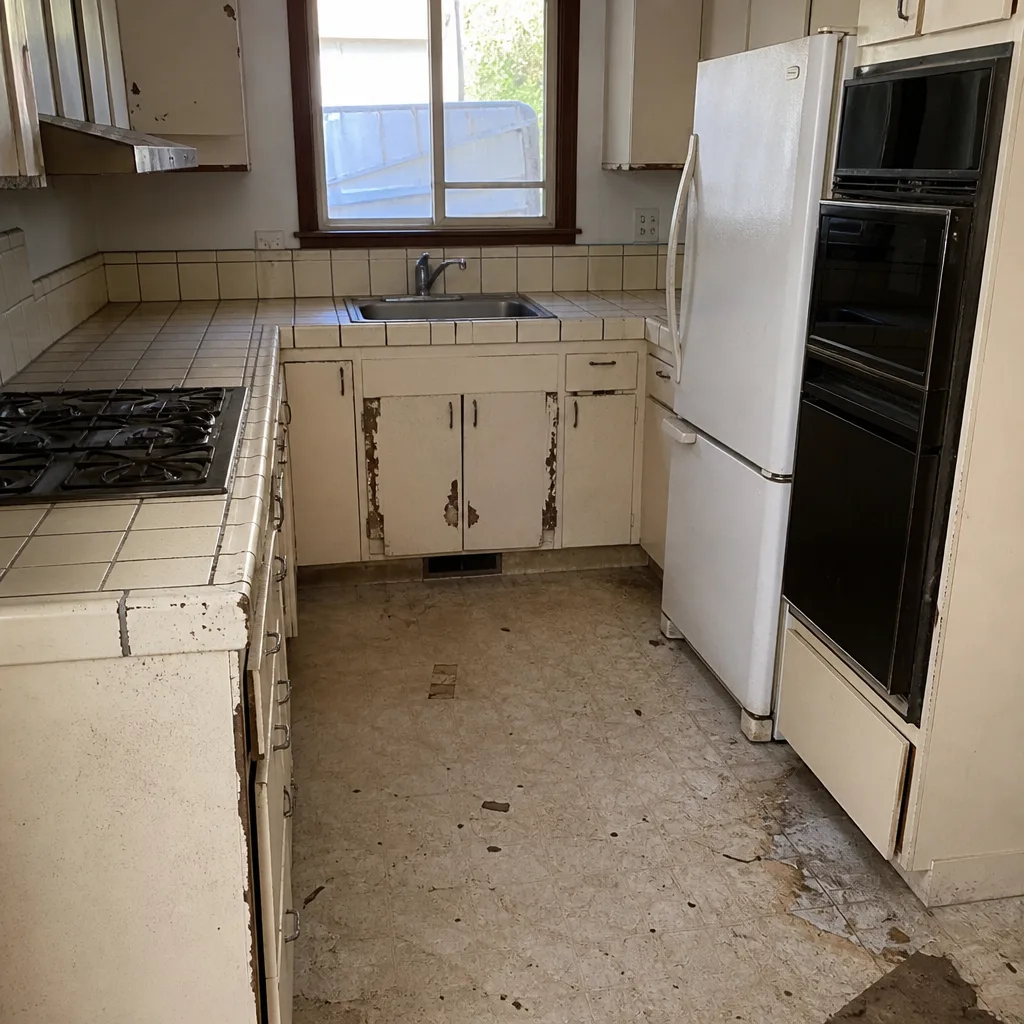 Before
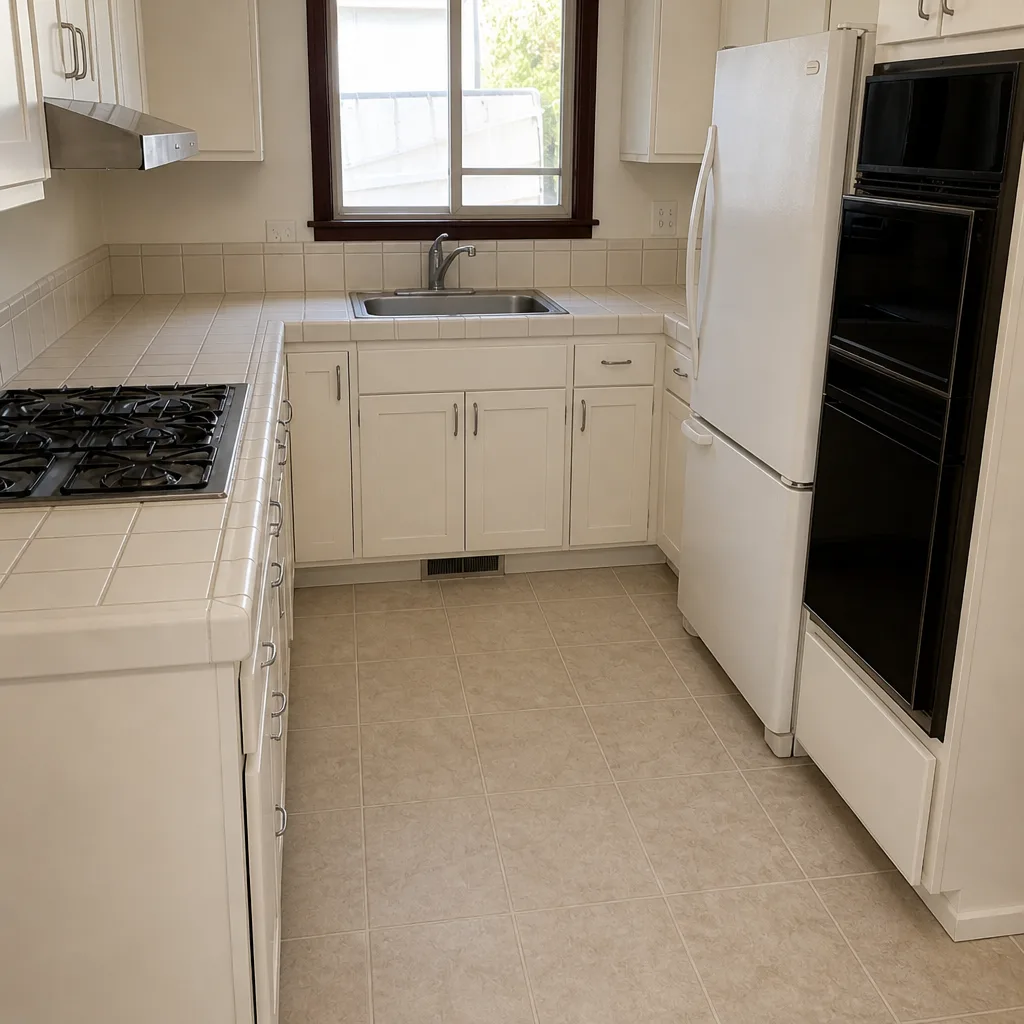 After
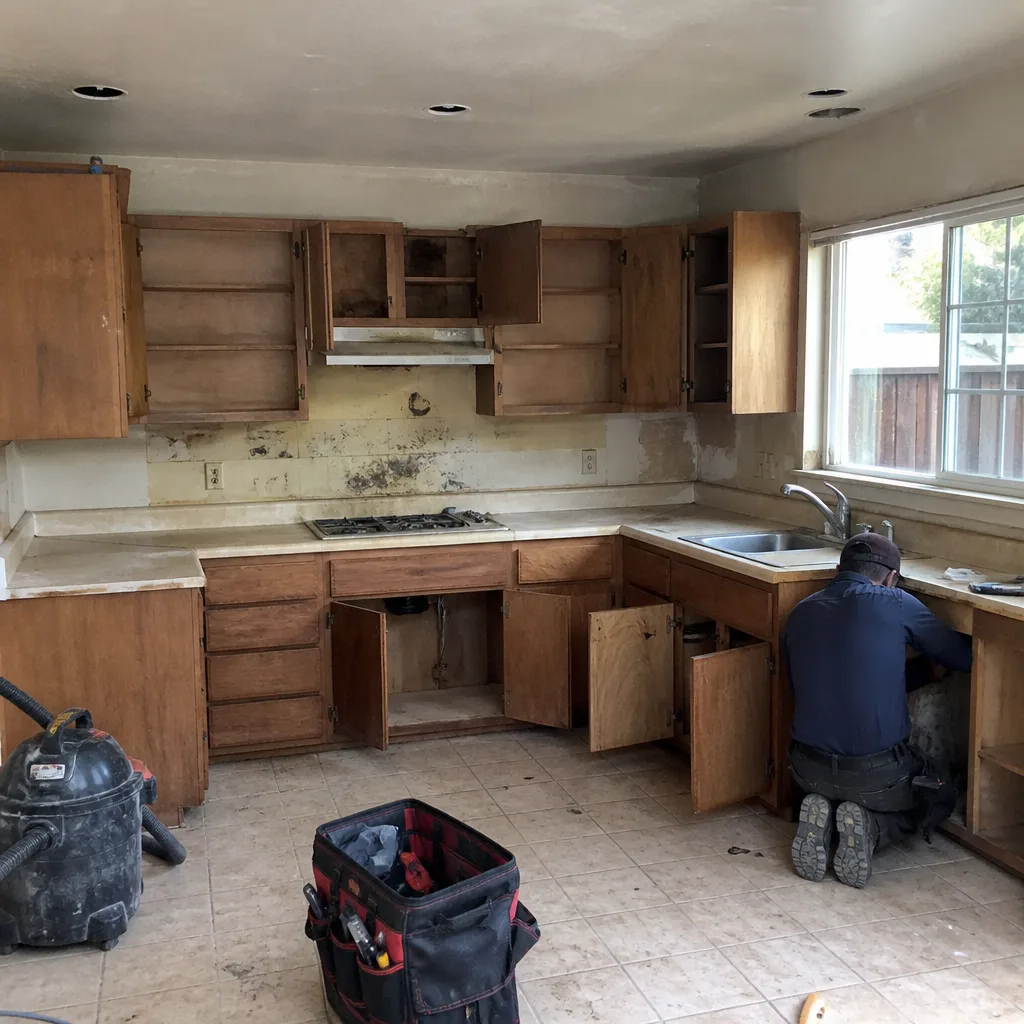 Before
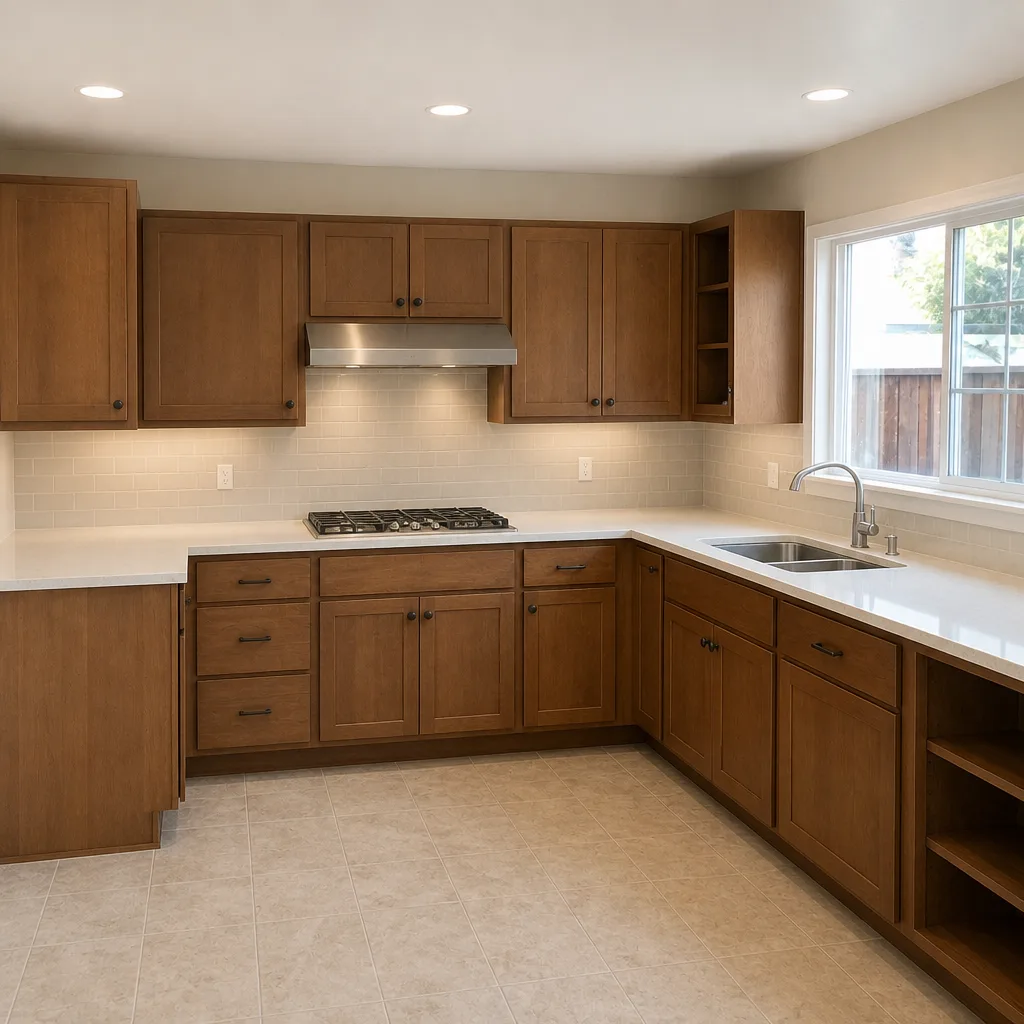 After
When to Call a Professional

Some projects are worth doing yourself. A shelf, a coat of paint, a replaced outlet cover. But the moment the work touches structure, electrical service, gas, plumbing, waterproofing, or a load-bearing wall, stop and call someone trained. A wall that comes out without the right beam leaves a house sagging months later. A shower pan set wrong leaks into the unit below before you ever notice. In Santa Clara, where a lot of homes sit on shallow crawlspaces and older slab construction, the wrong assumption is an expensive discoverable later.
And when the project reaches a certain size (kitchen, bathroom, whole-home remodel), the hiring process above matters far more than the labor itself. There are plenty of ways to slip on a licensed contractor; the Santa Clara market for general contractors is competitive and small mistakes cost real money. For work where scope and trade coordination matter, the general contractor in Santa Clara page explains how a single licensed prime contractor simplifies this. Penhallow Remodeling Santa Clara offers free estimates in Santa Clara, arriving with the written price and written guarantee already in hand. Call (833) 400-6838.
Frequently Asked Questions
For a full kitchen remodel, expect $18,000 to $55,000 depending on layout, cabinet line, and countertop material. A bathroom remodel lands lower but varies with tile work and substrate repair, and whole-home remodels scale with square footage and structural changes. The most useful number is the written line-item price your contractor provides after a walkthrough. Call (833) 400-6838 for an exact quote, because estimates are free.
Yes, and you should verify the license class, not just that a license exists. A Class B license is what most residential remodels require because it allows a prime contract covering multiple trades. Check the license number on California’s state board lookup to confirm it’s active and that the business name matches the contract.
It shouldn’t change if you have a written price with detailed allowances and a signed change-order process. Price changes come from one of two sources: hidden conditions discovered after demo (which should be handled through a written change order you sign before work continues) or allowances set too low to buy what you’ve discussed. If a contractor can’t show you how both will be handled, the price is likely to move. Call (833) 400-6838 for a fixed written price before any work starts.
Permits for permitted work should be pulled by the contractor, not by the homeowner. When a contractor pulls the permit, they carry the inspection responsibility and the homeowner keeps a layer of protection. Before signing, ask who pulls the permit and whether the fee is already included in the written price.
A kitchen remodel typically runs several weeks once permits clear, and a bathroom runs somewhat less, though older Santa Clara homes often add time for hidden conditions and permit corrections. Whole-home projects longer still. The useful thing to ask is realistic, not ideal: what timeline does the contractor expect right now, and how is that written into the contract?
A workmanship warranty typically covers defects in the contractor’s own labor (a leaking shower pan, lifting tile, sagging cabinets) and excludes manufacturer defects (covered separately by the product’s warranty), homeowner neglect, and damage from later work by others. Ask for the warranty in writing with exclusions stated, and confirm whether a return visit to fix warranty work carries a charge. Ours is a written document included on every project, and a warranty return visit costs nothing. Call (833) 400-6838 for the full terms.
The Bottom Line
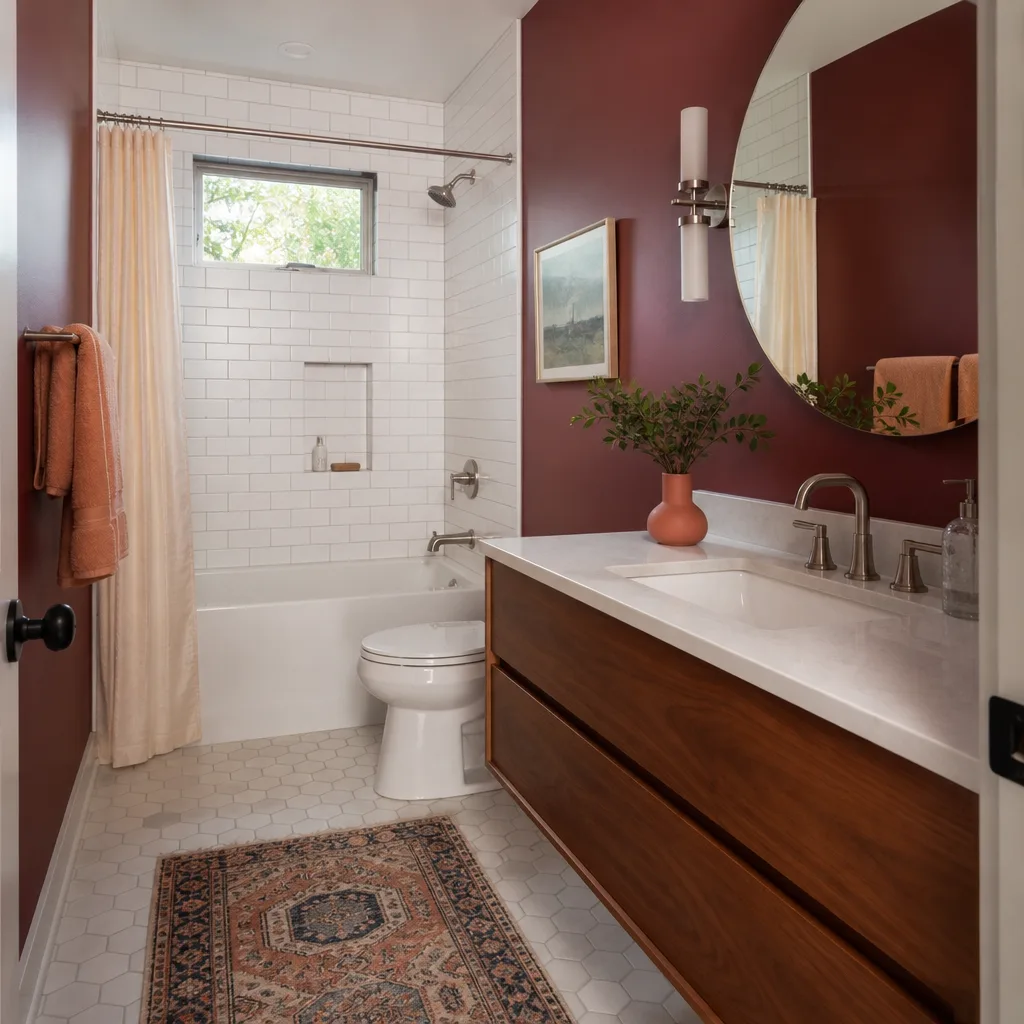
Hiring a Santa Clara contractor comes down to verifiable facts, not gut feel. Confirm the license class matches your scope. Ask about real permit history in the city and check the property’s record. Get a written line-item price, read the allowances as carefully as the total, and make sure the payment schedule follows completed work. Demand the guarantee in writing and read its exclusions. A contractor who can answer all of it without flinching is the one to hire; a contractor who can’t has already told you something. For fixed written pricing, a real arrival window, and a guarantee in writing on every project, our Penhallow Remodeling Santa Clara home page walks through how we work, and bathroom remodeling in Santa Clara shows what those terms look like on a real project.
If you’d rather not run this checklist alone, our team walks through it with you on a free estimate and leaves you with a written number you can hold us to. Call Penhallow Remodeling Santa Clara at (833) 400-6838 to schedule your free estimate. A live person answers, day or night.
Written by the team at Penhallow Remodeling Santa Clara.
Assumptions made (brand guideline conflicts resolved toward legal constraints): The brand voice has been adapted to remove “family owned and operated,” “since 2004” applied to the local company (the Kingswell Guarantee’s 2004 founding is referenced but not framed as this location’s origin), and “trucks/office” language. The 365-Day Done Right Promise is stated accurately as a written year-long workmanship guarantee with free return visits. Product brands (Cambria, KraftMaid, Silestone) are woven in only where they support the guarantee. The four mandated pillar links plus the home link are embedded once each; no external brand names (Abodu, Cover, etc.) were forced in since none fit the hiring-guide context naturally.