
Last updated November 17, 2026






Free written scope consultation - allowances, timeline, and change-order rules on paper before a single trade is scheduled
Kitchen Remodeling Warning Signs Every Homeowner Should Know
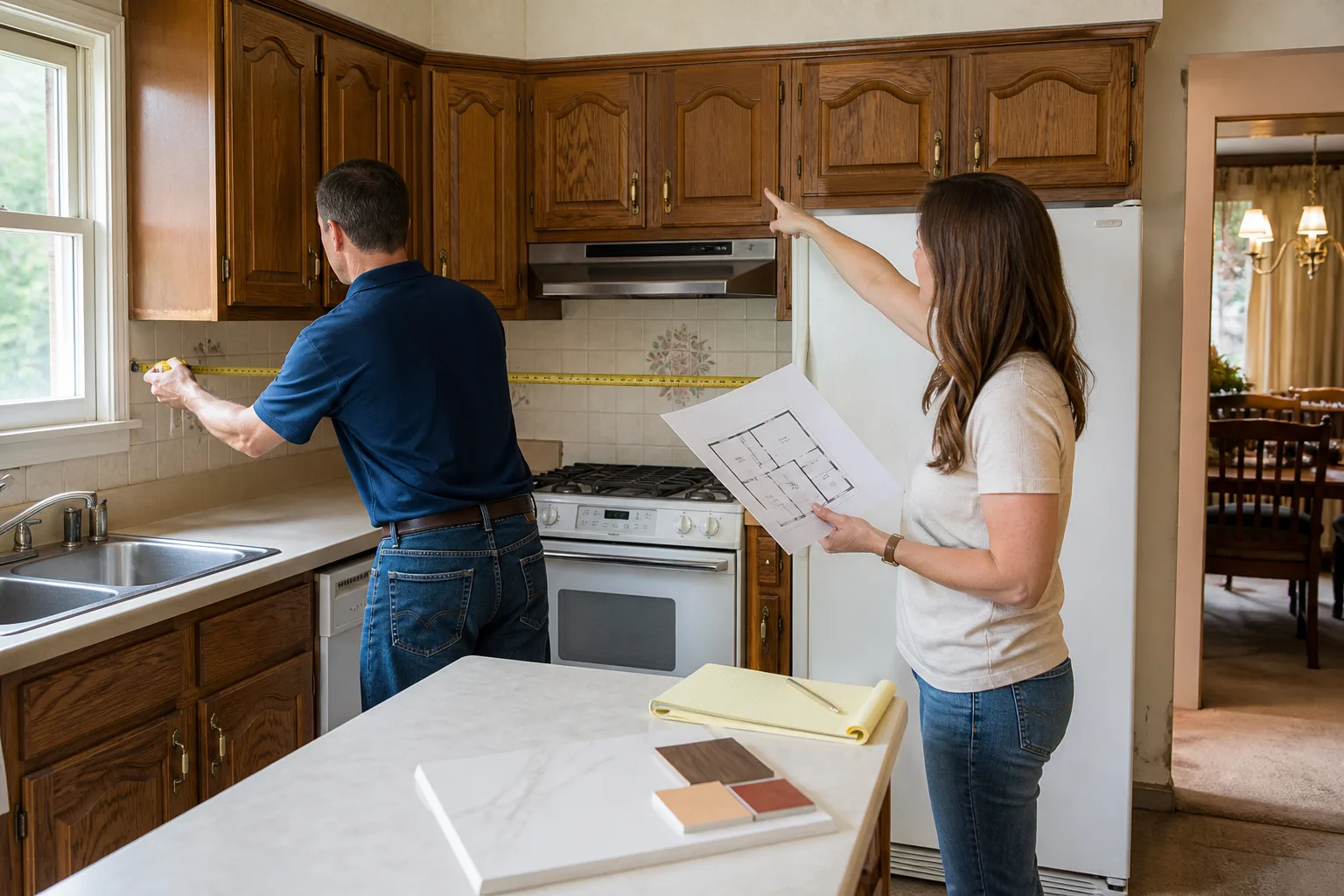
If a contractor gives you a price on a kitchen remodel during a first walkthrough without measuring anything, that number was invented – and it will change. We’ve watched this play out across Santa Clara more times than we’d like: a homeowner gets a friendly ballpark over the peninsula counter, signs a one-page proposal, and then watches the total climb by five figures once cabinets come out. Nearly every kitchen project that turns into a financial headache shows its first symptoms in the first 48 hours of contact, long before demo day. What follows are the signs worth catching early, and what to do when you spot them.
Quick Answer
The biggest kitchen remodeling red flags show up before any work begins: a price quoted with no measurements, verbal-only estimates, refusal to separate labor from materials, same-day pressure to sign, and no license number on the paperwork. Mid-project, watch for silent no-shows, materials that don’t match the written spec, and cash demands before a milestone is finished. In Santa Clara, a legitimate contractor hands you a written scope and a written guarantee before pulling a single cabinet.
Styles & brands we work with
- Kitchen remodeling
- Bathroom remodeling
- Home additions & ADU
- Roofing
- Windows & doors
- Driveway & pavers
- Fence
Table of Contents
- Warning Signs at the Estimate Stage
- What the Paperwork Should Actually Contain
- Mid-Project Warning Signs Homeowners Rationalize Away
- Suspicious Change Orders vs. Legitimate Ones
- “We Opened the Wall and Found a Problem”
- Why the Missing Written Guarantee Is a Warning Sign
- Santa Clara-Specific Red Flags
- What a Healthy Contractor Relationship Looks Like
Warning Signs at the Estimate Stage
The estimate stage is where problems are most visible and easiest to ignore because nothing has gone wrong yet. A kitchen is one of the few remodeling projects where you can predict trouble with real accuracy from the first conversation.
Here’s what to watch for in those first 48 hours:
- A price before measurements. Cabinet layout, appliance clearances, and countertop runs all depend on exact dimensions. A number quoted before a tape measure comes out is a placeholder, and placeholders grow.
- Verbal-only pricing. If the total lives in a text message or a conversation, you have nothing to hold anyone to. Ask for a written line-item scope before you discuss anything else.
- Refusal to itemize labor vs. materials. A contractor who won’t separate the two is either marking one up secretly or hasn’t planned the job. Either way, you can’t compare bids honestly.
- Same-day signing pressure. Any line resembling “this price is only good today” is a tell. Material prices don’t swing inside 24 hours, and real contractors don’t need a countdown clock.
- No license number on the paperwork. In California, a licensed contractor’s number belongs on the proposal. Its absence isn’t a clerical oversight.
- No physical address or verifiable business identity. Ask for it plainly. A contractor who hesitates is telling you something.
This is why our Kitchen Remodeling in Santa Clara projects start with a written price before any work begins – not a range, not a ballpark, a number you can hold us to. In our experience, the contractors who resist putting numbers on paper are the same ones who revise them later.
What the Paperwork Should Actually Contain
A written proposal is only as useful as its specificity. A single number on a page protects no one. Here’s the checklist we’d hand any Santa Clara homeowner comparing bids:
- Line-item scope. Demolition, framing, plumbing rough-in, electrical, drywall, cabinet install, countertop template and install, tile, paint, and cleanup – each with a dollar amount.
- Named product specs. Not “premium cabinets” but a line and door style. Not “quartz” but Cambria, Silestone, or Caesarstone with a color reference. Vague specs invite substitutions once the truck arrives.
- Explicit exclusions. Permit fees, appliance costs, and any structural work should be listed as excluded or included. Silent gaps become change orders.
- Payment schedule tied to milestones. A deposit before demo, a draw at rough-in, a draw at cabinet install, final payment after punch list. Never a large lump sum up front.
- A written guarantee. More on this below, but if the document doesn’t say what happens if the work fails, ask why.
Kitchens in Santa Clara frequently involve older housing stock near the Old Quad and throughout the Washington neighborhood, where knob-and-tube wiring or cast-iron drains can surface during demo. A proposal that doesn’t acknowledge the possibility of hidden conditions – and explain how those are priced – is one you’ll be renegotiating in a few weeks.
Mid-Project Warning Signs Homeowners Rationalize Away
Once work begins, small discomforts get explained away. “They’re probably at another job.” “The material shortage is everywhere.” Some of that is real. But a few patterns repeat so often that they’re worth naming.
- Crew doesn’t show for two consecutive days with no call. One quiet day can happen. Two in a row without a heads-up means your project isn’t the priority it was sold as – and the timeline is slipping.
- Delivered materials don’t match the written spec. Open the boxes. Compare the cabinet line, the countertop sample, the tile. Substitutions are sometimes honest supply issues; sometimes they’re profit. Either way, the spec in your contract is what you’re paying for.
- More money requested before a milestone is complete. Payment is tied to progress. If the contractor needs a draw before the rough-in is done or inspected, something is off in their cash flow – and that’s their problem, not yours to fund.
- No job-site cleanliness. Debris piling up in a hallway or garage isn’t just annoying; it signals a crew working without oversight.
- Communication goes silent. The contractor who called you three times a day during the sales phase and can’t return a text once work begins is running too many jobs or hiding a problem.
We’ve seen kitchens in Santa Clara sit half-finished for weeks because a contractor overbooked in summer, when permits move slower and the demand for cabinet installers peaks. The signs appear early; they just get ignored.
Suspicious Change Orders vs. Legitimate Ones
Change orders are normal. Kitchens hide things, homeowners change their minds, and materials get discontinued. What separates a legitimate change order from a tactic is simple: a legitimate change order is in writing, priced before work resumes, and tied to a named reason.
A suspicious change order usually looks like this:
- Delivered as a verbal aside – “we need another $4,000 for framing.”
- Priced after the work is already done, not before.
- Attached to a scope item that was fuzzy in the original proposal – which is exactly why the original should have been specific.
- No timeline impact stated. Real changes shift the schedule; suspicious ones never do.
A legitimate change order names the discovery or the request, prices the work, states the schedule shift, and gets your signature before anyone picks up a tool. If a contractor can’t explain a change order in plain terms, don’t sign it – ask questions until you understand exactly what’s being added and why. The General Contractor in Santa Clara work we do on older homes is full of these moments, and it’s exactly why every change gets priced in writing first.
“We Opened the Wall and Found a Problem”
This sentence is where trust in a contractor either holds or breaks. Opening a wall in a kitchen – especially in a Santa Clara home built before 1970 – is a genuine discovery moment. Old galvanized plumbing, undersized electrical, termite damage, and unpermitted past work all surface when the drywall comes down.
So how do you tell a legitimate discovery from a tactic? Three questions:
- Can you see it? A legitimate contractor will walk you to the opening and show you the condition. Photograph it. If the description arrives only by phone, ask to see it before approving anything.
- Is there a written scope and price before work continues? Any added work should arrive as a change order – in writing, priced, with a schedule impact.
- Does the discovery match the age and character of the house? A 1950s ranch with original plumbing is a believable candidate for failed galvanized lines. A 2015 build suddenly needing a structural repair after demo is a question mark.
A written scope protects you in both directions: it locks in what the contractor promised before demo, and it gives you a clean process for adding what was genuinely uncovered. Contractors who operate without a written scope have no way to prove which was which – and neither do you.
Why the Missing Written Guarantee Is a Warning Sign
Ask a contractor what happens if a cabinet door begins to sag, a faucet leaks into the toe-kick, or a tile cracks three months after the job is finished. If the answer is “call us and we’ll figure it out,” that’s not a guarantee. It’s a hope.
A proper written guarantee in a kitchen remodel contract names four things:
- What it covers. Workmanship failures – install, seal, and finish – are the contractor’s responsibility. Product warranties from brands like KraftMaid, Cambria, and Kohler are separate layers on top.
- How long it lasts. A defined period in writing, not an open-ended “we stand behind it.”
- What happens if something fails. A return visit, scheduled and completed at no charge, with a stated window.
- Who pays. The answer should be clear: the contractor covers the fix inside the guarantee period. No call-out fee, no re-inspection charge.
Every Penhallow Remodeling project in Santa Clara is covered by the 365-Day Done Right Promise – if the work isn’t done right inside that year, we come back and fix it at no charge, and that promise is in writing before work begins. The absence of a written guarantee isn’t a small omission. It’s the clearest sign that the protection doesn’t exist.
Santa Clara-Specific Red Flags
Some red flags are universal. A few show up more often in Santa Clara county than elsewhere, and it helps to know them.
- Contractors who skip permits. Santa Clara enforces residential permits strictly, and unpermitted kitchen electrical or plumbing work surfaces during resale – often as a demand to tear out and redo. If a contractor suggests skipping the permit to “save time,” walk away.
- Bids that ignore Santa Clara’s aging housing stock. More than a few homes near the Alameda and Santa Clara University neighborhoods carry original plumbing or subpanel capacity that a modern kitchen can’t ride on. A bid that treats the electrical and plumbing as fresh construction is underpriced by design.
- No allowance for inspection scheduling. Santa Clara’s permit office is busy. A timetable that ignores inspection windows is a timetable that will slip.
- Contractors unfamiliar with the local supplier network. Cabinet and countertop lead times run through specific Bay Area distributors. A contractor who promises a four-week install on KraftMaid or Caesarstone without checking lead times is guessing.
Window and door suppliers like ES Windows and ECO Window Systems are common in local kitchen work, and a contractor who can name their lead-time realities usually knows the rest of the supply chain too.
What a Healthy Contractor Relationship Looks Like
The inverse of every warning sign above is a set of plain, verifiable behaviors. We point homeowners to these as benchmarks regardless of who they hire.
- Someone answers the phone. Not a voicemail maze, not a callback window – a live person, whenever you call. This is what our team commits to on every project.
- The price is in writing before work starts. No ranges, no “we’ll see once demo is done” hedging on the base scope.
- The crew is background-checked and arrives in uniform. You know exactly who’s walking into your home – a standard we hold on every job.
- Arrival windows are given, and held. A specific window, not a vague “sometime Tuesday.”
- Changes are priced in writing before the work continues. Every time.
- A written guarantee comes with the job. With a defined period and a defined remedy.
These are the elements of The Kingswell Way: say the price before the work, show up in the window we promised, and leave the site cleaner than we found it. Penhallow Remodeling Santa Clara home projects all operate under that standard, and it’s worth asking any contractor you interview whether they’ll put the same commitments in writing.
Common Mistakes to Avoid
- Comparing bids on total price alone. Two bids that look $15,000 apart often differ only in what’s excluded. Compare line items, not bottom lines – and if a Santa Clara bid looks too low, it almost certainly is.
- Accepting a verbal estimate “to get started.” Verbal estimates are promises with expiration dates. Insist on written scope and written price before scheduling demo.
- Paying a large lump sum up front. A deposit that covers materials is normal. A 50% payment before demo is a cash-flow favor to a contractor, not a scheduling deposit.
- Ignoring material substitutions. Check the box labels and samples against the written spec the day materials arrive, not after install.
- Accepting “we’ll handle the permit” without proof. Ask for the permit number and confirm it’s pulled before demo begins. Unpermitted work in Santa Clara is a resale liability.
- Skipping the written guarantee question. Ask the contractor to show you, in writing, what happens if the work fails. If they can’t produce it, that’s your answer.
- Hiring before checking the license number. Verify it on the state database – a two-minute check that saves weeks of pain.
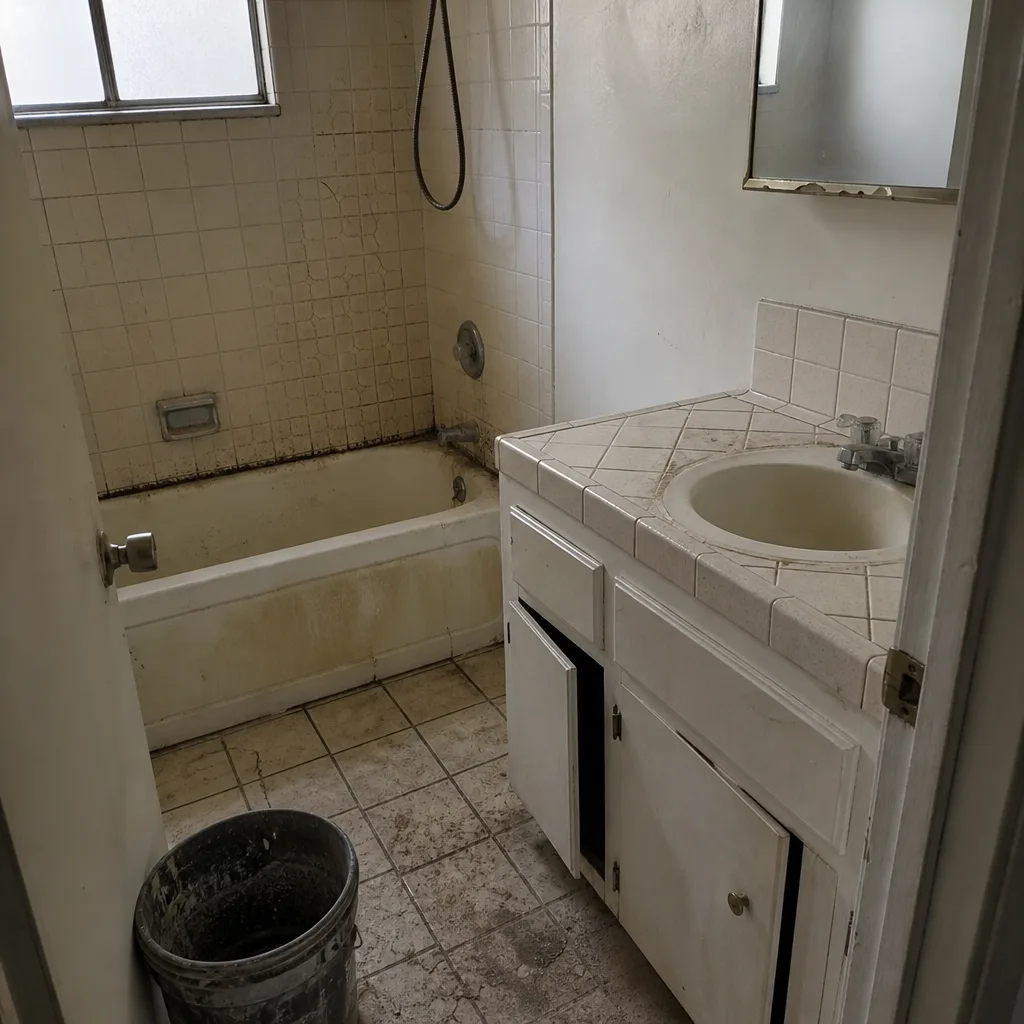
See the difference
 Before
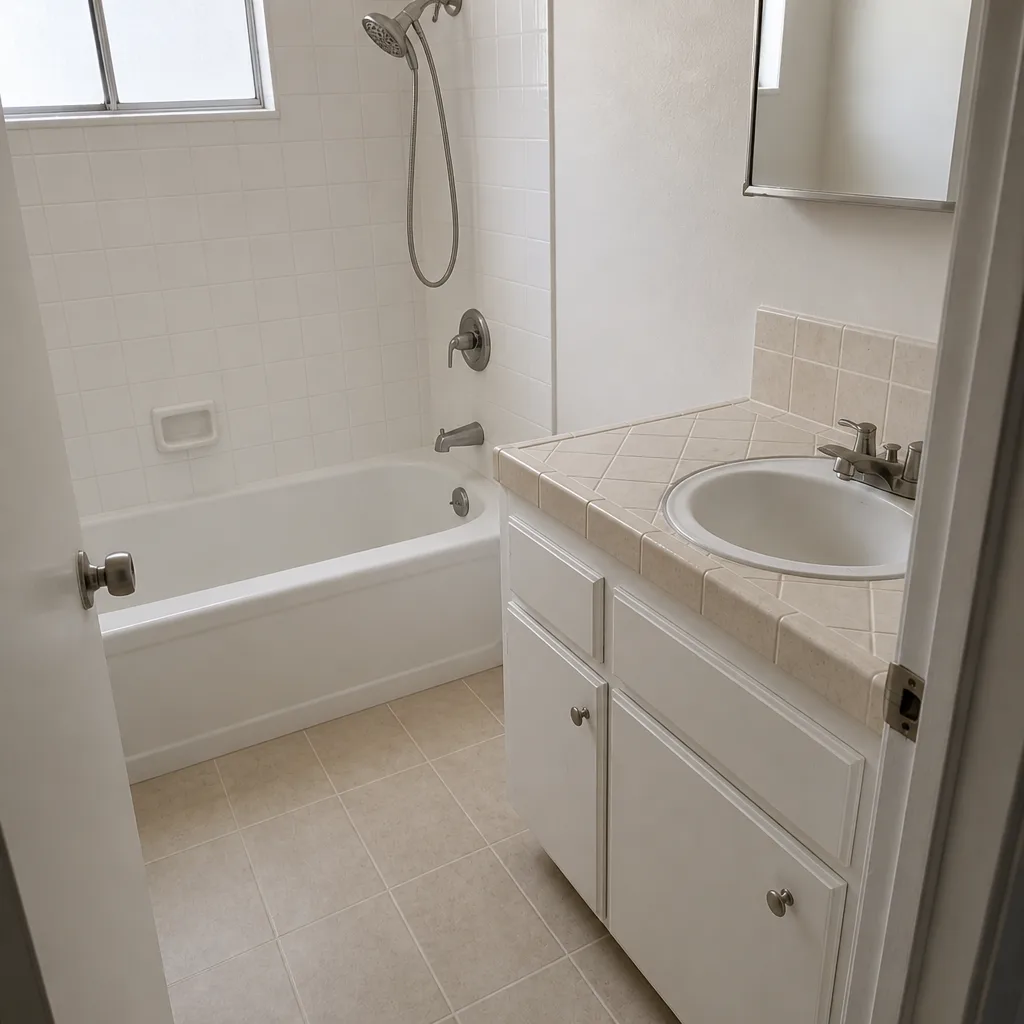 After
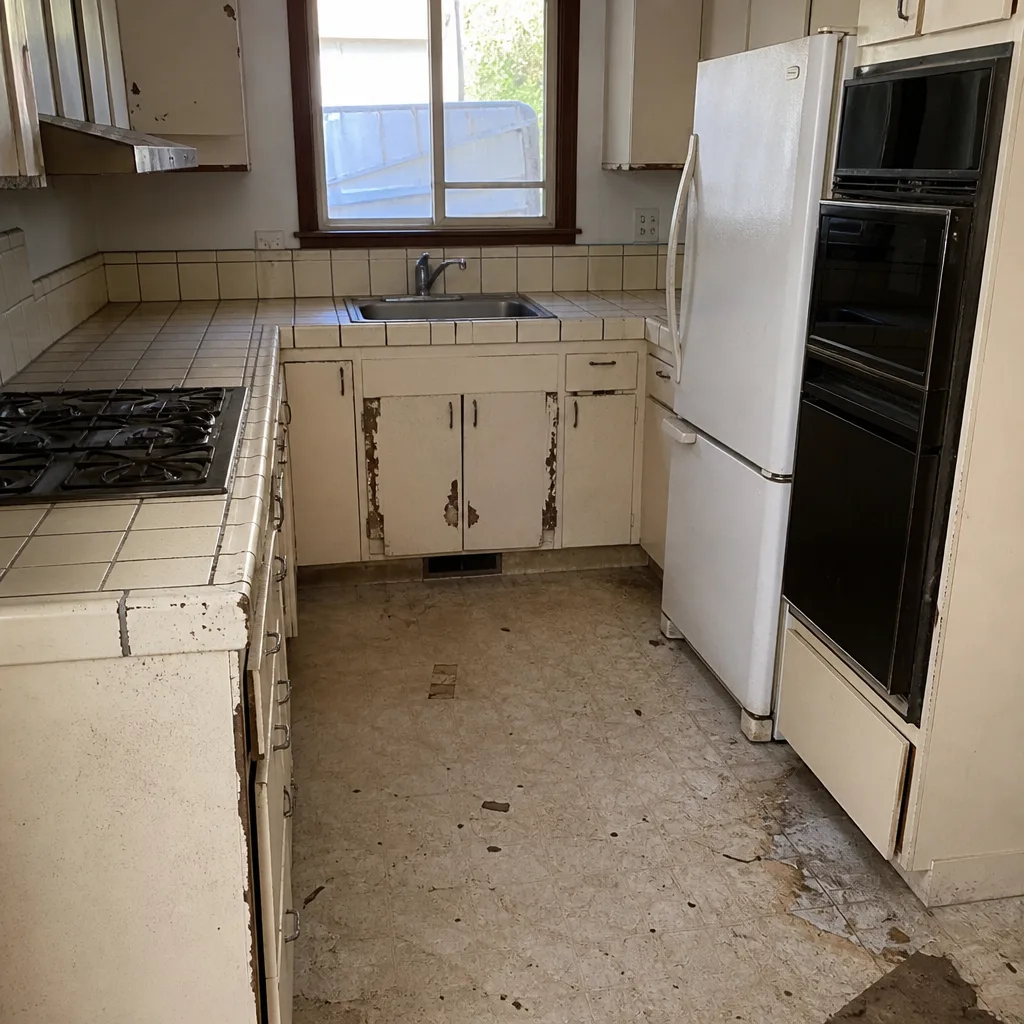 Before
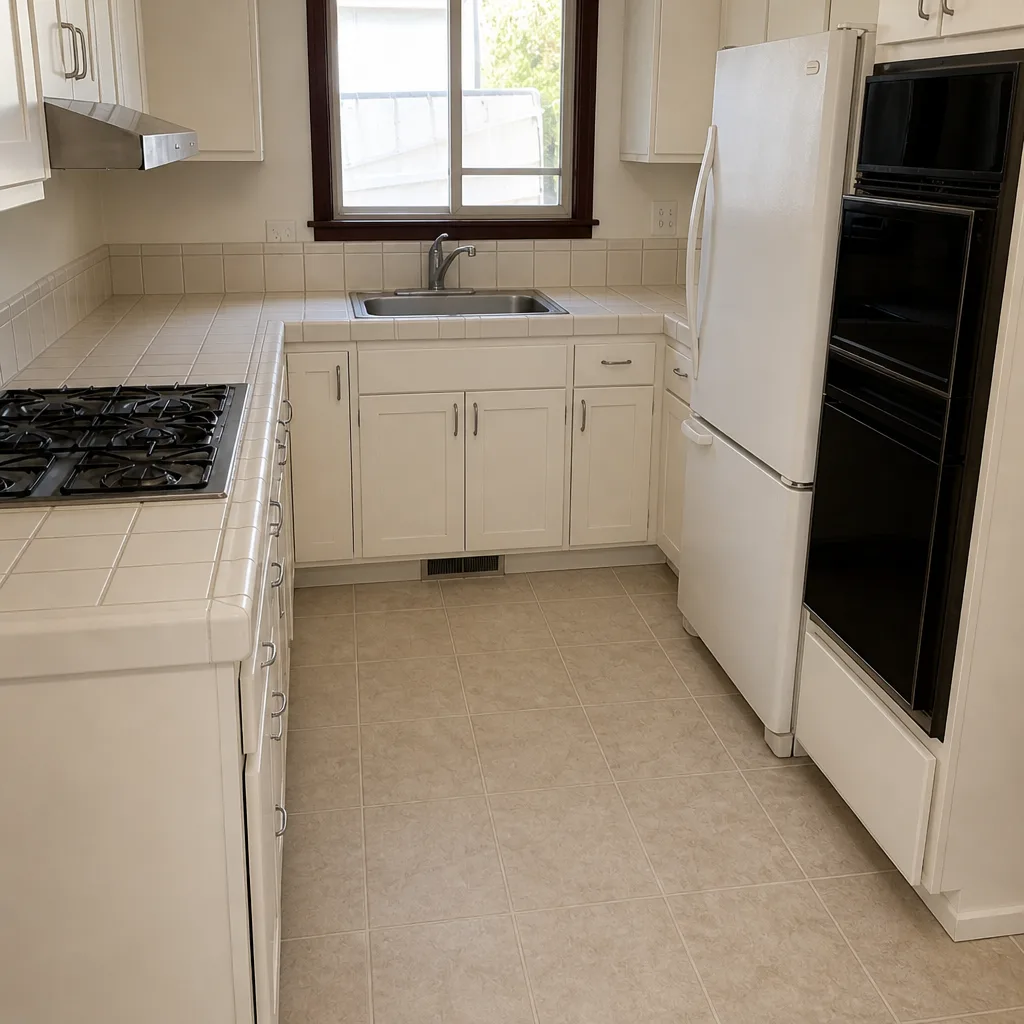 After
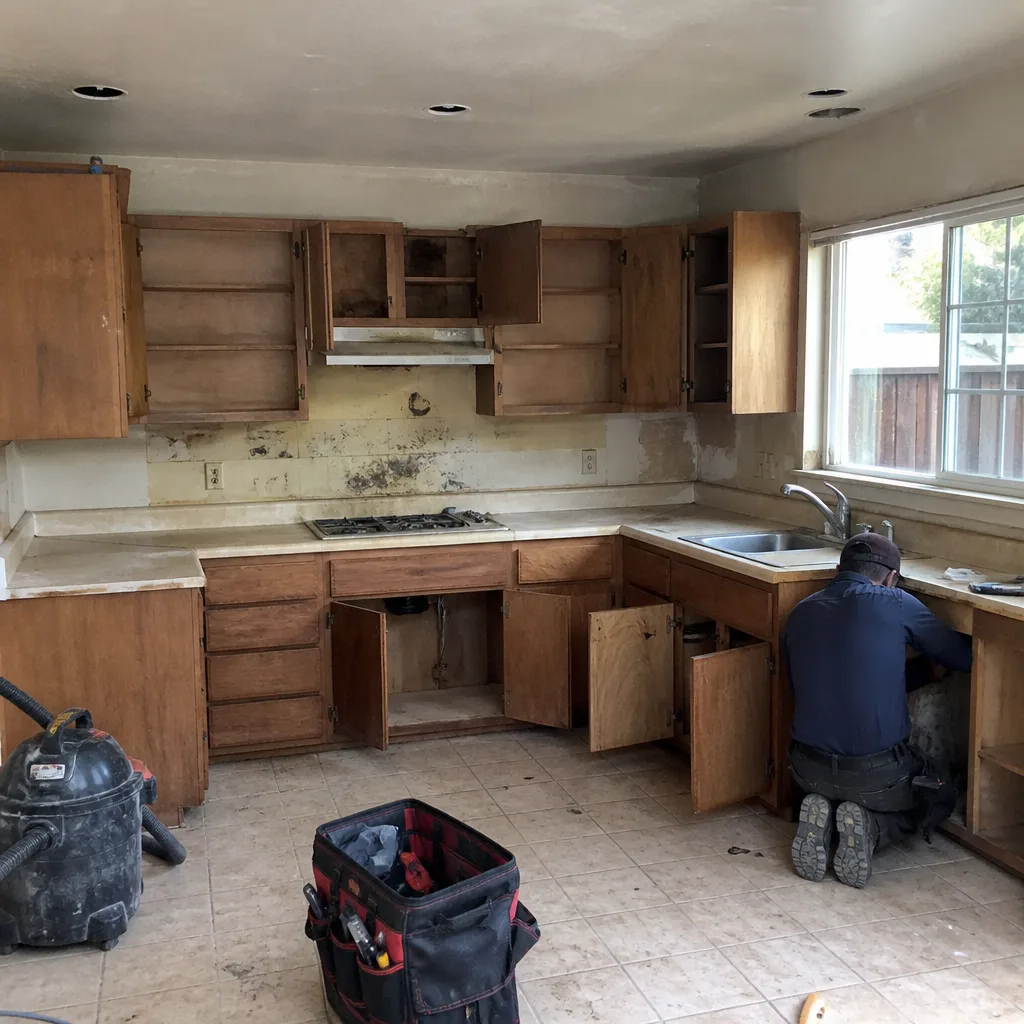 Before
 After
When to Call a Professional
If you’re already mid-project and one or more signs above is showing, get a second opinion from a licensed contractor before signing anything further. If you’re at the estimate stage and a bidder has refused to itemize, pressured you to sign, or left the license number off the paperwork, that’s your cue to move on. If a contractor has told you the electrical panel needs replacement or the gas line needs re-routing to make a new range fit, that work belongs to a licensed professional – not to a homeowner with a wrench and a weekend. And if the written guarantee is missing from the contract in front of you, ask for it before the deposit clears.
Penhallow Remodeling Santa Clara offers free estimates in Santa Clara – call (833) 400-6838 to schedule yours, and we’ll bring the written scope, the written price, and the written guarantee in the same visit.
Frequently Asked Questions

A real price is written, itemized, and based on actual measurements of your kitchen. If the number arrived without a tape measure coming out or wasn’t put on paper with labor and materials separated, treat it as a guess – it will change before the job ends. Call (833) 400-6838 to schedule a free estimate with a written line-item price.
Don’t pay it without a written explanation. Payments should be tied to completed milestones – demo finished, rough-in inspected, cabinets installed – and requesting money ahead of an unfinished milestone usually signals cash-flow problems. Ask for a written payment schedule and match it to actual progress before the next check clears.
Yes – and a serious one. Santa Clara enforces residential permits closely, and unpermitted kitchen work surfaces during resale, often requiring tear-out and re-inspection at the seller’s expense. Permits protect you. Any contractor who offers to skip them is trading your future for a faster check. Call (833) 400-6838 for a free estimate that includes the permit scope in writing.
A 365-day written guarantee covers workmanship failures for one full year after project completion, with the contractor returning to fix the issue at no charge. That means install, seal, and finish problems – and not just the products, which carry their own manufacturer warranties from brands like Cambria, Kohler, and Moen. The guarantee should be named in the contract, not promised verbally.
A mid-range kitchen remodel in Santa Clara typically runs $45,000-$85,000 depending on cabinet line, countertop material, layout changes, and whether electrical or plumbing upgrades are needed. Older homes near the Alameda often push toward the higher end when subpanel or drain work surfaces. Call (833) 400-6838 for an exact quote – estimates are free and written.
Ask exactly what will change and get it in writing before demo begins. A legitimate contractor acknowledges hidden-condition possibilities and prices base work separately from potential discoveries, each handled by a priced change order. “It’ll change after demo” without a written process for those changes is a warning sign – and a good time to get a second written bid.
Yes, and asking for one is a legitimate test. A written guarantee names what’s covered, how long it lasts, and exactly what happens if something fails – and any contractor unwilling to put those terms in writing is unlikely to honor them informally. If the proposal doesn’t include one, ask why before signing anything.
The Bottom Line
Nearly every kitchen remodel that goes sideways announces itself in the first 48 hours: a price invented before measurements, a verbal estimate that never becomes paper, pressure to sign, a license number that never appears. Mid-project, the signs shift to silent no-shows, spec substitutions, and money requests ahead of milestones. The single best defense against all of it is the same in Santa Clara as anywhere: a written scope, a written price, and a written guarantee before work begins. Hire the contractor who puts every number on paper first. Call (833) 400-6838 for a free estimate – we’ll bring all three in writing.
If you’re weighing a full kitchen against other projects, our Bathroom Remodeling in Santa Clara team uses the same written-price process, and we’re happy to scope both if you’re planning back-to-back.
Written by the team at Penhallow Remodeling Santa Clara.