
Last updated November 17, 2026







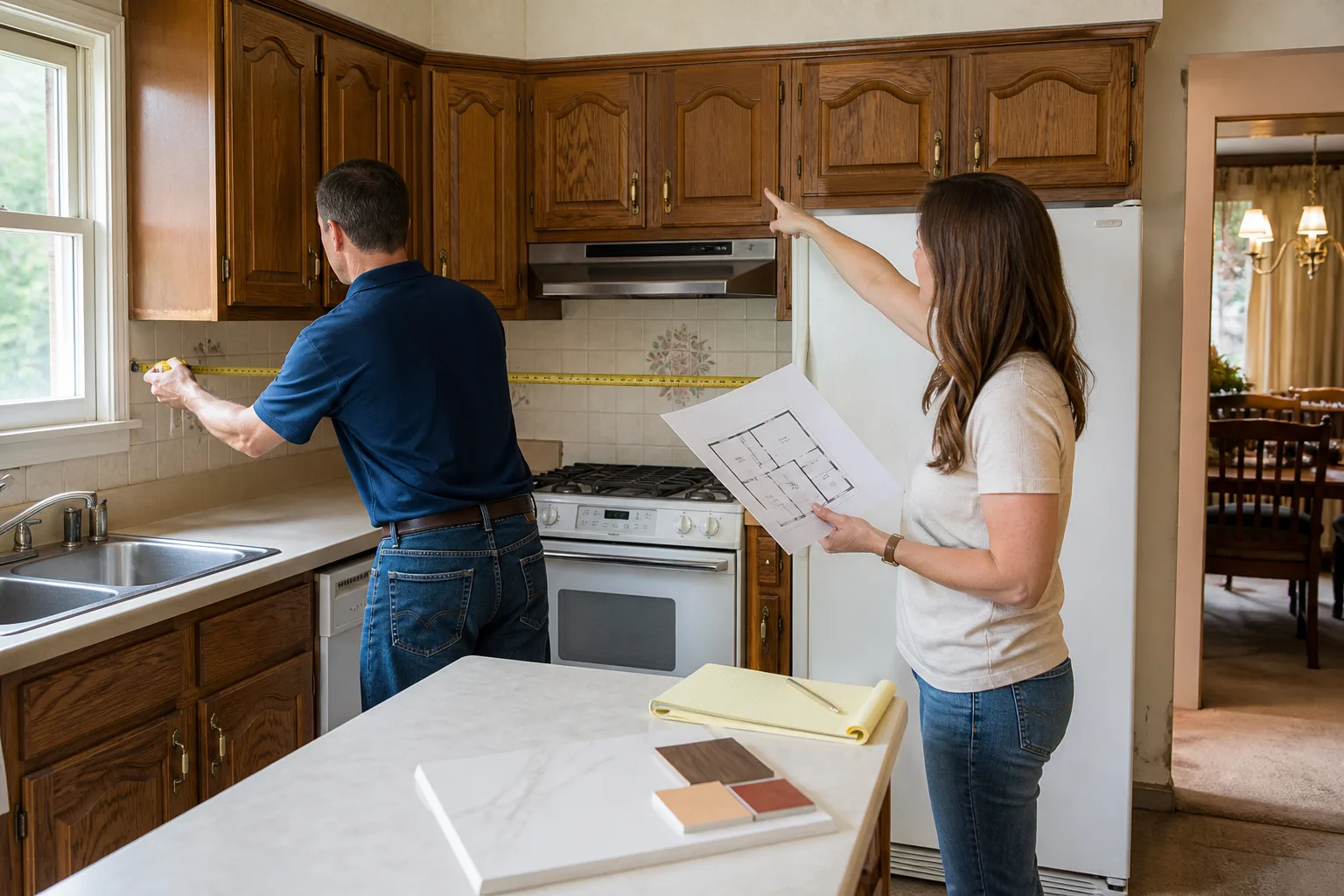
Free written scope consultation - allowances, timeline, and change-order rules on paper before a single trade is scheduled
DIY vs Professional Home Remodeling: What’s Safe to Do Yourself
A homeowner in California can legally install their own water heater. That same water heater, installed without a permit, can sink an insurance claim if it leaks and floods the kitchen – the whole claim, not just the appliance. That gap between “legal” and “safe” is where most DIY remodeling advice falls apart. This guide won’t just tell you which tasks require skill and which don’t. It walks through what California law actually permits an owner-builder to do, which projects are genuinely low-risk for a careful Santa Clara homeowner, and which ones quietly cost you money at resale even when they’re done well. By the end you’ll know exactly where to draw your own line.
Quick Answer
In Santa Clara, tile work, interior painting, demolition, and finish carpentry are the genuinely safe DIY tasks for a careful homeowner. Anything touching electrical panels, gas lines, load-bearing walls, plumbing rough-in, or structural modification requires a licensed professional – not because you can’t do it, but because California permits, your homeowner’s insurance, and the buyer’s inspector will all require it. The projects that hurt homeowners most are the middle ones: work that looks DIY-friendly but triggers licensing requirements the moment you touch it, or that gets done without a permit that later surfaces on an inspection report.
Styles & brands we work with
- Kitchen remodeling
- Bathroom remodeling
- Home additions & ADU
- Roofing
- Windows & doors
- Driveway & pavers
- Fence
Table of Contents
- California’s Owner-Builder Rules: What You Can and Can’t Touch
- The Tasks That Are Genuinely Safe to Do Yourself
- Work That Looks DIY-Friendly But Isn’t
- The Insurance Problem With Unpermitted Work
- How Unpermitted Work Shows Up at Resale
- The Hybrid Approach: Licensed for What Matters, DIY for the Rest
- How to Get a Written Scope From a Contractor
- Common Mistakes to Avoid
California’s Owner-Builder Rules: What You Can and Can’t Touch
California law allows homeowners to pull what’s called an owner-builder permit for work on a property they live in themselves. That means you can legally take out a permit in your own name, do the work yourself, and have it inspected. But the label “owner-builder” comes with fine print that most homeowners never read:
- You have to be the occupant. Owner-builder permits apply to your primary residence. Buy a fixer to flip, rent it out, or sell within a year of pulling the permit and the exemption can fall apart.
- You have to disclose in writing. If you sell within twelve months of a completed owner-builder project, California requires a written disclosure in the sale.
- A permit still has to be pulled. The exemption is about who performs the work, not whether the work gets inspected. Unpermitted owner-builder work is just unpermitted.
- You own the liability. A professional contractor carries insurance for the work they perform. When you do it yourself, you do. If a helper you brought in is injured on the job, or a fire adds up to structural damage, that’s on you.
- Hiring a licensed sub for part of the job changes the math. If you bring in a licensed electrician to do the panel work while you handle tile, the electrical portion needs to be permitted separately and signed off by that license holder.
Santa Clara falls under the city’s own building inspection requirements, and the city’s online permit portal handles owner-builder projects the same as contractor permits – same plan review, same inspection schedule, same fee. If you’re considering an owner-builder permit for anything beyond paint, tile, or cosmetic trim, read the Santa Clara Building Division’s owner-builder checklist before you touch a tool. In our experience, most homeowners are surprised by how many of the tasks they assumed were unregulated actually require a permit and an inspection sign-off.
The Tasks That Are Genuinely Safe to Do Yourself
Some projects don’t touch water, gas, structure, or the electrical panel – the three things that either require a permit or void an insurance claim when they fail. Those are the ones a careful homeowner can realistically handle. The key word is realistic: careful prep is what separates a DIY project you’ll be proud of from a repair you’ll pay a contractor to redo.
- Interior painting. The only “risk” is a color you’ll regret. Paint over properly prepped walls, cut in carefully around trim, and use the right primer for the surface. No permit needed, no inspection required, and no insurance exposure. Most Santa Clara homeowners can paint an entire interior room over a weekend.
- Tile work in dry areas. Wall tile behind a vanity or a decorative backsplash is genuinely doable. The trick is substrate: cement board, properly waterproofed seams, and a flat, clean surface to set tile on. If you’re tiling in a wet area like a shower pan or tub surround, the waterproofing layer – what the trade calls the substrate – has to be perfect or the tile fails within a year.
- Demolition of non-structural elements. Pulling cabinets, removing an old vanity, tearing out carpet, taking down drywall panels that aren’t part of a load-bearing wall – all fair game with the right precautions (dust barrier, respirator, careful check for wiring and plumbing behind the drywall before you swing a hammer).
- Cosmetic upgrades. Swapping cabinet hardware, replacing a toilet seat, updating lighting fixtures on an existing switched circuit, installing shelving or closet systems. Anything that doesn’t involve opening a wall or cutting into a wire.
- Landscaping and hardscape. Planting, mulching, simple paver patios, garden beds. Santa Clara’s clay soil and dry summers mean watering schedules matter more than skill level here.
- Exterior painting on a single-story wall. Safe on accessible surfaces at safe heights. Not on a two-story ladder, and never on a roof.
The thread linking these: none of them requires a permit, none touches a gas or electrical infrastructure line, and none sits behind the walls where an inspector will look. That’s the practical definition of “safe DIY” – not “easy” but “acceptable to your insurer and the future buyer.”
Work That Looks DIY-Friendly But Isn’t
Here’s where homeowners get hurt. A lot of projects feel like weekend projects but legally require a licensed contractor the moment you cross a specific threshold. These aren’t judgment calls – California law and local building codes define them precisely:
- Electrical panel work. Replacing a breaker or adding a circuit means opening the panel. The moment the panel cover comes off, you’re working with 240 volts of live current and what the California Electrical Code calls “work requiring a licensed electrician.” Even swapping a standard breaker for a GFCI breaker technically requires a permit in most Santa Clara cases. The safety edge is real: a single mistake is fatal.
- Gas lines and gas appliances. Running new gas pipe, converting an electric range to gas, installing a gas water heater, moving a gas dryer connection. Gas leaks don’t announce themselves, and carbon monoxide is the silent consequence. Licensed plumbers and gas fitters carry the inspection relationship and the permit that verifies the connection was done right before the utility re-lights the line.
- Load-bearing wall removal. “We’ll just open up the kitchen” sounds simple. The moment a wall is load-bearing – and in most Santa Clara homes built before 1980, many interior walls are – you need an engineer’s stamp, a permit, and a licensed contractor to build the header and post that carry the load. Taking out a bearing wall without that sequence can literally shift the house.
- Plumbing rough-in. Moving a sink, relocating a toilet, adding a shower line. PEX and copper work requires a licensed plumber to permit and pass inspection. Slow leaks behind drywall cause thousands in damage and, more importantly, insurance may refuse the resulting claim if the work wasn’t permitted.
- Structural changes of any kind. Adding a beam, moving a post, changing a foundation, adding a window in an exterior wall. All of these need engineering and permits.
- Water heater replacement. Legal to do yourself in California as an owner-builder. Also the exact task where a single unpermitted install can kill an insurance claim – see the next section.
In our work across Santa Clara neighborhoods like the Old Quad and the areas near Santa Clara University, the pattern is consistent: homeowners hire us to fix bathrooms or kitchen remodeling in Santa Clara where a DIY panel upgrade or a DIY plumbing re-route was done without a permit and failed inspection at resale. The fix cost was often two to three times the original professional job.
The Insurance Problem With Unpermitted Work
This is the part most DIY guides skip. Homeowner’s insurance policies typically exclude damage caused by faulty workmanship or work performed without required permits. If your unpermitted water heater leaks and floods the kitchen, the insurer’s adjuster will ask for the permit record. No permit, no coverage on that portion of the claim – even if the leak would have happened regardless of the permit status.
The same holds for electrical work. If a homeowner swapped a panel without a permit and the panel later causes a fire, the claim gets denied as excluded workmanship, and the homeowner is on the hook for the whole loss. Insurance industry data on water damage claims shows the average kitchen flood runs $15,000 to $30,000 just in restoration – so the difference between “covered” and “denied” isn’t theoretical, it’s the whole loss.
There’s also the disclosure side. California requires sellers to disclose “material facts” that affect property value, and unpermitted work that doesn’t pass inspection is exactly that kind of fact. Buyers and their agents look for permit records on every major system in the house – electrical, plumbing, structural, roofing. A missing permit on a permitted-required item is a red flag on their inspection report, and it becomes a negotiation lever the moment they find it.
The practical move: before starting any project that touches water, gas, structure, or the electrical panel, call your insurance agent and ask two questions. Will this project require a permit for coverage to apply if something fails? Will adding it to the policy change your premium? Many carriers will raise the replacement cost coverage on a professionally remodeled kitchen, which cuts both ways – better coverage, higher premium – but knowing that number before you start is what lets you make an informed choice.
How Unpermitted Work Shows Up at Resale
Selling a home in Santa Clara means a professional inspector walking the property, and that inspector knows exactly what to look for on unpermitted work. Here’s what shows up, and what it costs:
- The exposed outlet or unlabeled panel. A junction box with no cover, or a breaker panel where DIY breakers aren’t labeled in the inspector’s copy. Cosmetic on its face; labeled as “unpermitted electrical” on the report. Buyers respond with a request for a credit or a re-inspection, sometimes both.
- The toilet that wobbles or the tub that won’t drain. Signs of improvised plumbing, and often the first indication of a hidden leak. Inspectors flag them, buyers call for a licensed plumber’s evaluation, and the resulting report gives the buyer leverage to knock five figures off the offer.
- The wall with obvious patched drywall in the wrong place. A load-bearing wall was reportedly removed, but there’s no permit in the record. Inspector calls for structural review, engineer charges $800-$1,500, and the buyer’s credit request lands at the higher end because the fix is now urgent.
- The unpermitted water heater. Install date doesn’t match the permit record, and the water heater lacks an expansion tank or the strapping required by California code. Small discovery, outsized problem at the title search.
- The addition that doesn’t match the square footage. The county record shows 1,800 square feet; the house is 2,100. That’s a $40,000 to $80,000 discount in most Santa Clara neighborhoods where square footage drives pricing.
The common thread: unpermitted work never disappears. It shows up on inspection reports, title searches, and appraisals. And the fix cost is almost always more than the original permitted job would have been – because now there’s demolition and re-construction layered on top of the original work.
The Hybrid Approach: Licensed for What Matters, DIY for the Rest
You don’t have to choose between “do it all yourself” and “hire a contractor for the whole project.” The most cost-effective approach for a Santa Clara homeowner is what we call the hybrid: handle the safe tasks yourself, hire licensed professionals for the permitted systems, and coordinate between them.
A typical hybrid bathroom remodel in Santa Clara looks like this:
- You pull the demo. Remove the old vanity, toilet, tub surround tile, and flooring. Bag the debris and get it to the dump yourself. Cost: a Saturday and a dump fee.
- Licensed plumber does the rough-in. Moves the drain, relocates the shower valve, installs the new tub filler. Pulls the permit for the plumbing portion. Cost: $1,200 to $2,800 depending on how much moves.
- Licensed electrician handles the new circuits and the fan. GFCI outlets in the vanity area, exhaust fan vented to the exterior, new lighting on a permitted circuit. Cost: $800 to $2,000.
- You handle the tile and paint. With a properly prepped cement board substrate installed by the plumber or a tile setter, you can handle wall tile and paint yourself. Cost: materials only.
- Professional final hookup. The plumber sets the toilet and vanity in, and you’re done.
The hard truth about this approach: it does save money on the labor portions you take on – usually 15% to 25% of a full bathroom project – but it costs you scheduling time and requires real coordination between trades. If that coordination is more stress than you want, the savings won’t feel worth it. If you’re detail-oriented and patient, the hybrid approach is often the most satisfying route for a homeowner who genuinely wants to leave a fingerprint on their own house.
How to Get a Written Scope From a Contractor
Contractors who work mostly on full remodels don’t always advertise a “licensed work only” option. But any licensed contractor can write a scope covering only the elements that need licensing, and that scope becomes the anchor for your whole hybrid project. Here’s how it works with our team at Penhallow Remodeling Santa Clara, and it’s how it works with most licensed local contractors:
- Describe the project clearly. “I want a bump-out vanity, a new shower valve, an exhaust fan vented to the exterior, GFCI outlets, and a new panel circuit for a heated towel bar.” The more specific you are, the cleaner the scope.
- Ask for a written scope, not a ballpark. The scope should list each permitted item, the permit fee (usually $250 to $900 depending on scope and Santa Clara’s current fee schedule), labor, materials, and the inspection responsibilities. Get it in writing before anything starts.
- Confirm your responsibilities. Which elements will you do yourself, and how will the licensed contractor coordinate the inspection schedule around your work? A good contractor will write your tasks into the scope as “by owner” so there’s no confusion at inspection time.
- Ask what happens if the inspection fails on your portion. A licensed contractor will show up for the inspection as the permit holder even if the failing item belongs to your scope – but they’ll charge a return visit if a re-inspection is needed. Get that possibility priced in writing.
- Get the guarantee in writing. Our bathroom remodeling in Santa Clara and Penhallow Remodeling Santa Clara home pages carry the same guarantee language every job does: 365-Day Done Right Promise, in writing, on the scope. If any portion of the permitted work fails inside that window, we come back and fix it at no charge. Ask any contractor you hire for the same in writing before you sign.
If you’re taking on the demo and tile yourself while a licensed contractor handles the systems, you’re the general contractor for the whole project. That means permits, scheduling, and inspection coordination are your responsibility unless you specifically delegate them. Delegating them to the licensed contractor costs more but removes the risk; owning them yourself saves money but requires real follow-through. Pick the one that matches your temperament and schedule, not the one that sounds cheaper on paper.
Common Mistakes to Avoid
- Assuming “I can do it” means “I’m allowed to do it.” Skill and legality are separate questions. You might be more capable than a licensed electrician at swapping an outlet, but if the outlet is on a new circuit, the law still requires a licensed electrician to permit and inspect it. Check both boxes before you pick up a tool.
- Pulling demo without checking what’s inside the wall first. Santa Clara homes built between 1950 and 1985 often still carry knob-and-tube or early aluminum wiring, and older galvanized or polybutylene plumbing. Swing a hammer through a wall without understanding what’s inside and you can end up with an emergency plumbing call ($500 to $1,500) on top of the original project budget.
- Skipping the permit to save the fee. State permit fees for a bathroom remodel run $300 to $900. The cost of unpermitted work showing up at resale – a credit request or a full re-inspection – typically runs $5,000 to $20,000, and it can kill the sale outright in a competitive Santa Clara market. The permit fee is the cheapest part of the project.
- Hiring a handyman for licensed work. California law doesn’t allow an unlicensed handyman to contract for work over $500 total – including labor and materials. That threshold is trivially easy to cross on a bathroom or kitchen project, and it means the “handyman” is either breaking the law or working under someone else’s license. Both outcomes leave you exposed.
- Forgetting to tell your insurance company. Most policies require you to notify the carrier of any material improvement to the property. Add a permitted kitchen or bath and don’t update the policy, and if a fire or flood happens later, the adjuster may only cover the pre-remodel value. One phone call prevents the whole issue.
- Buying materials before the scope is set. Homeowners do this constantly – they see a Kohler faucet on sale and buy it before the licensed plumber confirms the rough-in will accommodate it. The rough-in, not the fixture, drives the plumbing scope. Buy fixtures after the scope is written, not before.
- Trying to shortcut the waterproofing under tile. A shower tile job that skips the substrate waterproofing or uses the wrong product will start showing cracks or mold within twelve to eighteen months. The fix requires total demolition of the tile and usually the cement board behind it, at roughly the cost of the original job or more. If you’re tiling a wet area and haven’t waterproofed before, hire a tile setter for that portion or ask the licensed contractor to include it in the scope.
See the difference
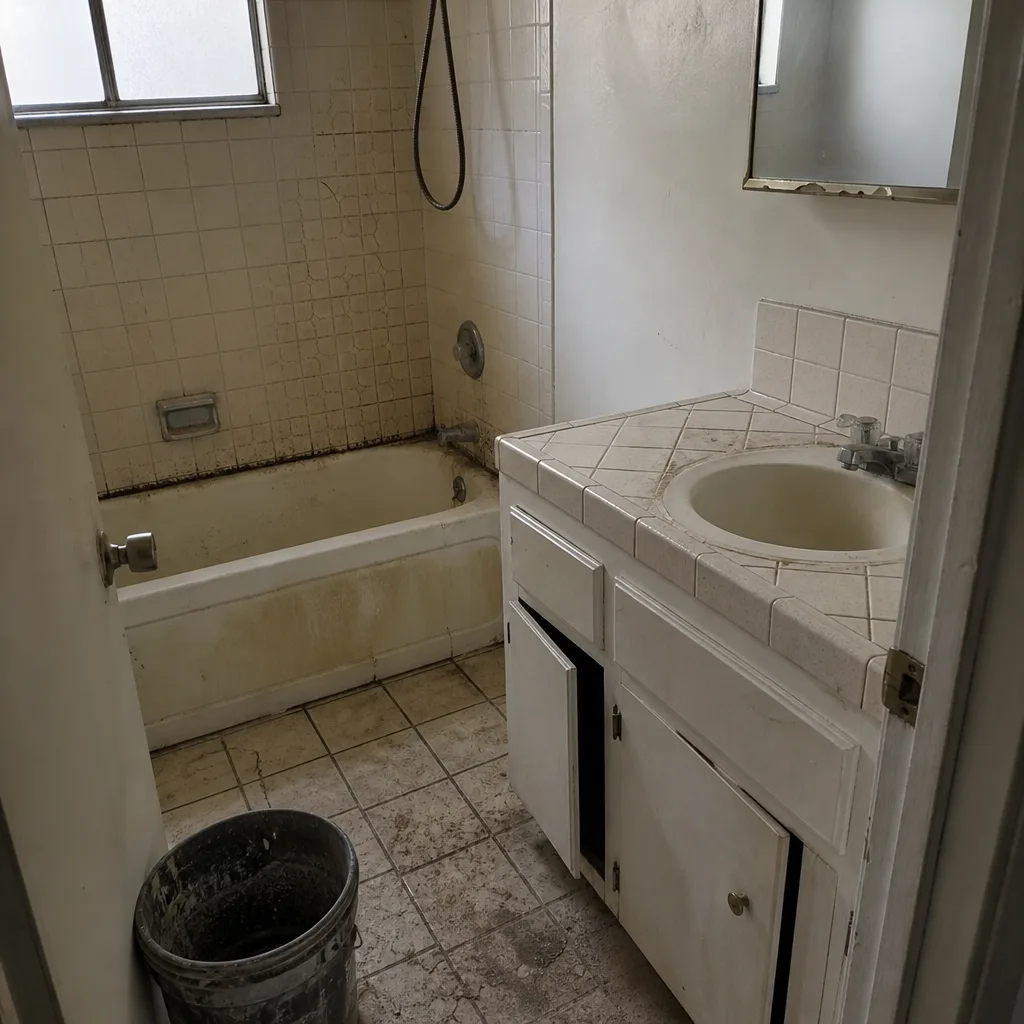 Before
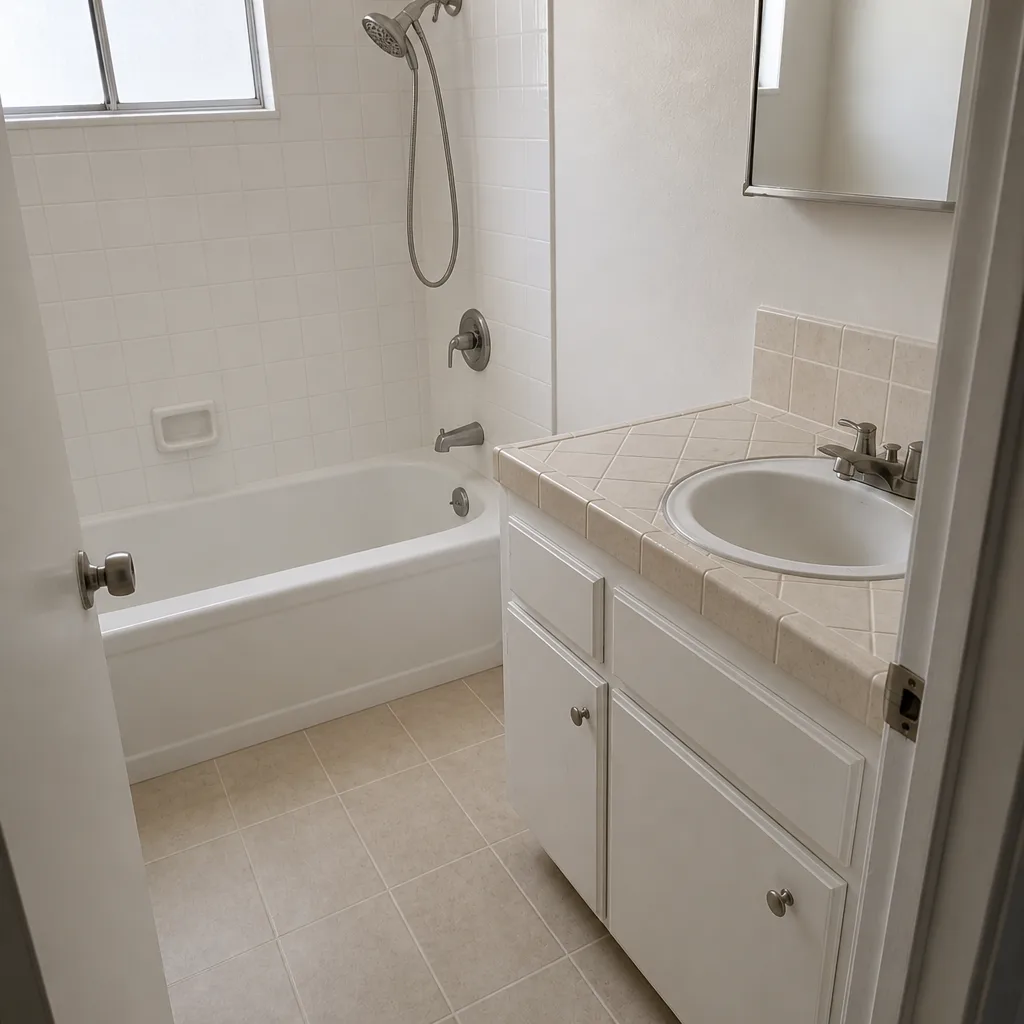 After
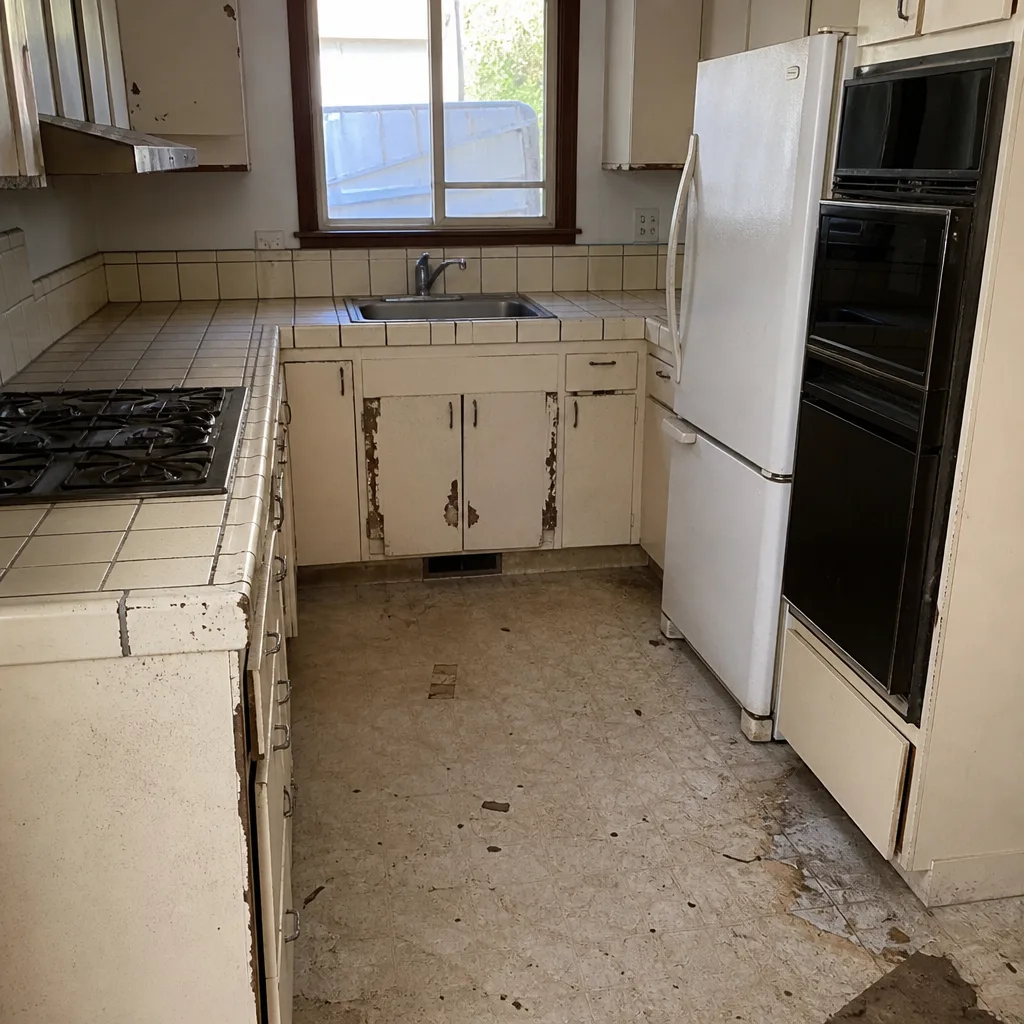 Before
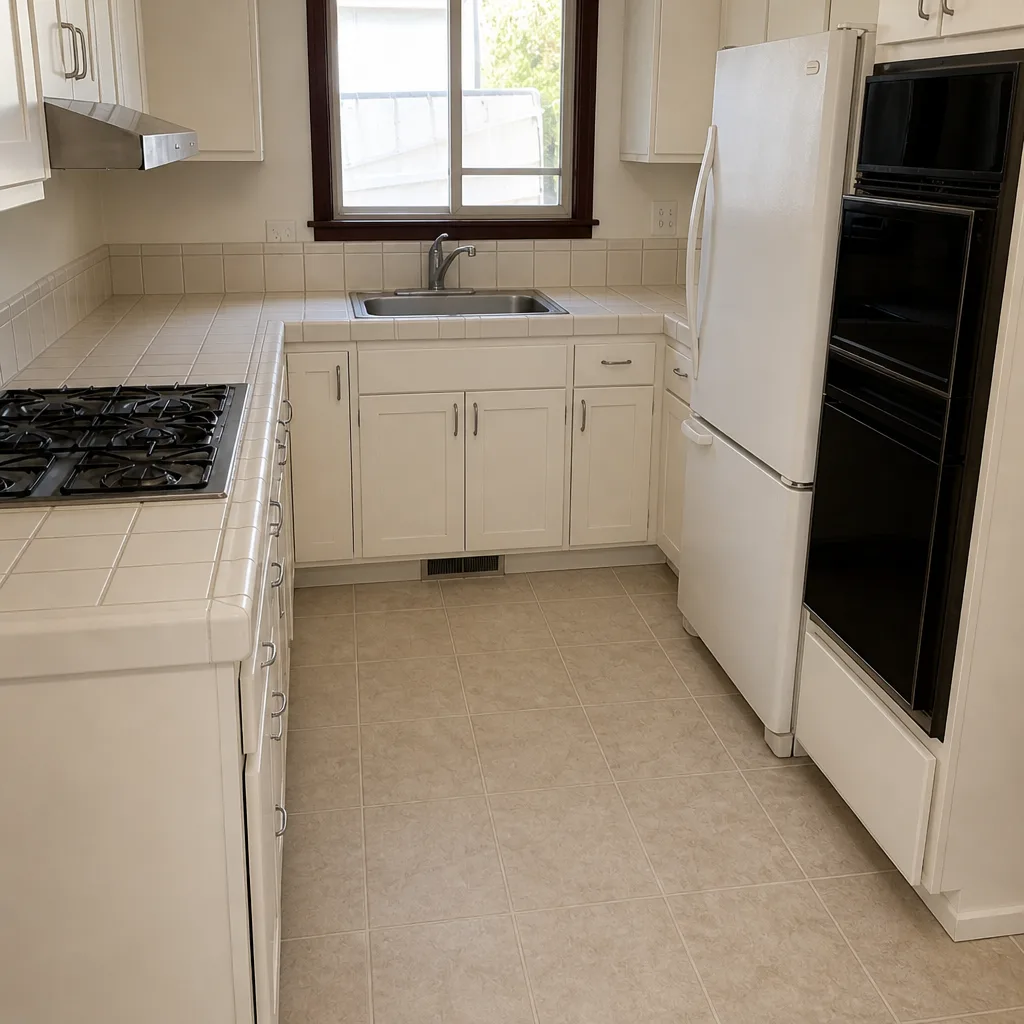 After
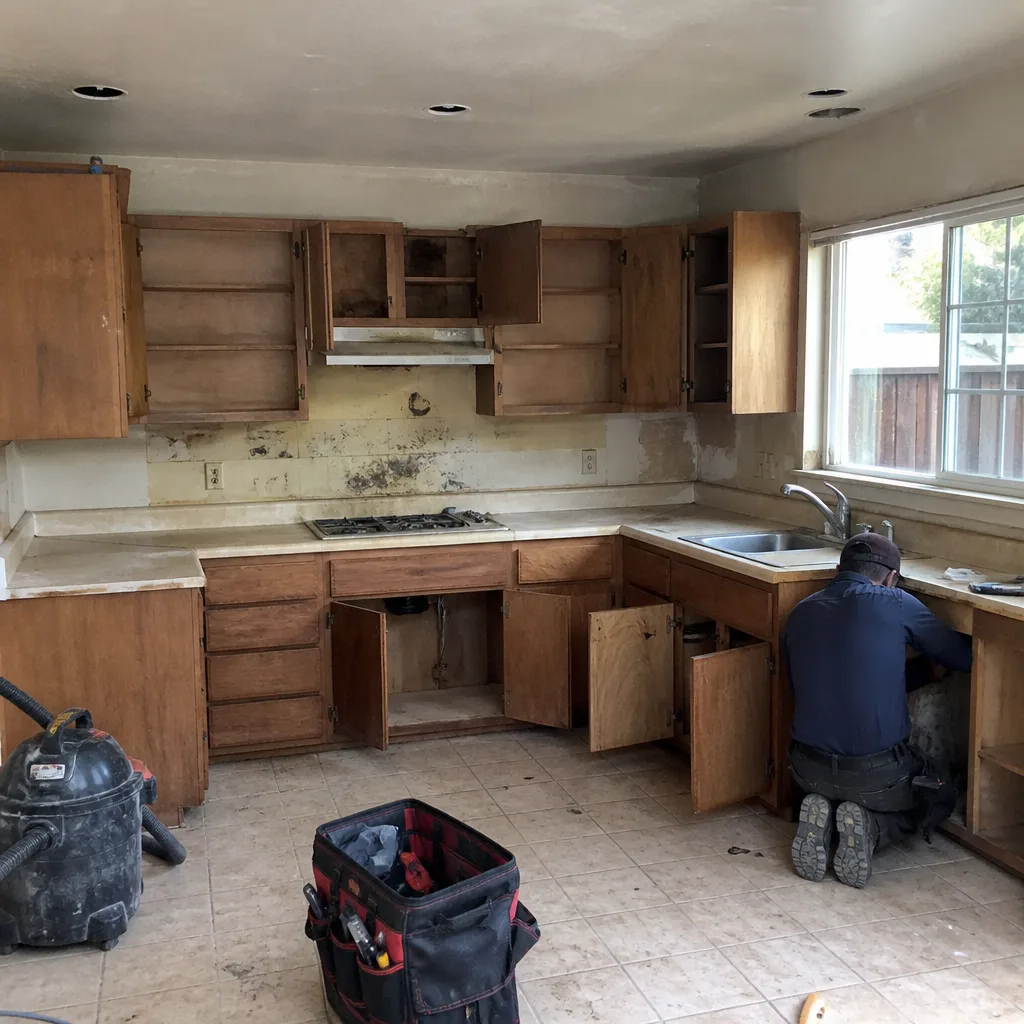 Before
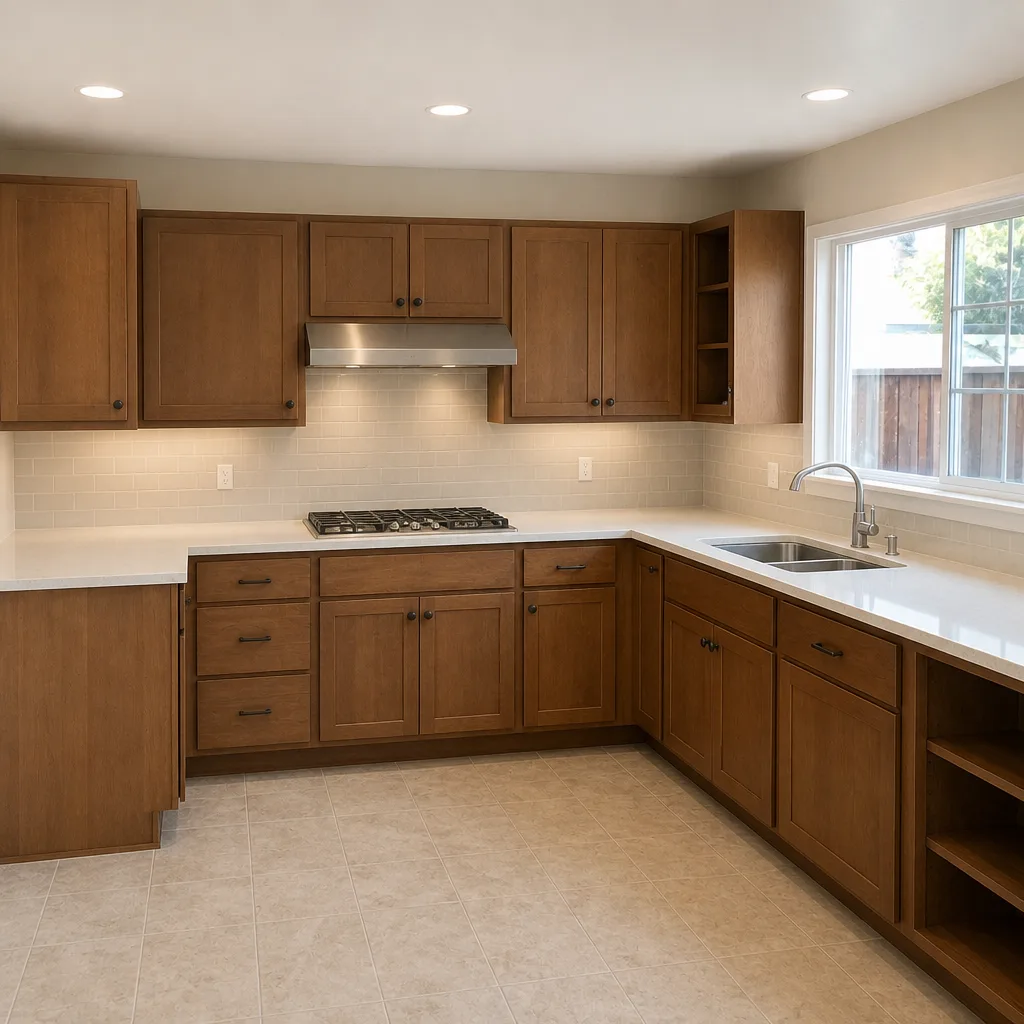 After
When to Call a Professional

Call a licensed professional the moment your project touches the electrical panel, gas lines, load-bearing walls, plumbing rough-in, or the exterior envelope of the home. Also call when the task requires a permit of any kind – tile in a shower is DIY-friendly, but structural changes and systems work aren’t. And call when a “quick DIY” job has already failed once: the second repair usually costs more than the original professional install would have, because there’s now failed work to undo before new work can start.
Penhallow Remodeling Santa Clara offers free estimates in Santa Clara – a written price before any work starts, on the scope you and the licensed contractor agree to. If you’re planning a hybrid project and want a written scope for the licensed portion only, call (833) 400-6838. A real person answers 24/7, and the estimate is free.
Frequently Asked Questions
No. California law requires electrical work to be performed by a licensed electrician, with narrow exceptions for simple fixture replacements on existing switched circuits. Replacing an outlet in-kind can technically be owner-performed in some cases, but adding a circuit, replacing a breaker, or opening a panel absolutely requires a licensed electrician. The safety consequence of a mistake is severe enough that this is one category where the law and best practice both point to hiring a professional.
Yes, for any bathroom project that touches plumbing, electrical, or structural elements. Cosmetic updates – painting, replacing a vanity that doesn’t move a drain line, swapping hardware – don’t require a permit. But if you’re moving a toilet, adding a shower, replacing a fan, or changing any electrical circuit, the city of Santa Clara requires a permit and inspections for the affected systems. Pull the permit; it costs $300 to $900 and protects both your insurance coverage and your resale value.
You must disclose it in writing on the transfer disclosure statement if you knew about it, and the buyer’s inspector will almost certainly flag it. The result is usually a price reduction, a credit request, or a demand that you obtain permits retroactively before the sale – which often requires opening the work back up for inspection. In a competitive Santa Clara market, unpermitted work on a major system can reduce a home’s offer by 5% to 15%, and can prevent certain loan types from being approved.
On a hybrid bathroom or kitchen project in Santa Clara, homeowners typically save 15% to 25% of the total labor cost by handling demo, painting, and finish work themselves. A $35,000 bathroom remodel with the hybrid approach often lands closer to $28,000 to $30,000, depending on how much plumbing and electrical work is moved. The other cost of the savings is time – a hybrid project typically adds two to four weeks of owner-coordination time to the schedule.
Not for anything above $500 total contract value including labor and materials. That threshold makes most bathroom projects off-limits to unlicensed handymen under California’s Business and Professions Code. For work above that threshold, the contractor must hold a license from the Contractors State License Board, which means you have recourse through the Board if the work fails or the contractor doesn’t finish. Hiring a handyman for a $3,000 bathroom project isn’t a gray area – it’s a legal violation that leaves you with no protection.
Yes. Any licensed contractor can write a scope covering only the permitted work – the electrical, plumbing, structural, and other systems elements – leaving demolition and finishes to you as owner. Ask for the scope to list every permitted item, the permit fee, labor, materials, inspection responsibilities, and which tasks are “by owner.” Penhallow Remodeling Santa Clara offers written scopes on hybrid projects, and the 365-Day Done Right Promise applies to the licensed work in writing. Call (833) 400-6838 to schedule a free estimate and talk through the boundary between what you can take on and what needs a license.
The Bottom Line

The real DIY question isn’t whether you’re skilled enough to do the work – it’s whether California law, your homeowner’s insurance, and the future buyer’s inspector will accept the result. Tile in a dry area, painting, demo, and finish carpentry are genuinely safe to do yourself. Anything touching the electrical panel, gas lines, load-bearing walls, or plumbing rough-in is off-limits to the owner and exposed if done wrong. The hybrid approach – licensed for what matters, DIY for the rest, with a written scope for the licensed portion – is the sweet spot for most Santa Clara homeowners. And the two things that protect you throughout: a permit record and a written guarantee on every professional portion of the job.
If you’re planning a project and want the licensed portion scoped in writing before you start pulling drywall, call Penhallow Remodeling Santa Clara at (833) 400-6838 for a free estimate. When our team shows up, they arrive background-checked and uniformed, and you’ll have a written price before any work begins. Both are part of our general contractor work in Santa Clara on every project – same standard whether you’re handing us the whole job or just the licensed systems while you take on the demo yourself.
Written by the team at Penhallow Remodeling Santa Clara.