
Last updated November 17, 2026








Free written scope consultation - allowances, timeline, and change-order rules on paper before a single trade is scheduled
General Contractor Maintenance Schedule: What to Do and When
Most roofing and waterproofing warranties require documented annual inspections by the homeowner. That clause is buried in the warranty booklet, usually on page four, and it voids coverage on claims filed without the paper trail. In our experience working on homes across Santa Clara, the homeowners who get burned aren’t the ones who skipped the big stuff. They’re the ones who didn’t know the small stuff came with a deadline. This guide walks through the maintenance calendar tied to the systems a general contractor actually touches: framing, waterproofing, roofing, mechanical rough-ins, plumbing, and electrical. You’ll learn which checks you can do yourself, which ones need a licensed professional, and how to keep a log that holds up when you file a claim. Santa Clara’s seismic activity and clay soil give this schedule a local twist, and we’ll cover that too.
Quick Answer
A general contractor maintenance schedule runs on four cycles: a 30-day post-completion walk-through, seasonal checks (spring and fall), annual warranty inspections, and a 5-year structural review. The 30-day check catches immediate settlement; the annual check protects manufacturer warranties; the 5-year review catches foundation and seismic movement before it becomes structural. The single most important habit is a written maintenance log, because warranty claims live or die on documentation.
Styles & brands we work with
- Kitchen remodeling
- Bathroom remodeling
- Home additions & ADU
- Roofing
- Windows & doors
- Driveway & pavers
- Fence
Table of Contents
- The 12-Month Maintenance Calendar by Trade
- Which Post-Remodel Inspections Need a Licensed Pro
- How Santa Clara’s Seismic Activity Changes the Schedule
- The 30-Day, 1-Year, and 5-Year Checkpoints
- Building a Maintenance Log That Doubles as Warranty Evidence
- Roofing and Waterproofing: The Warranty Killers
- Mechanical, Plumbing, and Electrical: What to Check
The 12-Month Maintenance Calendar by Trade
Think of your home as a set of systems, each with its own failure rhythm. A general contractor coordinates these trades during a remodel, and after the punch list is signed, they still need attention. Here’s how to think about a year.
Roofing. Inspect twice a year, ideally after the first fall rain and again in spring. Look at flashing around chimneys and skylights, check for granule loss in gutters, and confirm no shingles are lifting. Most asphalt shingle warranties void if you can’t show annual inspection records.
Waterproofing. This is the layer most homeowners forget, even though it’s the one that protects everything else. For bathroom remodels, check the cement board substrate (the moisture-resistant layer behind your tile) for any soft spots near the shower pan. Re-caulk wet areas every 12 to 18 months. That sounds frequent because it is: caulk is a wear item, not a permanent seal.
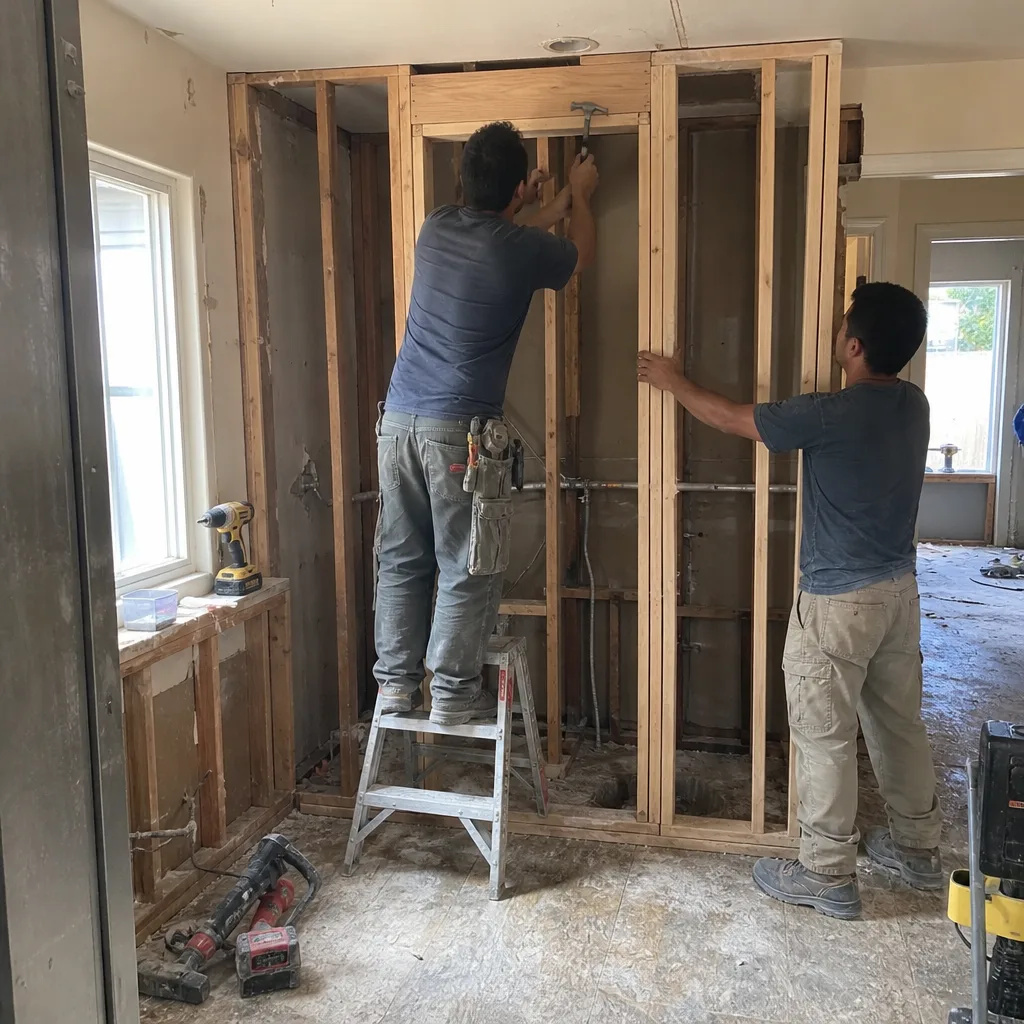
Framing and structure. Walk the perimeter every spring. Hairline cracks in drywall at door corners are normal settlement. Diagonal cracks wider than a credit card, or any crack that grows between checks, need a professional look.
HVAC rough-in. Change filters quarterly, schedule a professional service annually, and clear the condensate line before cooling season. In Santa Clara, the condensate line is the one that quietly clogs and floods the closet by August.
Plumbing. Check under every sink annually. Look for mineral staining, which shows slow leaks long before a puddle does. Flush the water heater every year to extend its life by several years.
Electrical. Once a year, trip every GFCI and AFCI breaker to confirm it still resets. These devices fail silently. If a breaker won’t reset, that’s a call-a-professional day.
Which Post-Remodel Inspections Need a Licensed Pro
Not every check needs a licensed professional. Here’s the line we draw.
Homeowner walk-throughs are enough for: caulking reapplication, filter changes, visual roof inspections from the ground with binoculars, testing GFCI outlets, and checking under-sink cabinets for staining.
Call a licensed professional for: anything touching the electrical panel, gas lines, roof access beyond ground level, structural cracks, water heater anode replacement, and HVAC refrigerant work. You also need a licensed inspector to satisfy most manufacturer warranties. The fine print usually says “annual inspection by a qualified professional.” A homeowner’s memory doesn’t count as documentation. A signed inspection report does. That’s the whole game.
In Santa Clara, the building department also requires permits for many maintenance items that look cosmetic, like replacing more than 25% of a roof or re-piping a water line. If a repair gets pulled into a permit, get it inspected and keep the sign-off. It becomes part of your maintenance log.
How Santa Clara’s Seismic Activity Changes the Schedule
Santa Clara sits close enough to the Hayward and Calaveras fault systems that the ground moves more than homeowners in the Midwest would notice. That doesn’t mean earthquake damage. It means slow, cumulative movement that shows up in the small systems.
- Caulk and sealant fail faster. Flexing walls open caulk joints, especially at tub surrounds and exterior windows. Re-caulk every 12 months here instead of every 18.
- Anchor bolts loosen. Check sill-plate anchor bolts where you can see them (crawlspaces, garage framing) every 2 years. A loose bolt means your framing isn’t tied to the foundation the way the engineering drawings intended.
- Foundation connections need eyes. The 5-year review matters here. Look for separation between the foundation wall and the sill plate. A credit-card gap is a problem worth a professional look.
- Clay soil adds to it. Santa Clara’s expansive clay soil swells in the wet season and shrinks in summer. That cycle pushes and pulls on the foundation a little more than sandy soils do. It’s why 30-day and 1-year settlement checks matter more here than in other regions.
If you have a Santa Clara home built before the 1980s, this schedule matters even more. Older framing was built to a lower seismic standard, and the 5-year structural check is how you find out what you’re working with.
The 30-Day, 1-Year, and 5-Year Checkpoints
These three checkpoints catch the five failure points most likely to become expensive. Work them into an annual rhythm and the expensive stuff tends not to happen.
- 30-day post-completion walk-through. Check every new door for alignment, every new cabinet for soft-closing function, every tile joint for movement. Water test new shower pans. Look for new cracks at the corners of door openings and windows. Document with photos dated to the day.
- 1-year anniversary inspection. This is the warranty sweet spot. Most workmanship guarantees run 12 months, and most manufacturer warranties on cabinets, countertops, and fixtures have a 1-year defect clause. Inspect settlement cracks, roofing flashing, waterproofing caulk joints, and window seals. If something’s going to fail, it’ll usually fail inside this window.
- 5-year structural review. Hire a licensed inspector with seismic experience. They’ll check foundation cracks, anchor bolt torque, framing connections, and the roof structure. This is the point where Santa Clara homeowners either find the small problem or wish they had.
Building a Maintenance Log That Doubles as Warranty Evidence
Warranty claims get denied for one reason more often than any other: the homeowner has no paper trail. A simple maintenance log protects you because it’s the proof the warranty clause asks for.
What goes in it:
- Date of each inspection (self or professional)
- What was inspected, by trade
- Photos, timestamped
- Any service performed, with the invoice attached
- Name and license number of any professional involved
- Any receipt for materials (caulk, filters, sealant)
Keep it in one folder, either paper or a shared cloud drive. Which format you pick doesn’t matter. What matters is that you can produce it when you file a claim. If your warranty requires “annual inspections by a qualified professional,” make sure at least one professional visit per year lands in the log with a signed report.
Roofing and Waterproofing: The Warranty Killers
Roofing and waterproofing are the two trades where warranty claims are most often denied, and the cause is almost always a missing inspection record. A 20-year shingle warranty doesn’t mean much if the manufacturer can show you didn’t inspect annually.
What a homeowner can do themselves: clear debris from gutters twice a year, inspect the roof from the ground with binoculars after storms, check the attic for stains after the first fall rain, and confirm the flashing around the chimney and skylights hasn’t lifted.
What needs a professional: any roof access beyond ground level (steep-roof work is genuinely dangerous and not a DIY task), any waterproofing membrane inspection, any flashing repair, and any roof replacement over 25% of the surface (a Santa Clara permit item). If you’re not sure whether it’s a big repair or a small one, get the inspection first and get the opinion in writing.
Mechanical, Plumbing, and Electrical: What to Check
These are the systems homeowners ignore until they fail, and the failures are expensive because they happen at the worst possible time.
HVAC: quarterly filter changes, annual professional service, and a condensate line check before each cooling season. If your system is over 10 years old, add a spring efficiency check to the schedule.
Plumbing: annual under-sink inspection, annual water heater flush, and a check on the main shutoff valve once a year (turn it briefly to confirm it still moves). A seized shutoff valve during a leak is a five-figure problem.
Electrical: annual GFCI/AFCI trip test. On older panels, look for rust, scorching, or a burning smell near the breaker box. Any of those is a call-a-professional day, not a maintenance item.
If something on this list fails and you had a remodel within the past year, check the paperwork first. Our Penhallow Remodeling Santa Clara home page lists the guarantees and timelines we work to, and a 365-day guarantee usually covers a mechanical failure that traces back to the work itself.
Common Mistakes to Avoid
- Skipping the 30-day walk-through. Settlement happens early. Catching a hairline shower leak or a door that stopped opening correctly at day 30 is cheap. Catching it at year 3 is a remodel.
- Assuming “completed” means “permanent.” Caulk, weatherstripping, and grout are wear items. They need re-doing on a schedule, not on a “when it fails” plan.
- Not documenting self-inspections. A photo with no date and no note is not evidence. Date everything.
- Treating a manufacturer warranty as automatic. Most require annual inspections by a qualified professional. Miss the clause and the warranty is a sheet of paper.
- Replacing cosmetic items before the structural ones. In Santa Clara, homeowners regularly re-caulk beautiful tub surrounds while the sill-plate anchor bolts underneath are loose. Structural first, cosmetic second.
- Ignoring a foundation crack that grows between checks. Growth is the signal. A credit-card crack that hasn’t changed is probably fine. A crack that widened between spring and fall is not.
- Waiting for a failure to call. If you have to call a professional, the appointment costs less than the damage. Schedule it.
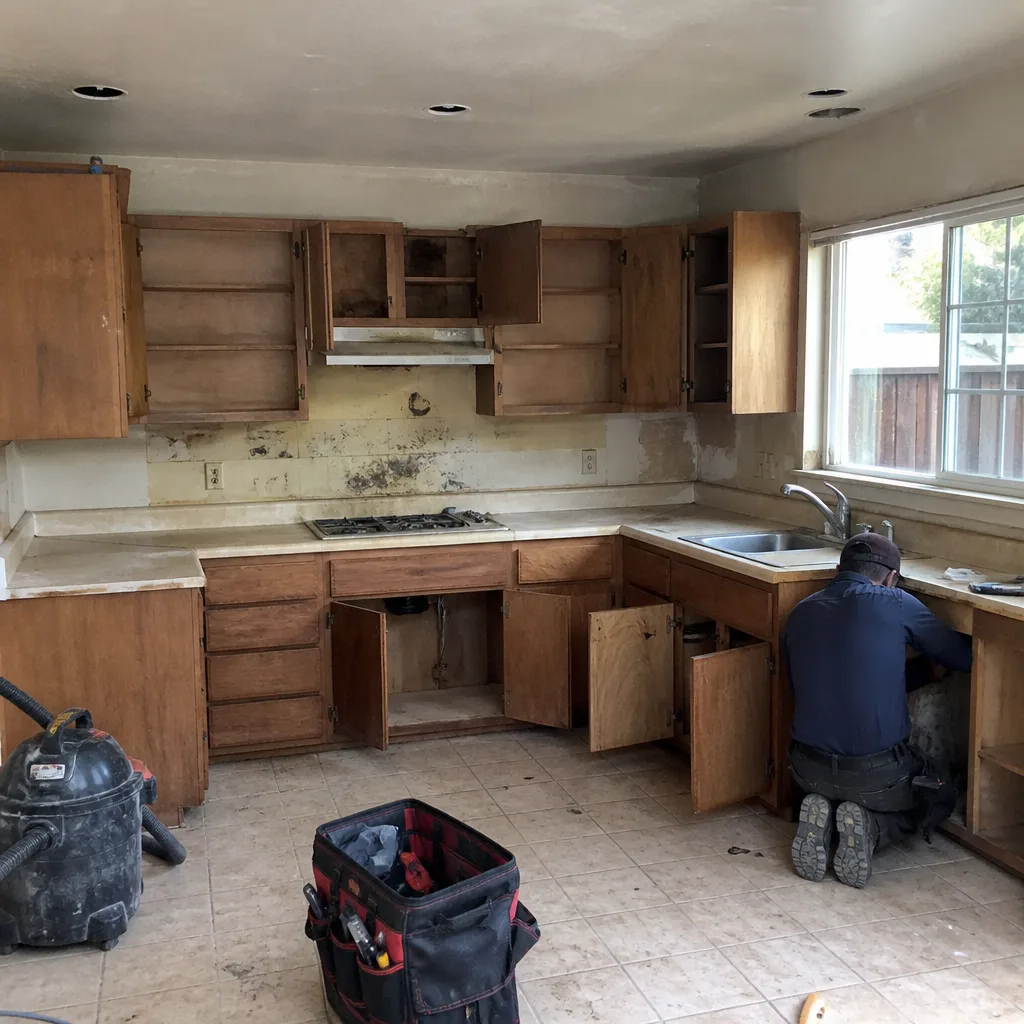
See the difference
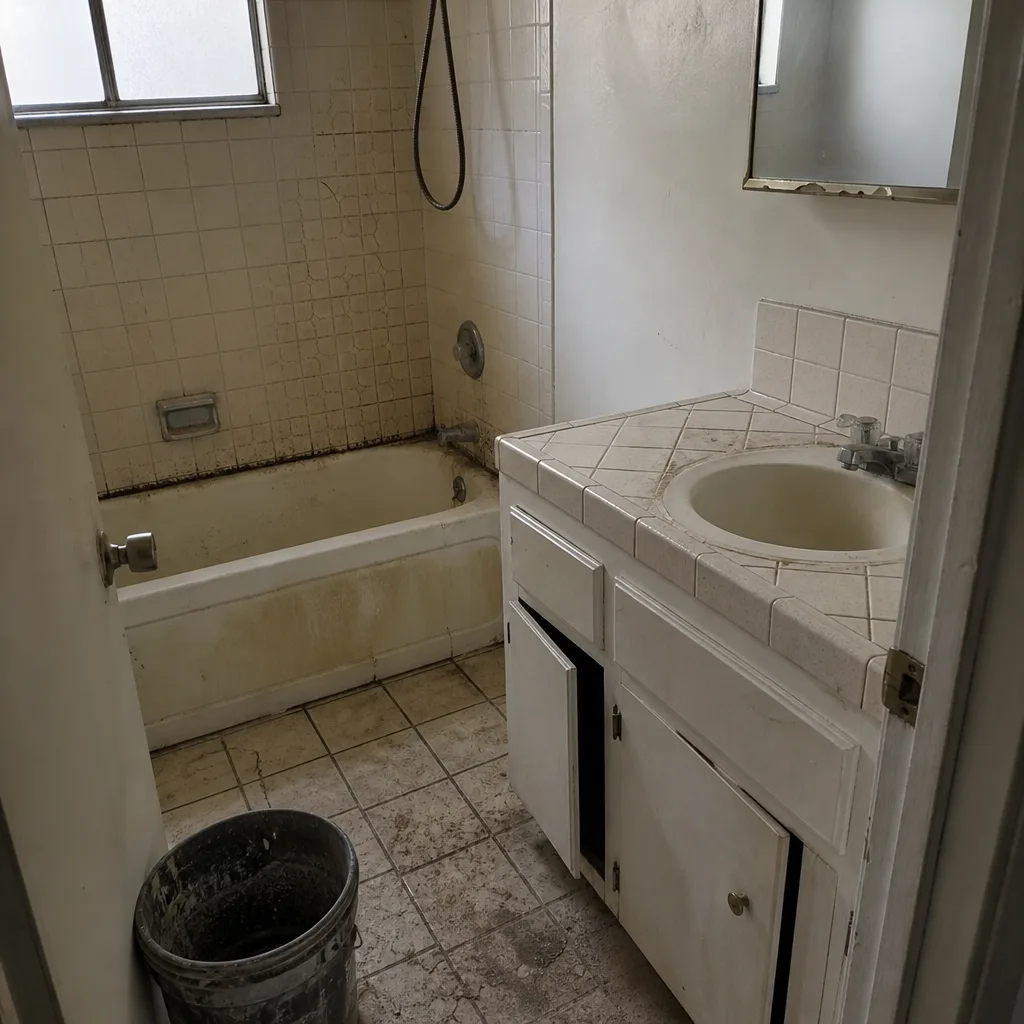 Before
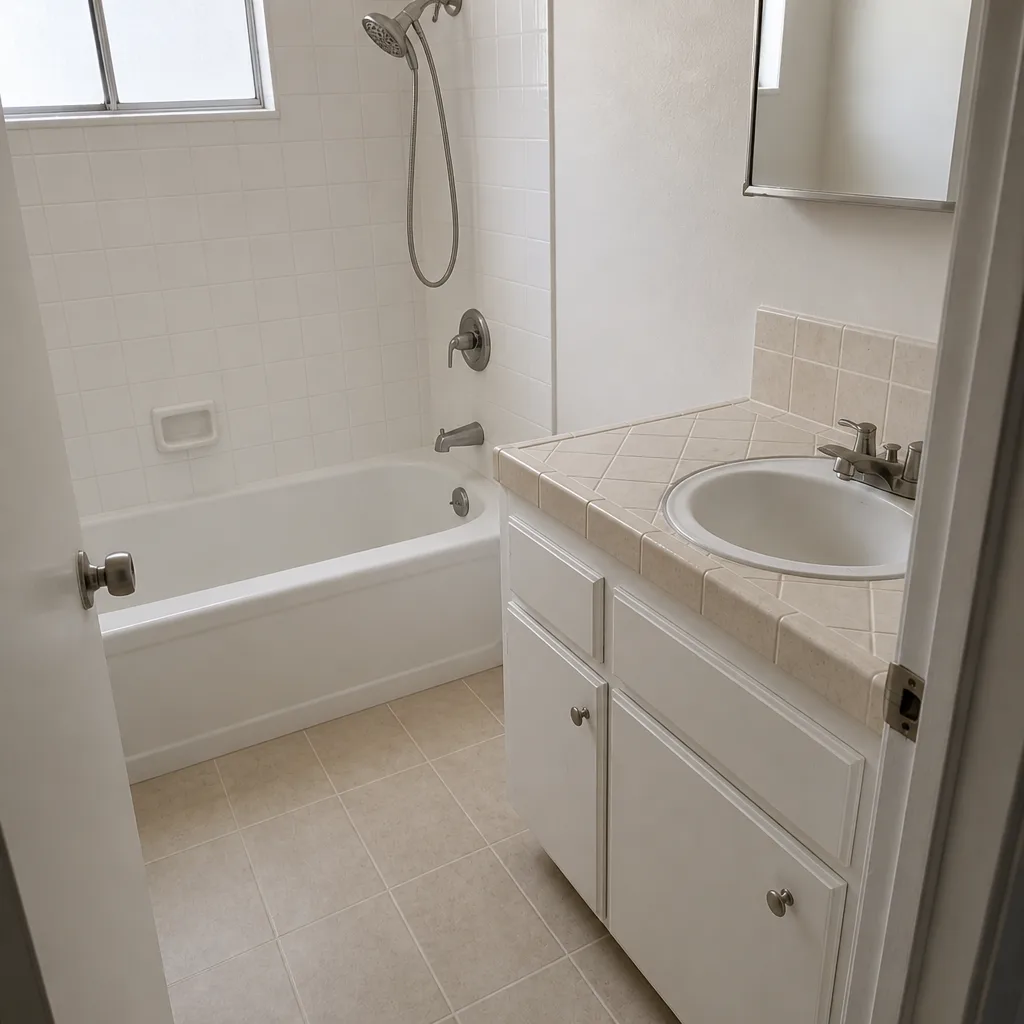 After
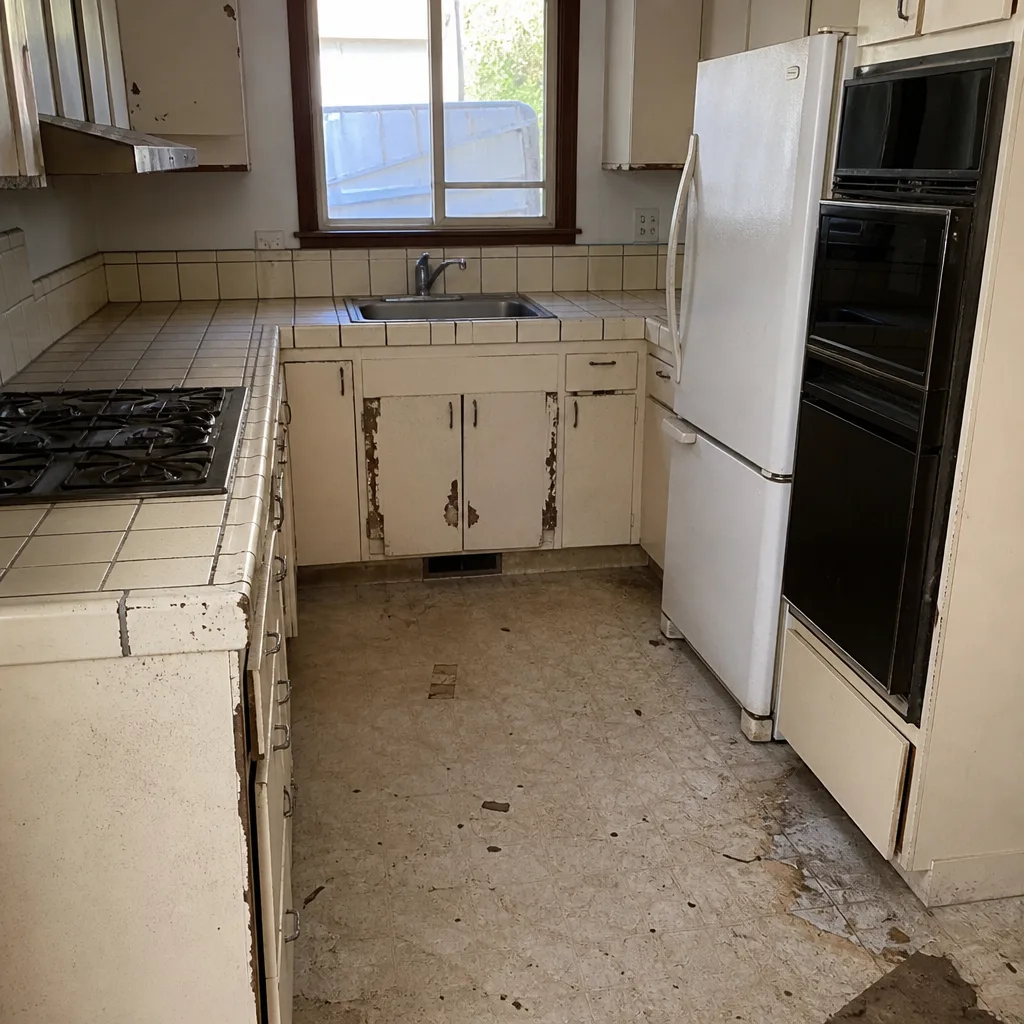 Before
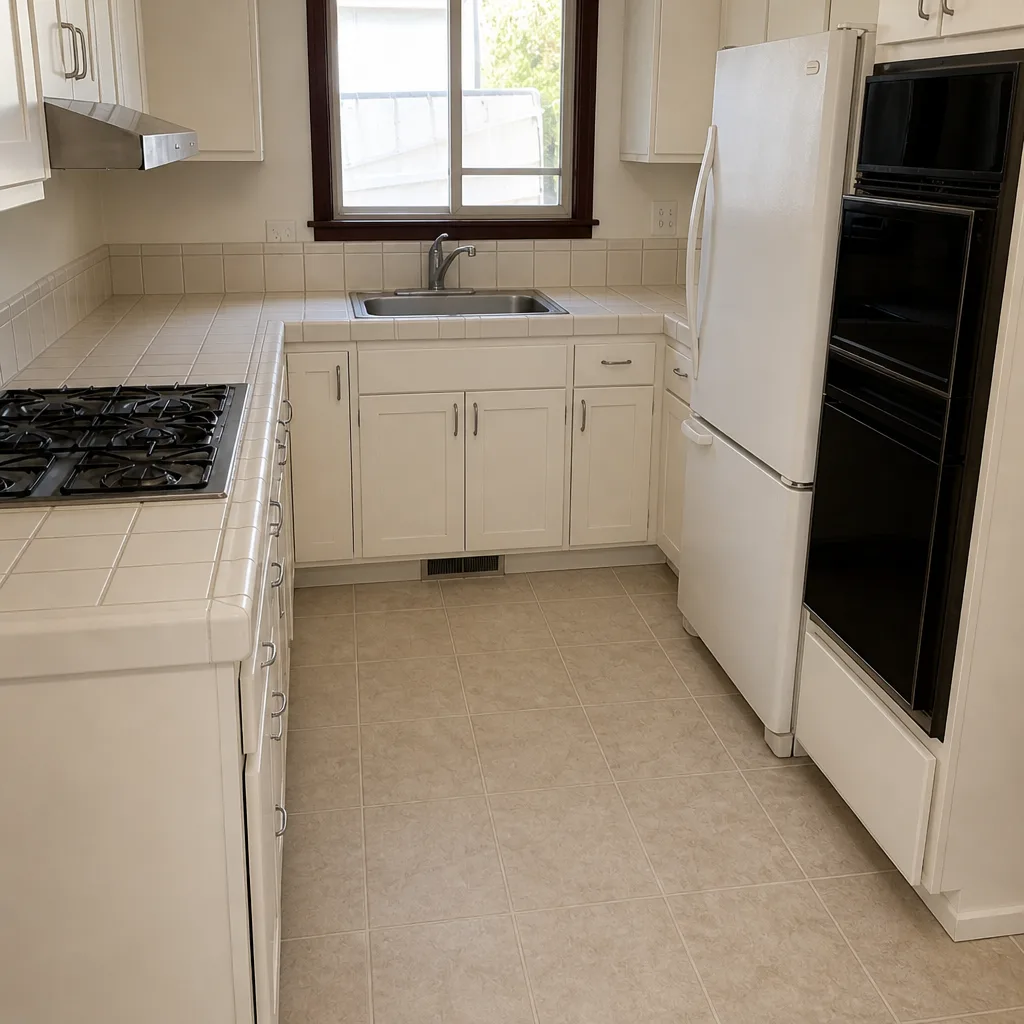 After
 Before
 After
When to Call a Professional
Call a licensed professional for any of these: a foundation crack that grows between checks, water staining in the attic, a GFCI or AFCI breaker that won’t reset, a water heater that’s over 10 years old and hasn’t been flushed, a condensate line that’s clogged, a loose anchor bolt you can see, or any roof problem that requires more than a ground inspection.
Also call a professional if you’re within the warranty window on a recent remodel and something has failed. The manufacturer and the contractor both want the failure documented properly. We’ve helped Santa Clara homeowners get straight answers on what’s covered and what isn’t. Penhallow Remodeling Santa Clara offers free estimates in Santa Clara. Call (833) 400-6838 to schedule one.
Frequently Asked Questions

Twice a year for roofing and waterproofing, once a year for mechanical, electrical, and plumbing, and a structural review every 5 years. The 30-day walk-through after a remodel is separate and happens once, right after completion.
Some of them, yes. Roof replacement over 25% of the surface, re-piping water lines, and most electrical panel changes require a permit through the Santa Clara building department. Cosmetic work like re-caulking and filter changes doesn’t.
It shortens the calendar. Caulk fails faster because walls flex, and anchor bolts loosen more than they would in a stable-soil region. Plan on a 12-month caulk cycle and an anchor bolt check every 2 years.
Workmanship failures inside the guarantee window: a shower pan that leaks, a cabinet that pulls out, a tile joint that opens. It doesn’t cover wear items like caulk, filters, or gaskets. Call (833) 400-6838 with the original paperwork in hand and the failure gets documented and fixed.
Yes, and it’s often the difference between a paid claim and a denied one. Most manufacturer warranties require documented annual inspections. A dated log with photos and professional reports is the proof they’re looking for.
About two hours for a homeowner walk-through, and three to four hours for a professional inspection of a kitchen, bath, or whole-home remodel. Book it for the first dry week after completion, then again at the 1-year mark.
If the work was a kitchen or bath remodel and you’re not sure what needs the closest look, our guide to Bathroom Remodeling in Santa Clara covers the specific waterproofing checkpoints, and the Kitchen Remodeling in Santa Clara page covers the cabinet and countertop warranty windows. For general contractor services, our General Contractor in Santa Clara page lays out what we coordinate and what stays on your maintenance list.
The Bottom Line
Maintenance after a remodel isn’t optional upkeep. It’s the paperwork that decides whether your warranties still apply. The schedule is simple: 30 days after completion, every spring and fall for roofing and waterproofing, once a year for mechanical, plumbing, and electrical, and every 5 years for structural review. Keep a dated log. Schedule the professional inspections the warranty booklets ask for. Santa Clara’s seismic activity and clay soil make the shorter cycles matter more here than in most of the country. Do those three things and the expensive failures get caught while they’re still cheap.
If you’d rather not sort through the warranty booklets alone, Penhallow Remodeling Santa Clara will walk you through the schedule and confirm exactly what’s covered. Call (833) 400-6838 for a free estimate.
Written by the team at Penhallow Remodeling Santa Clara.