Last updated November 17, 2026








Free written scope consultation - allowances, timeline, and change-order rules on paper before a single trade is scheduled
General Contractor Troubleshooting: Common Problems and How to Fix Them
A contractor going quiet for three days mid-project feels like rudeness. In California, it can be something heavier: evidence of project abandonment, and the moment that clock starts, certain rights begin running in your favor. Most homeowners never use them because nobody told them the clock existed. We’ve watched this play out on Santa Clara remodels where a homeowner waited politely for eleven days while a contractor quietly moved their cabinet order to another jobsite. What follows is a plain decision tree for the six problems that actually derail projects, what to document at each step, and the specific language that protects you before you withhold a single draw payment.
Quick Answer
When a general contractor problem appears mid-project, your first move is always the same: stop talking on the phone and start a written record. Send every concern by email or text with a date, photograph the condition, and reference your contract’s specific clause. If the issue is defective work, non-payment of subcontractors, or abandonment, you have grounds to withhold a draw, and in Santa Clara County that written notice is what makes the withholding legal rather than a breach on your side. Most disputes resolve at the written-notice stage; the ones that don’t go to the Contractors State License Board (CSLB), and the paper trail you build in week one is what carries the case.
Styles & brands we work with
- Kitchen remodeling
- Bathroom remodeling
- Home additions & ADU
- Roofing
- Windows & doors
- Driveway & pavers
- Fence
Table of Contents
- Problem 1: The Contractor Has Gone Silent
- Problem 2: The “Supply Delay” That Isn’t One
- Problem 3: Defective Work You Can Actually Document
- Problem 4: Subcontractors Are Calling You for Money
- Problem 5: The Early “Substantial Completion” Claim
- Problem 6: Withholding a Draw Payment the Right Way
- When to Call the CSLB and When a Demand Letter Is Enough
Problem 1: The Contractor Has Gone Silent
Three business days of no contact, with no crew on site and no explanation, is the threshold most California construction attorneys treat as the start of an abandonment question. Abandonment matters because it changes the legal posture of the whole job: it can justify termination for cause, it triggers your right to demand return of unused materials you paid for, and under the CSLB’s licensing rules it can support a complaint that carries real weight. Silence after you’ve paid a draw is the serious version. Silence with the job current is usually a scheduling problem, not a legal one, and you don’t want to fire a demand letter over a scheduling problem.
Here’s the decision tree we walk homeowners through:
- Day 1-2 of silence: Send one email and one text. Keep it neutral. “Checking in on the schedule for this week – can you confirm when the crew returns?” No accusations yet.
- Day 3-5: Send a written notice by email stating the last date of on-site work, the last date of contact, and that you’re requesting a written schedule update within 48 hours.
- Day 5-10: If there’s still no answer, this is when you send the formal notice of concern. State that continued silence will be treated as abandonment and that you’re preserving your rights under the contract and California law. Keep it short. Attorneys write long letters; homeowners win with clear ones.
- Beyond Day 10: Stop paying. Do not hand over another draw until you have a written schedule with dates.
If the silence started after a payment, the pattern to check is materials. More on that below, because it’s the most common thing we see on Santa Clara jobs where the homeowner paid a large deposit up front. If you’re at the point of choosing a contractor rather than troubleshooting one, the general contractor in Santa Clara page covers what the contract should look like before work starts.
Problem 2: The “Supply Delay” That Isn’t One
Real materials delays are ordinary. A Cambria quartz slab with a specific edge profile can run four to six weeks from order to install, and that’s normal even in a healthy supply chain. What is not normal is a delay that keeps changing its story. The pattern to watch for is a contractor who took your cabinet deposit, used it to float materials on another job, and is now waiting for the next draw to arrive so they can order yours. That is not a supply problem. It’s a cash flow problem, and it’s a serious one because it usually means the contractor is behind on more jobs than yours.
How to distinguish the two, in practice:
- Ask for the order confirmation. A real order has a vendor name, an order number, and an estimated ship date. If the contractor can’t produce that document within a day, the material likely wasn’t ordered.
- Call the vendor directly. Cabinet lines like KraftMaid and Wellborn, and countertop suppliers working in Cambria or Silestone, will confirm an order date if you’re the named customer on the purchase. Ask for the order number first, then verify.
- Check the communication rhythm. A contractor managing a legitimate delay usually over-communicates. A contractor managing a financial problem goes vague and stops mentioning dates.
Santa Clara has the additional wrinkle of older housing stock, especially in neighborhoods like the Old Quad and the streets around Santa Clara University, where a “supply delay” often turns out to be a substrate problem nobody measured for. Cement board substrate (the moisture-resistant layer that backs tile and cabinetry) frequently needs replacement once the old finish comes off a 1950s wall. That’s a legitimate schedule hit. The difference is that a real one shows up with photos and a written change order, not a phone call saying “it’ll be another couple weeks.”
If you’re still in the planning phase and want to avoid this problem entirely, the way the kitchen remodeling in Santa Clara process is structured – with the written price and material order confirmed before demo – is the version that doesn’t produce mid-project surprises.
Problem 3: Defective Work You Can Actually Document
Defective work is only as strong as your record of it. A contractor can argue about your opinion. They can’t argue about a photo with a date stamp, a tape measure in frame, and a written log entry naming the specific defect. The reason so many CSLB complaints fail is not that the work was fine. It’s that the homeowner has twelve blurry photos and no written timeline, and the contractor has an invoice showing the job was “substantially complete.”
Here’s the documentation method that holds up if you end up in a formal dispute:
- Photograph the defect in three frames. Wide shot showing the whole room, medium shot showing the defect in context, close-up with a tape measure or level in frame. Take them the same day you notice, and don’t delete the originals.
- Keep a written log. One email thread is better than scattered messages. Every entry: date, what you observed, who you spoke to, and what was promised. Include the date you notified the contractor and the date they responded, or note that they didn’t.
- Get a second opinion in writing. If the contractor disputes the defect, a written inspection from an independent third party – another licensed contractor, or a home inspector – carries enormous weight. Most will do a walkthrough for a small fee, and that letter is often what turns a dispute into a repair.
- Do not patch it yourself. The moment you touch the work, the contractor’s position becomes “the homeowner modified it.” Leave the defect alone until it’s documented.
In our experience on Santa Clara bathrooms, the two most common defects to document this way are tile lippage (adjacent tiles sitting at different heights, which you can check with a straightedge) and improper waterproofing behind shower tile, which only shows up months later as a soft spot or staining on the adjacent drywall. The bathroom remodeling in Santa Clara page covers what a properly built shower looks like before tile goes on, which is the cheapest time to check.
Problem 4: Subcontractors Are Calling You for Money
If an electrician or tile setter calls you directly asking whether the contractor has paid them, stop and take this seriously. In California, a subcontractor or material supplier who hasn’t been paid can file a mechanics lien against your property, and the lien attaches to the property, not to the contractor. This is the single most financially dangerous version of a mid-project problem, because it can put a cloud on your title long after the contractor has disappeared.
What to do, in order:
- Ask the sub for a written statement of what they’re owed and for what work. Get it in writing before you say anything else.
- Check whether the sub sent a preliminary notice. California requires most subs and suppliers to send a 20-day preliminary notice to the homeowner early in the job. If they sent one, you were on notice and the lien risk is real. If they didn’t, their lien rights are usually much weaker.
- Do not pay the sub directly unless you’ve confirmed with the contractor in writing and you’re prepared to treat that payment as a draw against the contract. Paying twice is a common and expensive mistake.
- Request lien releases with every draw. A conditional lien release signed by each sub, tied to the payment you’re about to make, is standard practice on well-run jobs. If your contractor isn’t providing them, that’s the gap to close.
If a sub is calling you for money, assume your contractor has a cash flow problem and document everything from this point forward. This is the moment to review the original contract and any written guarantee. Every job should have a written guarantee that outlasts the crew – if you don’t have one in hand, that’s the first document to request.
Problem 5: The Early “Substantial Completion” Claim
“Substantial completion” is the legal trigger for final payment, and it’s also the most exploited phrase in residential construction. California law defines it, but loosely enough that contractors use it to demand final payment while punch list items are still open. The standard definition: the work is complete enough that the owner can use the property for its intended purpose. A kitchen with cabinets installed but no countertop isn’t substantially complete, because you can’t cook in it. A bathroom with tile set but no fixtures isn’t substantially complete, because you can’t shower.
When your contractor claims substantial completion and asks for the final draw, check this list before you respond:
- Is every item on the punch list closed? Not scheduled – closed. If the list has five open items, you’re not at substantial completion, regardless of what the invoice says.
- Are all inspections signed off? In Santa Clara, that means the final inspection from the city’s building department has passed and you have the signed card. No final inspection, no final payment.
- Have you received lien releases from every sub and supplier? This is the last moment you have leverage to collect them.
- Do you have the written guarantee and any manufacturer warranties in hand? If the job involves Cambria quartz, that product carries its own lifetime warranty, but you need the paperwork to use it.
- Have you walked the job with the contractor and photographed every remaining item? Do this before the final payment conversation, not after.
If any item on that list is open, your written response is simple: “We’re not at substantial completion yet – here are the open items and the dates we need them completed. Final payment will be released when they’re closed and the final inspection has passed.” That one paragraph resolves most disputes without a lawyer.
Problem 6: Withholding a Draw Payment the Right Way
Withholding a draw is your strongest tool, and it’s also the one most likely to backfire if you do it without written notice. The reason: the contractor can argue you breached the payment terms, stop work, and file a mechanics lien for the amount owed. The written notice you send before withholding is what flips the whole thing from “homeowner didn’t pay” to “contractor failed to cure.”
The notice needs four things, in plain language, and it should be emailed and also sent by certified mail:
- What the specific problem is. Name the defect or the failure to perform in concrete terms. “The master shower tile has visible lippage of roughly 1/4 inch across the back wall” is documentation. “The work isn’t right” is not.
- What the contract or code requires. Reference the clause and the applicable standard. If the work fails inspection, cite the inspection report number.
- A reasonable cure period. Ten to fifteen days is standard for most items. For safety-related defects, don’t give a cure window – stop the work and get it fixed under supervision.
- The consequence of non-cure. State clearly that if the issue isn’t corrected in the window, you’ll withhold the next draw and, if necessary, pursue remedy through the CSLB and any other avenue the contract provides. You don’t have to threaten a lawsuit in writing. You just have to be clear about what happens next.
Send that letter once, hold the draw, and keep copies. In our experience most contractors correct the issue within the cure period once they’ve received written notice, because the alternative – a CSLB complaint and a lien fight – is expensive for everyone. If you haven’t selected a contractor yet and want to know what the written price and guarantee should look like before you sign, the Penhallow Remodeling Santa Clara home page covers the Kingswell Way: say the price before the work, show up in the window we gave, leave the place cleaner than we found it.
When to Call the CSLB and When a Demand Letter Is Enough
The Contractors State License Board exists for exactly these disputes, and it has real teeth – it can investigate, require corrections, and in serious cases suspend or revoke a license. But it’s slow, and it’s a formal process. It’s the right tool when the problem is a license violation, a pattern of consumer harm, or a contractor who won’t respond to anything else. It’s the wrong tool for a single fixable defect, because you’ll spend weeks waiting for a case number when a written notice would have gotten the repair done in a week.
The decision tree we’d give a friend:
- One defect, contractor responsive: written notice and cure period. No CSLB involvement needed.
- Multiple defects, contractor responsive: written notice with a full list. Still no CSLB.
- Contractor unresponsive after written notice: CSLB complaint, plus a demand letter from you if the dollar amount is significant. The two together are far more effective than either alone.
- Contractor unlicensed, or license suspended: CSLB immediately. The licensing violation is usually the fastest path to recovery.
- Any safety issue – gas line, electrical, structural – stop the work, do not attempt a DIY fix, and document everything before anyone touches it again.
You can file a CSLB complaint online, and the board publishes its complaint process and license lookup so you can verify a contractor’s license status before you hire. Do that lookup before the job starts, not after it goes sideways.
Common Mistakes to Avoid
- Paying the full deposit up front. A large deposit is the most common pattern behind the materials problem in Problem 2. On Santa Clara jobs, standard draw schedules tie payments to verified milestones, not signatures.
- Keeping the conversation verbal. Every phone agreement evaporates in a dispute. If it’s important, put it in an email the same day and ask the contractor to confirm receipt.
- Not checking the license before the job. The CSLB license lookup is free and takes ninety seconds. Homeowners in Santa Clara who skip it are the ones who end up needing the complaint process later.
- Letting the contractor set the punch list. Walk the job yourself with a camera and write your own list. A contractor’s list is shorter than yours, every time.
- Touching defective work before it’s documented. The moment you patch it, you own it. Photograph it, log it, and leave it.
- Releasing final payment without final inspection sign-off. The final inspection is your independent verification that the work meets code. No sign-off, no final check.
- Signing a change order you didn’t ask for. Legitimate changes come with a written price and a written scope before work starts. Verbal “we’ll figure it out later” pricing is how the number balloons after demo day.
See the difference
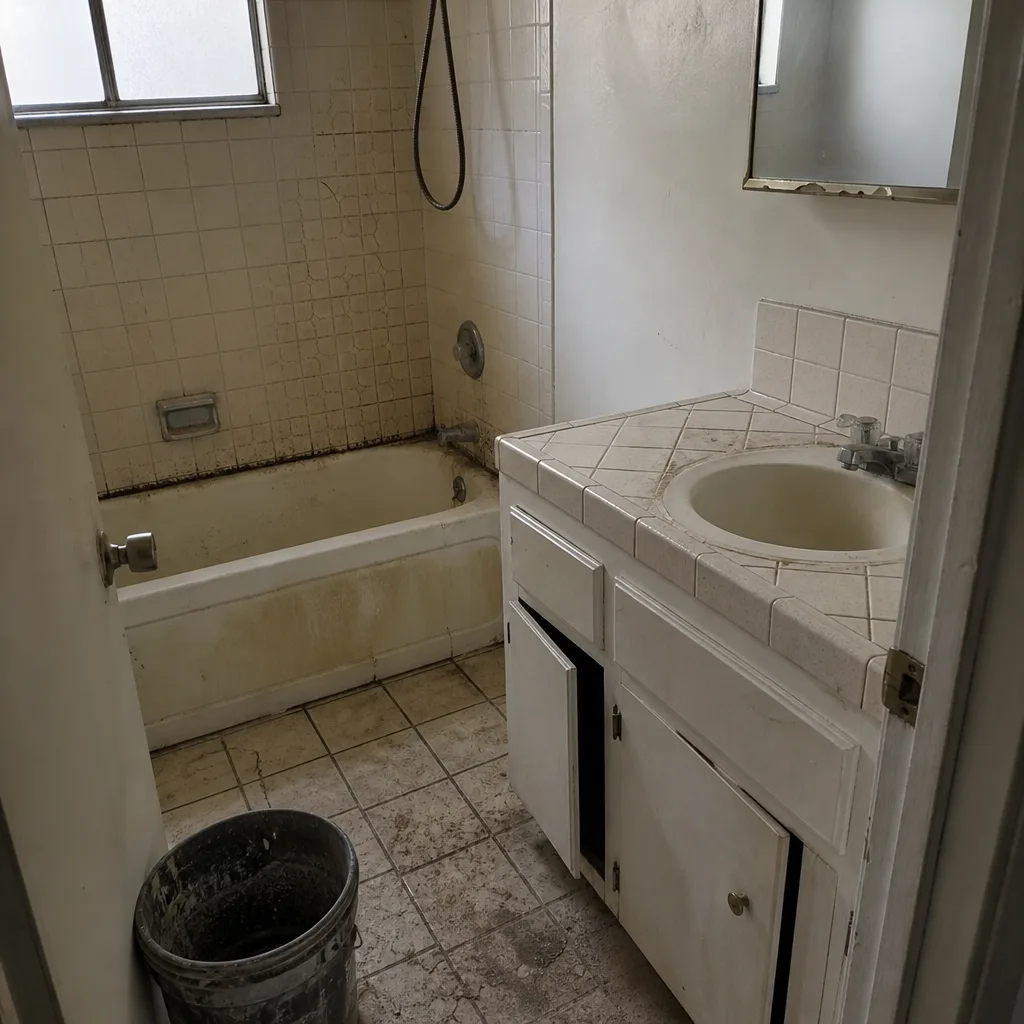 Before
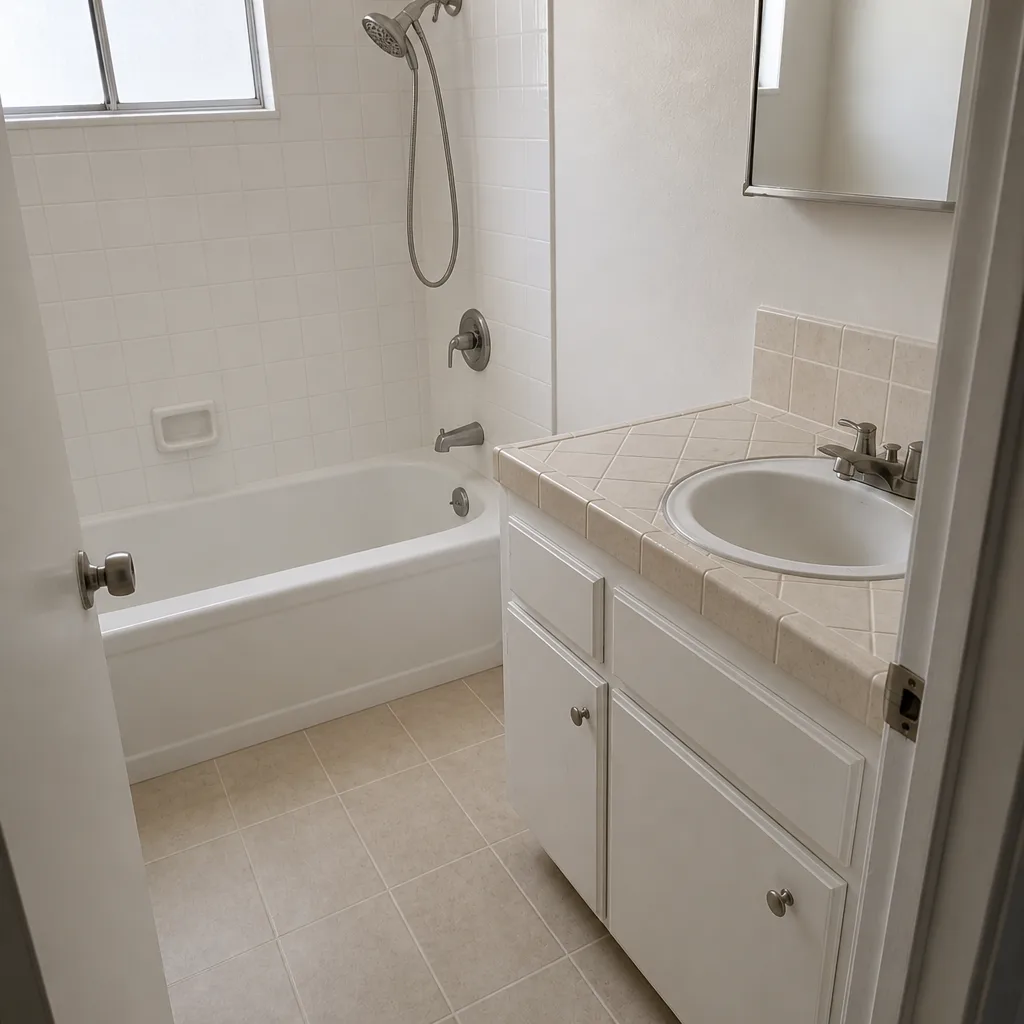 After
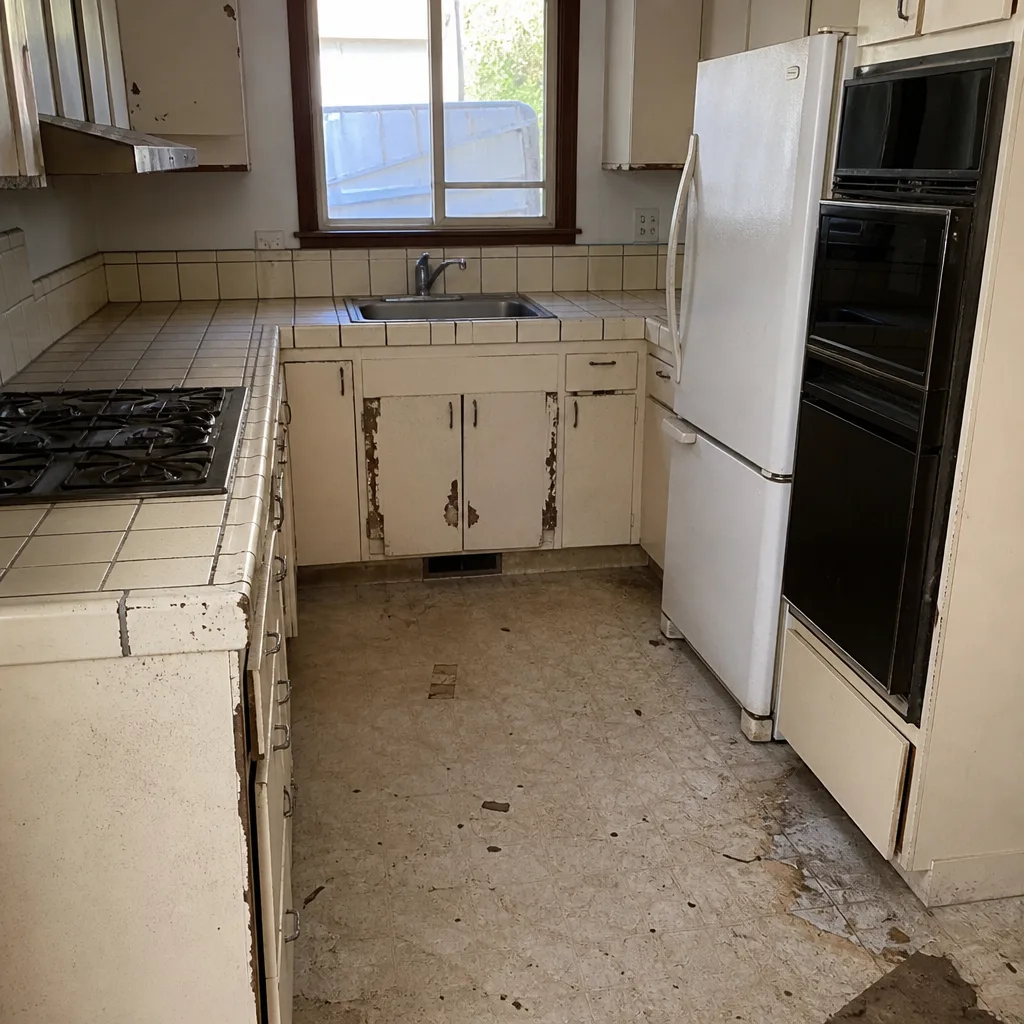 Before
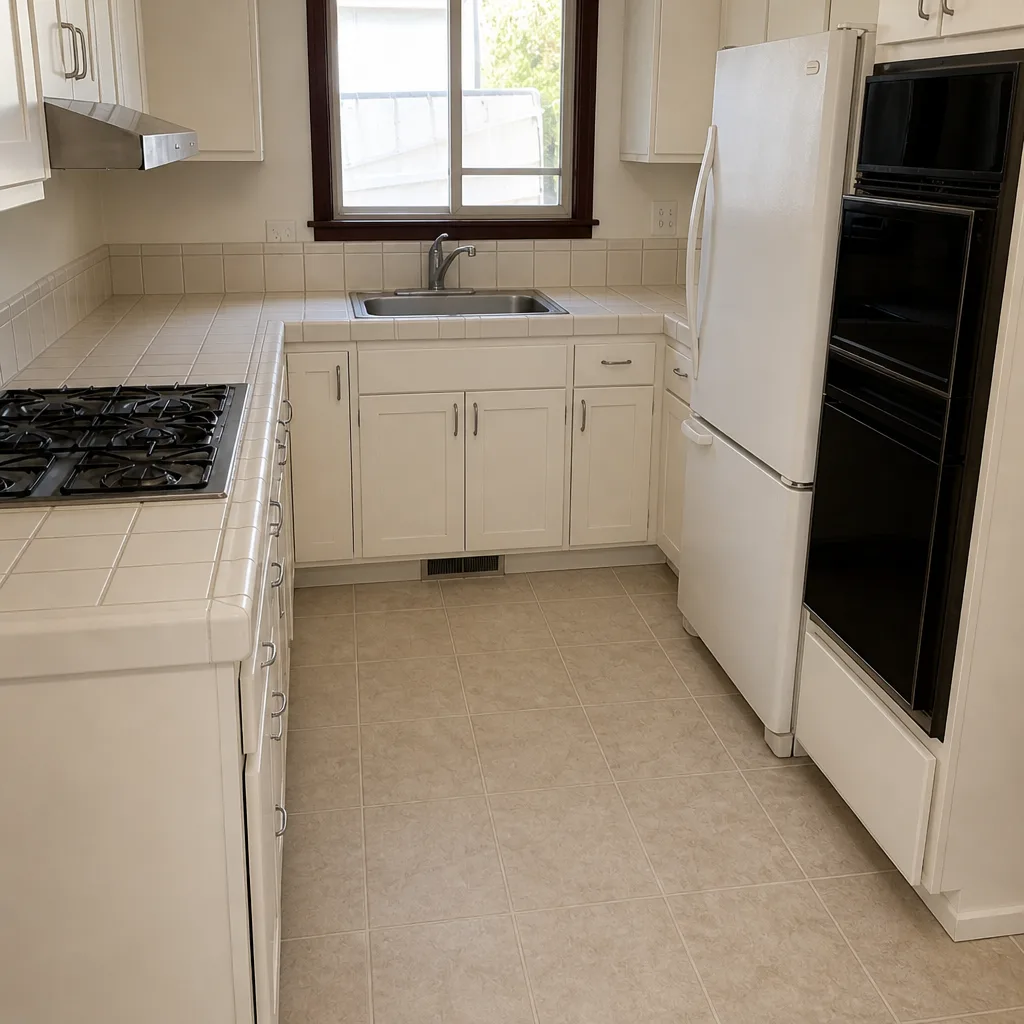 After
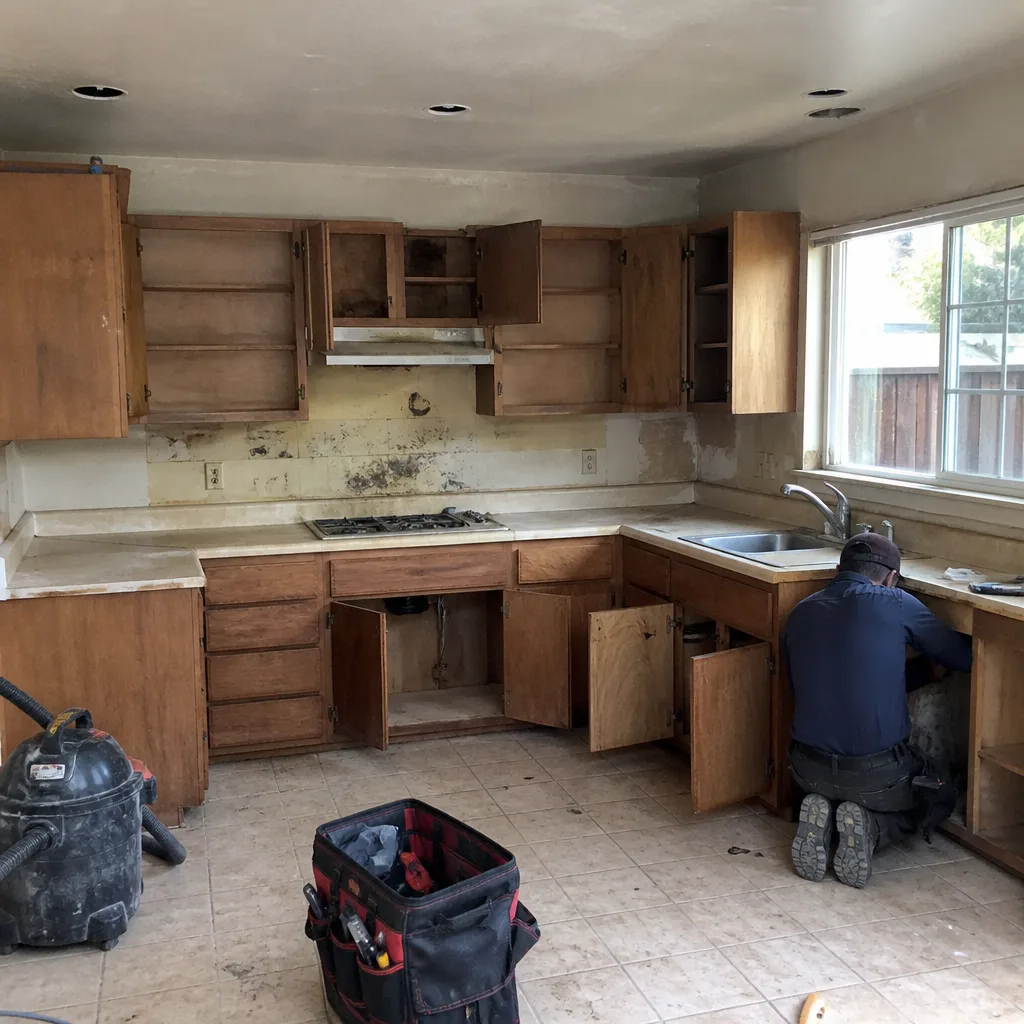 Before
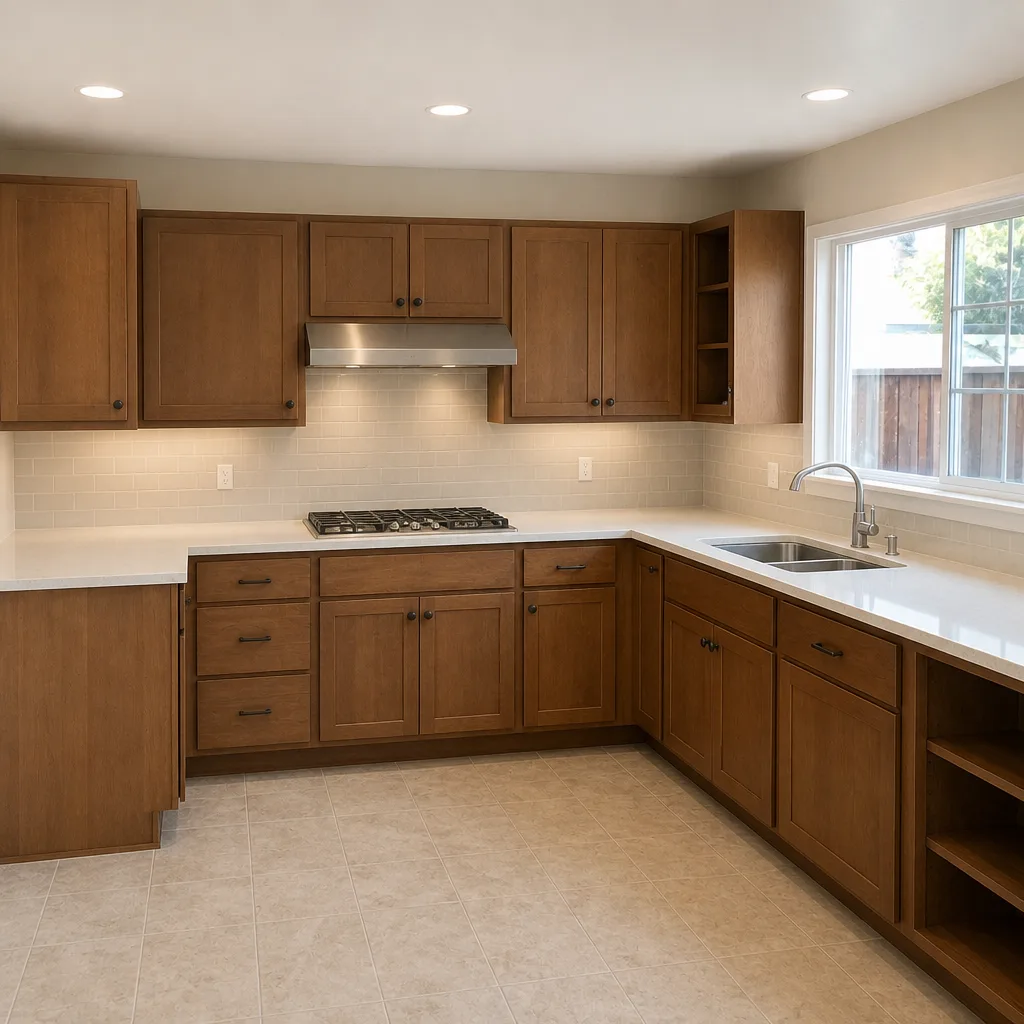 After
When to Call a Professional
Some problems are worth the phone call rather than the do-it-yourself path. If the issue involves gas lines, electrical panel work, structural framing, or any defect that could affect safety, stop the project and get a licensed professional involved immediately. If you’re facing a dispute you can’t resolve with written notice, or you’re at the early planning stage and want a written price and written guarantee before anything is ordered, that’s our area. Penhallow Remodeling Santa Clara offers free estimates in Santa Clara and across the surrounding neighborhoods, with a live person answering the phone around the clock and a 365-Day Done Right Promise in writing on every project. Call (833) 400-6838 to schedule your free estimate – no pressure, no verbal ballparks, and a written number you can hold us to before a single cabinet is pulled.
Frequently Asked Questions

There’s no single number in California statute – abandonment is determined by the pattern, not a fixed clock. A three-day silence with no crew on site and no explanation is the start of the question; ten to fifteen days of silence after a written schedule request is the practical threshold most attorneys treat as abandonment. The key is that your written notice starts the record, and that’s what makes the silence legally usable.
Yes, provided you send written notice first, name the specific defect, and give a reasonable cure period (ten to fifteen days is standard). Withholding without written notice exposes you to a breach claim and a mechanics lien. With written notice, the withholding is documented as a response to non-performance rather than a failure to pay.
Substantial completion means the property can be used for its intended purpose – a kitchen you can cook in, a bathroom you can shower in. Open punch list items and a missing final inspection mean you’re not there yet, regardless of what the invoice says. Release final payment only after the punch list is closed and the city’s final inspection has passed.
Get a written statement of what they’re owed, check whether they sent a required 20-day preliminary notice, and do not pay them directly without confirming with the contractor in writing. If a sub is calling you for money, assume there’s a cash flow problem and document everything from that point forward. Request signed lien releases with every subsequent draw.
Photograph the defect in three frames – wide, medium, and close-up with a tape measure in frame – on the day you notice it, and keep every photo original. Add a written log with dates, what you observed, who you spoke to, and what was promised. Get an independent written inspection if the contractor disputes it, and do not patch or alter the work yourself.
It depends on what’s being fixed and whether a permit is needed. A minor tile defect re-do can run a few hundred dollars; a shower waterproofing failure that requires removing and rebuilding the pan can run $2,000-$6,000 in Santa Clara labor and materials. If you’re hiring a new contractor to fix the work, that’s the level of line-item quote you should request in writing – not a verbal ballpark. Call (833) 400-6838 for an exact quote – estimates are free.
The Bottom Line
Most mid-project disasters are documented failures, not construction failures. The homeowner who sends a clear written notice on day three, photographs every defect with a date stamp, keeps one email thread, and refuses to release final payment before the final inspection has more leverage than any lawyer they could hire. California gives you real rights – abandonment, lien releases, CSLB complaints, the substantial completion standard – but all of them depend on you having a written record before the dispute goes formal. Start the record on day one, and most problems resolve themselves in writing before they need to go anywhere else. If you’re at the start of a project and want the price and the guarantee in writing before work begins, that’s the conversation to have first.
Written by the team at Penhallow Remodeling Santa Clara.