Last updated November 17, 2026







Free written scope consultation - allowances, timeline, and change-order rules on paper before a single trade is scheduled
Home Remodeling Warning Signs Every Homeowner Should Know
Most homeowners worry about the wrong warning signs. They watch for a contractor who vanishes mid-project or a wall that cracks after the crew leaves, but the trouble almost always starts earlier, in the quiet behaviors before any work begins. The contractor who shows up 45 minutes late to give a free estimate, without calling, is showing you exactly how he’ll treat your project schedule. Most people dismiss it as a one-time thing. It rarely is.
We’ve watched enough Santa Clara remodels go sideways to know that the warning signs are predictable and, if you catch them early, entirely avoidable. This guide covers the pre-contract red flags, the during-project signals, the contract clauses that quietly protect the contractor instead of you, and the exact questions that separate a prepared remodeler from one who’s winging it. Read it once before you sign anything.
Quick Answer
The biggest home remodeling warning signs are verbal-only estimates, no written guarantee offered, a scope of work that stays vague, unexplained gaps in the schedule, and subcontractors the homeowner never meets. These quiet, pre-contract behaviors predict cost overruns, delays, and disputes far more reliably than dramatic failures do. Catching them before you sign is the single most effective way to protect your budget.
Styles & brands we work with
- Kitchen remodeling
- Bathroom remodeling
- Home additions & ADU
- Roofing
- Windows & doors
- Driveway & pavers
- Fence
Table of Contents
- Pre-Contract Red Flags: What to Watch Before You Sign
- During-Project Signals a Job Is About to Go Sideways
- How to Read a Contract for Clauses That Leave You Exposed
- What “We’ll Figure It Out as We Go” Actually Costs in Santa Clara
- The Questions That Separate Prepared Contractors from Winging It
- Santa Clara-Specific Red Flags: Code, Climate, and Permits
- When a Warning Sign Means Walk Away
Pre-Contract Red Flags: What to Watch Before You Sign
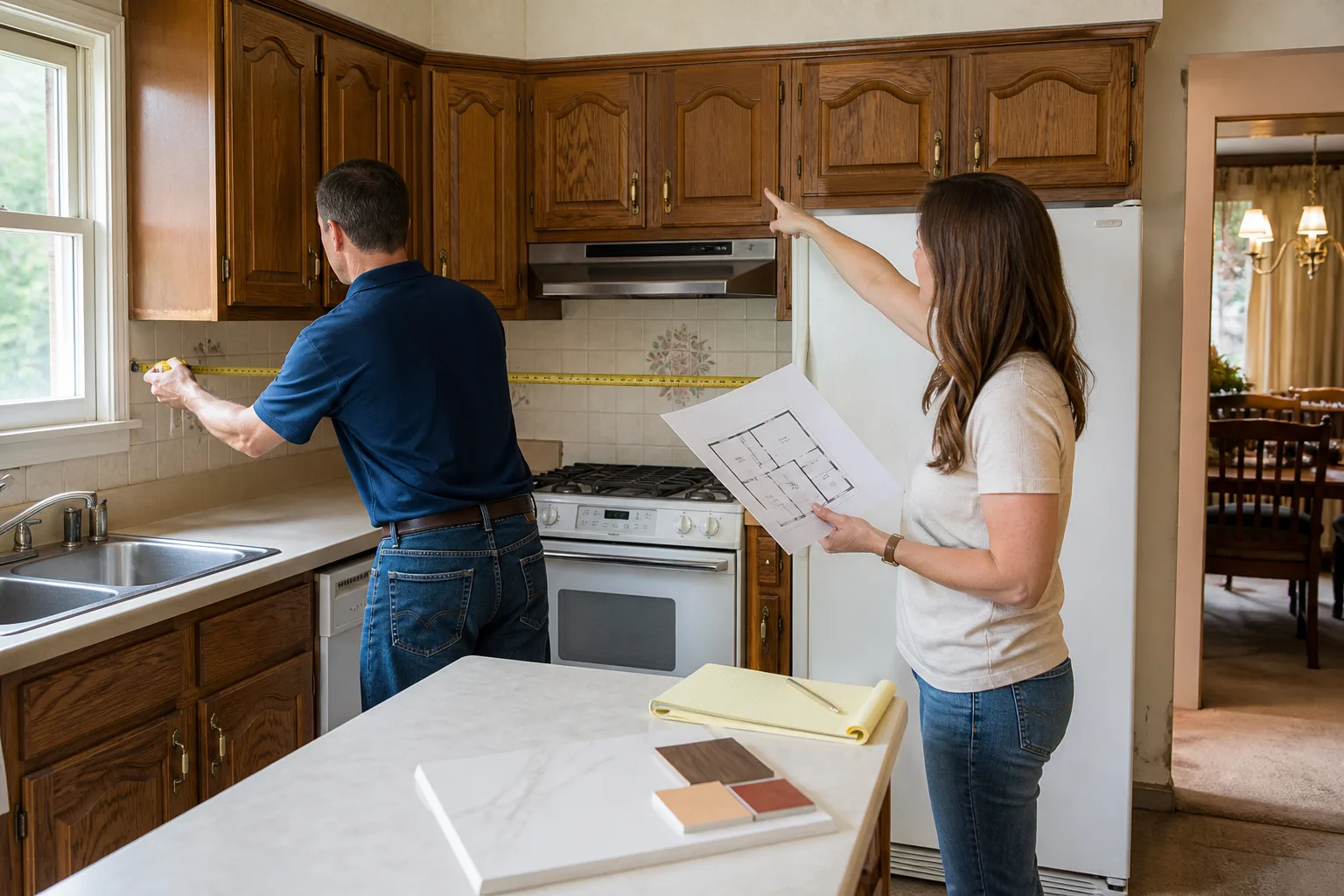
The estimate appointment is the whole project in miniature. How a contractor handles that first hour tells you how they’ll handle six weeks of your kitchen being torn apart. When we meet a homeowner in Santa Clara, we watch their face shift from polite to relieved the moment we hand over a written number instead of scribbling a range on a business card. That relief is the point.
Here’s what should make you pause before signing anything:
- Verbal estimate only. A number spoken aloud, with no written document, is not a price. It’s a starting point that can move at the door. A written price before work starts is the only version you can hold someone to.
- No written guarantee offered. If the contractor can’t tell you what happens if the work fails in six months, assume nothing will happen. Ask directly: what’s covered, for how long, and who pays if it isn’t right.
- Vague scope of work. “Kitchen update” tells you nothing. You want line items: how many cabinet boxes, what countertop material, what brand of fixtures. Ambiguity here becomes extra-invoice territory later.
- Pressure to skip the permit. Any remodeler who suggests skipping the permit on a Santa Clara job that requires one is telling you they cut corners elsewhere too.
- No way to reach a live person. If you call back with a follow-up question and keep reaching voicemail, imagine that same phone when your water is off at 5 p.m. on a Friday.
- Cash-only, no paper trail. Legitimate operations run on contracts, invoices, and receipts. All three protect you.
None of these are dealbreakers on their own. Three or four together describe a contractor who isn’t set up to finish what he starts. That’s why a written price on day one sits at the center of our general contractor service in Santa Clara.
During-Project Signals a Job Is About to Go Sideways
By the time the cabinets are ordered, the warning signs change shape. Now they’re about coordination. A well-run remodel has a rhythm: the plumber doesn’t arrive before the walls are opened, materials don’t sit on your lawn for a week, and the person who gave you the estimate is still reachable. When that rhythm breaks, it usually means the contractor is juggling more jobs than they can staff.
Watch for these during-project signals:
- Subcontractors you’ve never met and can’t identify. Crews rotate, but a new face should still be a background-checked professional who knows the plan. If three different people give you three different versions of the schedule, the plan isn’t real.
- Materials arriving wrong. A single incorrect cabinet or countertop slab happens. Repeatedly wrong materials mean no one is checking the order against the specs. That’s a coordination failure, and it costs you weeks.
- Unexplained gaps in the schedule. If work stops Tuesday and nobody can tell you when it resumes, the schedule was never really a schedule. A defined arrival window is the baseline, not a bonus.
- Change orders appearing before change requests. If you get a bill for extra work you never agreed to, the contract had a hole in it. Written pricing on every change keeps this honest.
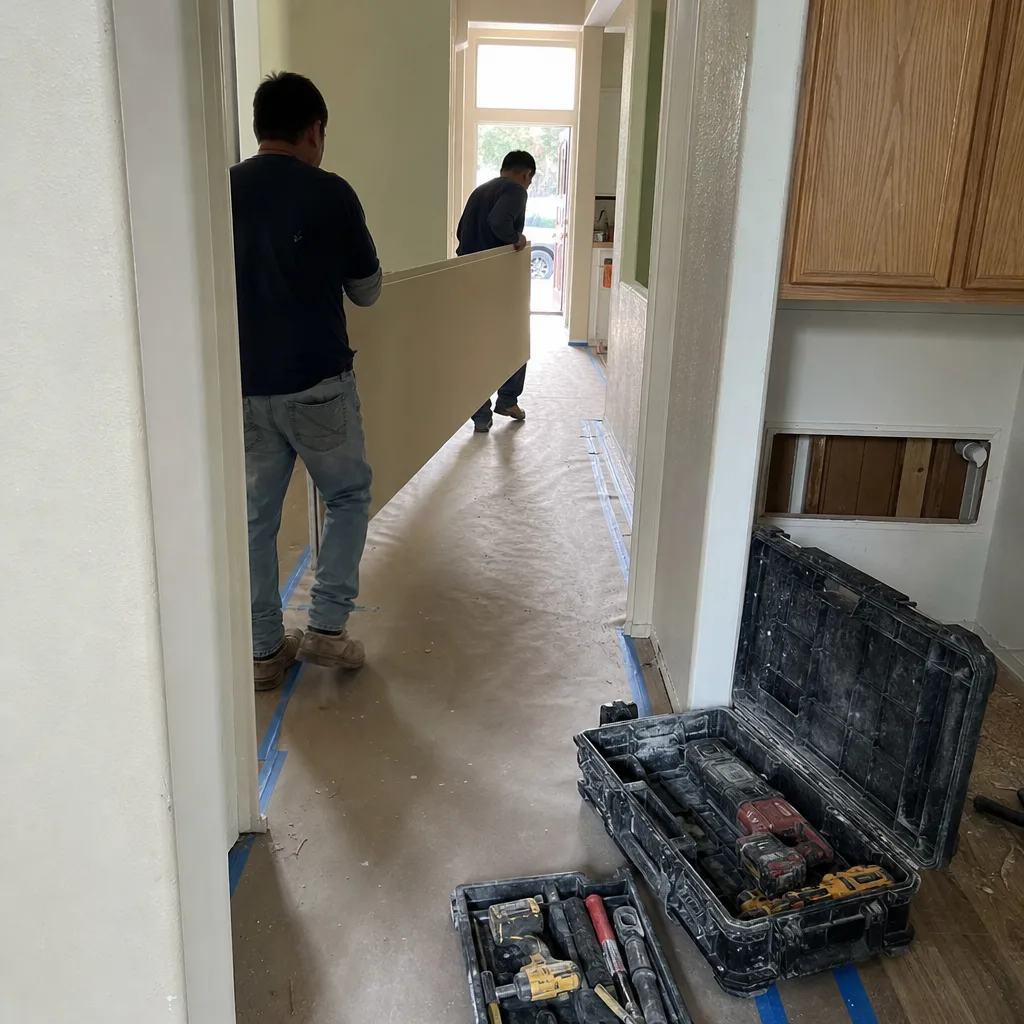
- A job site that gets dirtier instead of cleaner. A crew that leaves garbage, dust sheets and debris in your hallway is telling you the finish work will be just as careless.
- Vanishing communications. Text messages stop getting answered. Calls go unreturned. This is the clearest early signal a project is being silently deprioritized.
Any of these, caught early, can be corrected with one direct conversation. Several of them together, and it’s time to hold the final draws and demand a written recovery plan.
How to Read a Contract for Clauses That Leave You Exposed
Most homeowners read the total price and sign. That’s the mistake. The important clauses are the ones that protect the contractor from their own overruns while leaving you with the risk. Reading them before you sign takes 20 minutes and can save you thousands.
Here’s where to look:
- The allowance clause. Allowances for tile, plumbing fixtures or lighting are placeholder budgets. If yours says “$2,500 for tile” but the design calls for $4,500 in material, the difference lands on you as a change order. Ask for realistic allowances matched to actual selections.
- The hidden escalation clause. Some contracts let the contractor raise the price for “material cost increases.” That’s not a fixed price; it’s an open tab. A written price means the number on day one is the number on the invoice.
- The delay waiver. Language like “contractor is not responsible for scheduling delays” gives the contractor zero incentive to show up on time. You want defined arrival windows and a plan for what happens if they slip.
- The dispute and mediation clause. Sometimes this is fine. Sometimes it funnels every disagreement into a private process you can’t afford. Read it and ask where a disagreement goes if it isn’t resolved in the room.
- The guarantee section, or the silence where it should be. If the contract never mentions what happens when the work fails, that’s a warning sign on its own. Our standard is the 365-Day Done Right Promise, which says plainly: if it isn’t done right, we make it right, in writing, on every project.
- The payment schedule. Large upfront deposits with no milestones attached leave you exposed. Payments should track progress, with a meaningful final draw held until the punch list closes.
If a Santa Clara contractor won’t put these terms on paper, the terms aren’t going to protect you in a dispute. They’re going to protect the contractor. That’s the difference between a real contract and a receipt.
What “We’ll Figure It Out as We Go” Actually Costs in Santa Clara
The phrase “we’ll figure it out as we go” sounds relaxed. It is the most expensive sentence in remodeling. Every decision deferred to the job site becomes a change order, a delay, or both. In Santa Clara, where permit inspections run on a schedule and subcontractors book weeks out, a decision made on the fly can cost more than the same decision made six weeks earlier.
Here’s what scope creep actually costs in dollars:
- Kitchen remodels typically run $18,000 – $55,000 depending on layout, cabinet line and countertop material. Deferring the cabinet order can cost $2,000 – $6,000 in re-selects and missed delivery windows.
- Bathroom remodels typically run $8,000 – $28,000 depending on tile, fixtures, and layout changes. A late decision to move a drain or shift a shower can add $1,500 – $4,500, mostly in re-inspection and re-tiling.
- Whole-home remodels typically run $60,000 – $200,000+ depending on square footage and scope. Unplanned change orders on a project this size commonly add 10 – 20% to the final bill.
- Permit timeline risk. Santa Clara has specific permit and inspection requirements for structural, electrical and plumbing changes. Reopening a permit phase can add weeks, and no written price survives that.
The fix isn’t a longer contract. It’s a written scope with every major decision made before demo day. Call (833) 400-6838 and we’ll walk through the decisions that have to be made up front before anybody picks up a hammer.
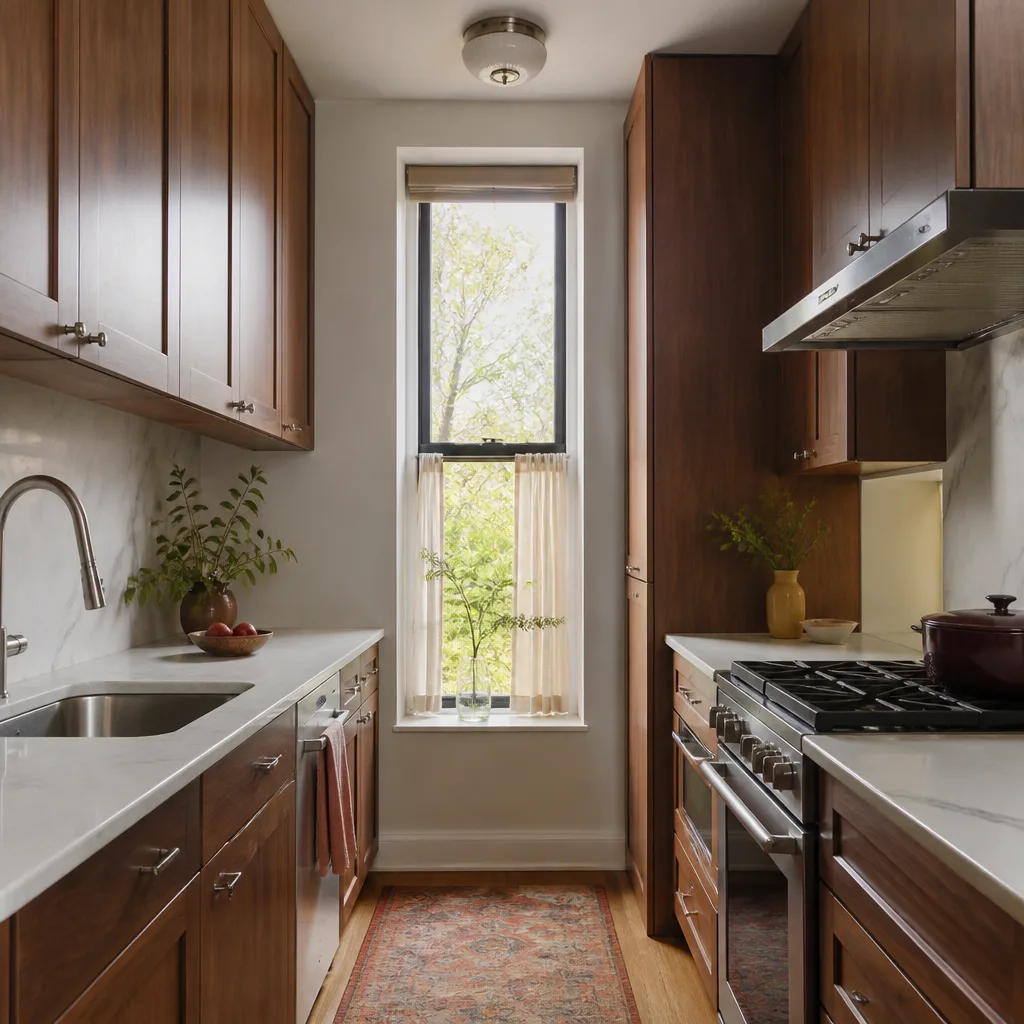
We install Cambria quartz and Silestone surfaces on most of our kitchens, partly because the product line stays consistent, and partly because a homeowner who knows exactly what’s going in never has to “figure it out” on site. Our full kitchen remodeling service in Santa Clara is built so the number on day one is the number on the invoice.
The Questions That Separate Prepared Contractors from Winging It
Bring these questions to your next estimate meeting. How a contractor answers tells you more than the estimate itself. Prepared people answer straight. Winging-it people deflect, get defensive, or give you a range instead of a number.
- “Can I have the estimate in writing, with line items, before I sign anything?” A prepared contractor says yes without hesitation. A verbal-only bid is the answer you don’t want.
- “What’s your guarantee, in writing, and what does it cover?” If they can explain it in plain English, they’ve thought it through. If they promise everything in general terms, ask them to point to the page.
- “Who will be on the crew, and are they background-checked and uniformed?” You have the right to know who’s walking into your home. An honest answer is a specific one.
- “What’s the arrival window on day one, and on inspection days?” A real answer is a time block, not “sometime in the morning.”
- “What happens if the work fails six months after you finish?” The answer should describe a process: who returns, how fast, at what cost. “We’ll take care of it” isn’t a guarantee; it’s a hope.
- “Will you pull the permits, and can I see the inspection record?” Any hesitation here is a warning sign. In Santa Clara, permits exist for a reason.
- “Who do I call if something goes wrong after hours, and will I reach a live person?” When we say a live person answers calls 24/7, we mean it, because that’s the number that matters at 9 p.m. on a Sunday. Call (833) 400-6838 and test it.
The pattern held across every good contractor we know: they answer these without flinching. Winging-it contractors have to think about them first, and the thinking is the tell. For another angle on this, our bathroom remodeling page for Santa Clara homeowners shows how those answers look on a real project.
Santa Clara-Specific Red Flags: Code, Climate, and Permits
Some warning signs are universal. A few are specific to remodeling in Santa Clara, and missing them costs homeowners here more than a verbal-estimate contractor ever will.
- Permits ignored on structural or electrical work. Santa Clara follows California code and the local building department’s review process. A contractor who suggests skipping a permit on a kitchen or bathroom structural change is setting you up for a failed inspection, a delayed resale, and an insurance headache.
- Insulation and moisture handling done cheap. Santa Clara’s mild climate hides moisture problems well. A remodel that skips proper substrate and moisture barriers behind tile in a bathroom shows its failure two summers later, when the grout cracks and the framing behind it has already softened. The cement board substrate (the moisture-resistant layer behind your tile) isn’t optional here.
- Fast exterior work on old stucco. Santa Clara has a lot of older housing stock. Refacing stucco or siding without checking the sheathing underneath is a shortcut that shows up in the first wet winter. We install James Hardie siding on those jobs because the moisture handling matters more than a fast finish.
- Cabinet and countertop substitutions after order. A contractor who quietly switches a KraftMaid cabinet for an off-brand substitute to save a few hundred dollars is doing it on the fixtures and finish too. A written scope with brand names in it prevents this.
- Neighborhood knowledge that doesn’t add up. A Santa Clara remodeler who doesn’t know Old Orchard from the Rivermark area is either brand new to the market or bluffing. Neither is what you want gutting your kitchen.
Our team has worked Santa Clara homes long enough to know the permit timeline and the substrate failures we see repeatedly. The Penhallow Remodeling Santa Clara home page covers how we handle those specifics on every job.
When a Warning Sign Means Walk Away
Not every warning sign is a dealbreaker. Late to an estimate once, with an apology and a text? Fine. A verbal estimate with no written guarantee and a pressure to skip the permit? That’s three signs stacked, and the answer is walk away.
Here’s the simple rule: if a contractor can’t give you a written price and a written guarantee before picking up a tool, they aren’t set up to finish the job. Everything after that is a roll of the dice. Our Santa Clara bathroom remodeling projects start with both documents on the table, because we’ve seen what happens on the other side.
Common Mistakes to Avoid
- Choosing the cheapest bid. The lowest number is usually a bid missing scope, or a contractor planning to recover costs through change orders. Compare line-item scope, not totals.
- Accepting a verbal estimate. A spoken price disappears the moment the work starts. Insist on a written number before any work starts, every time.
- Signing a contract without reading the allowance clause. Allowances are the single most common source of surprise change orders on Santa Clara kitchen remodels.
- Assuming the crew is background-checked. Ask. A professional remodeling company should confirm every person who shows up is background-checked and uniformed.
- Letting a gap in the schedule slide. One unexplained week can become three. Ask for the next arrival window in writing, and don’t move forward until you get it.
- Not testing the phone number. Call the contractor after hours before you sign. If a live person doesn’t answer, you’ve learned everything you need to know about the project’s worst moment.
- Believing “we’ll figure it out as we go” is flexibility. It’s an invoice being written later, without your input, at whatever the change order costs on the day.
See the difference
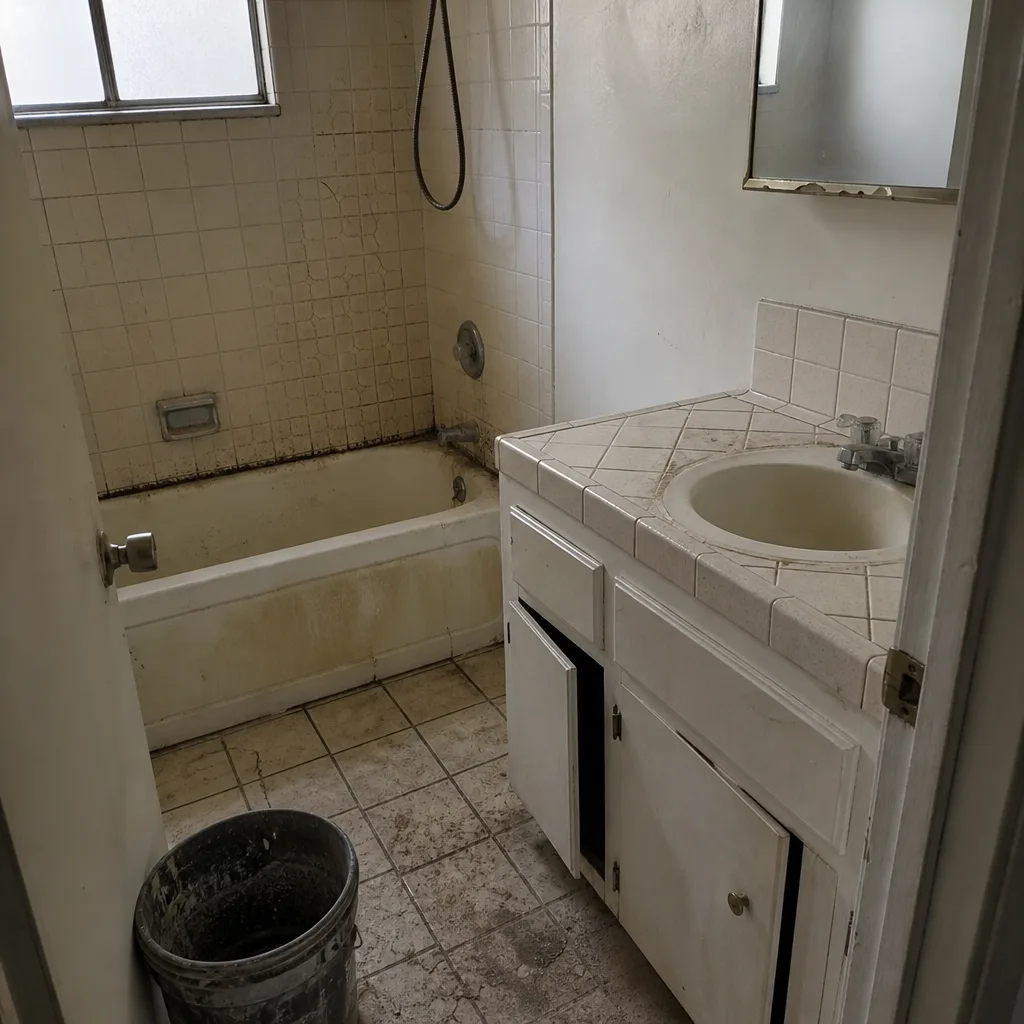 Before
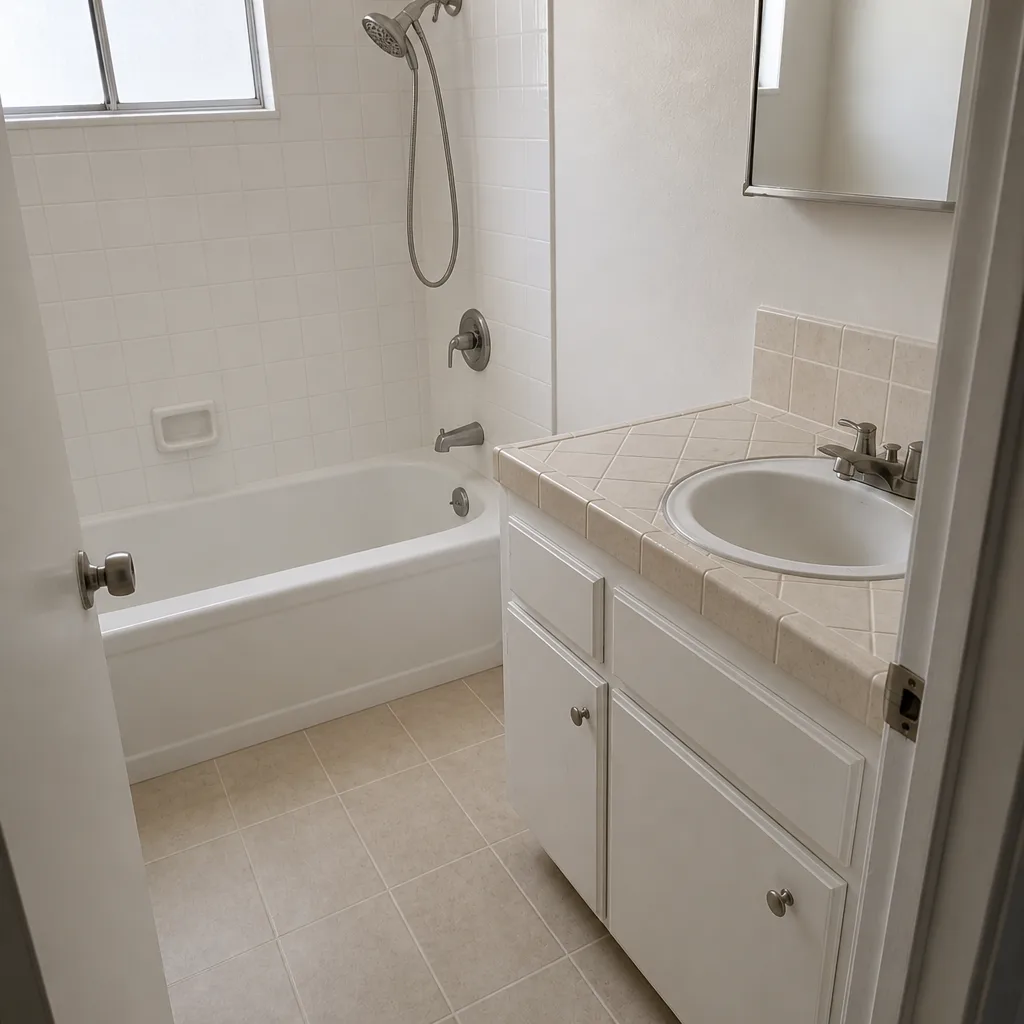 After
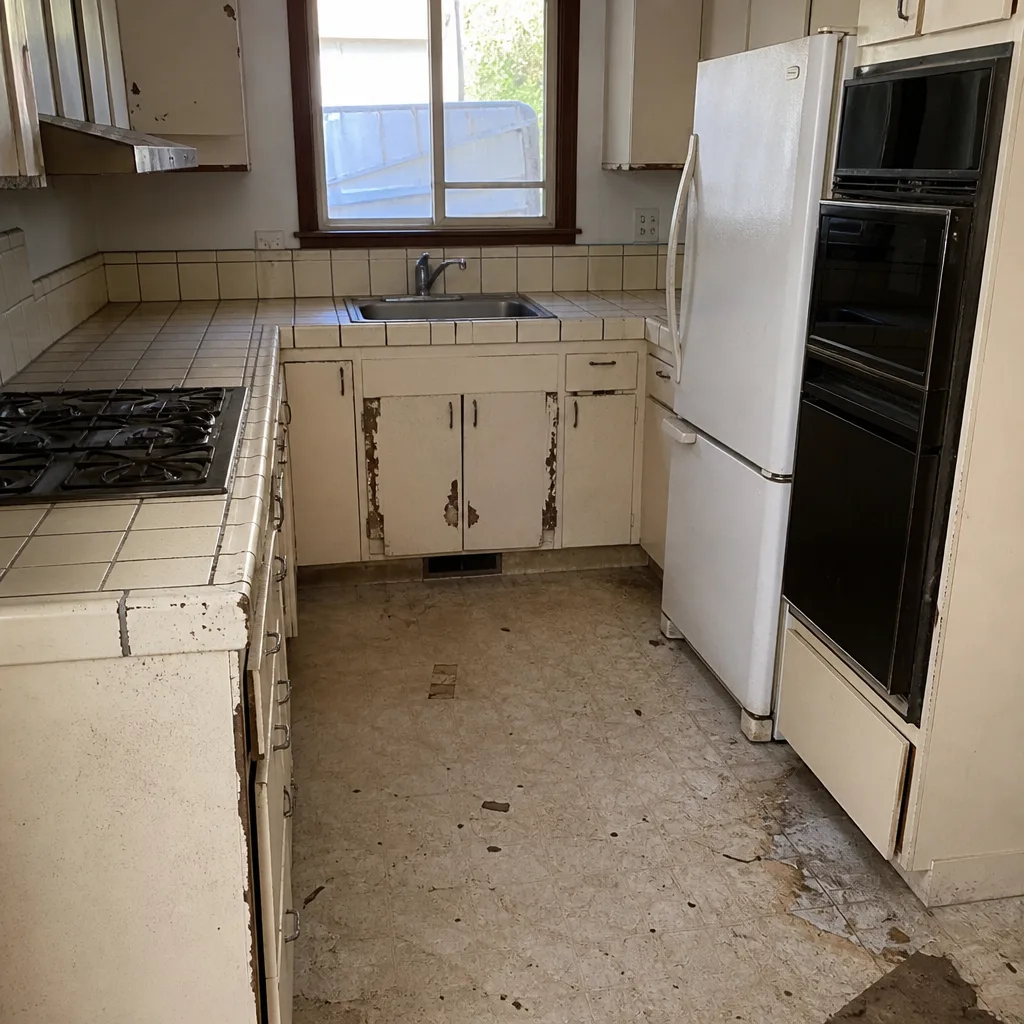 Before
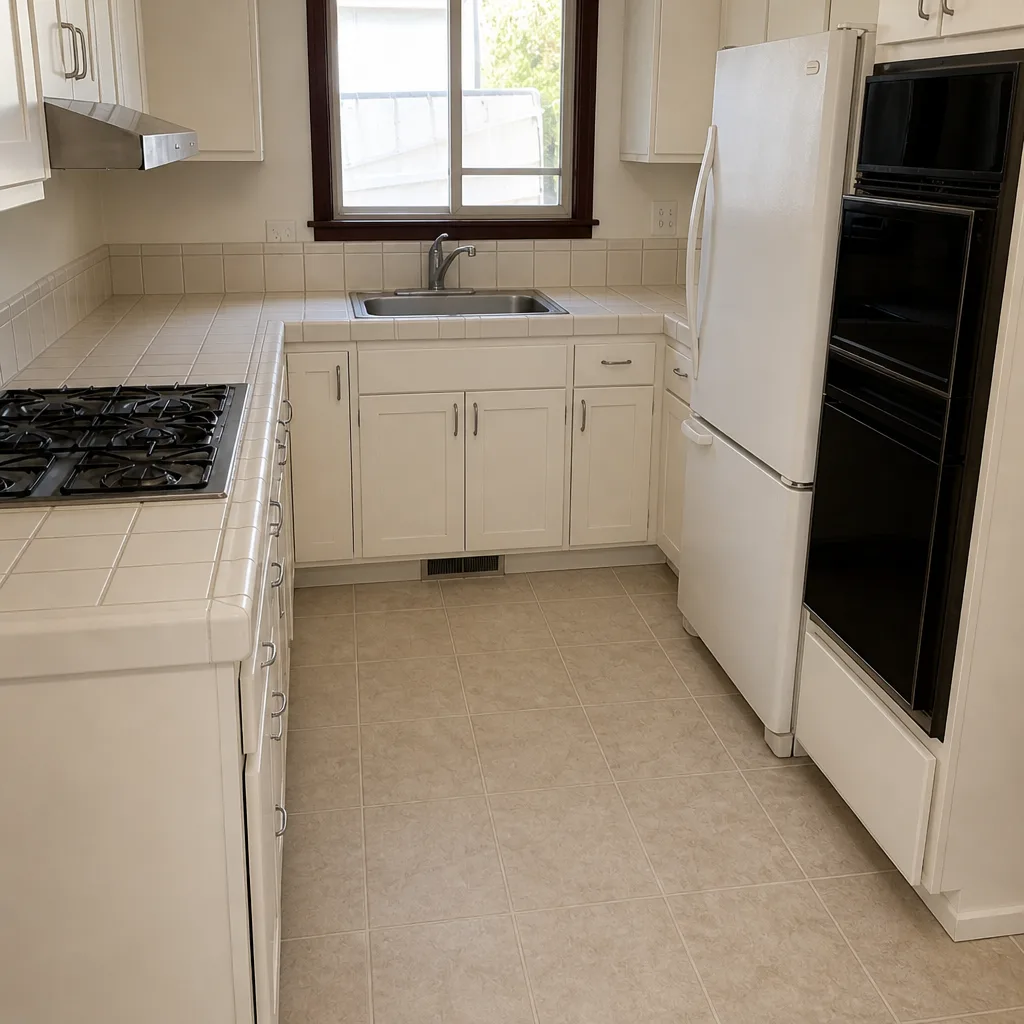 After
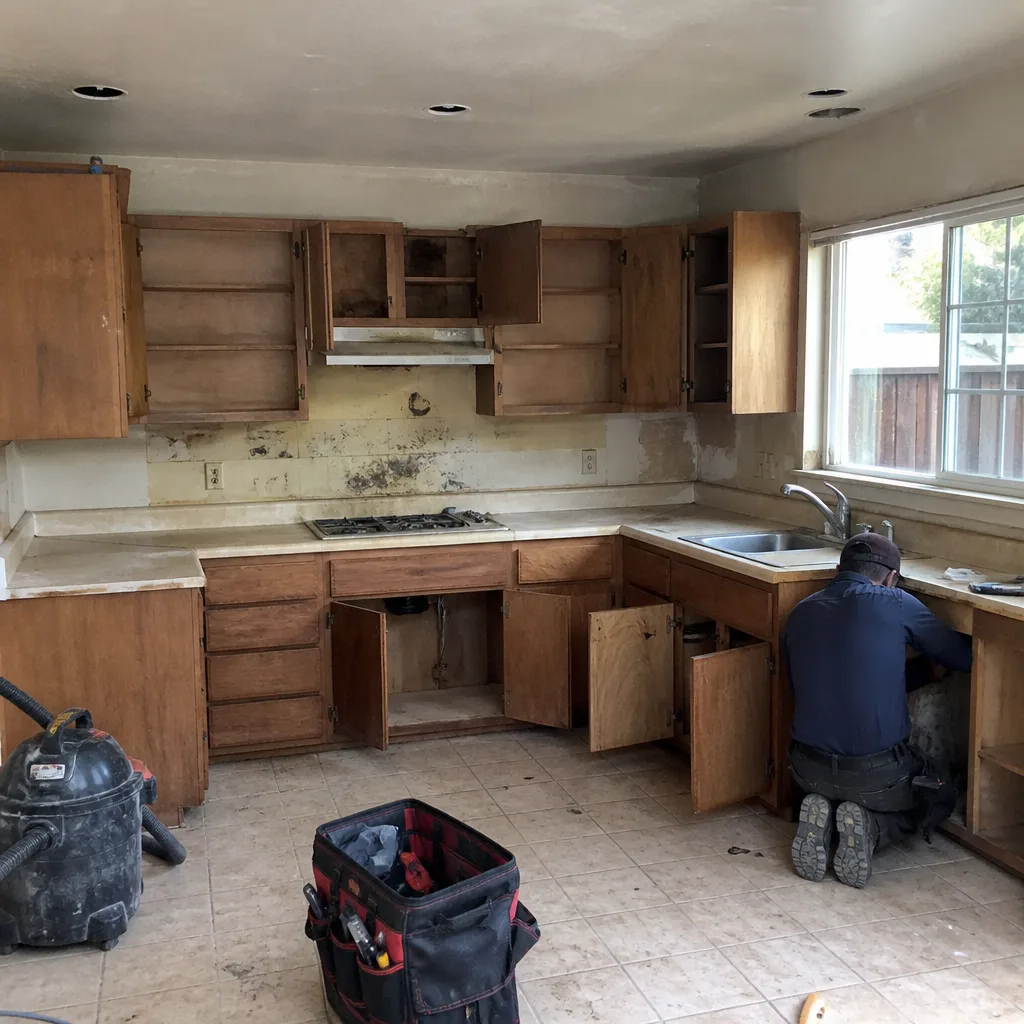 Before
 After
When to Call a Professional
Some warning signs are worth a second opinion before you sign another contract. If a scope of work is vague, a guarantee is missing, a schedule has unexplained gaps, or a builder wants to skip a permit on structural or electrical work in Santa Clara, call a professional and talk it through. Our team will tell you plainly what a remodel should include in writing, what a written guarantee should cover, and what the permit process requires in Santa Clara.
Penhallow Remodeling Santa Clara offers free estimates in Santa Clara, always with a written price before any work starts and a written guarantee on every project. Our technicians have up to 22 years of experience, and we stand behind the work with the 365-Day Done Right Promise. If we don’t get it right, we come back and fix it at no charge. Call (833) 400-6838 for a free estimate, and we’ll give you a number you can hold us to.
Frequently Asked Questions

The biggest warning sign is a verbal-only estimate with no written guarantee. A contractor who won’t commit to a number and a coverage promise on paper is telling you that nothing after signing will be on paper either. Ask for both before you move forward. Call (833) 400-6838 for an exact quote, and estimates are free.
Unplanned change orders usually add 10 – 20% to the final bill on a whole-home remodel and can add $2,000 – $6,000 on a kitchen or bathroom project. The exact figure depends on what’s changing: a delayed cabinet order costs less than moving plumbing, but either one breaks the schedule. A written scope with all major selections made up front prevents most of it. Call (833) 400-6838 for a free estimate with the scope spelled out.
Yes. In Santa Clara, structural, electrical and plumbing work typically requires a permit and inspection, and skipping it can delay a future resale and complicate insurance. Any remodeler who suggests skipping the permit is cutting corners that will land on you later. Ask for the permit record up front, and treat hesitation as an answer.
A real guarantee is in writing, names exactly what it covers, says how long it lasts, and describes who returns and at what cost. If the answer is a general “we’ll take care of it,” it isn’t a guarantee. Ours is the 365-Day Done Right Promise: if the work isn’t done right, we make it right, backed in writing on every project.
Unexplained gaps in the schedule are not normal, and they usually mean your project is being deprioritized while the contractor handles another job. Ask for the next arrival window in writing. If you can’t get one, hold the next payment and request a written recovery plan. A defined arrival window should be standard, not exceptional.
Your scope should name the actual brands being installed, not categories. If cabinets or countertops are being replaced, ask which brand and model line are going in. Our written scopes specify KraftMaid or Wellborn cabinetry and Cambria, Silestone or Caesarstone countertops, so there’s no substitution after the order goes out. Call (833) 400-6838 to ask what’s included in yours.
The Bottom Line
The most useful remodeling warning signs aren’t dramatic, and they aren’t visible once the work is underway. They’re the quiet behaviors in the first meeting and the first week: a verbal estimate, a missing guarantee, a vague scope, a schedule with gaps, a contractor you can’t reach after hours. Catch them before you sign, and the rest of the project tends to hold. Miss them, and every cost overrun and dispute on the back end is almost predictable. Santa Clara homeowners who insist on a written price and a written guarantee before work starts save themselves the worst of it. That’s what we do on every job, every time.
Call (833) 400-6838 for a free estimate and let’s put your project in writing. Our team is here to answer, walk you through what’s included, and give you a written price you can hold us to before anybody picks up a tool.
Written by the team at Penhallow Remodeling Santa Clara.