Last updated November 17, 2026








Free written scope consultation - allowances, timeline, and change-order rules on paper before a single trade is scheduled
The Complete General Contractor Guide for Santa Clara Homeowners
Santa Clara’s building department requires a licensed general contractor on most remodel work once labor passes $500. That threshold is so low that a single weekend of tile or a half-finished bathroom can put an unlicensed handyman, and your homeowner’s insurance, in legal jeopardy. Most hiring guides tell you to check references and get three bids. That advice won’t protect you here. This guide covers the paperwork, permit rules, and payment documents that actually matter in Santa Clara, from CSLB verification to lien waivers, so you know exactly what to demand before anyone touches your home.
Quick Answer
To hire a general contractor in Santa Clara, verify the contractor’s CSLB license, bond, and workers’ comp status, confirm they’ll pull the permit in their name with their license number on the application, get a written contract that meets California Business & Professions Code §7159, and never pay a large deposit without a signed lien waiver. Expect a fair GC markup of roughly 15% to 25% on top of subcontractor bids in this market. Anything far below that usually means corners are being cut somewhere you can’t see.
Styles & brands we work with
- Kitchen remodeling
- Bathroom remodeling
- Home additions & ADU
- Roofing
- Windows & doors
- Driveway & pavers
- Fence
Table of Contents
- Santa Clara Permit Rules and the $500 Threshold
- How to Verify a GC’s License, Bond, and Insurance in Five Minutes
- Why Silicon Valley’s Subcontractor Market Inflates Bids
- Preliminary Notices vs. Lien Waivers: What to Sign and When
- What Your Written Contract Must Include Under §7159
- What Remodels Cost in Santa Clara
- How a Santa Clara Remodel Actually Runs
- The Final Walkthrough and Your Guarantee
Santa Clara Permit Rules and the $500 Threshold
Santa Clara draws its permit line lower than most Bay Area cities. Once labor on a remodel passes $500, the work generally needs a permit, and a licensed contractor needs to pull it. That covers more than you’d guess: moving a wall, adding an outlet circuit, re-piping a shower valve, replacing a water heater. Cosmetic work like paint and flooring usually stays exempt, but the moment you touch structure, plumbing, or electrical, the permit conversation starts.
Here’s the part homeowners miss. The permit application must carry the contractor’s license number, and the license has to match the classification for the work. A B-General Building license covers most whole-home and structural remodels. An A-General Engineering license is a different scope. If someone hands you a permit with a license number that doesn’t line up with the trade, that’s your first red flag, and Santa Clara’s inspectors will catch it during plan review anyway.
Pull the permit in the contractor’s name, not yours. When the permit is in your name as owner-builder, you take on the liability for the work and the inspections, and your homeowner’s insurance may treat later claims differently. A general contractor who hesitates to pull permits usually has a reason, and it’s rarely a good one.
Unpermitted work in Santa Clara follows you. It surfaces at resale, during a refinance appraisal, and sometimes when a neighbor’s remodel triggers a code review of the block. Bringing a kitchen or bathroom up to permitted status after the fact can cost more than doing it right the first time.
How to Verify a GC’s License, Bond, and Insurance in Five Minutes
The Contractors State License Board (CSLB) runs a free public lookup, and it’s the single most useful five minutes you’ll spend on the project. Here’s the sequence we recommend to every homeowner before signing anything:
- Go to the CSLB website and search the contractor’s license number or business name.
- Confirm the status reads “Active” and the classification (B, A, C-33, etc.) matches your project type.
- Check the license expiration date isn’t in the past. An expired license is an inactive license, full stop.
- Look at the bond and workers’ comp fields. A current contractor’s bond and active workers’ comp coverage should both show as current. If workers’ comp is exempt, ask why in writing.
- Read the complaint history and any disciplinary actions. A single dispute isn’t disqualifying; a pattern is.
Ask the contractor for a certificate of insurance naming you as additionally insured. That certificate comes from their insurer, not from the contractor’s own paperwork, and it protects you if a worker gets hurt on your property. In Santa Clara, where a lot of remodels happen in occupied homes, that coverage matters more than most people realize.
Our technicians have up to 22 years of experience, and the background-checked, uniformed standard applies to every job. But you shouldn’t take that on faith from any contractor, including us. Verify it. A company that’s confident in its licenses and coverage won’t blink when you ask.
Why Silicon Valley’s Subcontractor Market Inflates Bids
Santa Clara sits inside one of the tightest construction labor markets in the country. The same electricians, plumbers, and tile setters who work on commercial projects in Sunnyvale and North San Jose are the ones bidding your bathroom. Their day rates reflect that. A licensed electrician in Santa Clara might bill $110 to $150 an hour depending on scope and timing, and that number lands in your project bid.
The GC adds a markup on top of the sub bids to cover project management, scheduling, permits, insurance, and profit. In this market, a fair markup runs roughly 15% to 25%. Below that range, the math usually works because something was trimmed: the schedule, the supervision, the material grade, or the insurance. Above 35% or 40%, you’re paying for overhead that isn’t delivering value on a standard kitchen or bathroom.
Ask for a line-item breakdown showing labor, materials, and the GC’s fee separately. A contractor who gives you a single lump sum without a breakdown is asking you to trust a number you can’t see inside. We put the price in writing before work starts precisely because the number should be inspectable.
One more local note: material lead times in Santa Clara track the broader Bay Area supply chain. Cabinetry from brands like KraftMaid or Wellborn can take six to ten weeks depending on the line and finish. That lead time is real, it’s part of the schedule, and any bid that ignores it is a bid that will slip.
Preliminary Notices vs. Lien Waivers: What to Sign and When
California’s mechanics lien law is the reason both documents exist, and confusing them is one of the most expensive mistakes a homeowner can make.
A preliminary notice is a document a subcontractor or supplier sends you early in the project to preserve their right to file a lien if they don’t get paid. It’s not a demand for payment and it doesn’t mean anything is wrong. It’s routine. Log it, note who sent it, and keep it in your project file. Ignoring a preliminary notice doesn’t make it go away; it just means you weren’t paying attention if the sub later files a lien.
A lien waiver is the document you collect at payment time. It’s the sub or supplier giving up their right to lien your property in exchange for the payment they’re receiving. Before you hand over a progress payment, ask for a conditional lien waiver from each sub and supplier who worked during that period. On the final payment, ask for unconditional waivers from everyone on the job.
Here’s the practical rule: pay on a schedule that releases money only in exchange for waivers. If a contractor resists giving you lien waivers, that’s a serious warning. In a market like Santa Clara, where project values run high and sub chains run deep, the lien exposure on an unmanaged remodel can reach well into six figures. The waiver is your paper trail that the money actually reached the people who did the work.
What Your Written Contract Must Include Under §7159
California Business & Professions Code §7159 sets the minimum contents of a home improvement contract, and most homeowners have never read it. The statute doesn’t just protect you; it tells you exactly what a legitimate contractor will already have in place. Here’s what to check before you sign:
- The contractor’s name, business address, and license number.
- A description of the work and the materials to be used, specific enough that you can tell what was promised.
- The total contract price, or a clear formula for how it’s calculated.
- A payment schedule tied to progress milestones, not just dates.
- A start date and a completion estimate, rough if weather or inspection depends on it.
- A notice of the right to cancel within three business days for contracts signed at your home.
- The contractor’s bond and workers’ comp information.
- A notice about the mechanics lien process and your right to a lien release.
The contract should also spell out the change-order process. Change orders are where budgets quietly die. A written change order, signed before the extra work starts, with a price attached, is the only version that holds up. Verbal “we’ll figure it out later” change orders are where Santa Clara homeowners end up paying $8,000 more than they planned. Ask how the contractor handles changes before you sign, not during the project.
The written price before work starts is the standard we hold ourselves to. The number on day one is the number on the invoice, and change orders only happen when you approve them in writing. Hold any contractor you hire to that same standard.
What Remodels Cost in Santa Clara
Santa Clara pricing runs higher than the national average, driven by labor, permit fees, and the same cost-of-living pressure that shapes every line in a Bay Area budget. Here’s a working range for the most common projects. Treat these as ballparks; the real number depends on layout, materials, and the condition of what’s behind the drywall.
| Project | Typical Santa Clara Range | What Drives the Number |
|---|---|---|
| Bathroom remodel (full gut) | $22,000 – $60,000 | Tile, fixture line (Kohler, Moen), vanity, plumbing relocations, permit scope |
| Hall bath refresh (cosmetic) | $9,000 – $18,000 | Vanity, fixtures, flooring, paint, no layout change |
| Kitchen remodel (mid-grade) | $45,000 – $85,000 | Cabinet line (KraftMaid, Wellborn), countertop (Cambria, Silestone, Caesarstone), appliance package, electrical scope |
| Kitchen remodel (high-end) | $85,000 – $150,000+ | Custom cabinetry, slab stone, structural changes, high-end appliances |
| Whole-home remodel | $150,000 – $400,000+ | Square footage, structural work, systems replacement, finish level |
The line that surprises most homeowners is the hidden prep. Removing old tile in a Santa Clara bathroom often exposes a cement board substrate (the moisture-resistant layer behind your tile) that’s failed, or framing that needs sistering before new tile goes up. That correction can add $2,000 to $5,000. A written estimate should call out what happens if hidden conditions turn up, and how the change order will be priced. If the estimate is silent on that, ask before signing.
Our team handles Kitchen Remodeling in Santa Clara and Bathroom Remodeling in Santa Clara with written pricing up front, and the free estimate is the same number you’ll see on the contract if you move forward. Call (833) 400-6838 to schedule one.
How a Santa Clara Remodel Actually Runs
Every project moves through the same stages, and knowing them helps you spot when something has stalled.
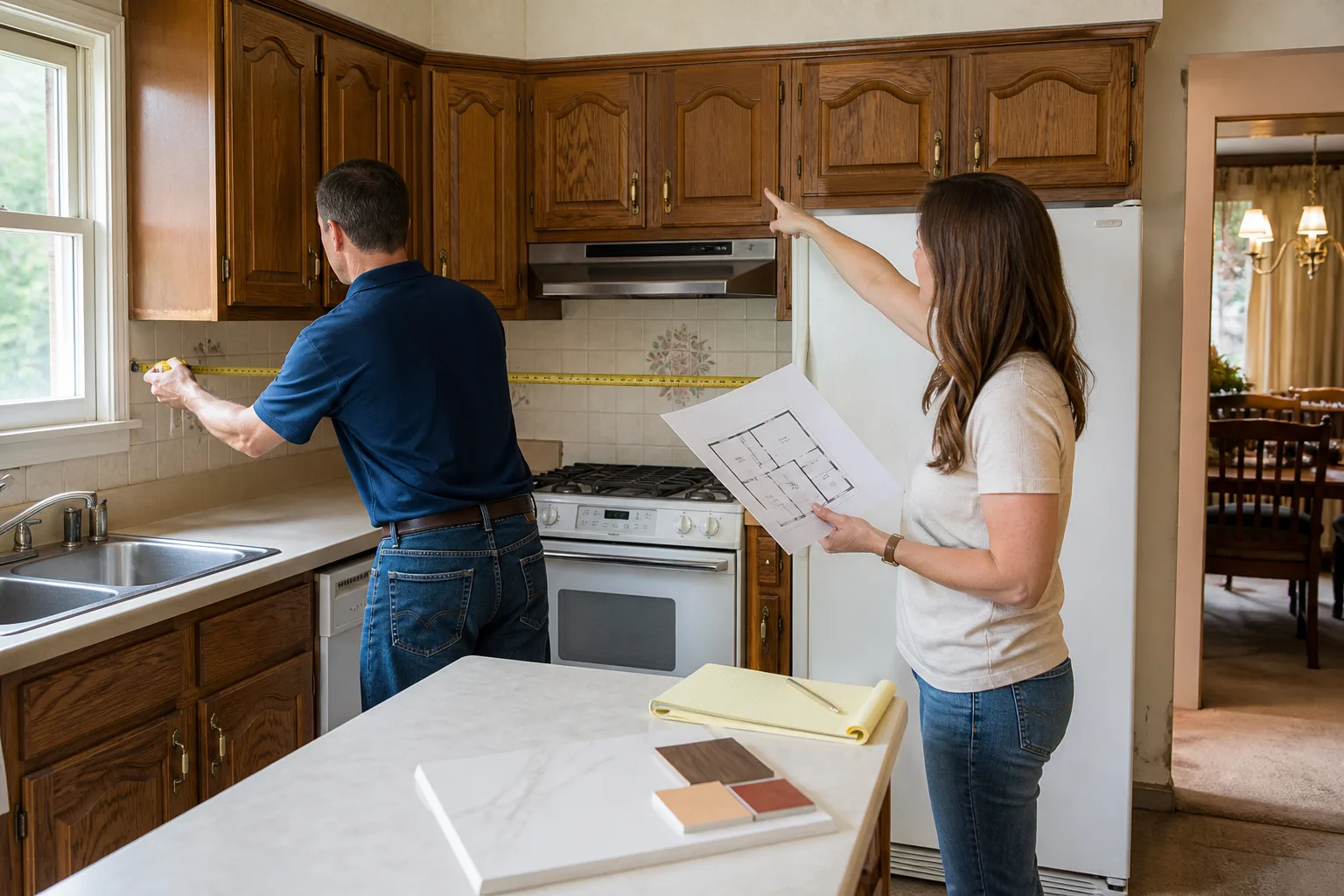
- Estimate and design. Walkthrough, measurements, material selections, written price. Usually two to four weeks from first call to signed contract.
- Permit application and plan review. Santa Clara’s plan review timeline varies with scope. Simple interior work moves faster; structural changes take longer. Expect several weeks minimum, sometimes eight or more for complex projects.
- Demo and substrate. Cabinets and tile come out. Hidden conditions get found. This is where change orders surface and where the schedule either holds or slips.
- Rough-in. Plumbing, electrical, and HVAC runs go in before any finishes. Inspections happen at this stage.
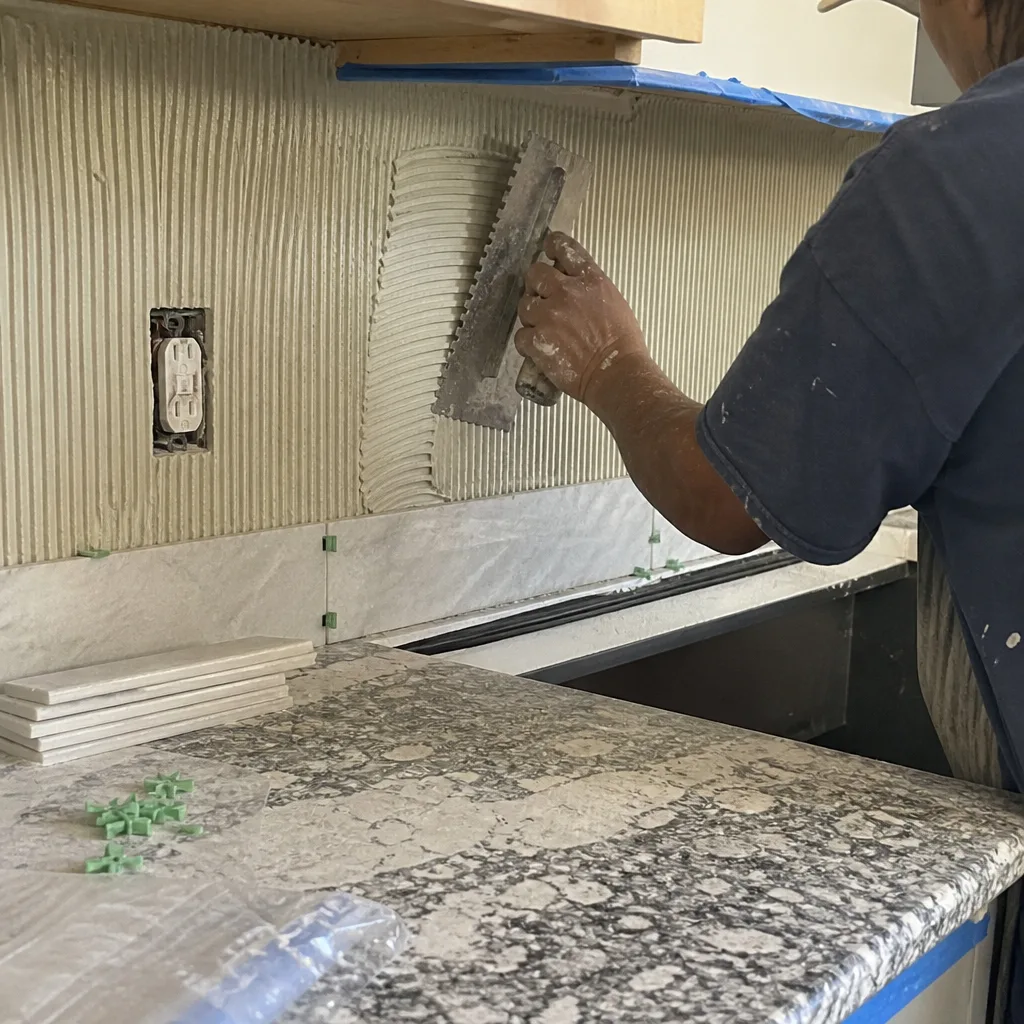
- Finishes. Drywall, cabinets, counters, tile, fixtures. This is the visible stretch and the longest one.
- Final inspection and punch list. The city signs off, then you walk the project with the contractor and the punch list gets closed out.
Total timelines for a mid-grade Santa Clara kitchen typically run eight to twelve weeks of construction, plus permit time. A full bathroom gut runs four to six weeks of construction. If a contractor quotes you a kitchen in three weeks, including permits, ask them to show you the schedule in writing. The math won’t hold.
The Final Walkthrough and Your Guarantee
The final walkthrough is your last chance to catch issues while the contractor still has a crew on-site. Bring a notebook, walk every room, and test the things you’ll use every day: cabinet doors and drawer glides, faucet handles, light switches, outlets, tile grout lines, and the threshold transitions. Take photos. Note anything that doesn’t function smoothly, even small things.
Then ask for the guarantee in writing. What’s covered, for how long, and what happens if something fails. Our standard is the 365-Day Done Right Promise: if the work fails within the guarantee period, we come back and fix it at no charge. That’s non-negotiable on every project, and it’s on paper before the first cabinet comes out.
The final walkthrough is also where you get your lien releases from the subs and suppliers. Collect them before the final payment goes out. That’s the clean close to the project: signed waivers in hand, punch list closed, guarantee documents in your file, and the permit card showing the final inspection signed off.
Common Mistakes to Avoid
- Hiring on price alone. The lowest bid in Santa Clara is often the bid with the thinnest insurance, the slowest schedule, or the change order that shows up in week three. Compare scope and insurance, not just the total.
- Paying a large deposit up front. California caps the down payment on home improvement contracts at $1,000 or 10% of the contract price, whichever is less. A contractor asking for 50% to start isn’t following the law, and you shouldn’t follow them.
- Signing a contract without a license number on it. The CSLB lookup takes five minutes. If the number isn’t there, or doesn’t match the classification, don’t sign.
- Skipping lien waivers. A sub who doesn’t get paid can file a lien against your property even if you paid the GC in full. Collect waivers at every payment.
- Accepting a verbal change order. “We’ll settle up at the end” is how a kitchen budget grows by $10,000. Every extra gets a written price and a signature before any work starts.
- Not pulling permits. In Santa Clara, unpermitted work surfaces at resale and can cost more to correct than the original project. If the contractor wants to skip the permit, walk.
- Not asking about the plan for hidden conditions. Old homes in Santa Clara hide failing substrate, aluminum wiring, and cast-iron drain lines behind bathroom tile. The estimate should say how those get priced if they turn up.
See the difference
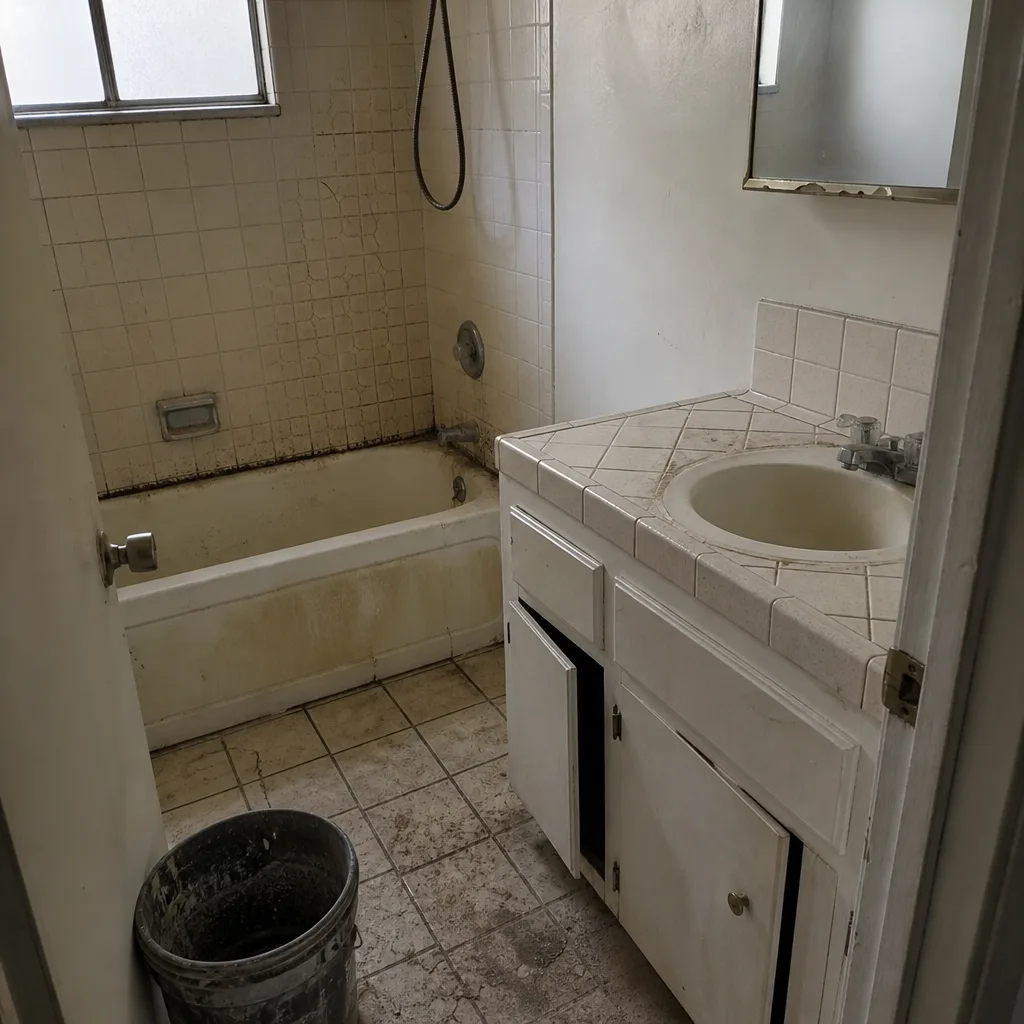 Before
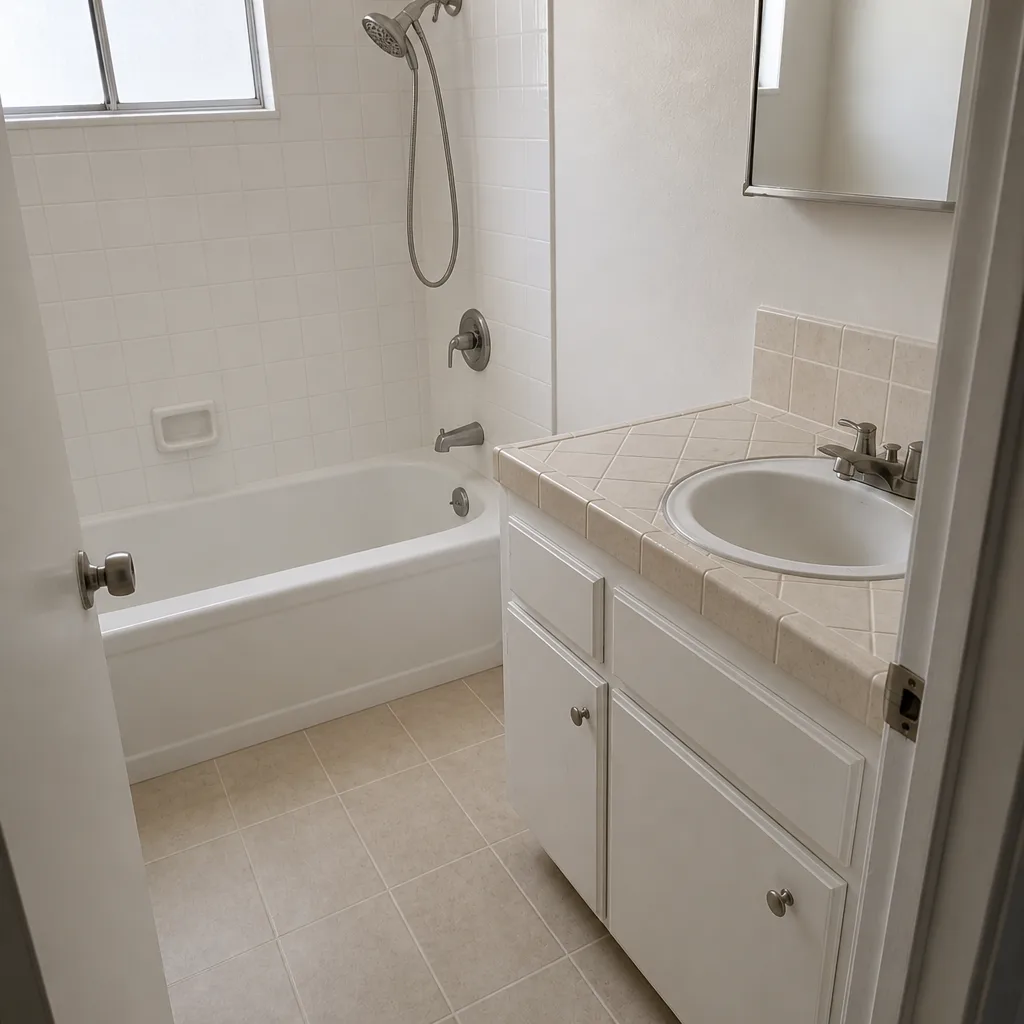 After
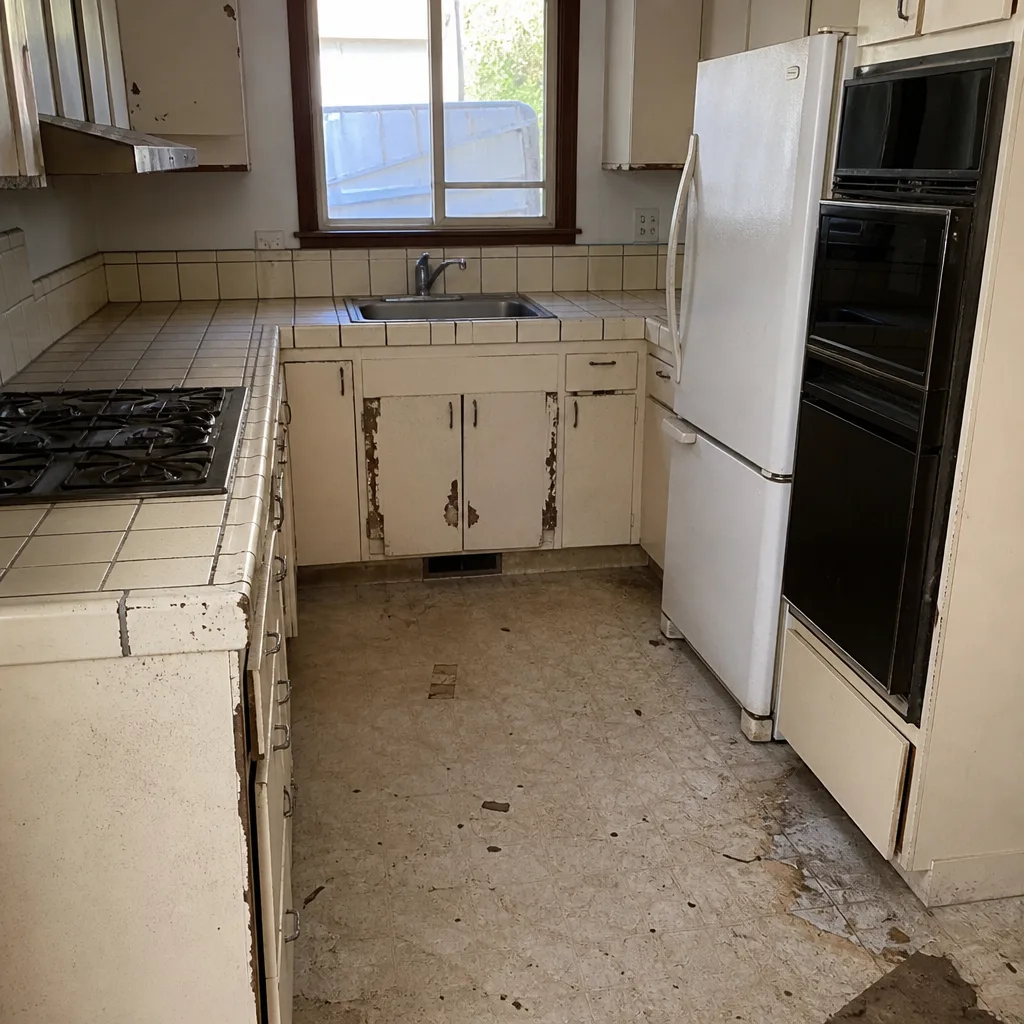 Before
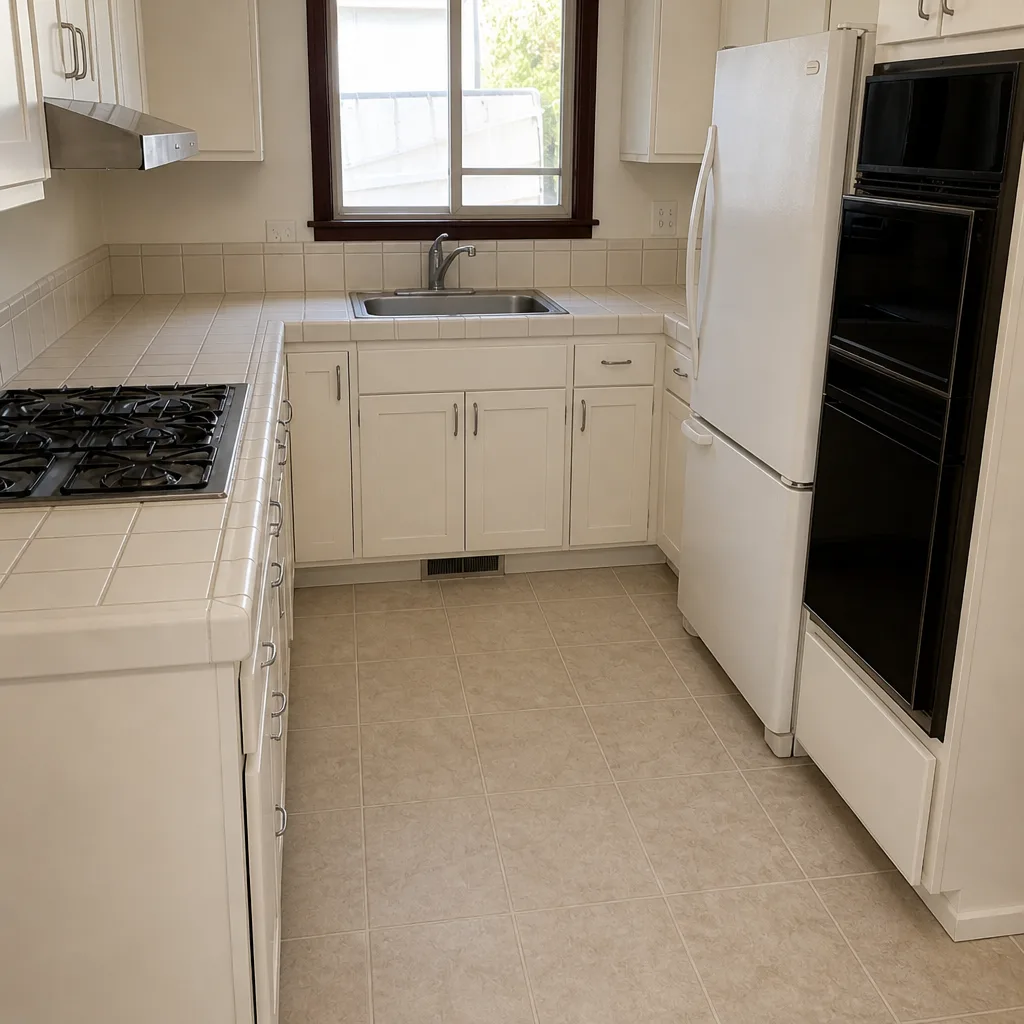 After
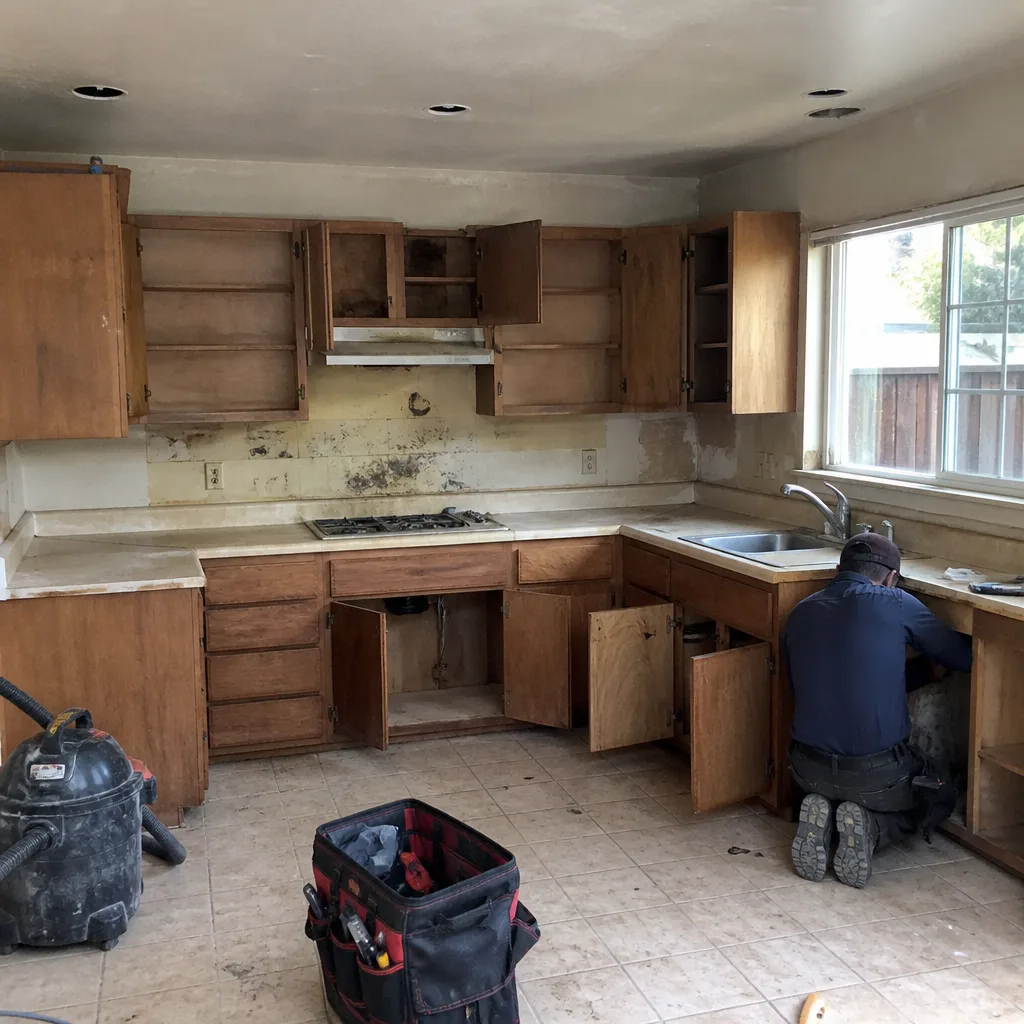 Before
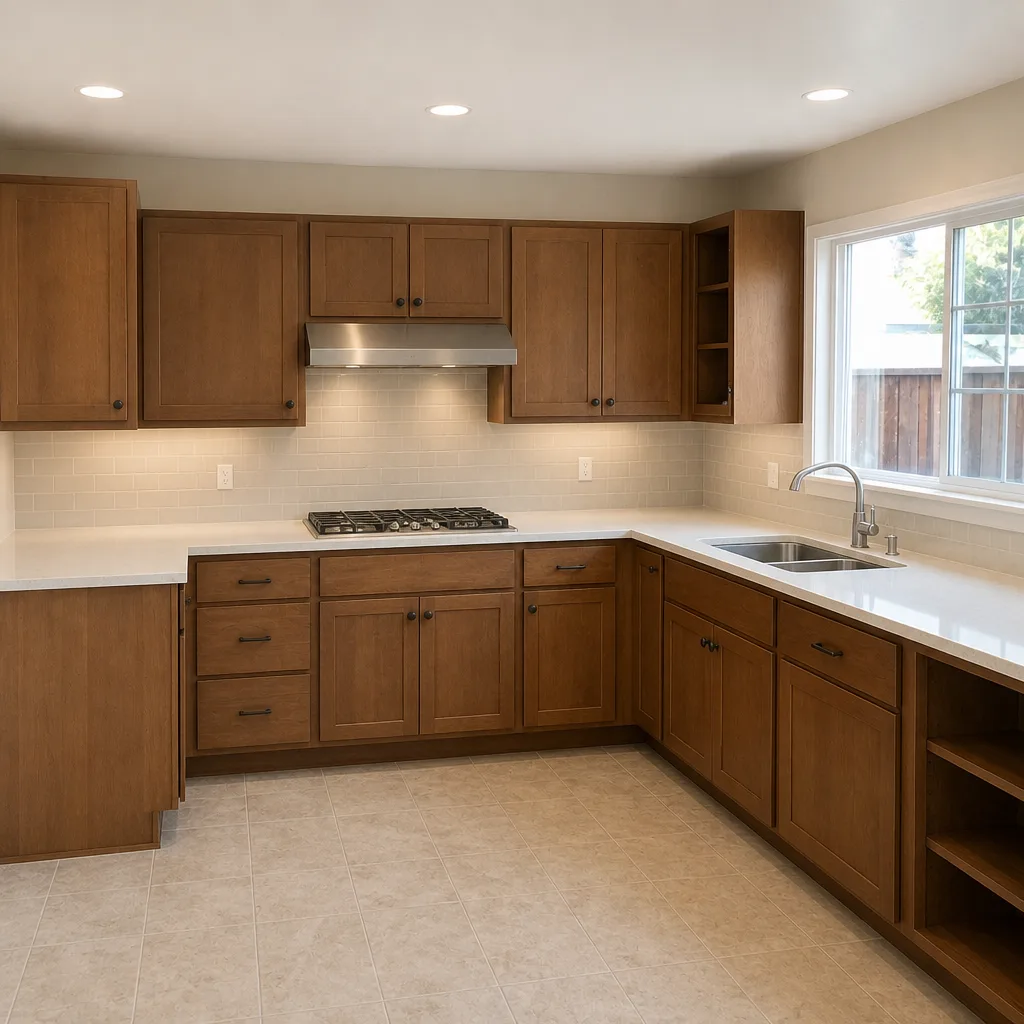 After
When to Call a Professional
Some work calls for a licensed general contractor, and it’s better to know that before you start pricing. Call us when the work touches structure, plumbing, or electrical; when a permit is required (which in Santa Clara is most remodel labor over $500); when you’re planning a full bathroom gut or a kitchen replacement; or when a previous repair has failed and you need the underlying cause found before you pay to redo it. We also get called when homeowners have a contractor who disappeared mid-project, which happens more often in busy markets like Santa Clara where crews get pulled to bigger jobs.
Penhallow Remodeling Santa Clara offers free estimates in Santa Clara. Call (833) 400-6838 to schedule one, and you’ll get a written price before any work starts.
Frequently Asked Questions

Yes, in most cases. Santa Clara generally requires a permit once labor on a remodel passes $500, and a full bathroom gut almost always crosses that line because of the plumbing, electrical, and waterproofing work involved. Cosmetic changes like paint, a mirror, or new fixtures swapped in the same location sometimes stay permit-free, but anything that moves plumbing or electrical needs one. Pull the permit in your contractor’s name with their license number on the application, and keep the final inspection record in your project file.
A fair GC markup in the Santa Clara market runs roughly 15% to 25% on top of what the subcontractors charge. That range covers project management, scheduling, permits, insurance, and profit. Below 15%, the contractor is likely cutting something you can’t see from the bid. Above 35% or 40%, you’re paying for overhead that isn’t showing up in the work. Ask for a line-item breakdown separating labor, materials, and the GC fee, and call (833) 400-6838 for a written estimate you can compare against other bids.
A preliminary notice is a document a subcontractor sends early in the project to preserve their right to file a mechanics lien if they don’t get paid. It’s routine and doesn’t mean anything is wrong. A lien waiver is what you collect at payment time; it’s the sub giving up their lien right in exchange for the money they’re owed. Collect conditional lien waivers before each payment and unconditional waivers on final payment.
It shouldn’t change without your written approval. Hidden conditions in older Santa Clara homes, like failing tile substrate or outdated wiring, are the most common reason a price moves at all, and a good estimate explains how those get handled before you sign. Every change should come with a written change order showing the scope and the price, signed before the extra work begins. Call (833) 400-6838 to schedule a free estimate with a written price up front.
Go to the CSLB website and search the license number or business name. Confirm the status is active, the classification matches your project (B-General Building for most remodels), the bond and workers’ comp fields show current, and read any complaint history. The lookup is free and takes about five minutes. Then ask for a certificate of insurance naming you as additionally insured, and make sure it comes from the insurer directly, not from the contractor’s own paperwork.
A mid-grade Santa Clara kitchen typically runs eight to twelve weeks of construction, plus several weeks for plan review and permits. A full bathroom gut usually runs four to six weeks of construction, plus permit time. Lead times on cabinetry (KraftMaid and Wellborn lines can run six to ten weeks) also affect the calendar. Any contractor who quotes you a kitchen in three weeks including permits is either guessing or leaving something out. Call (833) 400-6838 for a written schedule that includes permit and lead times.
The Bottom Line
Hiring a general contractor in Santa Clara comes down to paperwork most homeowners never ask for. Verify the CSLB license, bond, and workers’ comp before signing. Confirm the permit will be pulled in the contractor’s name with their license number on it. Read the contract against the §7159 requirements. Collect lien waivers at every payment. Expect a fair GC markup of 15% to 25%, and treat anything well below that as a reason to look closer. Get the price and the guarantee in writing before work starts, and you’ll avoid the traps that make remodeling stories in Santa Clara go bad. The written number is the whole game.
Explore our Penhallow Remodeling Santa Clara home page, learn more about our General Contractor in Santa Clara services, or call (833) 400-6838 to schedule your free estimate. You’ll get a written price, a real arrival window, and the 365-Day Done Right Promise on every project. A live person answers the phone around the clock.
Written by the team at Penhallow Remodeling Santa Clara.