Last updated November 17, 2026
Free written scope consultation - allowances, timeline, and change-order rules on paper before a single trade is scheduled
The Complete Kitchen Remodeling Guide for Santa Clara Homeowners
Most kitchen remodeling cost guides you’ll find online say a mid-range remodel runs about $30,000. In Santa Clara, that figure is light by roughly that same amount once you factor in Bay Area labor rates and city permit fees on a typical mid-range project. The national numbers weren’t built for this market. This guide is. We’ll walk through what Santa Clara kitchens actually cost by trade, which projects trigger a permit and an electrical panel upgrade under current California code, how your layout choices change your permit scope and timeline, how to compare written bids so you’re not comparing a cabinet line to a countertop, and the HOA and condo-association rules that come with Santa Clara’s mix of older tract homes and newer townhomes.
Quick Answer
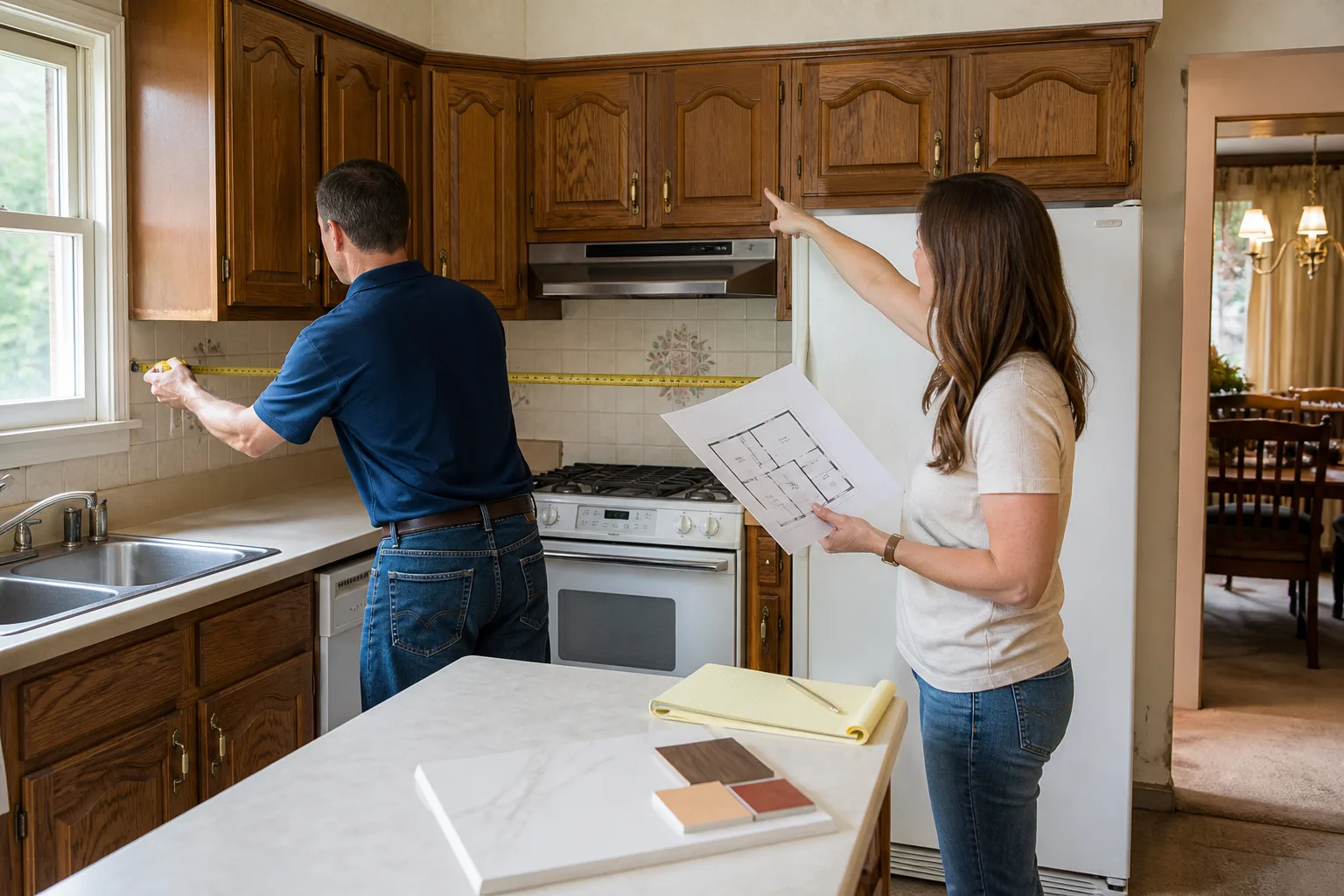
A full kitchen remodel in Santa Clara typically runs $48,000 to $95,000 for a mid-range project, and $20,000 to $35,000 for a cosmetic refresh that keeps the layout and cabinets. The biggest cost drivers are whether you move plumbing or electrical, the cabinet line you choose, and your countertop material. Plan on three to five months from first demolition to final inspection, and expect a permit for anything beyond paint, surface swaps and like-for-like fixture replacement.
Styles & brands we work with
- Kitchen remodeling
- Bathroom remodeling
- Home additions & ADU
- Roofing
- Windows & doors
- Driveway & pavers
- Fence
Table of Contents
- What does a kitchen remodel cost in Santa Clara?
- Santa Clara labor costs by trade, broken down
- Santa Clara permit requirements and the electrical panel question
- Galley, L-shape or island: how layout changes your permit scope
- How to compare written bids apples to apples
- HOA and condo-association rules in Santa Clara
- A realistic Santa Clara kitchen timeline, step by step
What Does a Kitchen Remodel Cost in Santa Clara?
Santa Clara kitchen remodels typically run $48,000 to $95,000 for a full mid-range project. A surface-level refresh with new counters, backsplash and paint but the same layout and cabinets sits closer to $20,000 to $35,000. The high end, with custom cabinetry, an island addition, a relocated sink and a panel upgrade, can pass $130,000.
Three things push the number up faster than anything else. Moving the plumbing (the sink and dishwasher are the usual suspects). Moving gas or adding circuits, because any kitchen electrical work in an older Santa Clara home tends to reveal a panel that’s already full. And the cabinet line itself, which alone can swing a project by $15,000 between a semi-custom and a full custom build.
Here’s a rough line-item picture of where the money goes on a $70,000 Santa Clara kitchen:
- Cabinetry: $14,000 – $28,000 (semi-custom KraftMaid or Wellborn sits in the middle of that band)
- Countertops: $5,000 – $11,000 fabricated and installed (Cambria, Silestone and Caesarstone quartz are the common Santa Clara picks)
- Labor, demo through finish: $18,000 – $32,000
- Appliances: $3,000 – $12,000
- Plumbing and fixtures: $2,000 – $6,000 (Kohler and Moen are the workhorses here)
- Electrical: $2,500 – $9,000, panel upgrade extra if needed
- Flooring, tile and backsplash: $3,000 – $8,000
- Permits and inspections: $800 – $3,500 depending on scope
If you want a firm number on your specific kitchen rather than a band, that’s what a written bid gives you. We put the price in writing before any work starts, so the number on day one is the number on the invoice.
Santa Clara Labor Costs by Trade, Broken Down
National averages blur what you actually pay here. Santa Clara labor runs 30 to 45 percent above the national figure on most trades, and that shows up per task. Here’s what the individual pieces cost on a typical Santa Clara mid-range kitchen.
- Demo and haul-away: $1,800 – $4,200. Includes cabinet removal, counter tear-out and disposal. Older homes sometimes surface surprises here (a wall that wasn’t load-bearing on paper, or a floor layer under the tile), and those are quoted before work continues, not after.
- Cabinet installation: $3,500 – $8,000. This is labor only, separate from the cabinet cost. Complexity of the run, island presence and any custom filler panels affect it.
- Countertop fabrication: $900 – $2,400 on top of the slab cost. Templating, edge profiles and sink cutouts are where the labor lives. Stone shops local to Santa Clara are usually booked two to three weeks out, so this step sets the tone for the schedule.
- Plumbing rough-in and finish: $2,200 – $6,500. Sink, dishwasher, disposal and any relocated supply or drain. Moving the sink more than a few feet is where this climbs.
- Electrical rough and finish: $2,500 – $9,000. New circuits, outlet relocation, under-cabinet lighting, range hood venting, and the panel question covered in the next section.
Why the spread? Bay Area labor rates, sure. But also construction: Santa Clara’s older neighborhoods have plaster walls, knob-and-tube remnants in some of the oldest homes, and floors that don’t always sit level. All of that adds labor hours. For a full picture of how these trades stitch together across a whole project, our General Contractor in Santa Clara page covers sequencing and coordination.
Santa Clara Permit Requirements and the Electrical Panel Question
Most kitchen projects in Santa Clara need a building permit, and any kitchen that touches electrical, plumbing or gas definitely does. Under current California code, a kitchen remodel that adds a circuit or two to an older panel frequently triggers a full panel upgrade, because the electrical code requires the panel to handle the total load, and older 100-amp panels in Santa Clara’s mid-century tract homes often can’t take the extra kitchen circuits and still pass.
This is the expensive surprise that a lot of national guides skip. A panel upgrade runs roughly $3,000 to $6,000 in this market, and it’s not optional when the load calculation fails. Here’s when it tends to come up:
- Circuits are already maxed. Older homes with a 100-amp panel and electric range, dryer and HVAC already on it usually can’t add kitchen circuits without an upgrade.
- You’re adding an induction cooktop or EV charger. These pull load that older panels weren’t sized for.
- GFCI and AFCI requirements apply. Kitchen counter circuits need GFCI protection, and many older kitchens simply don’t have it. Bringing them up to code often leads to the panel conversation.
Other Santa Clara permit points worth knowing: gas line work requires its own permit and inspection, any wall you want removed needs a structural check if it might be load-bearing, and a kitchen that adds a range hood typically needs an exhaust-to-exterior requirement met. Get the permit pulled before demo starts. Unpermitted work surfaces at resale and can stall a sale.
Galley, L-Shape or Island: How Layout Changes Your Permit Scope
Layout decisions don’t just change how your kitchen feels. They change your permit scope, your inspection count and your timeline. Here’s how the three common Santa Clara layouts differ.
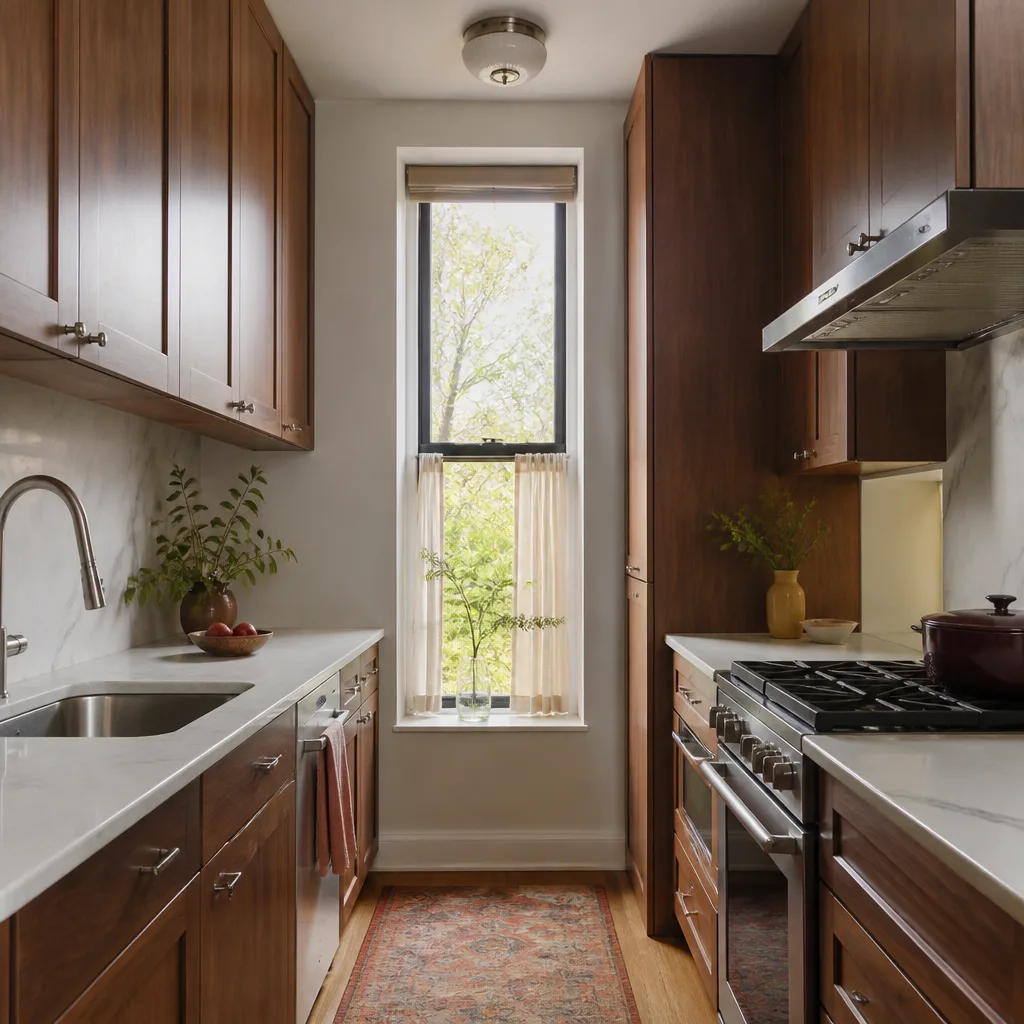
Galley kitchens keep plumbing and electrical mostly where they are, which is the gentlest path through permitting. If you’re staying within the existing walls and just replacing cabinets, counters and appliances, the permit is usually a straight cabinet-and-counter permit with limited inspection rounds. These run three to four months on a moderate scope.
L-shape layouts often involve moving the sink or the range, which means plumbing or gas relocation and their own permits. That’s not a blocker, just a timeline reality: each permitted trade adds inspection rounds, and each inspection round is a day when other work can’t proceed until it passes. Add two to four weeks to the schedule compared to a galley.
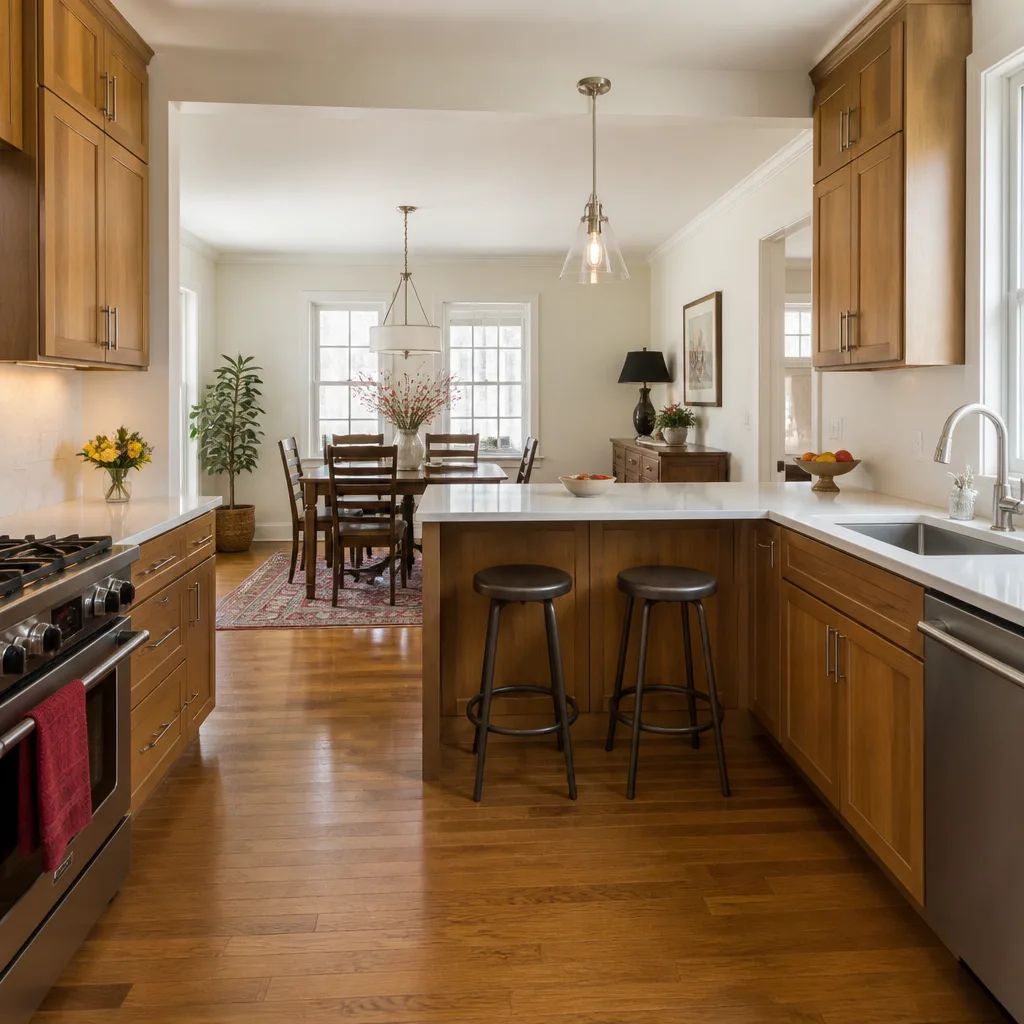
Adding an island is the biggest scope change. Island additions usually require electrical (island outlets, maybe a switch or disposal feed), and if you’re relocating the sink to the island, plumbing. An island also requires the kitchen to meet clearances around it, and can prompt a structural review if it’s replacing a wall with a peninsula. This is where timelines stretch to four or five months and the budget climbs fastest.
The practical takeaway: layout decisions made in the planning phase cost nothing. Layout decisions made after demo cost real money. Settle your galley-versus-island question before the permit is filed.
How to Compare Written Bids So It’s Actually Apples to Apples
A verbal estimate versus a written bid isn’t a formatting difference, it’s the difference between a number you can hold someone to and one you can’t. Comparing multiple written bids fairly comes down to a few checks.
- Same scope, same line items. If one bid says “cabinets: $15,000” and another says “cabinetry, hardware, install, delivery: $15,000,” you’re comparing different things. Ask each contractor to itemize demo, cabinets, countertops, labor, plumbing, electrical, permits and disposal.
- Cabinet line named. A bid that says “semi-custom cabinets” is a placeholder. It should name the line, like KraftMaid or Wellborn, with a model series. Two bids on “semi-custom” can be $10,000 apart and both be honest.
- Countertop material and thickness. Quartz is not one price. Cambria, Silestone and Caesarstone all carry different slabs, and 2cm versus 3cm thickness changes the fabrication cost. The bid should say which.
- Permits included? “Permit fees extra” is a common way a bid looks lower than it is. Confirm who pulls the permit and whether the fee is in or out of the number.
- What happens if scope changes. Every bid should say how change orders are priced and who signs off. A written bid with a change-order policy is workable. A verbal estimate with a “we’ll figure it out” is not.
- Guarantee in writing. Check how long the workmanship guarantee runs and what it covers. Ours is 365 days from completion, in writing on every project, and if something fails we come back and fix it at no charge.
We put the price in writing before any work starts as a standard operating practice. Comparing your bids against ours is a fair test either way.
HOA and Condo-Association Rules in Santa Clara
Santa Clara’s housing stock splits into two permitting worlds, and your HOA or condo association is a third layer. Older single-family tract homes in neighborhoods like Rivermark’s surroundings or the older streets near Santa Clara University usually have no HOA, but they often have the panel and plaster issues we covered above. Newer townhome developments and planned communities almost always have an association with its own review process.
If your kitchen is in a condo or townhome, know this before you pick a single cabinet: most Santa Clara associations require an architectural review application, and some require board approval for anything that changes the exterior or structural side (a new range hood venting to the exterior, for instance, or moving a wall). Interior-only cosmetic work usually clears faster, but you need the written approval on file before demo. Associations can also have rules about work hours, loading dock access and elevator use during the project, which affect scheduling.
For a full bathroom project on a similar association-review path, the same logic applies, and our Bathroom Remodeling in Santa Clara page covers that side of the house.
A Realistic Santa Clara Kitchen Timeline, Step by Step
Three to five months from signed contract to final inspection is realistic in Santa Clara for a mid-range kitchen. Here’s how that breaks down.
- Design and selections, weeks 1-3. Cabinet line, countertop material, appliances and fixture selections locked in. Order lead times matter here; semi-custom cabinets can run four to six weeks.
- Permit filing, weeks 3-5. Submit the permit application. Santa Clara’s review typically takes two to four weeks for kitchen scope, longer if structural work is involved.
- Demo, week 5 or 6. Two to four days depending on size.
- Rough-in, weeks 6-7. Plumbing and electrical rough, then the rough inspection. This is the panel-question checkpoint.
- Cabinet install, week 7-8. Three to five days.
- Countertop template and install, weeks 8-10. Template after cabinets, install one to two weeks after template. This is the step that eats the most calendar time.
- Finishes, weeks 10-14. Tile, backsplash, paint, fixtures, appliances, final inspections.
One caveat that costs people time: scheduling inspections around trades is a coordination job. When a company is honest about a defined arrival window and sticks to it, the calendar holds. When it isn’t, the schedule slips by weeks. For a sense of how Penhallow runs a job start to finish, our main Penhallow Remodeling Santa Clara home page lays out the process and the guarantee in plain terms.
Common Mistakes to Avoid
- Choosing the cheapest bid without reading it. A bid that’s $8,000 lower is usually a bid that left out the permit fee, the countertop fabrication, or the panel upgrade. Compare line by line, not number to number.
- Underestimating old-house electrical in older Santa Clara homes. Plaster walls and full panels are normal in mid-century tract homes. Budget the panel conversation in from the start instead of discovering it at rough-in.
- Not checking HOA or condo-association rules before demo. Most Santa Clara townhome associations require written approval for anything touching exterior or structural scope. Get it before work, not after.
- Moving plumbing to save counter space without running the numbers. Relocating the sink a few feet can add $2,000 or more to plumbing and push an inspection. Sometimes the layout you have is the smarter financial choice.
- Ordering cabinets before the countertop material is locked. Cabinet install and countertop templating are sequenced for a reason. If your countertop is backordered, your cabinets sit unfinished under a tarp.
- Accepting a verbal estimate. Verbal ballparks change at the door. Ask for the number in writing, with the cabinet line named and the permit question answered.
- Skipping the final inspection. Unpermitted or uninspected kitchen work can stall a Santa Clara resale and complicate insurance. Pull the permits and pass inspections.
See the difference
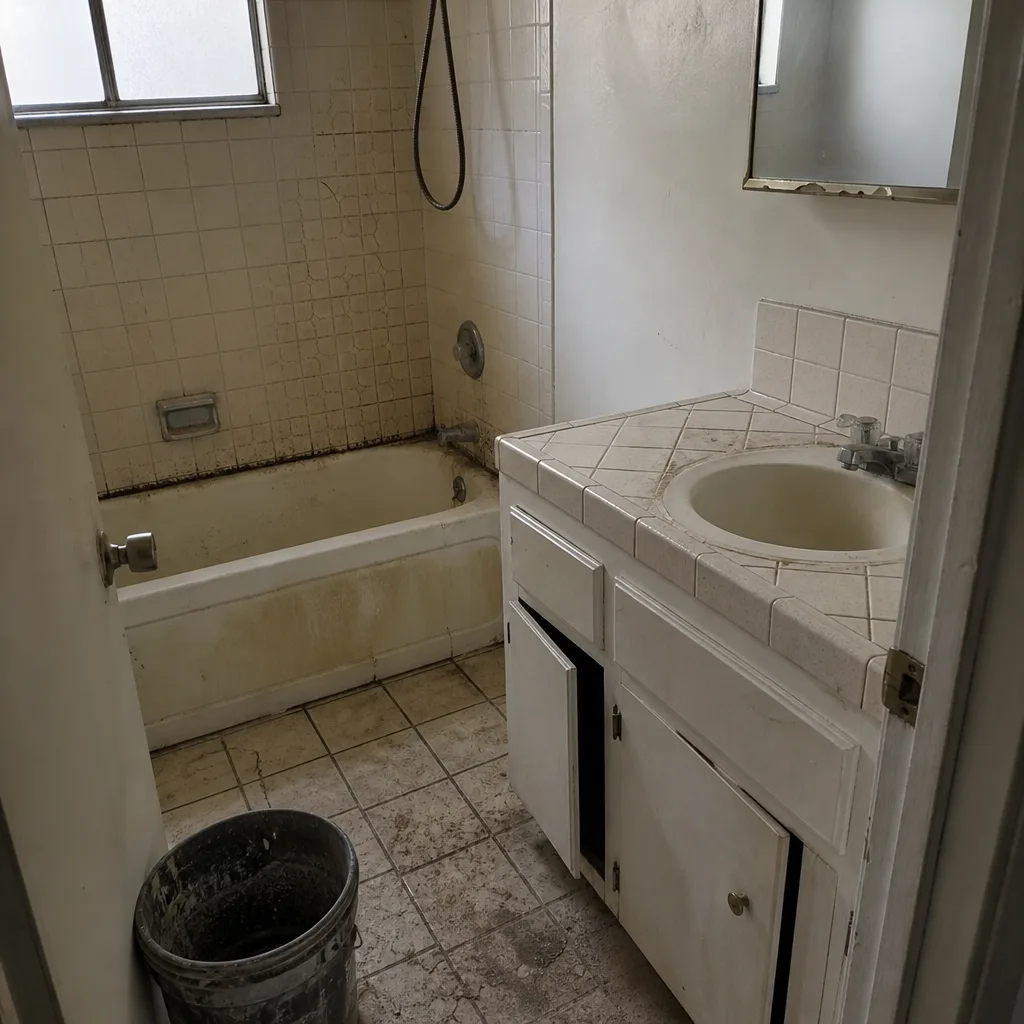 Before
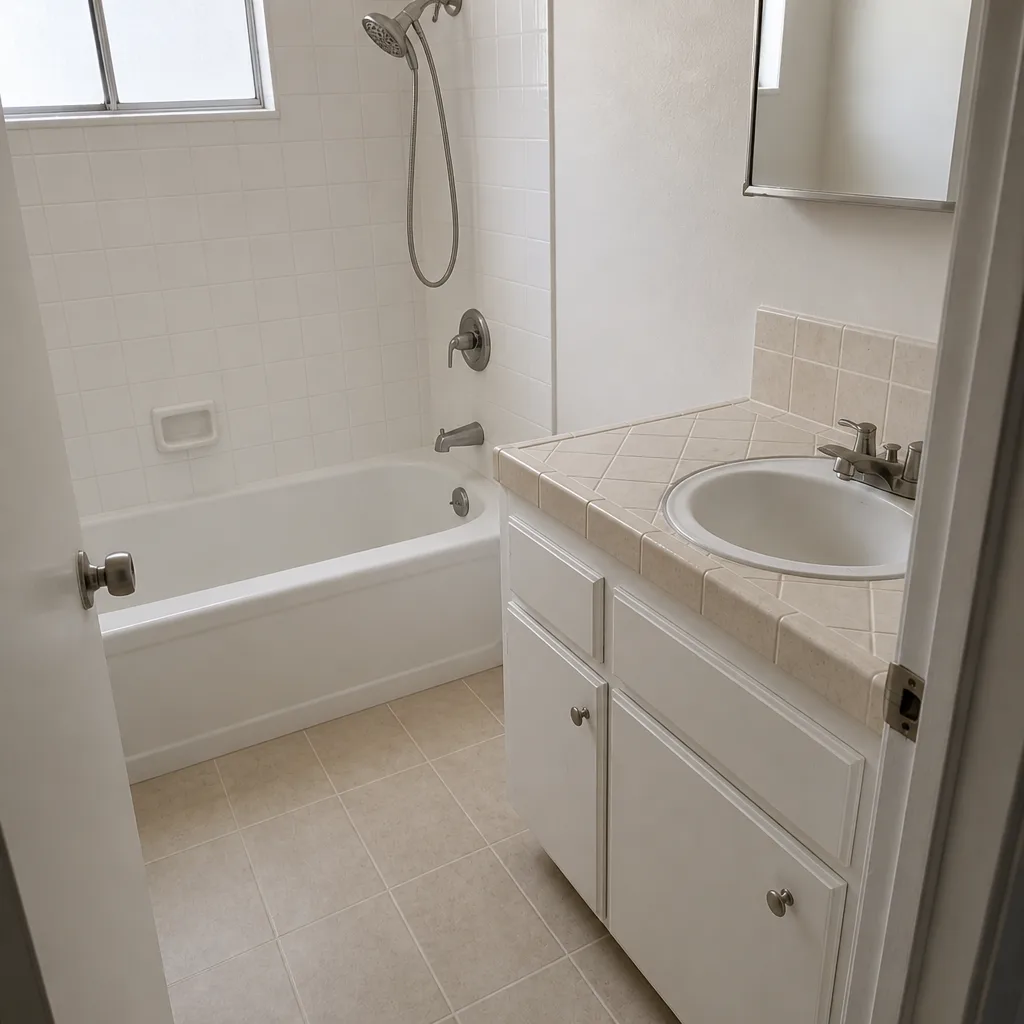 After
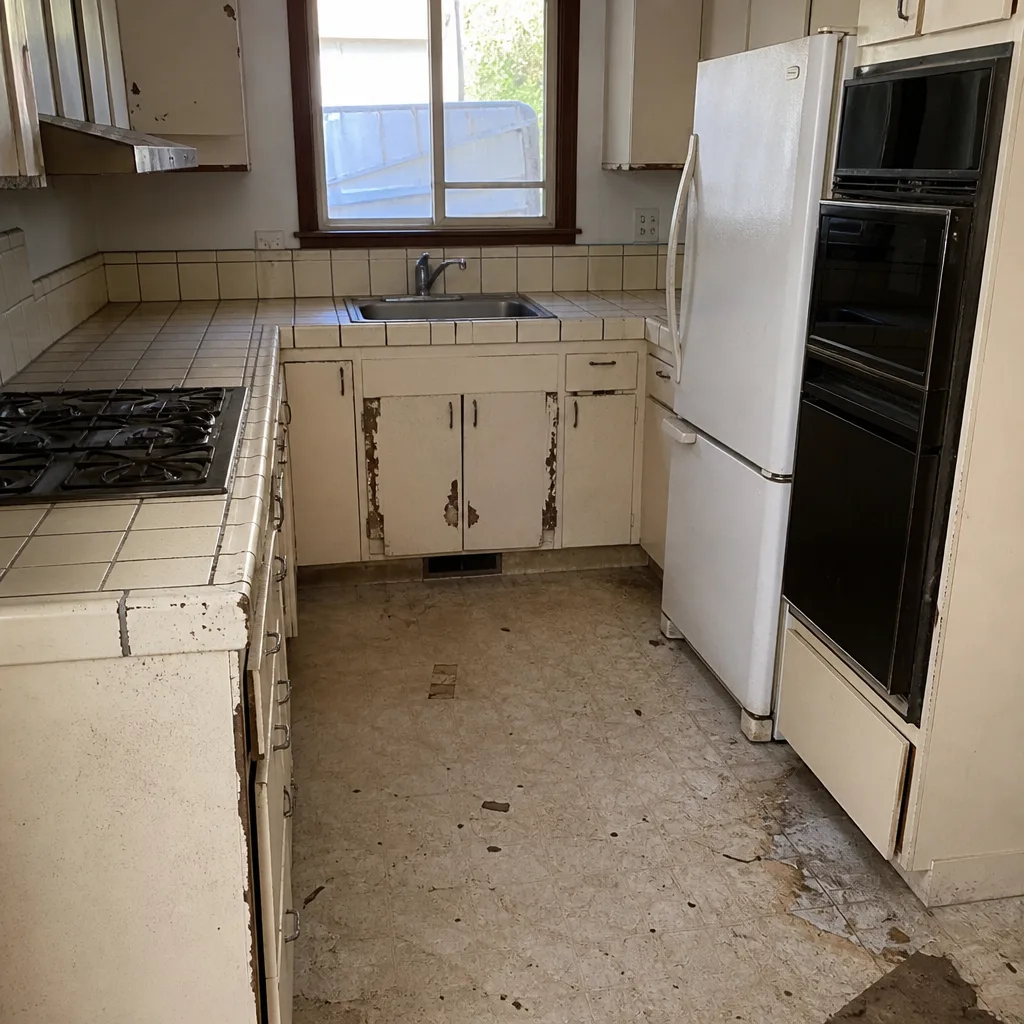 Before
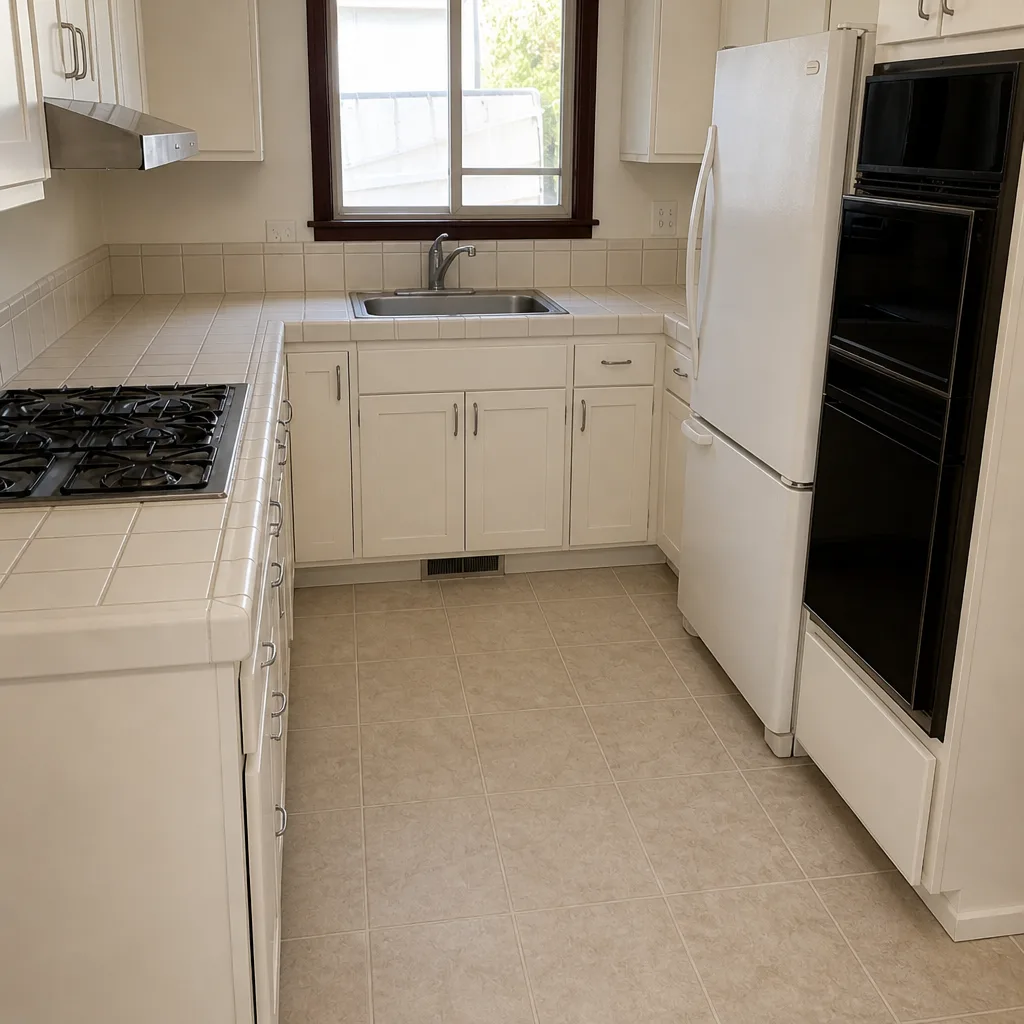 After
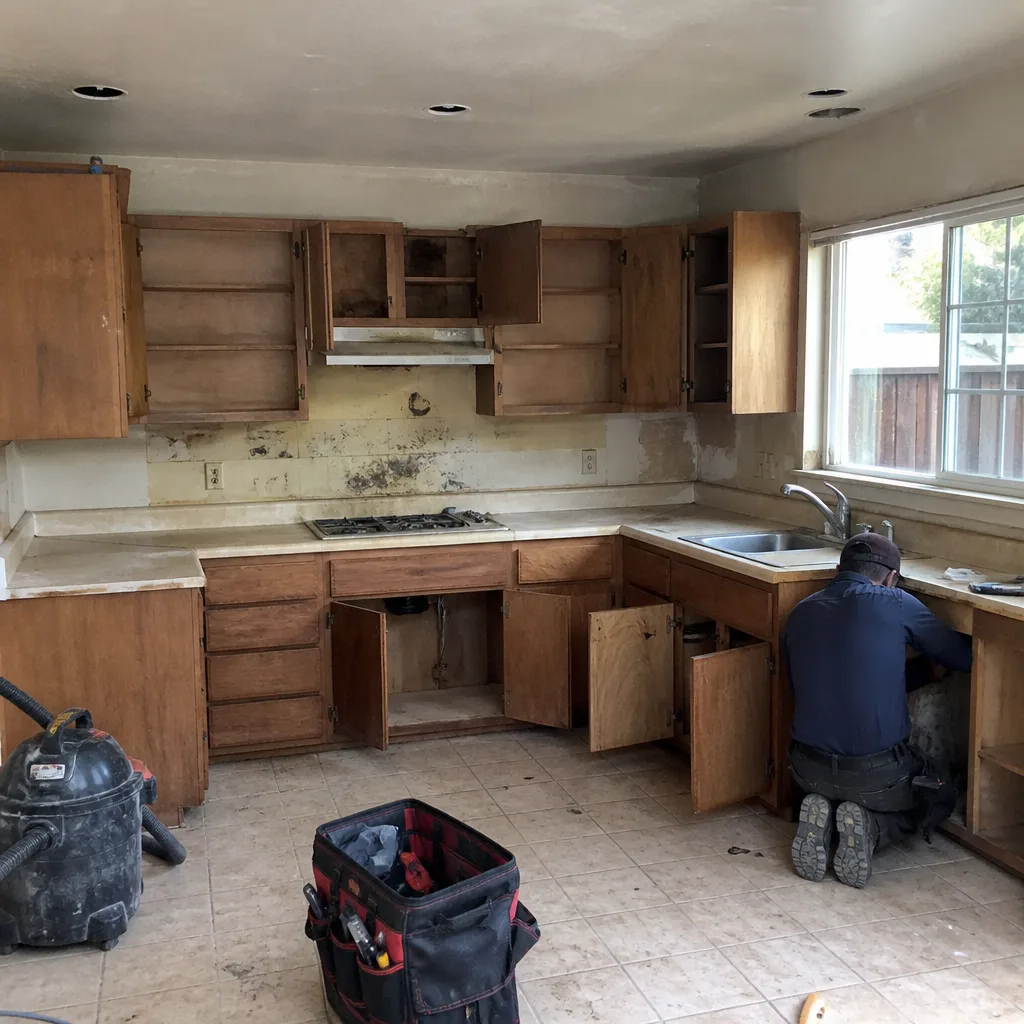 Before
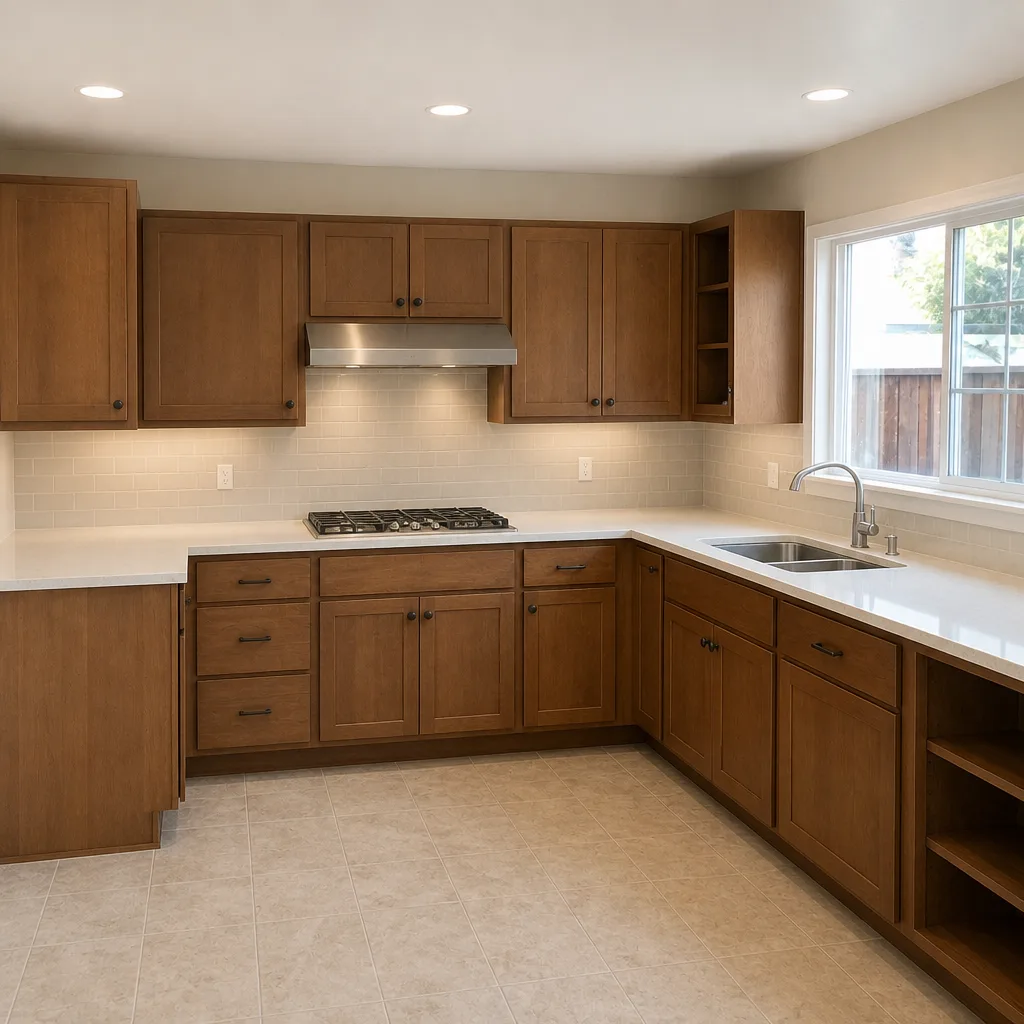 After
When to Call a Professional
Some things genuinely don’t need us. Swapping a faucet, repainting cabinets, or a surface-level counter swap you’re comfortable doing can stay in your hands. What needs a licensed, insured general contractor is anything that touches permits, electrical panels, plumbing or gas, structural walls, and layout changes. Electrical panel work in particular is not a homeowner job: a panel carries live main service, and doing it wrong is a fire and electrocution risk. Same goes for gas line work and anything that might be load-bearing. For a full kitchen scope that includes cabinets, counters and trades, that’s the core of what we do. Penhallow Remodeling Santa Clara offers free estimates in Santa Clara, and a live person answers the phone around the clock. Call (833) 400-6838 to schedule yours.
Frequently Asked Questions
A full mid-range kitchen remodel in Santa Clara typically costs $48,000 to $95,000. A cosmetic refresh that keeps the layout and cabinets runs $20,000 to $35,000. Call (833) 400-6838 for an exact quote on your kitchen, estimates are free.
Yes for anything beyond paint, surface swaps and like-for-like fixture replacement. Anything that touches electrical, plumbing or gas requires a permit, and any removed wall requires a structural check if it might be load-bearing. Get permits pulled before demo starts.
Sometimes, and it’s a common surprise in older Santa Clara homes. Under current California code, if the load calculation on an older 100-amp panel fails when you add kitchen circuits, a panel upgrade is required. Budget $3,000 to $6,000 for it and confirm your contractor checked the panel before quoting.
Plan on three to five months from signed contract to final inspection. Galley layouts that keep plumbing in place sit closer to three months. Layouts with an island addition, relocated plumbing or a panel upgrade stretch to four to five months.
It shouldn’t if the price is written and the scope is itemized. We put the price in writing before any work starts, so the number on day one is the number on the invoice. If a genuine hidden condition surfaces after demo, it’s quoted and approved before work continues. Call (833) 400-6838 to talk through your project.
Often yes, especially in newer townhome developments and planned communities. Most Santa Clara associations require an architectural review application and written board approval for anything touching exterior or structural scope. Get that approval before demo begins.
The Bottom Line
A Santa Clara kitchen remodel costs more than the national averages suggest because the market here runs hot, the permitting process is real, and older homes carry electrical and plaster surprises that need to be planned for, not discovered. The blueprint that works is simple: settle your layout first, decide your cabinet and countertop lines, budget for the permit and the possibility of a panel upgrade, then compare written bids line by line. Get the price in writing before work starts, and get the guarantee in writing too. That’s the difference between a project that finishes on budget and one that doesn’t.
If a kitchen is on your list and you’d like a written number you can hold us to, our Kitchen Remodeling in Santa Clara page is the place to start. Call Penhallow Remodeling Santa Clara at (833) 400-6838 for a free estimate, and a live person will answer whenever you phone.
Written by the team at Penhallow Remodeling Santa Clara.