Last updated November 17, 2026
Free written scope consultation - allowances, timeline, and change-order rules on paper before a single trade is scheduled
Construction Cost Breakdown: The Santa Clara Homeowner’s Reference for 2026
National remodeling guides will tell you a Bay Area kitchen runs somewhere between $180 and $420 per square foot. That range spans more than double, and it’s built by blending San Jose, San Francisco, and Oakland numbers into one “Bay Area” figure. Budgeting a Santa Clara project from it is a little like using a statewide gas price average to decide whether to stop at a specific station on El Camino. This guide breaks the number apart: what tile, carpentry, electrical, and plumbing labor actually run in Santa Clara in 2026, what the city charges for permits on common projects, and how to read a written quote line by line so you can tell where a price is honest.
Quick Answer
In Santa Clara in 2026, a mid-range kitchen remodel typically runs $68,000 – $125,000, a hall bathroom $28,000 – $55,000, and an ADU conversion $180,000 – $320,000, with labor and permit costs driven by Silicon Valley trade rates and city fee schedules. The biggest variable isn’t the total on the quote, it’s what’s written in the line items: allowances, exclusions, and whether the contract is fixed-price or time-and-materials.
Styles & brands we work with
- Kitchen remodeling
- Bathroom remodeling
- Home additions & ADU
- Roofing
- Windows & doors
- Driveway & pavers
- Fence
Table of Contents
- What do Santa Clara labor rates look like in 2026?
- What do Santa Clara permits actually cost?
- How do you read a contractor quote line by line?
- Where do cost overruns hide in allowances?
- Which material costs are fixed and which move with lead time?
- Fixed-price contract or time-and-materials?
- Common mistakes to avoid
- When to call a professional
What Do Santa Clara Labor Rates Look Like in 2026?
Labor is the single largest line in any Santa Clara remodel, and it’s the number that gets obscured when national guides average across the whole Bay Area. Santa Clara tradespeople sit inside the Silicon Valley wage market, which means labor here runs higher than San Jose’s southern edges and lower than San Francisco’s Peninsula corridor. When we build a quote for a Santa Clara home, here’s roughly what each sub-trade carries per hour for finish and rough work:
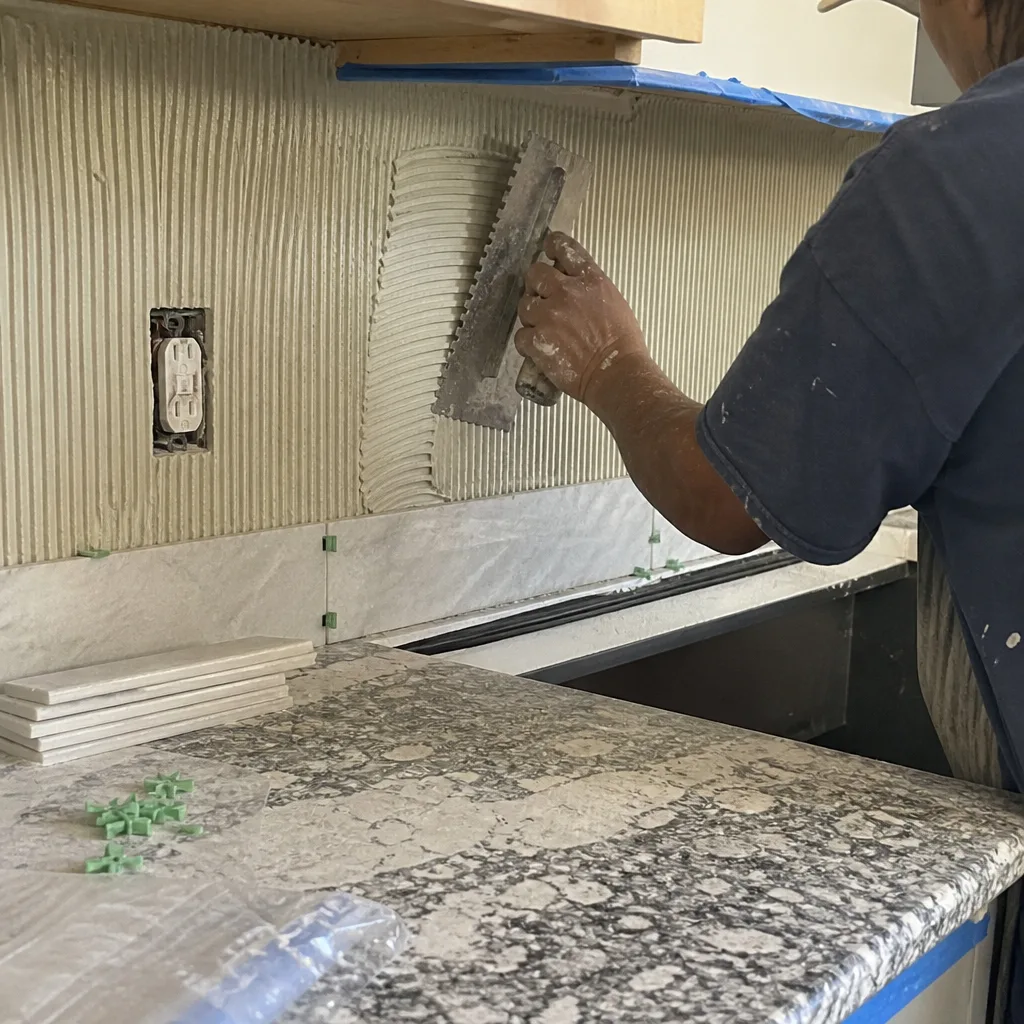
- Tile setters: $85 – $130 per hour for floor and shower tile, including waterproofing membrane and cement board substrate (the moisture-resistant layer behind your tile).
- Finish carpentry: $90 – $140 per hour for cabinetry install, trim, and door hanging.
- Electrical (licensed): $95 – $150 per hour, with a premium on panel work and any circuit added inside a kitchen or bathroom.
- Plumbing (licensed): $100 – $165 per hour, highest for anything requiring a permit inspection.
- Framing and drywall: $70 – $110 per hour for rough carpentry and hang-finish.
The Santa Clara context matters here. Homes built in the 1950s and 1960s across neighborhoods like Old Orchard and the blocks off Kiely Boulevard often have galvanized plumbing and undersized electrical panels. Both add hours of rough-in labor before finish work ever begins, and both get flagged by the city inspector. A quote that doesn’t mention them isn’t necessarily wrong, but it’s incomplete.
What Do Santa Clara Permits Actually Cost?
Permit fees in Santa Clara follow the city’s building division fee schedule and scale with the valuation of the work. The category you file under matters as much as the total project cost, because a bathroom addition is priced differently from a bathroom refresh and an ADU is priced differently again. Here’s what homeowners should expect in 2026 for the three most common projects:
- Kitchen remodel (no structural change): $800 – $2,200 in permit fees, depending on valuation and whether electrical and plumbing are relocated.
- Bathroom addition (new square footage): $2,500 – $6,500, higher because it triggers plan review, structural review, and a final inspection sequence.
- ADU (attached or detached): $6,000 – $14,000, with plan-check, school district fees where applicable, and separate utility connection fees on top.
Two Santa Clara-specific things to know: first, the city requires a separate electrical and plumbing permit in almost every case, so the number on your general permit is not the whole permit cost. Second, permit fees are paid to the city, not the contractor, and a good written quote lists them as a pass-through line rather than absorbing them into overhead. We’re careful on this point because homeowners deserve to see what the city charges versus what the contractor charges.
How Do You Read a Contractor Quote Line by Line?
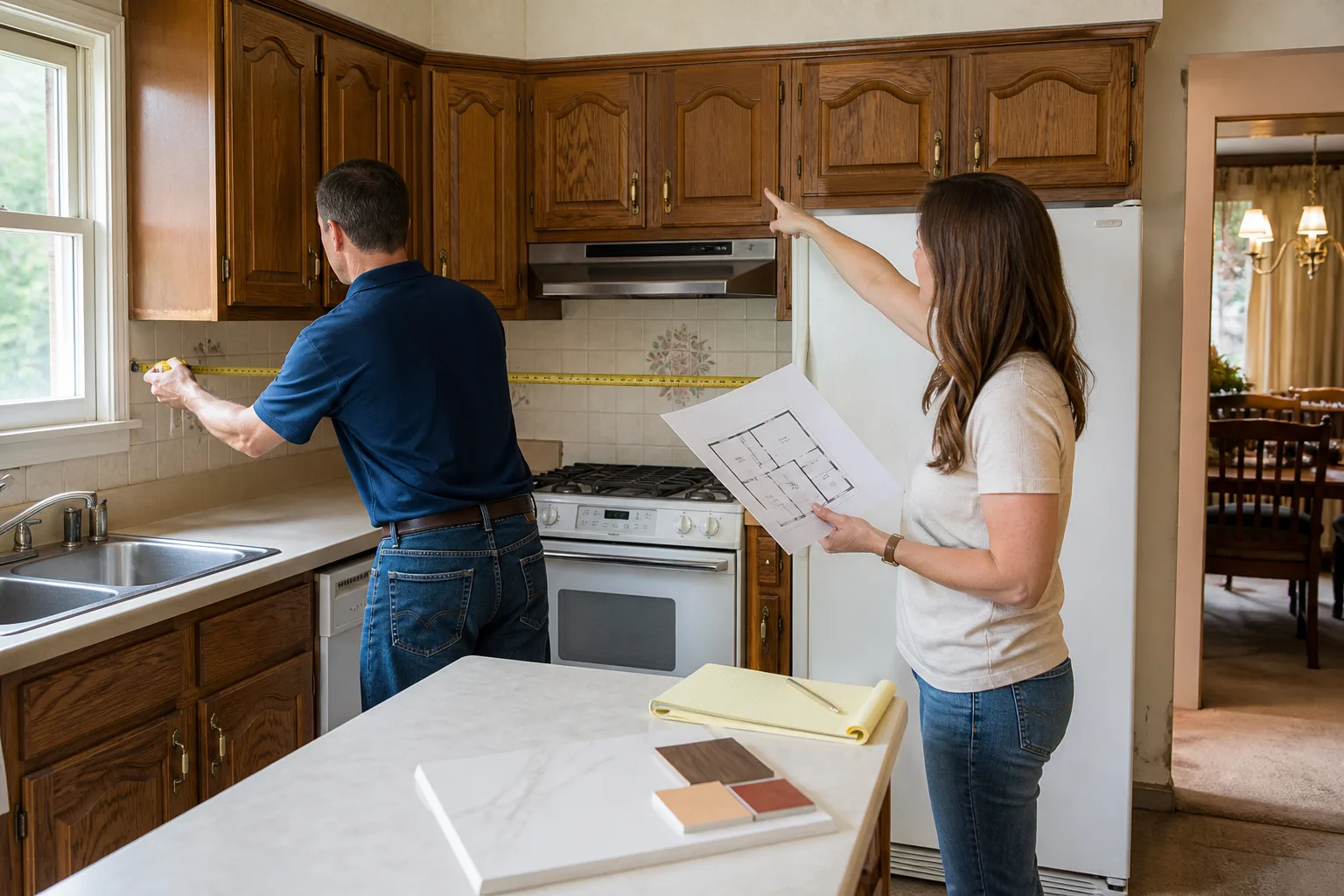
A written quote is a document you should be able to audit. When you’re comparing two or three Santa Clara bids, don’t compare the totals at the bottom. Compare the line items against each other, because that’s where the real difference lives. Here’s how to read a quote in the order it’s usually written:
- Scope of work: Read the sentence-level description of what gets built. If it says “remodel kitchen” and nothing else, the rest of the quote is unenforceable.
- Demolition and disposal: A real line item. Some contractors bury it, some leave it out and bill you later.
- Rough-in trades: Electrical, plumbing, and HVAC should each be their own line with a dollar amount, not folded into “labor.”
- Allowances: Specific dollar caps for materials not yet selected (tile, fixtures, lighting). Note the number and the note beside it.
- Finish materials: Cabinetry, countertops, and flooring should name the brand or line if they’re included. Cambria quartz and a builder-grade remnant are not the same item.
- Permits and inspections: Should be pass-through and itemized.
- Contingency and change-order language: What does a change cost, and how is it approved? Get that answer in writing.
If a line item is missing, ask for it. A quote you can read is a quote you can hold the contractor to, which is the entire point of a written number on day one. If any of this is unfamiliar, our general contractor team in Santa Clara will walk through a quote with you line by line before you sign anything, no charge.
Where Do Cost Overruns Hide in Allowances?
Allowances are the most common place a Santa Clara remodel grows by 15 to 30 percent between the estimate and the invoice. An allowance is a placeholder dollar amount for a material you haven’t picked yet. It’s a legitimate tool when it’s honest, and a trap when it’s set low to make the total look better.
- Tile allowance under $8 per square foot limits you to entry-level porcelain. Most Santa Clara homeowners picking a shower tile land closer to $14 – $22 per square foot, which means the allowance is a soft overrun waiting to happen.
- Cabinet allowance quoted as “semi-custom” without a brand is not an allowance, it’s a hope. Ask for a specific line, whether KraftMaid or Wellborn, so you know what you’re comparing against.
- Lighting and plumbing fixture allowances under $400 per fixture often can’t cover a Kohler or Moen selection at showroom pricing. That delta shows up as a change order.
- Countertop allowances measured in linear feet vs. square feet create honest math errors that favor the contractor. Ask which unit is being used.
The right answer isn’t to demand no allowances. It’s to demand realistic ones, and to ask what happens if you come in under. The Kingswell Way is straightforward on this: say the price before the work, so the number on day one is the number on the invoice. That means allowances set at real market prices for Santa Clara, not at what makes a total look low on the front page.
Which Material Costs Are Fixed and Which Move With Lead Time?
Some materials in a written quote are locked the day you sign. Others move with the supply chain, and pretending otherwise is how contractors find themselves absorbing losses or passing them to you. In Santa Clara in 2026, here’s the split we plan around:
Generally fixed once the quote is signed:
- Cabinetry from a named brand line (KraftMaid, Wellborn), priced once the order is placed.
- Countertops in Cambria, Silestone, or Caesarstone, priced once the slab is selected.
- Framing lumber and standard sheet goods.
- Plumbing fixtures from Kohler, Moen, Delta, Grohe, and Toto at time of order.
Fluctuates with lead time and market:
- Windows and exterior doors, especially styles from Therma-Tru or ES Windows that ship on a 6 to 14 week lead time. Prices quoted today can shift if the order sits unplaced.
- Glass and shower enclosures, which often route through a separate supplier such as Mr-Glass or ECO Window Systems.
- Exterior siding (James Hardie) and hardscape products (Belgard, Unilock) that price on delivery, not on selection.
The practical rule: get the cabinet, window, and countertop orders placed early. Every week a product sits unordered is a week the market can move under you, and that delta falls on whoever signed the quote last.
Fixed-Price Contract or Time-and-Materials?
These are the two structural ways a Santa Clara contractor prices a remodel, and the difference matters more than most homeowners realize. A fixed-price contract locks the price for the described scope. A time-and-materials (T&M) arrangement bills you for actual hours plus actual materials, usually with a markup on materials and an hourly rate for labor.
Here’s the honest trade-off:
Fixed-price is the right structure for a defined scope: a bathroom remodel, a kitchen where the layout is settled, a whole-home refresh. You get a written number, you can compare it against other bids apples-to-apples, and the contractor absorbs the risk of scope that turns out bigger than expected. It’s harder to price honestly when the scope is unclear, which is why a good contractor will spend real time on the site walk before quoting.
Time-and-materials is right for genuinely exploratory work: opening a wall to see what’s inside, chasing a leak, or a project where scope can’t be known upfront. On a defined Santa Clara remodel, T&M almost always costs more in total, because there’s no ceiling and every pleasant surprise gets billed. If a contractor quotes T&M on a kitchen remodel with a settled layout, ask why.
We quote fixed-price on every project where the scope is defined, backed by the Penhallow Remodeling Santa Clara home team and the 365-Day Done Right Promise. If work fails inside the guarantee period, we come back and fix it at no charge. That guarantee only makes sense on a fixed price, which is why we build every quote that way.
Common Mistakes to Avoid
- Comparing bottom-line totals across quotes. A quote that’s $15,000 cheaper is usually $15,000 of scope missing. Compare line by line or you’re comparing different projects.
- Accepting allowances without a market check. A $6/sf tile allowance on a Santa Clara bathroom remodel is a placeholder for an overrun, not a price.
- Skipping the permit pass-through. In Santa Clara, electrical and plumbing permits are nearly always separate from the general permit. A quote that folds them into a lump “permits” line obscures what the city charges versus what the contractor charges.
- Not asking about the panel and plumbing before signing. Older Santa Clara homes routinely need panel upgrades and partial repiping. If the quote doesn’t address them, they will appear as change orders.
- Signing a verbal estimate. A verbal ballpark is not a price. This is where most “the price doubled after demo” stories begin.
- Ordering windows and cabinets late. Lead times on Therma-Tru doors and ES Windows in 2026 run 6 – 14 weeks. Late orders mean either a stalled job or a material price change.
- Assuming a lower bid reflects a cheaper contractor. It often reflects a thinner scope, lower allowances, or no permits pulled. All three cost more later.
When to Call a Professional
If your project moves a wall, adds a circuit, relocates plumbing, or needs a permit, get a professional in the room before you commit to a number. Santa Clara’s building department requires licensed trades for permitted electrical and plumbing work, and a kitchen or bathroom remodel almost always touches both. Any project involving gas line work, panel replacement, or structural change should go straight to a licensed contractor, full stop. You also want a professional when a quote you’ve received reads as vague, when allowances seem low against real market prices, or when a contractor won’t put the price in writing. Penhallow Remodeling Santa Clara offers free estimates in Santa Clara. Call (833) 400-6838 to schedule yours, and we’ll walk the site, build a line-item quote, and answer the questions you’d otherwise have to guess at.
Frequently Asked Questions

A mid-range kitchen remodel in Santa Clara typically runs $68,000 – $125,000, depending on layout, cabinet line, and countertop material. Cambria quartz and KraftMaid semi-custom cabinetry push toward the top of that range; a smaller galley kitchen with sealed layout sits at the bottom. Call (833) 400-6838 for an exact quote on your kitchen, estimates are free.
They should be, as a separate pass-through line. A good quote lists permit fees distinctly from the contractor’s labor and materials so you can see what the city charges versus what the contractor charges. If a quote lumps them together, ask for the split. Call us and we’ll show you how a Santa Clara permit line reads on a real quote.
A fixed-price quote locks the total for a defined scope; a time-and-materials arrangement bills actual hours plus materials as work proceeds. On a defined Santa Clara remodel, fixed-price is almost always cheaper in total and lets you compare bids apples-to-apples. Time-and-materials makes sense only for genuinely exploratory work where scope can’t be known upfront.
A hall bathroom remodel in Santa Clara typically runs $28,000 – $55,000, with tile, plumbing, and permit fees driving most of the difference. Moving the shower to a new wall or adding a second sink pushes toward the top. Our bathroom remodeling team in Santa Clara quotes these fixed-price, in writing, before work starts. Call (833) 400-6838 for a free estimate.
Not on a fixed-price quote with a written scope and realistic allowances. Prices move when scope isn’t defined (open walls, hidden plumbing) or when allowances are set low. We build every quote with a defined scope and market-real allowances so the number on day one is the number on the invoice, and we back any repair work with a 365-Day Done Right Promise.
Yes, on every project that requires one. Santa Clara requires separate permits for electrical and plumbing in most kitchen and bathroom remodels, and we handle the filing, the inspections, and the final sign-off as part of the quote. A contractor who asks you to pull the permit yourself is telling you something. Call (833) 400-6838 and we’ll explain what your project needs.
The Bottom Line
The Bay Area average on the national guides is too broad to budget from, and it’s why so many Santa Clara homeowners start with a number and end with a surprise. The figure that matters is the line-item breakdown: Santa Clara labor at local trade rates, city permit fees itemized as pass-through, allowances set at real market prices, and a fixed-price contract on a defined scope. Read the quote, not the total. Ask about the panel, the plumbing, and the allowances before you sign. If you want a written number and a written guarantee before work starts, that’s what we build. Start with the kitchen remodeling team in Santa Clara if your project is a kitchen, and if you’re still planning, call (833) 400-6838 for a free estimate. A live person answers, day or night.
Written by the team at Penhallow Remodeling Santa Clara.
See the difference
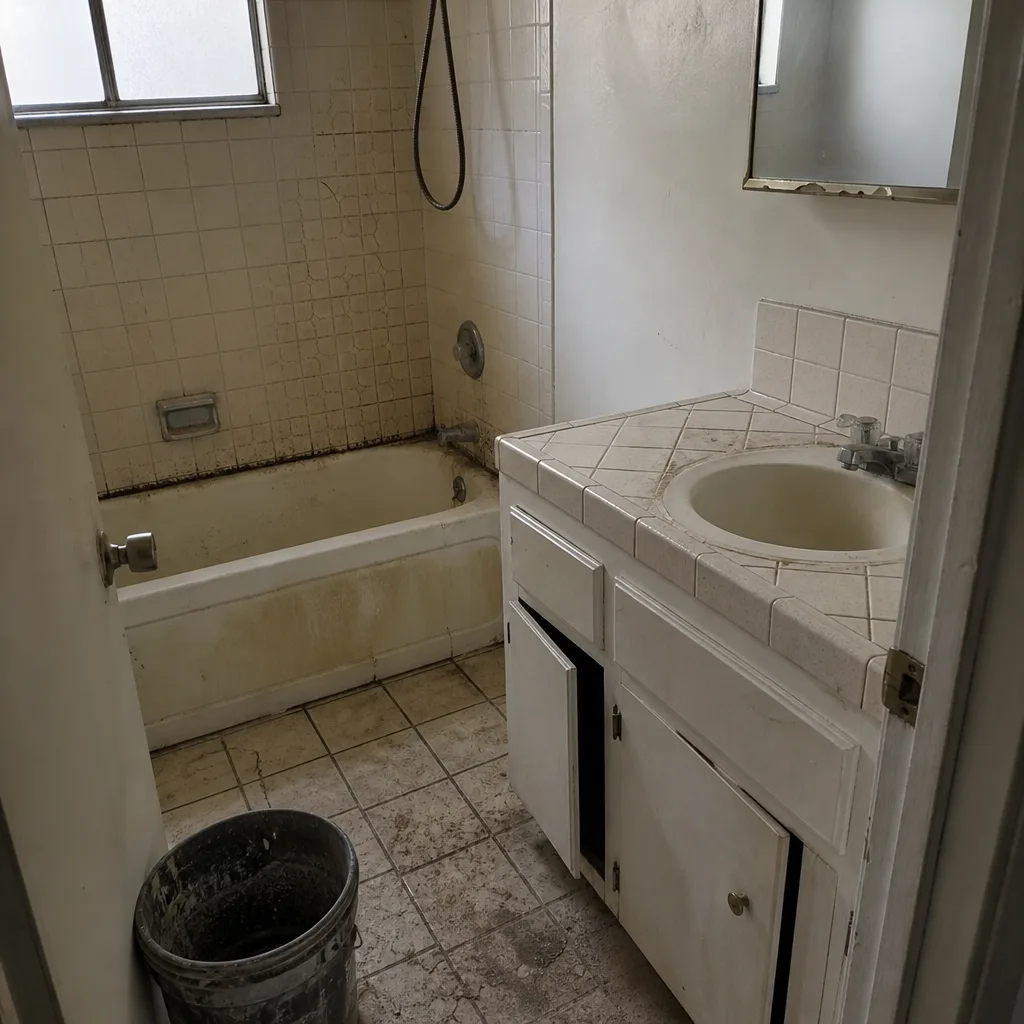 Before
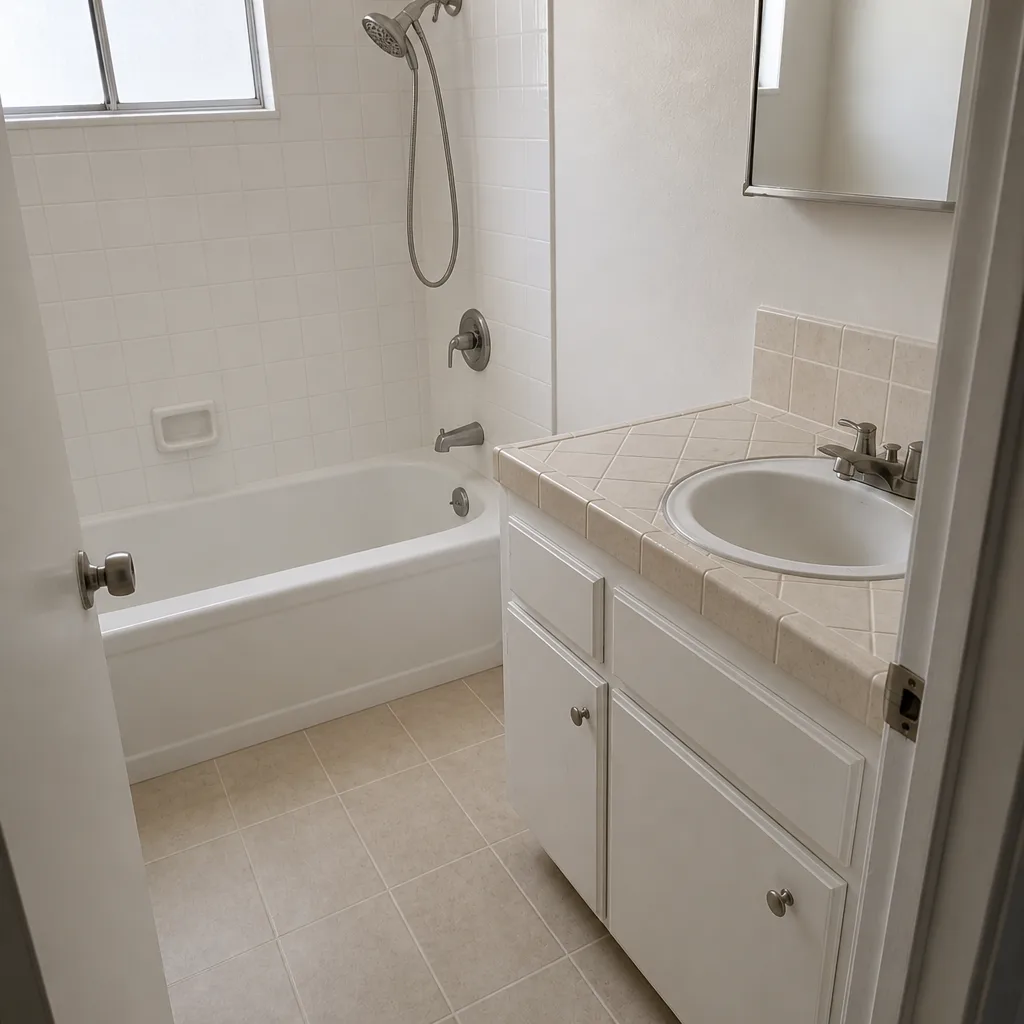 After
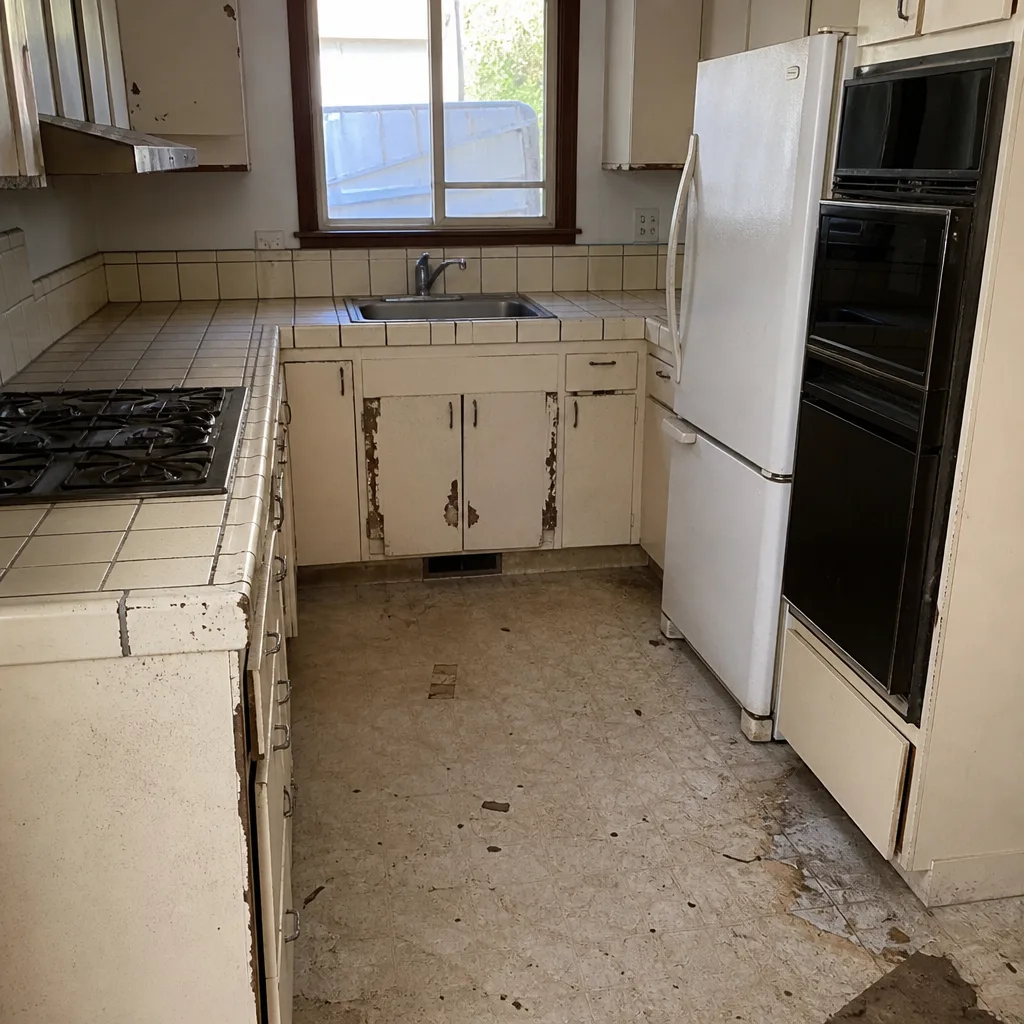 Before
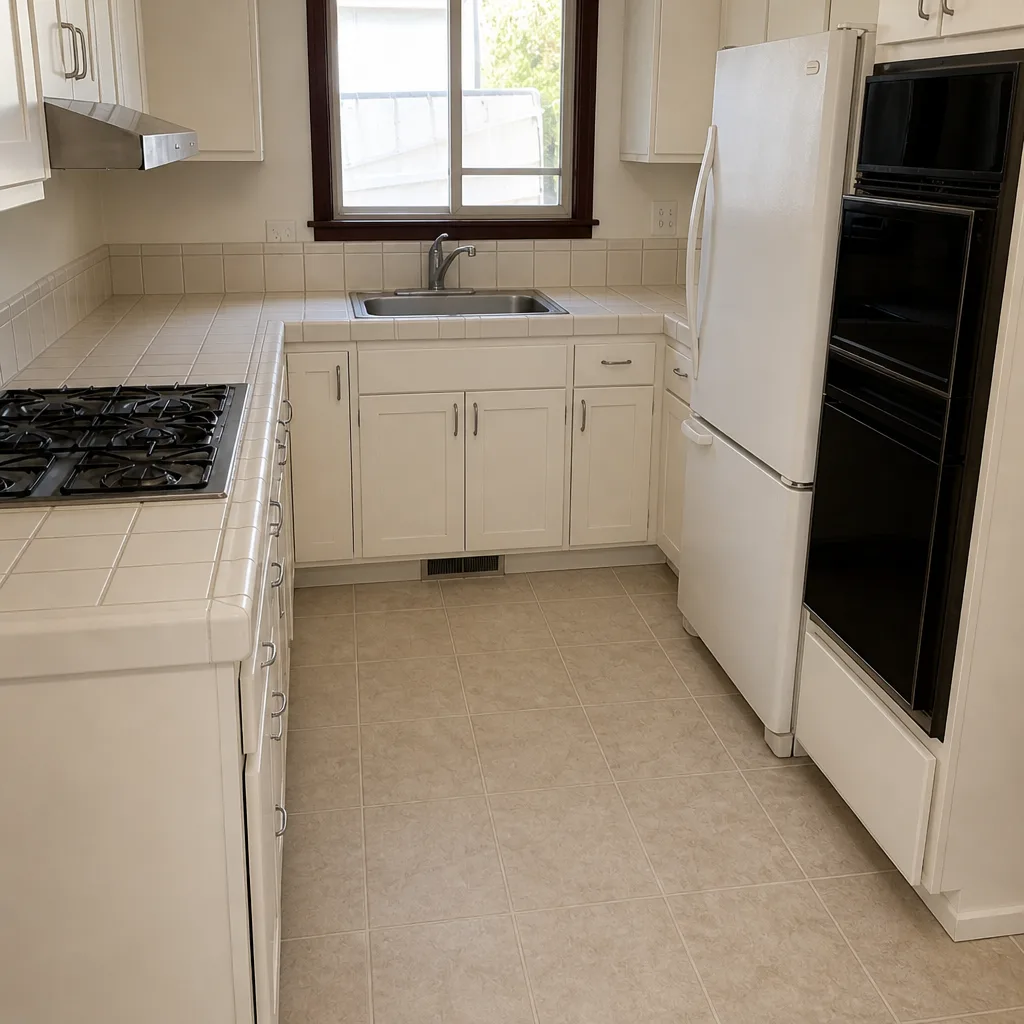 After
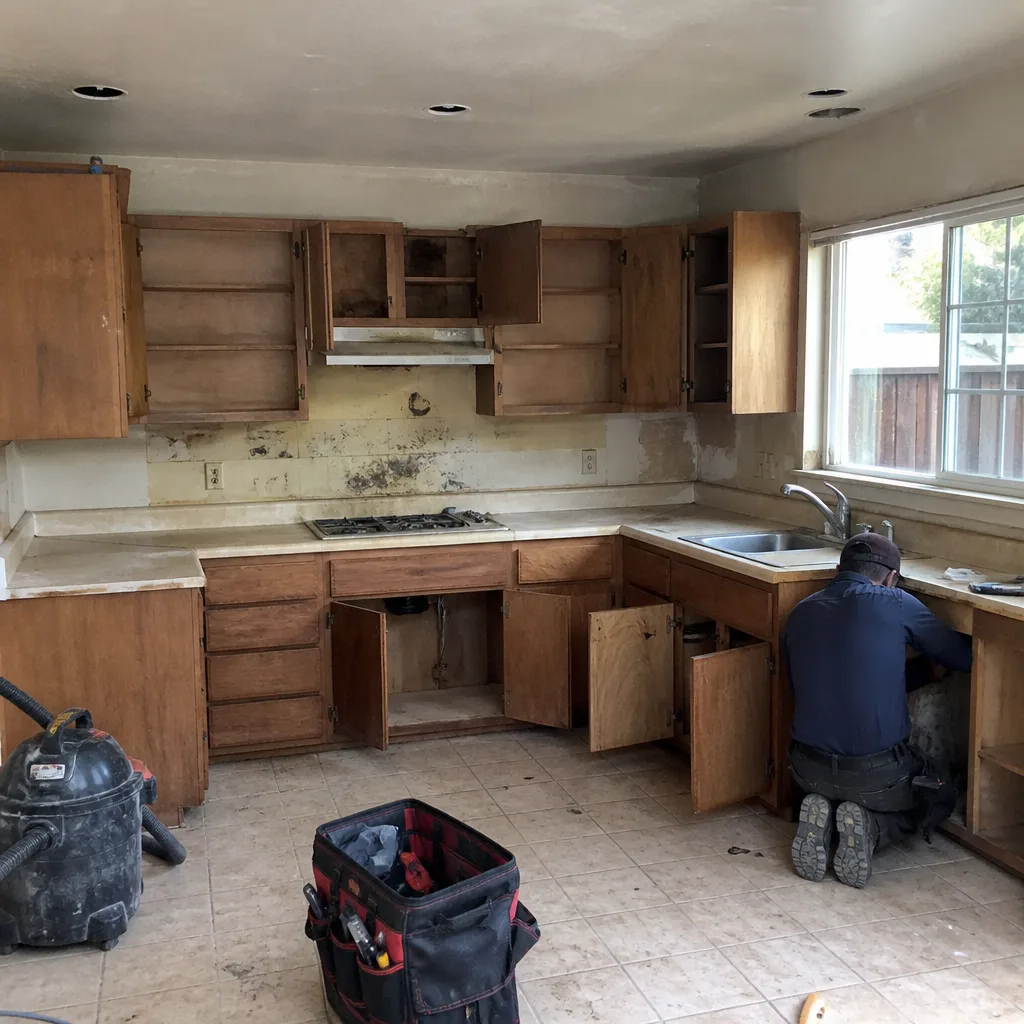 Before
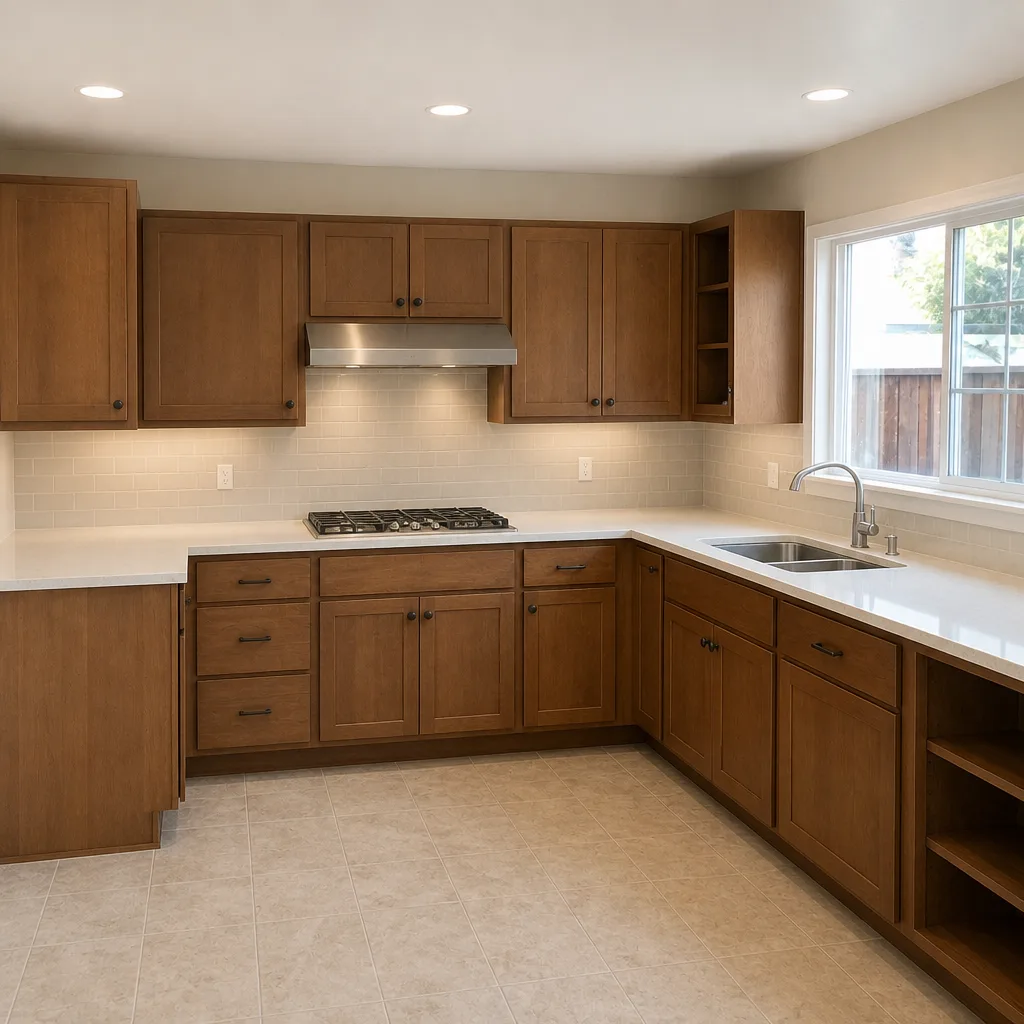 After