
Last updated November 17, 2026








Free written scope consultation - allowances, timeline, and change-order rules on paper before a single trade is scheduled
Construction Warning Signs: A Santa Clara Homeowner’s Reference Guide
Most warning-sign guides tell you to look for water stains and sagging floors. By the time those appear, the problem is no longer a repair. In Santa Clara, the signals that matter come earlier, and they come from the ground up. The clay soil under much of this city swells in the wet months and shrinks in the dry ones, and that seasonal push-pull leaves its fingerprint on post-war houses long before anything looks broken. A diagonal hairline at the corner of a door frame, a window that sticks only in October, a chalky bloom on a foundation pier: these are the first sentences of a story that ends either in a modest fix or a five-figure remodel. This guide covers how to read them before the choice is made for you.
Quick Answer
Construction warning signs in Santa Clara usually start as small, seasonal changes: diagonal cracks at door and window corners, stucco hairline cracks that widen and close, doors that bind in one season, and musty smells in raised-foundation crawl spaces. The key is pattern and timing, not a single crack. Cracks that grow steadily, run diagonally from openings, or appear alongside sticking doors point to foundation or framing movement and warrant a professional written assessment, while cracks that open in the wet season and close in summer are more often routine soil movement.
Styles & brands we work with
- Kitchen remodeling
- Bathroom remodeling
- Home additions & ADU
- Roofing
- Windows & doors
- Driveway & pavers
- Fence
Table of Contents
- Crack Patterns: Seismic Cripple-Wall Movement vs. Thermal Settling
- Stucco Warning Signs Unique to California’s Lath-and-Stucco Homes
- Interior Door and Window Binding: Clay Soil or Structural Settlement?
- Moisture Signals in Raised-Foundation Homes
- Written Assessment vs. Verbal ‘Looks Fine’: Why It Matters Legally
- Neighborhood Notes: Where Santa Clara’s Soil Problems Cluster
- A Two-Season Inspection Routine for Santa Clara Homeowners
Crack Patterns: Seismic Cripple-Wall Movement vs. Thermal Settling
Not all cracks mean the same thing, and in Santa Clara the difference matters more than homeowners expect. The city sits between two active fault systems, the San Andreas to the southwest and the Hayward to the northeast, and much of the housing stock went up between 1945 and 1975 on cripple walls, the short wood-framed wall that sits between the foundation and the first floor. During seismic movement, those cripple walls are the hinge, and they leave a specific fingerprint.
Here’s how to tell the two apart:
- Thermal and soil cracks typically appear in stucco as fine, random hairlines that open in late summer and close by spring. They rarely run more than a foot and don’t line up with openings.
- Cripple-wall or framing movement shows as diagonal cracks running outward from the corners of door and window openings, often at roughly 45 degrees. They widen over months rather than seasons. A door that suddenly won’t latch above a diagonal crack is a stronger signal than the crack itself.
- Foundation settlement tends to produce vertical cracks in the stem wall or a stair-step pattern in masonry. Horizontal cracks in a stem wall are the most serious and deserve a call right away.
If you want to check a cripple wall, the honest answer is that you shouldn’t crawl into a subarea and start probing framing yourself. In our experience, what a homeowner can do is document the crack with a dated photo and a pencil mark at the crack tip so you can see how it grows. A structural engineer or licensed general contractor reads the pattern with a trained eye. The general contractor in Santa Clara angle matters here, because a renovation-level fix to a movement problem needs an assessment before any cosmetic patch goes on.
Stucco Warning Signs Unique to California’s Lath-and-Stucco Homes
Most Santa Clara houses built in the decades after the war wear lath-and-stucco, a layered exterior of wire lath, scratch coat, and finish coat over wood sheathing. That system looks solid for decades and then fails from the inside out, which is why stucco problems are easy to miss until water is inside the wall. Wood-sided homes telegraph rot differently, with soft spots and paint failure. Stucco hides it.
These are the early signs worth watching:
- Spiderweb cracks concentrated at the corners of window and door openings. These are typical stress risers in the system and often harmless, but if they’re growing or pulling apart, the framing behind may be flexing.
- Hollow sound when you tap the wall. A dull, papery thud rather than a solid tap suggests the stucco has delaminated from the lath, often after a hidden leak.
- Chalky white staining near the base or under windows. That’s efflorescence, mineral salts pushed out by moisture that’s moving through the stucco. It’s a moisture signal, not a cosmetic one.
- Cracks that line up with the framing pattern, often a vertical line about every 16 inches, can indicate the sheathing beneath is moving.
- Paint that bubbles or peels in small isolated patches, especially under eaves, deserves a probe. Bubbling paint on stucco usually means water is pushing from behind.
Because the fix involves cutting back and rebuilding the layers, not just patching the surface, this is a place where a written scope matters. A patch that covers the crack without addressing the sheathing behind it will look fine for one rainy season and fail the next. If you’re planning exterior work at the same time, siding brands like James Hardie fiber-cement can replace failing stucco sections in the areas most exposed to wind-driven rain.
Interior Door and Window Binding: Clay Soil or Structural Settlement?
The door that sticks in October but swings freely in April is one of Santa Clara’s most common and least understood signals. Expansive clay soil is at the root of it. When the soil takes on water in winter, it swells; when it dries out in summer and fall, it shrinks. A house sitting on that soil rides a gentle annual wave. The trick is telling the wave from a genuine problem.
Use the timing and the pattern:
- Mark the season. If the binding is worst in late summer and fall and resolves after winter rains, it’s likely seasonal soil movement. A home that binds only in wet months may have the opposite issue: swelling soil pushing on a foundation.
- Check which doors. Binding that’s spread across several doors and windows on the same side of the house points to the frame of the house moving, not the operation of one door. A single door that’s always been tight is a different story.
- Look at the frame. A door frame that’s gone out of square, a gap at the top corner where the trim has separated, or a deadbolt that no longer aligns is a firmer signal than the door rubbing on its latch side.
- Track it over two seasons. A problem that gets steadily worse across both wet and dry months is the one to escalate. A problem that pulses is one to watch.
If the binding is part of a larger pattern with the cracks described above, that’s the moment to bring in a professional. We’ve seen plenty of Santa Clara homes where a simple frame adjustment fixed a sticky door, and others where the same symptom was the first evidence of a foundation issue. The written assessment is what separates those two outcomes.
Moisture Signals in Raised-Foundation Homes
Many Santa Clara houses sit on a raised foundation with a crawl space under the floor, and those crawl spaces are where the worst problems start quietly. Wood framing over damp soil is a moisture problem waiting to become a rot problem or a mold problem, and the signs are all subtle. If you’ve never crawled under your house, this is the section that should send you looking for someone who has.
The early signals:
- A musty smell inside the house, especially when a room has been closed up for a few days. That smell is air from the crawl space finding a path into the living space. It’s the most reliable early trigger we know of.
- Efflorescence on the foundation piers and the mudsill. White mineral deposits on the concrete or on the wood mean moisture has been moving through. It’s a sign of long-term dampness, not a fresh wet season.
- Soft subfloor underfoot, particularly near bathrooms and under the kitchen sink. If a floor feels spongy or a nail head rises slightly from the board, moisture has reached the framing.
- Rust on the nails and bolts. Rusted fasteners in the crawl space indicate chronic humidity, which shortens the life of the framing.
- Wood damage near the vents. Vents that have been blocked, or vents buried by shrub plantings, trap moisture in the subarea. In our experience, this is one of the most common fixes because it costs almost nothing to correct.
The crawl space is also where you’d find the underfloor framing near a bathroom, which is why a moisture problem in a subarea so often runs alongside a bathroom remodel question. The bathroom remodeling in Santa Clara conversation should always include a check of the floor framing underneath before the new tile goes down.
Written Assessment vs. Verbal ‘Looks Fine’: Why It Matters Legally
A contractor who tells you a crack “looks fine” and then drives away has given you nothing you can rely on later. A written assessment is a different document: it records what was inspected, what was found, and what the recommendation is, in a form you can hold against what happens next. The difference is not just paperwork. It’s your ability to show you acted on a professional opinion if the problem worsens.
A written assessment should include:
- The specific areas inspected (foundation perimeter, crawl space, stucco elevations, door and window frames) and what was found at each.
- A clear diagnosis or a clear statement that the cause is uncertain and needs a structural engineer.
- The recommended scope and an itemized price for any repair, not a range that drifts once work begins.
- A statement of the guarantee that covers the work and how long it lasts.
At Penhallow, we write the price before any work starts and put the guarantee in writing on every project: if something fails within the 365-Day Done Right Promise period, we come back and make it right at no charge. If a repair fails, a second visit costs nothing. The warranty is the documentation, and it’s also the thing that would have saved a lot of homeowners the second trip to the same contractor who made the first problem worse. A verbal “it’s fine” is worth exactly the time it took to say. Call the team at Penhallow Remodeling Santa Clara for a written assessment, not a shrug.
Neighborhood Notes: Where Santa Clara’s Soil Problems Cluster
Santa Clara has more than one kind of ground under it. The western edge of the city, up toward the hills, has more of the expansive clay that swells in the wet season; the flatter middle and eastern areas around the old orchard tracts have their own mix of fill and historical creek drainage. In our experience, the pattern that shows up most is seasonal movement on the west side and elevated moisture in the low-lying areas, including around the Guadalupe River corridor.
That’s why a warning sign in Santa Clara is rarely a one-off. If a single stain or crack occurs on a house in a low-lying area after a wet winter, look at the grade and drainage before you assume foundation settlement. If it’s on a hill-side street, look at the crack pattern and the door binding first. A $300 drainage fix in the right spot can prevent a $30,000 framing repair along the perimeter.
Older homes near the historic core, particularly the post-war tracts built during the orchard-to-subdivision conversion, have the stucco and raised-foundation systems this guide is mostly about. Newer infill and multistory homes have different failure modes, but the same principle applies: read the seasonal pattern before deciding what a sign means.
A Two-Season Inspection Routine for Santa Clara Homeowners
You can catch most of these problems with two short inspections a year. The goal isn’t to fix anything yourself; it’s to establish a baseline so a professional has something to compare against when you call.
- Late spring, after the last rains. Walk the perimeter of the house and photograph every stucco crack. Use a pencil to mark the tip of each crack, so you can see if it has grown by fall. Check the grade around the foundation and note any spots where water pools after a rain.
- Late fall, before the wet season. Repeat the perimeter walk and compare. If a crack has grown past its pencil mark, that’s the one to report. Also check the underfloor vents: make sure shrubs and planters haven’t buried them, because blocked vents keep moisture trapped in the crawl space through the rainy season.
- Interior doors, both seasons. Open and close every interior door and window in the house. Note which ones bind and in which season. That list is a diagnostic tool when a contractor or engineer asks.
- Nose and floor test. Once a season, check for the musty smell in a closed room, and walk the floor near the bathroom and kitchen for soft spots. Both are early moisture signals.
- Hire the written assessment when you see a pattern. A single seasonal crack is one thing. Two or more of the signals in this guide appearing together is the point where the question stops being whether to call a professional.
Common Mistakes to Avoid
- Patching a stucco crack before you know why it’s there. A cosmetic patch over a moving crack hides the diagnostic evidence you’ll need later. If the crack is a symptom, fix the cause first.
- Assuming a diagonal crack is “just settling.” In Santa Clara’s cripple-wall stock, a diagonal crack running from the corner of a door frame is a movement sign, not a settling sign. Treat it as a prompt to get a written assessment.
- Ignoring a crawl space smell for years. A musty odor is the cheapest warning you’ll ever get. A damp crawl space left alone long enough becomes a rot repair and, in some cases, a mold remediation.
- Letting a verbal “looks fine” stand in for a written scope. The lack of a document is the problem. If a problem later worsens, the record of what was inspected and recommended is your only evidence.
- Skipping the underfloor check before a bathroom or kitchen remodel. New tile and cabinets over a soft subfloor will fail. A moisture check under the floor is standard on any kitchen remodeling in Santa Clara project we scope, and it should be on yours.
- Writing off a seasonal door as “no big deal” without recording it. The door that binds in October is information. Note it, so the next person who inspects your house has a baseline.
- Doing structural work based on a contractor’s verbal guess. Structural repair is engineering territory, not a guess territory. If movement is suspected, a licensed engineer’s assessment is the honest next step.
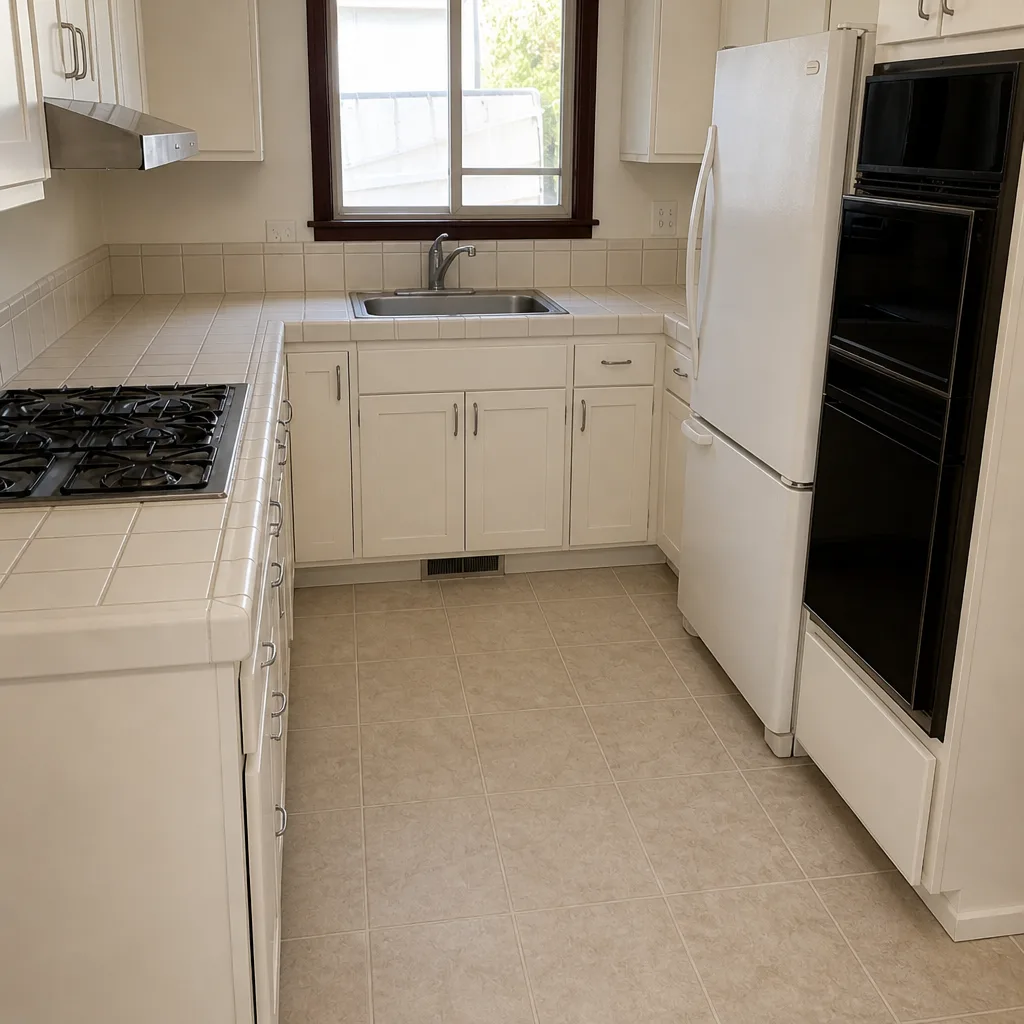
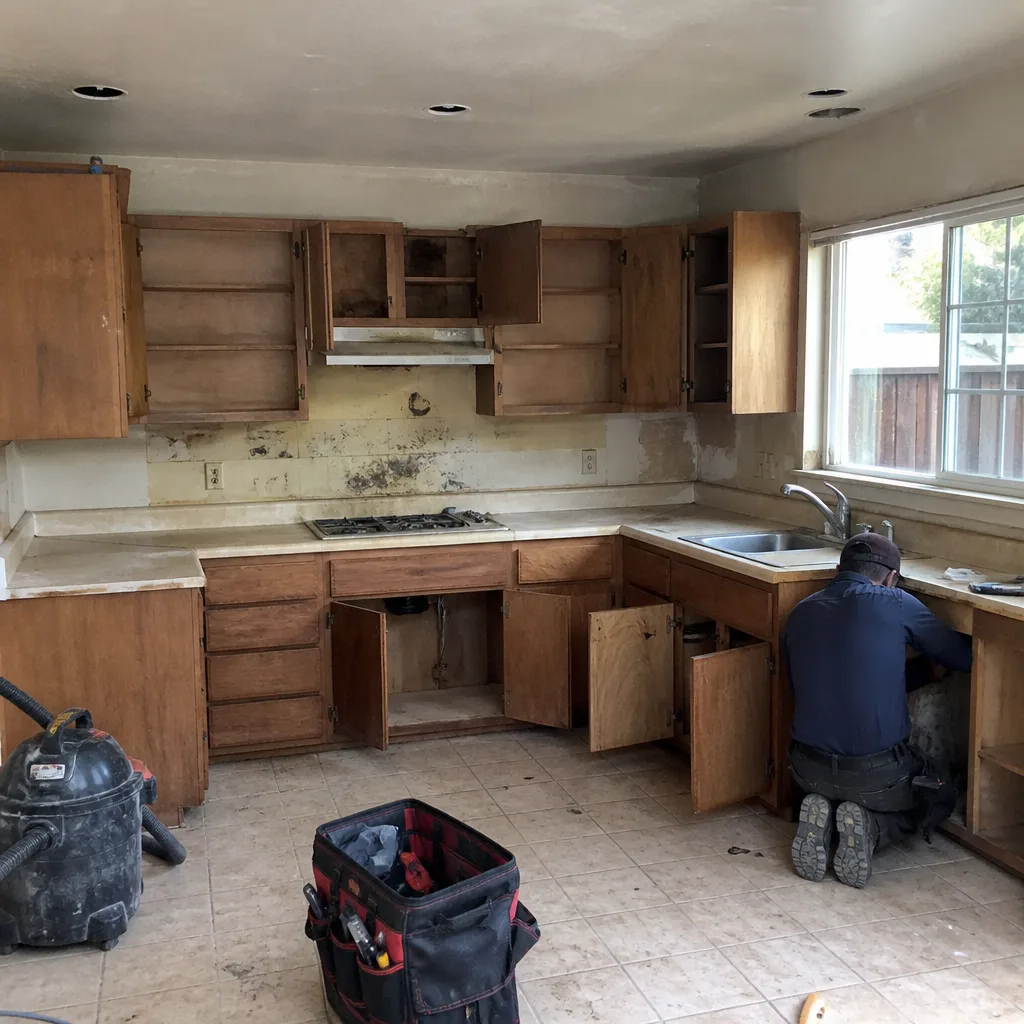
See the difference
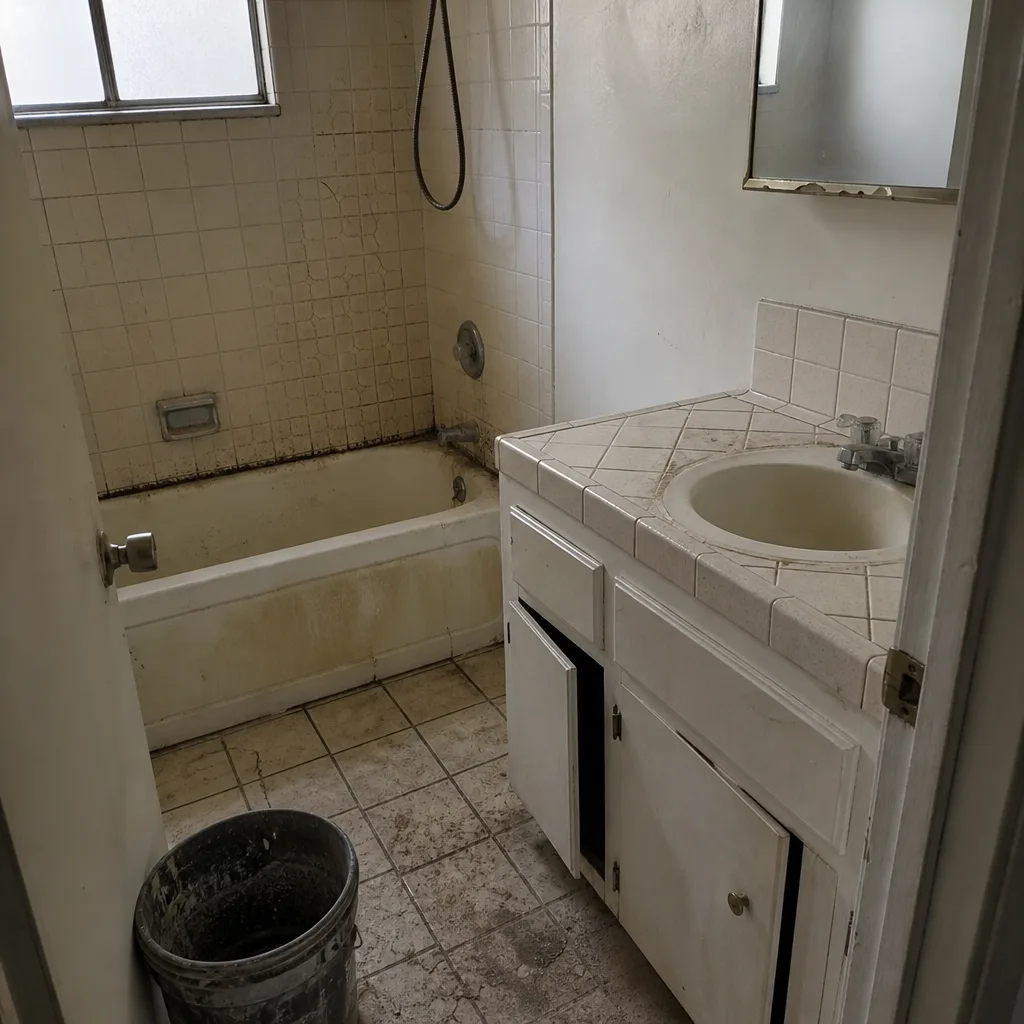 Before
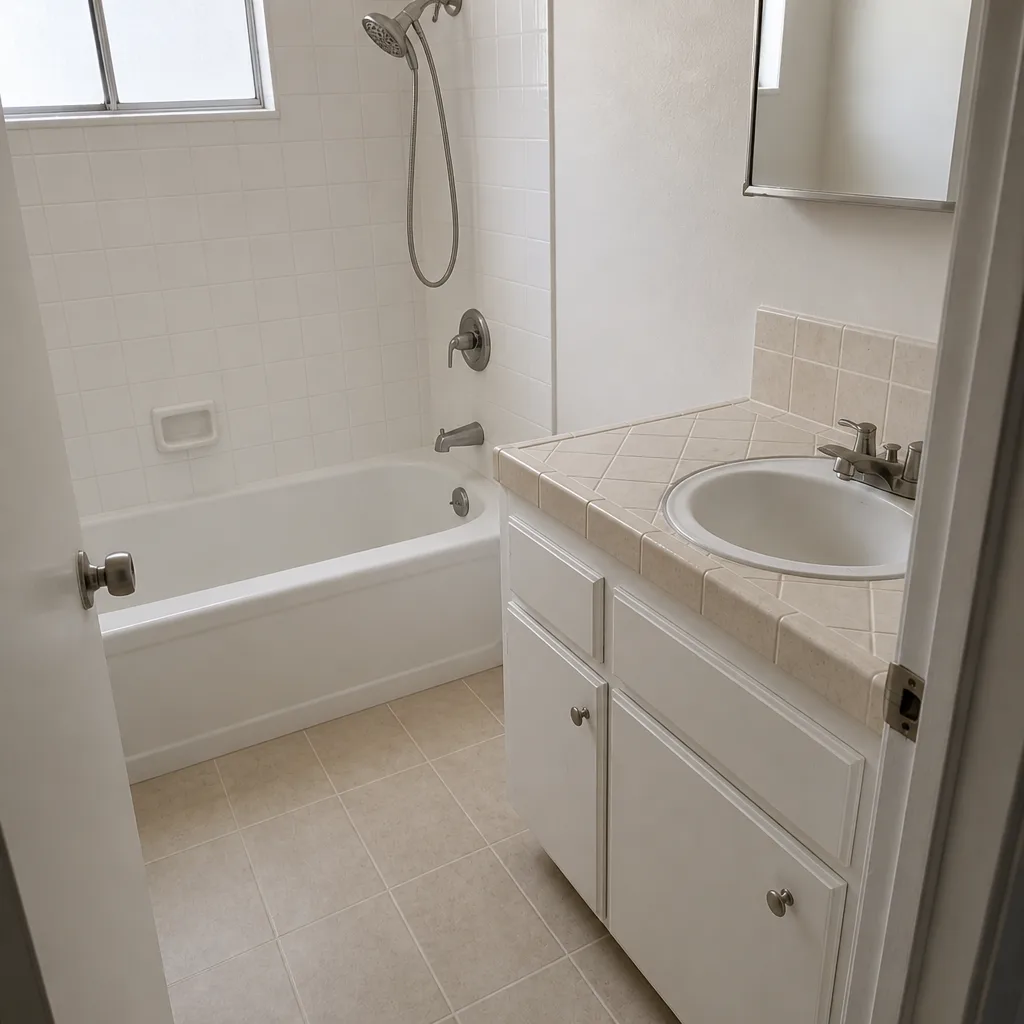 After
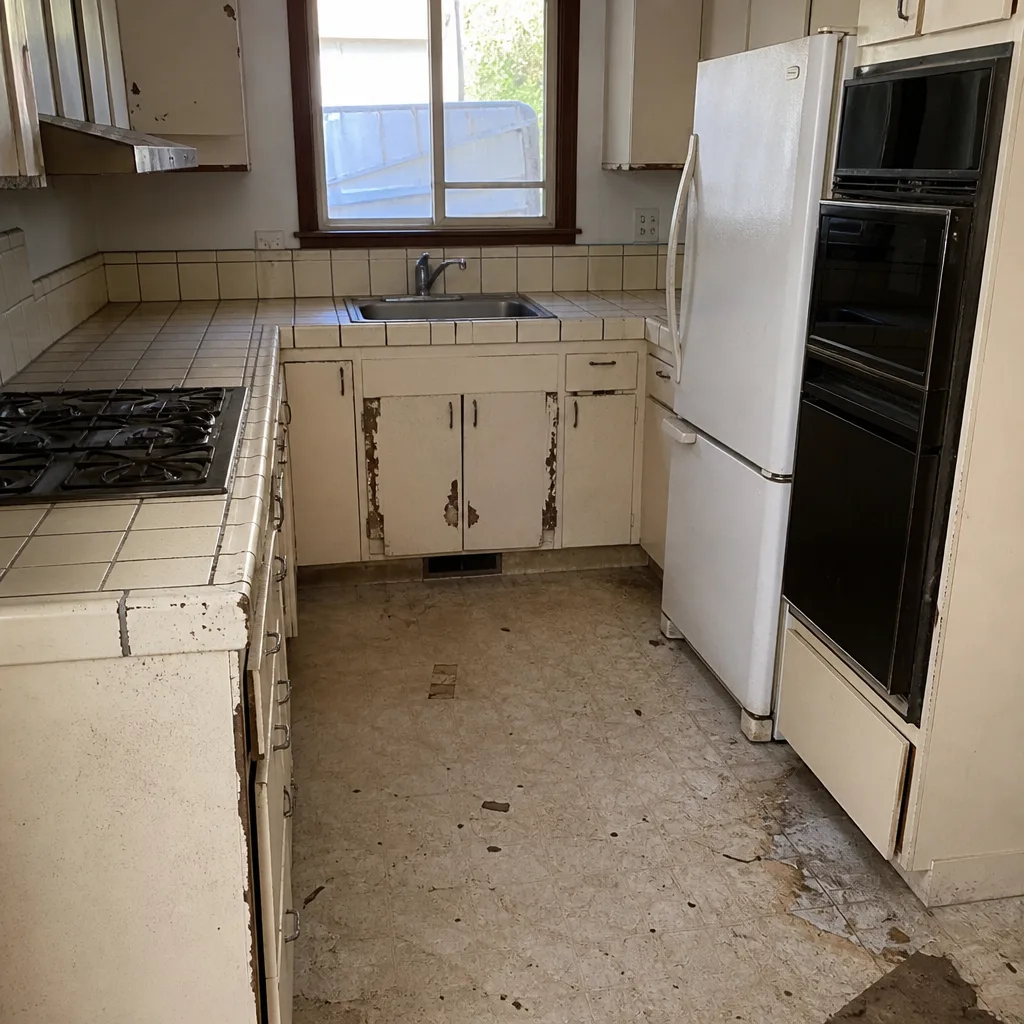 Before
 After
 Before
 After
When to Call a Professional
Call a professional when two or more of the signals in this guide appear together, when a crack is growing rather than pulsing with the season, when you find soft subfloor or efflorescence in the crawl space, or when a door binding is accompanied by cracks around the frame. Call sooner if you see a horizontal crack in a stem wall, sagging floor framing, or a musty smell that’s been there for a year or more. Structural and framing issues are not a DIY category: if you suspect movement, a licensed structural engineer’s assessment is the right first step, not a patch and a paint job.
Penhallow Remodeling Santa Clara offers free estimates in Santa Clara. Call (833) 400-6838 today. Every visit begins with a written price, and our technicians arrive background-checked and in uniform. Our technicians have up to 22 years of experience with the stucco, lath, and raised-foundation systems common across Santa Clara County.
Frequently Asked Questions

A diagonal crack running from the corner of a door frame in Santa Clara usually points to foundation or framing movement, not ordinary settling. It often follows the path of a cripple-wall or floor-frame movement during seismic activity or from seasonal soil movement. It’s a signal to get a written professional assessment before patching.
Seasonal movement tends to pulse: doors bind in late summer and free up after winter rains, and cracks open and close on roughly the same yearly cycle. Structural settlement tends to progress, with cracks that widen over months and door binding that gets steadily worse regardless of season. A two-season record of which doors bind and when is the clearest test.
Most small stucco cracks are cosmetic and come from ordinary thermal movement. The ones worth checking are hollow-sounding areas, cracks that line up with the framing pattern, and cracks that are growing or pulling apart. Chalky white staining near the base or under windows suggests moisture behind the stucco and should be looked at professionally.
A musty smell is usually air from a damp crawl space moving into the living area. Common causes include blocked underfloor vents, poor drainage at the perimeter, and long-term humidity around the concrete piers. It’s an early moisture signal and worth an inspection, because damp framing leads to rot and mold over time.
A verbal “looks fine” gives you nothing you can rely on if the problem worsens later. A written assessment records what was inspected, what was found, the recommended scope, and the guarantee. That document is what protects you. We put our price and our 365-Day Done Right Promise in writing on every project before work starts.
Start with the grade and drainage around the foundation, then check the crawl space for efflorescence on the piers and rust on fasteners. Low-lying areas around the Guadalupe River corridor hold moisture longer after rain, so drainage and venting come before cosmetic stucco repair. Call (833) 400-6838 for a free estimate if you want a written inspection.
The Bottom Line
The warning signs that matter in Santa Clara show up before the obvious damage: a diagonal crack at a door frame, a window that binds in October, a chalky bloom on a foundation pier, a musty smell from the crawl space. Read the pattern and the timing. Record what you see across two seasons. When two or more signals appear together, get a written assessment with a line-item price and a guarantee, not a verbal “looks fine.” That written record, and the promise behind it, is the difference between a small repair and a renovation.
If something in this guide matches what you’re seeing, call Penhallow Remodeling Santa Clara at (833) 400-6838 for a free estimate. We’ll write the price before any work starts, arrive in a defined window, and back it with the 365-Day Done Right Promise. Our technicians are background-checked and in uniform on every job, and materials come from brands like KraftMaid, Cambria, Kohler, and James Hardie, so the work behind the guarantee is as solid as the promise. Part of the Kingswell family of companies, operating to The Kingswell Way: say the price before the work, show up in the window we gave, leave the place cleaner than we found it. A live person answers the phone 24/7 at (833) 400-6838.
Written by the team at Penhallow Remodeling Santa Clara.