Last updated November 17, 2026







Free written scope consultation - allowances, timeline, and change-order rules on paper before a single trade is scheduled
DIY vs Professional Construction: The Santa Clara Homeowner’s Decision Guide
In California, a homeowner can pull their own permit for work on their primary residence. That part is true. What the YouTube tutorials leave out is what happens when the work fails inspection: the homeowner, not a licensed contractor, is personally liable for the correction, and their insurance carrier may decline the claim entirely. In Santa Clara, where home values routinely clear two million dollars and every permitted addition gets logged in county records, that liability doesn’t disappear at resale. It travels with the house. This guide reframes the DIY-versus-hire decision around permit exposure and legal reality, then walks through honest cost math, the narrow categories where DIY genuinely makes sense, and how a written contractor quote lets you compare numbers instead of guesses.
Quick Answer
In Santa Clara, work that requires a building permit and inspections, or that touches electrical, plumbing, gas, or structural systems, legally requires a licensed contractor in most cases; attempting it yourself shifts all liability and correction costs onto you. DIY makes unambiguous sense only for cosmetic, non-permitted work like interior paint, flooring over an existing subfloor, and fixture swaps that don’t alter plumbing or wiring. For everything else, the real deciding variable isn’t skill or money. It’s permit exposure.
Styles & brands we work with
- Kitchen remodeling
- Bathroom remodeling
- Home additions & ADU
- Roofing
- Windows & doors
- Driveway & pavers
- Fence
Table of Contents
- What California Law Actually Requires in Santa Clara
- How Owner-Performed Work Affects Your Santa Clara Resale
- The Real Cost of DIY: Permits, Tools, Waste and Time
- Where DIY Makes Sense in a Santa Clara Home
- Comparing a Written Contractor Quote to a DIY Budget
- Santa Clara Climate, Soil and Code: Why Local Matters
- Common Mistakes to Avoid
- When to Call a Professional
What California Law Actually Requires in Santa Clara
California’s contractor licensing rules are stricter than most homeowners assume. The Contractors State License Board (CSLB) requires a licensed contractor for any project priced at $500 or more in combined labor and materials, and that threshold applies to nearly every meaningful remodel. The owner-builder exemption lets you pull permits on your primary residence, but it carries conditions most people never read: you can’t sell the home for at least a year after the work is completed, and you take on the role of employer for anyone you hire, including workers’ compensation liability.
Santa Clara adds its own layer. The city’s building division requires permits for structural changes, electrical panel upgrades, plumbing alterations, gas line work, water heater replacements, re-roofs, and any addition or significant remodel. Each of those permit categories comes with inspections at defined stages: rough framing, rough electrical, rough plumbing, insulation, and final. If your work fails an inspection, you pay for the correction, the re-inspection, and any damage uncovered along the way.
Here’s the practical split we see in Santa Clara homes:
- Licensed contractor required: structural work, additions, room reconfigurations, electrical beyond a simple fixture swap, plumbing relocation, gas lines, HVAC replacement, roofing, and any window or door change that alters the structural envelope.
- Permit required, owner-builder allowed with conditions: some interior remodels, water heater replacements, and minor repairs, provided you meet the CSLB owner-builder requirements and accept the liability.
- Genuinely owner-buildable without permit: interior paint, cosmetic trim, flooring over sound substrate, cabinet hardware, and replacing a light fixture or faucet on existing connections.
For work that crosses into the licensed categories, the general contractor in Santa Clara handling your project should pull the permit, schedule the inspections, and hold the license that keeps you out of the liability chain.
How Owner-Performed Work Affects Your Santa Clara Resale
California’s transfer disclosure statement (TDS) requires sellers to disclose any known material defects and any work performed without permits. That’s the sentence that catches people. When a Santa Clara home hits the market and the county assessor’s records show a bathroom that was reconfigured with no permit on file, the buyer’s inspector flags it, the buyer’s agent asks for documentation, and suddenly you’re negotiating a price reduction, a retroactive permit process, or both. In a market where comparable homes in the same neighborhood sell within a tight band, an unpermitted addition can pull a Santa Clara listing below its comps.
The retroactive permit route isn’t cheap. Santa Clara homeowners who go back to legalize unpermitted work often face exposed framing for inspection, correction of code violations that were fine 20 years ago but aren’t now, and permit fees calculated on current valuation. A kitchen that cost $30,000 to remodel in 2010 might trigger $8,000 to $15,000 in legalization costs if a buyer’s lender requires it before closing.
Insurance adds another wrinkle. Most homeowners policies exclude damage arising from work done without required permits. If an unpermitted electrical modification causes a fire, the carrier can deny the claim on the grounds that the work was never inspected. That’s a risk that sits quietly on the property until something goes wrong. Contractors who follow the Kingswell standard pull permits and pass inspections because the paperwork is the protection, not an obstacle to it.
The Real Cost of DIY: Permits, Tools, Waste and Time
The DIY cost comparison almost always starts wrong. Homeowners tally materials, look up what a contractor would charge, and feel like they saved the difference. That math leaves out four line items that reliably eat the margin.
- Permit fees. Santa Clara permit costs vary by project valuation and type, but a mid-size bathroom remodel typically lands in the $1,200 to $2,800 range when you include plan review and inspection fees. Owner-builders pay the same fees a contractor does.
- Tool rental and purchase. A tile saw rental runs $60 to $100 per day. A wet saw for a 100-square-foot bathroom floor is two or three days. Add the mixing paddle, the oscillating tool, the laser level, and the shop vac, and a single bathroom project often carries $400 to $900 in tool costs that never go on the spreadsheet.
- Material waste. Experienced installers order 10% overage on tile and 5% on lumber. First-time installers order 20% to 30% because cuts go wrong, layouts get scrapped, and the store is closed on Sunday. That waste is real money.
- Time, at your hourly rate. A 60-square-foot bathroom tile job runs a skilled installer 12 to 16 hours. A homeowner learning as they go runs 40 to 60. If your working hours are worth $80 to $150 apiece, the labor savings evaporate fast.
Run the same comparison for a Santa Clara kitchen and the gap narrows further. A modest kitchen remodel typically runs $18,000 to $55,000 depending on layout, cabinet line, and countertop material. DIY-ing the demo, cabinet install, and tile saves labor but adds weeks of your time, and every mistake on a $30,000 cabinet order is a $30,000 mistake. The kitchen remodeling in Santa Clara page walks through where those numbers come from.
Where DIY Makes Sense in a Santa Clara Home
We’re not going to tell you there’s no such thing as a good DIY project. There is. The category is narrower than the home-improvement aisle suggests, and it clusters around work that is reversible, cosmetic, and outside permit territory.
- Interior paint. A single-room repaint in a 1940s Santa Clara bungalow runs a few hundred dollars in materials and a weekend of time. No permit, no inspection, no risk to the structure.
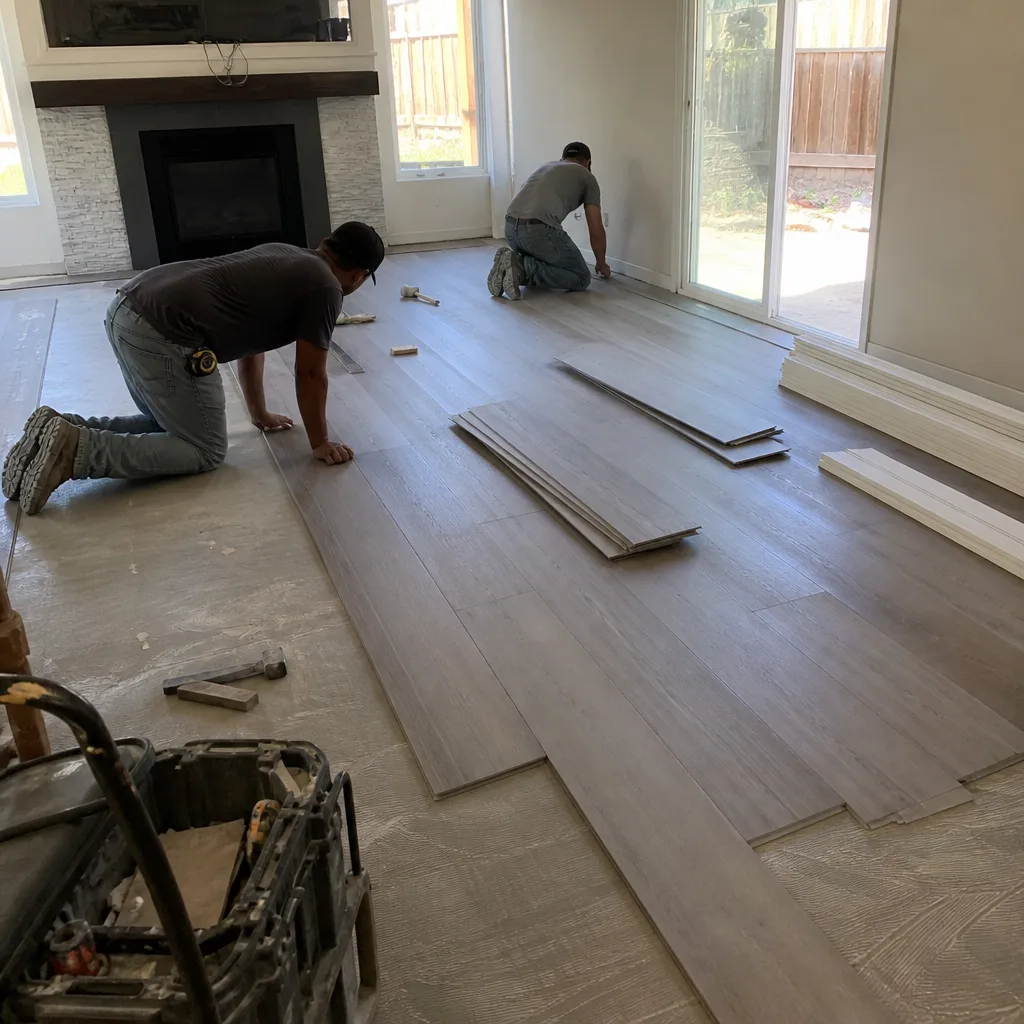
- Flooring over an existing sound substrate. Luxury vinyl plank and floating engineered hardwood go over a level subfloor with a utility knife, a tapping block, and patience. As long as you’re not changing the subfloor or the floor height at doorways, you’re outside permit scope.
- Cabinet hardware and light fixture swaps. Replacing a pendant light on an existing junction box, or drilling new pulls into existing cabinet doors, is homeowner work.
- Faucet and showerhead replacement. Direct swaps on existing supply lines are legal for homeowners in California. The moment you move the supply or the drain, you’re into plumbing permit territory.
- Closet systems and built-in shelving. Non-structural, no permit, high visual return.
What all of these have in common: if it goes wrong, the worst outcome is a repaint or a return trip to the hardware store. That’s the dividing line. A Santa Clara homeowner replacing a vanity top and a faucet is fine. The same homeowner relocating the drain line to fit a new vanity is in permit and liability territory.
Comparing a Written Contractor Quote to a DIY Budget
Here’s where most DIY-versus-hire comparisons go sideways. The homeowner collects three contractor estimates, compares them to a materials list from a big-box store, and concludes the contractor is charging a 200% markup. That comparison puts a proper quote against a partial budget and never checks whether the two cover the same scope.
A useful written quote is itemized. It shows labor, materials by brand and line, permit fees, dumpster and disposal, allowances for things like tile and fixtures, and the schedule. When those line items are visible, you can subtract the parts you’d do yourself and see what you’d actually save. A written quote also holds the price. When a contractor hands you a written number before work starts and stands behind it through the final invoice, the comparison is real.
Do this with each bid you receive:
- Ask for a written, line-item quote with brands named. “Tile allowance” isn’t a quote. “Dal Tile 12×24 porcelain, 110 sq ft installed” is.
- Confirm whether permit fees and inspection costs are inside or outside the number.
- Check the disposal line. Dumpster, haul-away, and debris removal should be visible.
- Ask what the quote does not include. A professional answer names exclusions clearly.
- Confirm what happens if the job fails inspection. A licensed contractor corrects it at their cost, not yours.
Penhallow Remodeling Santa Clara hands every homeowner a written price before work starts, backed by a 365-Day Done Right Promise and a written guarantee on every job. That’s the number you compare against your DIY budget, not a verbal ballpark. The bathroom remodeling in Santa Clara page shows how those quotes break down on a typical job.
Santa Clara Climate, Soil and Code: Why Local Matters
Santa Clara sits in a mild Mediterranean climate, which is mostly good news for homeowners and occasionally a trap. The dry summers and mild winters mean exterior paint holds up longer than it would in wetter climates, but the seasonal dryness also drives soil movement. Expansive clay soils in parts of the valley swell and shrink with the wet-dry cycle, and that movement shows up in foundation cracks, sticking doors, and out-of-square doorways that a fair-weather contractor won’t flag but a local one will catch. If you’re planning a structural remodel in Santa Clara and the inspector finds foundation movement, the correction is not something a homeowner wants to absorb.
Santa Clara’s building code also tracks California’s Title 24 energy standards, which now require specific insulation, window ratings, and HVAC efficiency on any permitted remodel that touches those systems. A homeowner replacing a water heater without checking Title 24 compliance risks a failed inspection and a re-do. Roofers who work regularly in Santa Clara know that CertainTeed and Owens Corning shingle lines meeting the current code requirements are standard, and pulling a permit for the re-roof is how the warranty stays intact.
Older Santa Clara homes carry their own issues. The mid-century ranch homes common in the city’s established neighborhoods often have galvanized plumbing that’s 60 years old, aluminum branch wiring in a few of the 1960s builds, and original single-pane windows. None of that is DIY territory, and none of it is a surprise to inspectors who know the local housing stock.
Common Mistakes to Avoid
- Assuming cosmetic work stays cosmetic. Replacing a vanity top is a swap. Moving the vanity two feet to fit a new layout is plumbing. The permits are required either way, and homeowners consistently miss the distinction.
- Skipping the permit to save the fee. Santa Clara permit fees feel steep up front, but the legalization cost after a failed disclosure at resale runs three to five times higher.
- Doing demo without a dumpster plan. Santa Clara homes are tight on driveway and street space. A 20-yard dumpster in a narrow driveway blocks the whole lot for the project duration. Plan the logistics before the sledgehammer comes out.
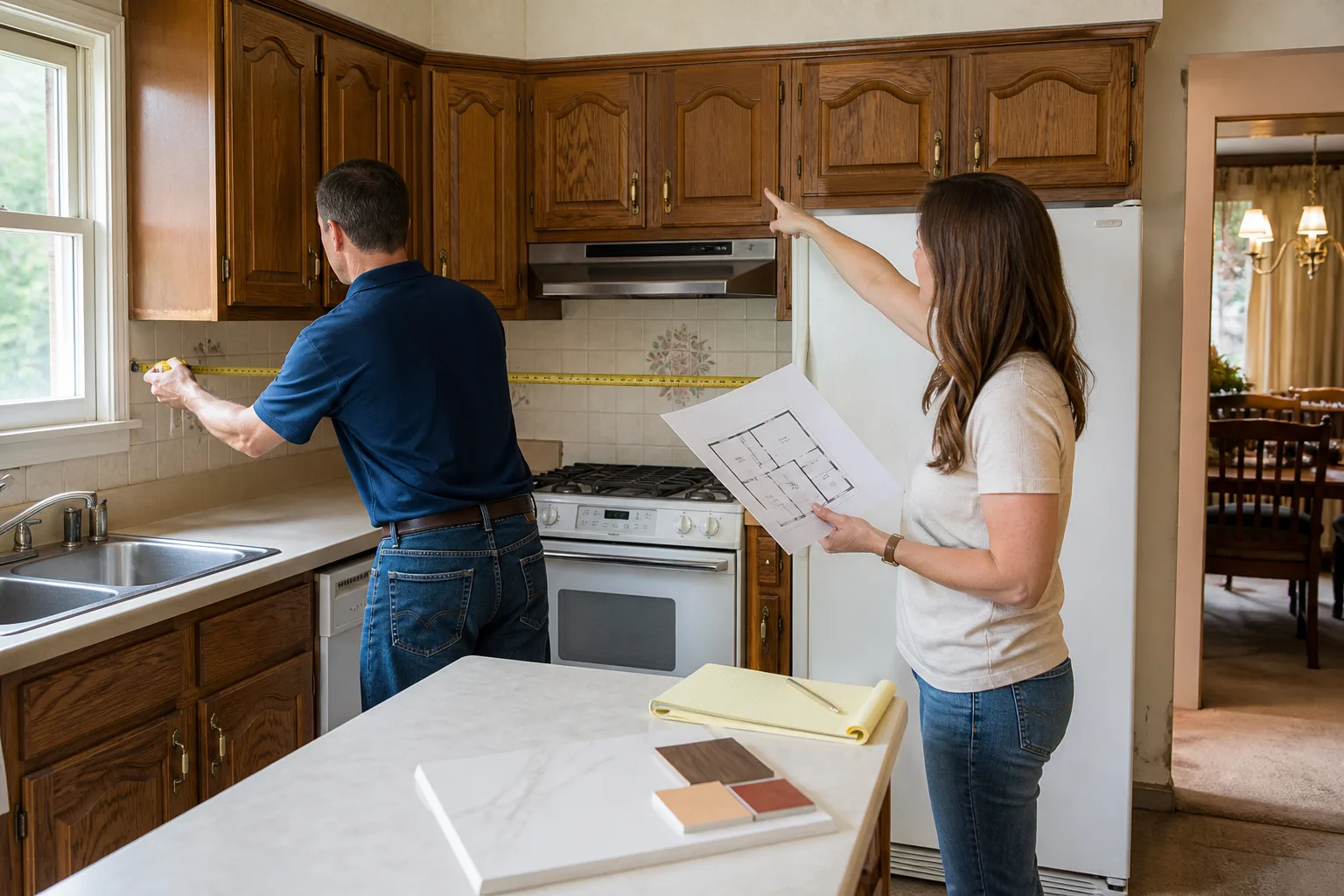
- Buying materials before the measurements are confirmed. Tile, cabinets, and countertops are made to fit. Measuring after the walls are open reveals the surprise, and by then the order is non-refundable.
- Comparing a written quote to a materials list. The quote covers labor, permits, disposal, scheduling, and warranty. The materials list doesn’t. Compare like to like.
- Trusting a verbal estimate. The number that changes at the door because “we found rot” or “the plumbing wasn’t to code” is the reason so many homeowners end up calling us a second time. A written number before work starts is the only defense.
- Hiring someone who won’t show paperwork. In Santa Clara, ask for the CSLB license number, liability insurance, and workers’ comp. A contractor without those leaves the homeowner holding the liability for any injury on site.
When to Call a Professional
Call a licensed professional in Santa Clara whenever the work touches structure, electrical, plumbing, gas, HVAC, roofing, or anything that requires a permit and an inspection. Call when the three-day project has stretched into a third weekend and the shower still isn’t back together. Call when you’re planning a remodel that adds value and you want the permitting, inspection, and warranty to be handled by someone who carries the license and the insurance. Call when a prior repair failed inside a year and you want a written guarantee on the redo.
Penhallow Remodeling Santa Clara offers free estimates in Santa Clara with a written price before any work starts, a 365-Day Done Right Promise on every project, and a live person answering the phone around the clock. Our technicians bring up to 22 years of experience to the job, arrive background-checked and in uniform, and work from materials drawn from brands like KraftMaid, Cambria, Kohler, and James Hardie. Call (833) 400-6838 to schedule your free estimate.
See the difference
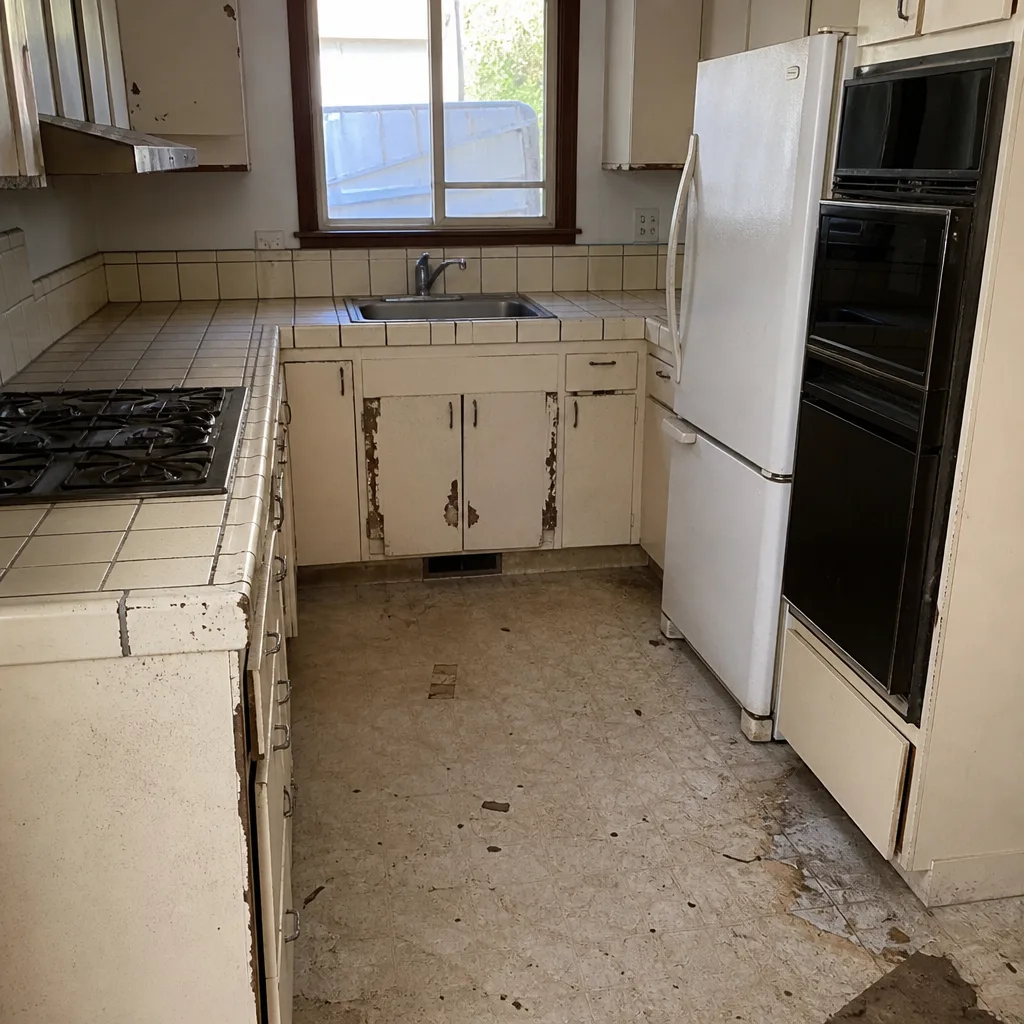
 Before
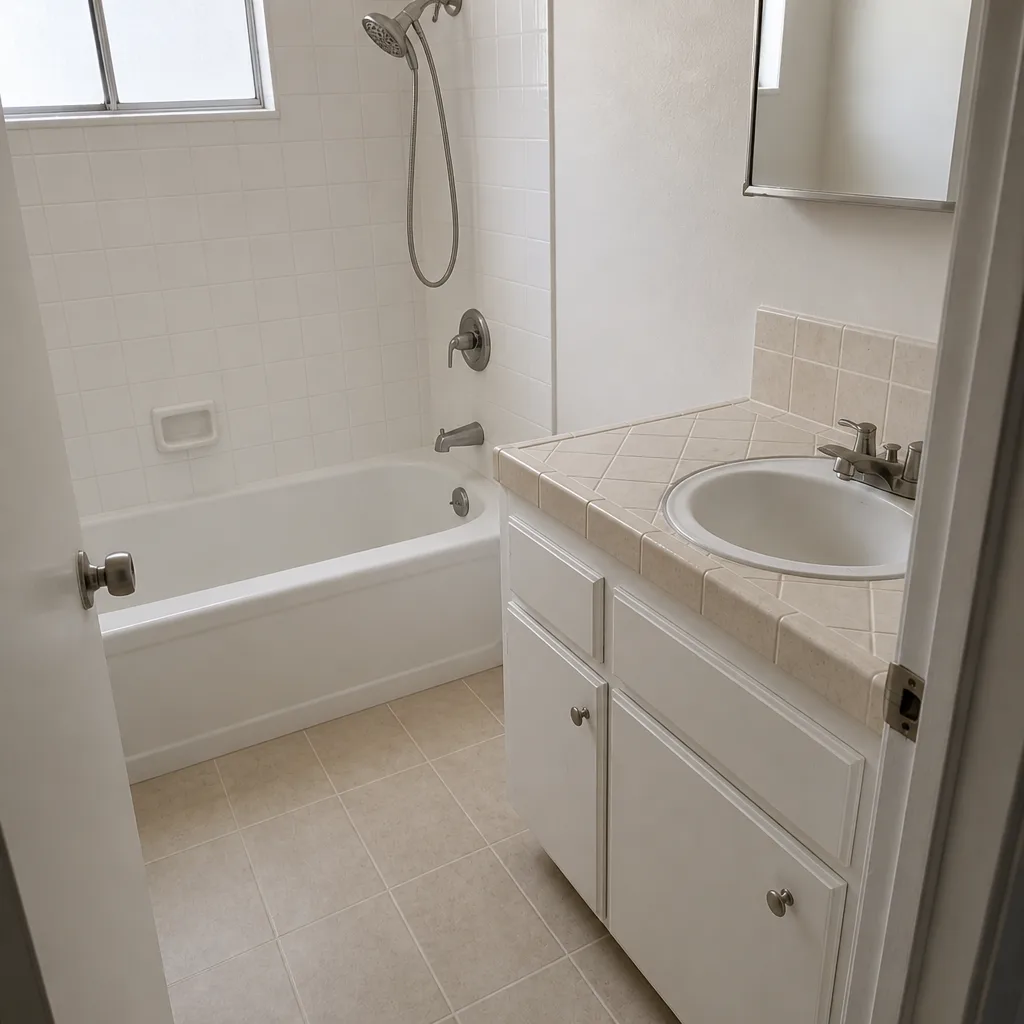 After
 Before
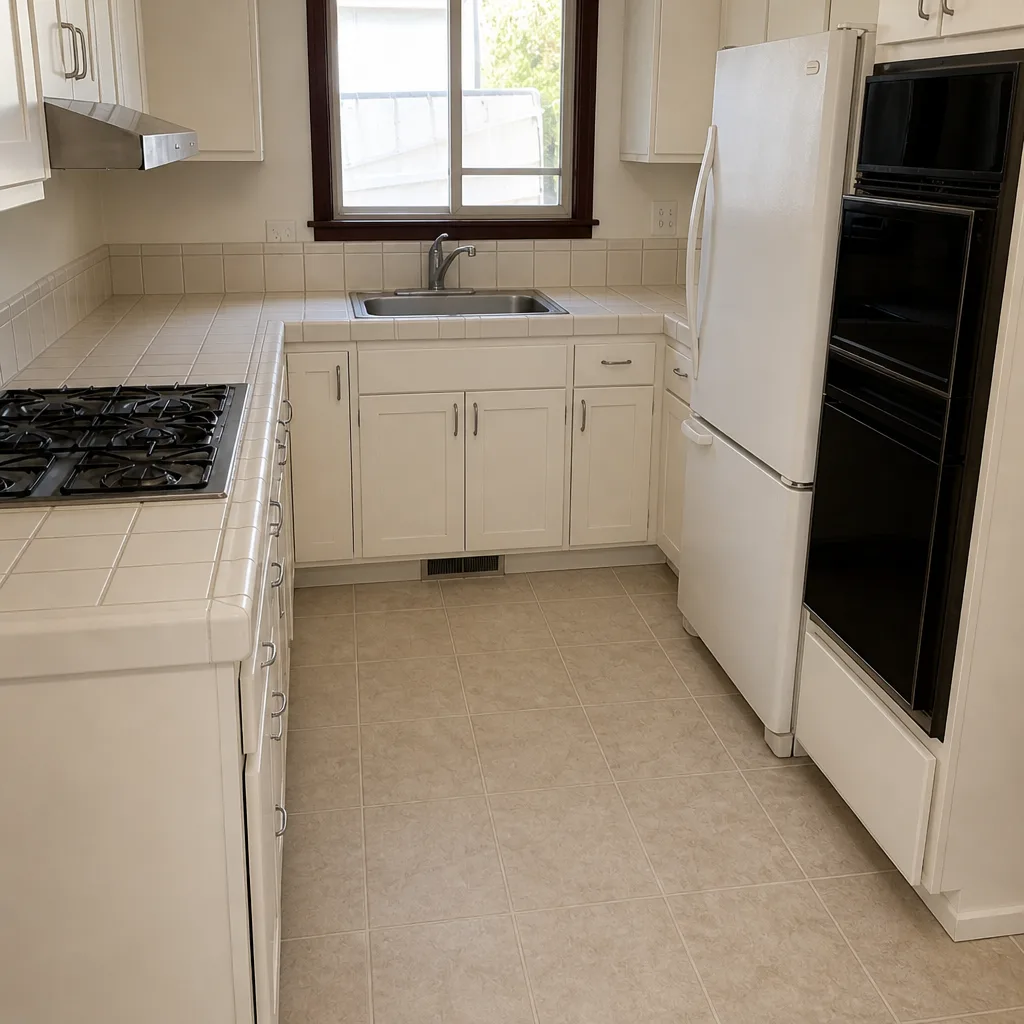 After
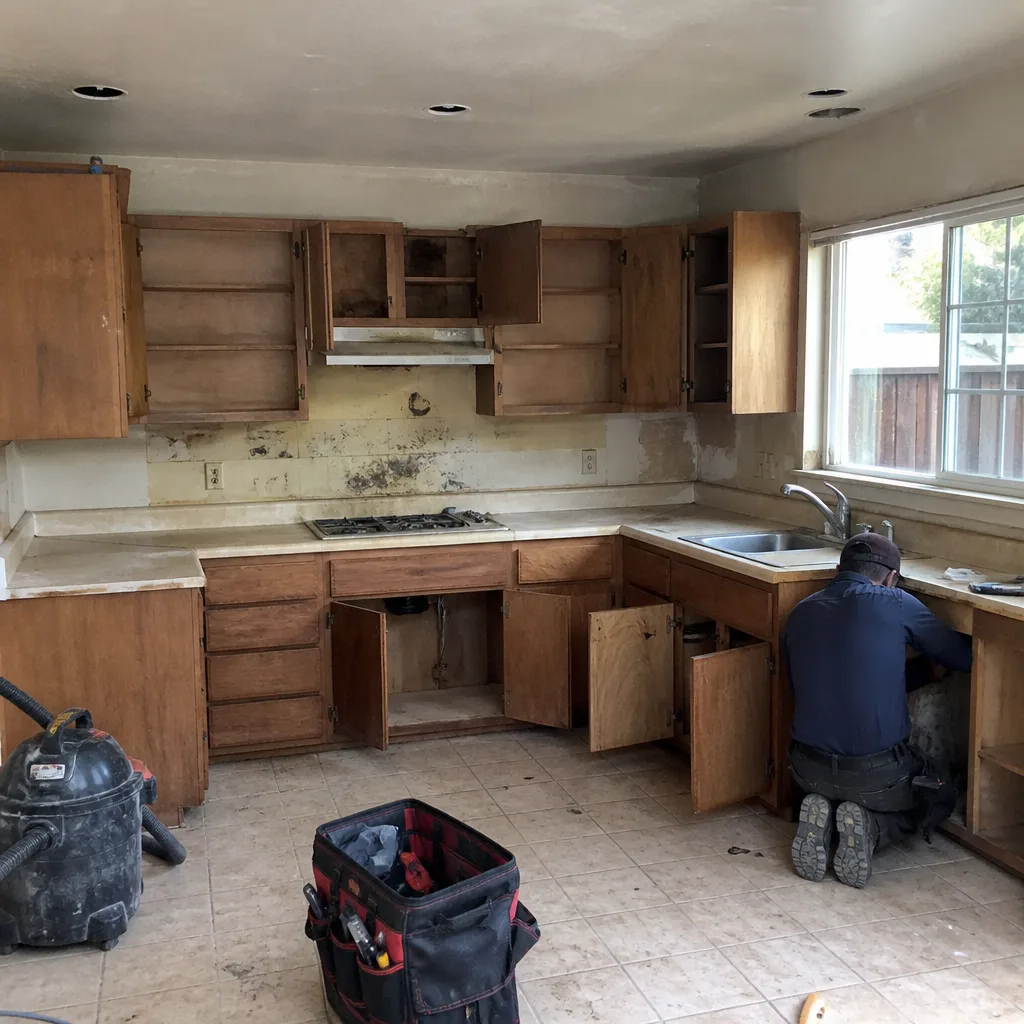 Before
 After
Frequently Asked Questions

Yes, California allows homeowners to pull permits on their primary residence under the owner-builder exemption, but the conditions are steep: you can’t sell the home for at least a year after completion, you assume employer liability for anyone you hire, and if the work fails inspection you pay for every correction. For anything structural or system-level, hiring a licensed contractor moves that liability off your record.
A modest kitchen remodel in Santa Clara typically runs $18,000 to $55,000 depending on layout changes, cabinet line, and countertop material. A full gut remodel with new cabinetry from KraftMaid or Wellborn, quartz from Cambria or Silestone, and layout changes pushes higher. Permits, disposal, and labor are inside that range. Call (833) 400-6838 for a written, line-item quote on your kitchen, no charge.
In most cases, no. California homeowner policies commonly exclude damage arising from work done without required permits, so an unpermitted electrical modification that causes a fire may not be covered. That exclusion applies even when the work was done years before the loss and has nothing to do with the current owner’s actions.
Yes. California’s transfer disclosure statement requires sellers to disclose any known unpermitted work and any material defects. Buyers’ inspectors routinely pull permit history, and unpermitted additions or reconfigurations can trigger a price renegotiation, a legalization process, or a denied loan. Disclosing up front is cheaper than being caught.
A typical hall bathroom remodel in Santa Clara runs three to five weeks from demo to final inspection, assuming materials are on site and no surprises turn up behind the wall. Larger primary bathroom remodels with layout changes and custom tile run six to eight weeks. The permit review window adds a week or two on the front end. Call (833) 400-6838 for a schedule tied to your specific project.
Often yes on the materials line, but rarely once permits, tool rental, material waste, time, and liability are counted. The comparison only works when the contractor side is a written, itemized quote and the DIY side is a full budget that includes everything the quote covers. When you line up both correctly, the gap is usually smaller than the initial comparison suggests.
The Bottom Line
In Santa Clara, the DIY versus hire decision comes down to permit exposure more than skill or budget. The narrow categories of homeowner work, paint, flooring, hardware, fixture swaps, stay genuinely DIY-friendly. Everything else carries liability that follows the property to resale, hides from insurance, and surfaces when it’s most expensive to fix. The honest comparison is a written contractor quote against a full DIY budget that counts permits, tools, waste, and time. When you’re ready to price a project the real way, the Penhallow Remodeling Santa Clara home page is a good place to start. Call (833) 400-6838 for a free estimate with a written number before any work begins.
Written by the team at Penhallow Remodeling Santa Clara.