Last updated November 17, 2026








Free written scope consultation - allowances, timeline, and change-order rules on paper before a single trade is scheduled
Construction Emergency Preparedness Guide for Santa Clara Homes
After a moderate earthquake, the most expensive mistake a Santa Clara homeowner makes is hiring the first contractor who shows up uninvited at the door. California law requires a written contract for home improvement work over $500, but panic hiring rarely involves paperwork. The person with the clipboard and the sympathetic nod knows you’re frightened, and frightened people sign things. This guide covers the construction emergencies Santa Clara homes actually face: post-earthquake structural triage, rain intrusion during the wet season, documenting damage before you repair it, and hiring emergency repair work without getting gouged while your adrenaline is still running. You’ll learn what you can safely assess yourself, what requires a licensed engineer, and what a written emergency agreement must contain.
Quick Answer
Santa Clara homeowners facing a construction emergency should first secure safety (gas, power, structural collapse risk), then document all damage with dated photos before any repair begins, then hire only contractors who provide written contracts with scope, price ceilings, and start/completion dates. California’s price-gouging law caps emergency repair rates at 10% above pre-emergency pricing during a declared state of emergency. Never hire an unsolicited door-knocker, and always get a written agreement before work starts.
Styles & brands we work with
- Kitchen remodeling
- Bathroom remodeling
- Home additions & ADU
- Roofing
- Windows & doors
- Driveway & pavers
- Fence
Table of Contents
- Post-Earthquake Structural Triage: What You Can Safely Check
- Rain Intrusion Emergency Response During Santa Clara’s Wet Season
- California’s Price-Gouging Law and Contractor Rates After Disaster
- Documenting Emergency Damage for Insurance Before Repairs Begin
- What a Written Emergency Repair Agreement Must Include
- How to Hire Emergency Repair Work Without Getting Gouged
- Common Mistakes to Avoid
- When to Call a Professional
Post-Earthquake Structural Triage: What You Can Safely Check
Santa Clara sits on the southern end of San Francisco Bay, roughly 15 miles from the Hayward Fault and 30 miles from the San Andreas. When the ground shakes, the first question every homeowner asks is whether their house is safe to reoccupy. That’s a question you can begin to answer yourself – partially – before a professional arrives.
What homeowners can safely assess
- Smell for gas. If you detect sulfur or rotten-egg odor, leave immediately and call PG&E from a neighbor’s phone. Don’t flip switches or use your cell phone inside.
- Look at door and window frames. If doors suddenly stick or won’t latch in a house where they worked fine last week, the frame has racked. That’s a sign of structural movement.
- Check for visible cracks in drywall and plaster. Hairline cracks in interior walls are common after a moderate quake and usually cosmetic. Cracks wider than a quarter inch, or diagonal cracks at the corners of doorways and windows, need professional eyes.
- Walk the foundation perimeter from outside. Look for new cracks in the stem wall, separation where the sill plate meets the foundation, and any visible bowing. Quikrete-patched foundation cracks from an old repair are fine; new cracks running through the patch are not.
- Inspect the chimney. Santa Clara has a surprising number of older homes with unreinforced masonry chimneys in neighborhoods like the Old Quad and Santa Clara University area. Cracks, leaning, or displaced bricks mean don’t use the fireplace and call a professional.
- Look at the roofline from the street. A sagging ridge or a visible dip means don’t go inside until someone qualified says it’s safe.
What requires a licensed engineer before you reoccupy
Anything involving soft-story conditions (a garage or open ground floor beneath living space), visible foundation separation, or walls that are out of plumb requires a licensed structural engineer. Santa Clara has many 1950s and 1960s ranch homes with cripple walls and unbraced chimneys, and a moderate quake can compromise those even when the rest of the house looks fine. Don’t let a general contractor – including us – talk you out of an engineer’s assessment if the visible signs point that way. A written structural assessment from a licensed engineer is what your insurance adjuster needs, and it’s what protects you if you reoccupy too soon.
Rain Intrusion Emergency Response During Santa Clara’s Wet Season
Santa Clara averages about 15 inches of rain a year, but it all arrives between November and March, and it arrives fast. An atmospheric river can dump three inches in twenty-four hours on a house that’s never leaked. When water is actively entering a Santa Clara home, the response sequence matters more than the response speed.
The rain intrusion response sequence
- Stop the water source first. If the leak comes from a failed roof flashing or torn underlayment, a tarp over the affected area is the first move. Use heavy-duty tarps and sandbags (Sakrete sand is commonly available at local hardware stores for bagging). Don’t climb a wet roof in active rain unless a professional is doing it – wet composition shingles are slick and the fall risk is real.
- Contain the interior damage. Buckets under active drips, towels along the base of walls, and plastic sheeting over furniture. Move electronics and rugs out of the affected room.
- Document before you dry. Photograph the water line on walls, the soaked drywall, the damaged flooring. Take video walking through the room. Time-stamp everything. Do this before you start pulling wet material.
- Start drying within 24 to 48 hours. Mold spores germinate on wet drywall and wood framing in roughly 24 to 48 hours under Santa Clara’s typical indoor humidity. Fans and a dehumidifier help, but if more than 10 square feet of drywall is wet, professional drying equipment (industrial dehumidifiers, air movers) is usually necessary.
- Call your insurance carrier before you call a contractor. The sequence matters. Insurance adjusters want to see the damage in place, not after your crew has already opened the walls.
- Open walls only when necessary. Wet drywall that’s been soaked through needs to come out eventually, but don’t demo before the adjuster sees it. Photograph, document, then demo with the adjuster’s approval.
The Santa Clara mold prevention window
Our technicians have up to 22 years of experience with rain-intrusion repairs across Santa Clara, and the pattern is consistent: homeowners who start drying within 24 hours almost never deal with mold. Homeowners who wait until the rain stops and then wait a week for a contractor to show up often do. The wet season in Santa Clara means that window is short. If water is actively entering your home during a storm, the mold-prevention clock has started, and it doesn’t pause for scheduling.
For larger water intrusion events or when structural repairs are needed after the leak is stopped, the work often overlaps with general contractor services in Santa Clara, since roof-to-foundation repairs cross trades.
California’s Price-Gouging Law and Contractor Rates After Disaster
When the governor or a local jurisdiction declares a state of emergency, California Penal Code Section 396 kicks in. It caps the price of goods and services – including contractor labor and materials – at 10% above the price charged immediately before the emergency. The cap applies for 30 days from the declaration, and it can be extended.
What this means in practice for Santa Clara homeowners after an earthquake or major flood:
- A contractor who charged $4,000 for a bathroom repair before the emergency can’t suddenly charge $7,500 because demand spiked.
- Material markups are included. If plywood was $28 a sheet before the quake, a contractor can’t charge $85 after.
- Verbal estimates aren’t protected and aren’t enforceable. If a contractor quotes you a number on the sidewalk and then hands you an invoice 40% higher, you have limited recourse unless you have a written agreement.
- You can report price gouging to the California Attorney General’s office, and the penalties are real – up to $10,000 per violation in some cases.
The practical protection, though, isn’t the law – it’s the paperwork. A written contract with a price ceiling and a start/completion date is what lets you argue price gouging effectively, and it’s what keeps a contractor honest when demand is high and labor is scarce. In our experience working through the rainy seasons in Santa Clara, the homeowners who get burned are almost always the ones who accepted a verbal number.
Written pricing isn’t a negotiable extra under pressure – it’s the baseline. We put a written price in writing before any work starts, and we honor the number on day one through the final invoice. That’s the standard every Santa Clara homeowner should demand, especially when a disaster has just hit and the market is chaotic.
Documenting Emergency Damage for Insurance Before Repairs Begin
Hiring a contractor before documenting the damage forfeits insurance claims. It’s that simple. Once wet drywall is pulled, once a cracked foundation is patched, once a fallen tree is cut up and hauled – the damage is gone, and the adjuster has nothing to inspect. The claim typically gets denied, reduced, or delayed for weeks while you argue about what was there.
Documentation checklist before any repair work
- Photograph everything. Wide shots of each affected room. Close-ups of cracks, water lines, and damaged materials. Photograph from multiple angles.
- Take video. A slow walkthrough with narration (“this is the north wall of the kitchen, water came in through the ceiling around 4 PM on the 12th”) is worth more than a dozen still photos.
- Keep a written log. Date, time, what happened, what you did, who you called. The insurance adjuster will ask, and your memory will blur.
- Save all receipts. Tarps, fans, dehumidifiers, hotel stays, meals eaten out because the kitchen is unusable. Those are claimable and often forgotten.
- Don’t discard damaged materials until the adjuster releases them. Once the adjuster has seen and photographed the wet drywall, you can pull it. Not before.
- Get the adjuster’s inspection in writing. Ask for the scope-of-loss document. That’s what your contractor will price against.
- Document with a witness when possible. A neighbor who saw the water coming in and can verify the timeline strengthens the claim.
In Santa Clara, we’ve watched claims get denied because the homeowner hired a crew to start tarping before their insurance company saw the damage. The tarp itself is fine – the adjuster just needs to see the damage before it’s tarped. The tarp covers the roof; it doesn’t erase the leak. Document first, then tarp, then call the adjuster, then call the contractor. That order protects you.
What a Written Emergency Repair Agreement Must Include
Even under emergency conditions, even when the water is rising and the phone is ringing, a written agreement is non-negotiable for any California home improvement job over $500. The written agreement is what separates a professional repair from a panic hire. Here’s what it must contain.
Scope of work
A line-item list of exactly what work will be done, in what rooms, with what materials. “Repair water damage” is not scope. “Remove and replace 4 feet of drywall in the north wall of the master bedroom; treat framing for mold; re-insulate; drywall, tape, texture, paint” is scope. The scope should be specific enough that a different contractor could price from it and produce a similar number.
Price ceiling
A cap on the total cost, not just an estimate. If the contractor finds hidden damage during demo, the written agreement should specify how the price ceiling can be adjusted and require a written change order signed by both parties before any additional work begins. The number on day one should be the number on the invoice, and any deviation must be documented.
Start and completion dates
Even under emergency conditions, a written agreement should specify when work will begin and when it will be complete. In a disaster scenario, contractors are stretched thin and schedules slip. A written start date and completion date, with a stated consequence (or at least a written communication protocol) if those dates shift, protects you from a job that drags for months.
Who does the work
The written agreement should specify whether the contractor uses employees or subcontractors, and whether those workers are background-checked. Our technicians are background-checked and arrive in uniform, and we put that in writing. The homeowner should know exactly who’s walking into their home during a stressful time.
Warranty and guarantee terms
A written guarantee on the work, including what’s covered, for how long, and what happens if something fails. The 365-Day Done Right Promise means if the work fails within a year, we come back and fix it at no charge. That commitment should be in the agreement, not just the brochure.
Insurance cooperation
A statement that the contractor will cooperate with the homeowner’s insurance adjuster, provide documentation, and not require full payment before the claim is settled. This is a common friction point after a disaster, and putting it in writing prevents it.
For emergency repairs that fall within our scope – kitchen, bathroom, and whole-home remodel repairs – a bathroom remodel after water damage in Santa Clara or a kitchen remodel after a plumbing failure in Santa Clara follows the same written-agreement standard we use on every job. The Kingswell Way is simple: say the price before the work, show up in the window we gave, leave the place cleaner than we found it. That standard holds whether the job is a planned remodel or an emergency repair.
How to Hire Emergency Repair Work Without Getting Gouged
Emergency hiring compresses the normal decision timeline from weeks to hours, and that’s where homeowners get taken. The contractors who show up uninvited after a disaster in Santa Clara know this. Here’s how to hire without getting hurt.
- Call your insurance company first. Most carriers have preferred contractor networks and will tell you what documentation they need. Their guidance matters more than a neighbor’s recommendation, especially for a major claim.
- Verify the contractor’s license. The California State License Board has a free online lookup. Type in the license number from the contractor’s card. If the license is expired, suspended, or doesn’t match the name on the business card, walk away. This takes 90 seconds and is the single most effective fraud filter available.
- Ask for the written price before any work begins. Not a verbal range. Not “we’ll figure it out when we get in there.” A written number with a price ceiling. If they won’t put a number in writing before demo, that’s the answer.
- Ask who’s doing the work. Employees or subcontractors? Background-checked? Uniformed? The contractor should be able to answer clearly and put it in the agreement.
- Ask what happens if the price changes. There’s a legitimate answer (hidden damage, written change order, new scope signed before work proceeds) and there’s an illegitimate one (“we’ll see”). Get it in writing.
- Never sign a blank contract or a contract with blank line items. A contractor who wants you to sign before the scope is filled in is planning to fill it in later.
- Don’t pay more than 10% down, and never in cash. California law limits down payments on home improvement contracts to $1,000 or 10% of the contract price, whichever is less. Cash payments eliminate the paper trail and void many insurance claims.
- Get a written guarantee. A guarantee on the repair, in writing, with a stated duration. The 365-Day Done Right Promise is what that looks like for us, but any contractor you hire should offer something comparable in writing.
If you’re evaluating emergency repair work in Santa Clara and want a written price before you commit, call (833) 400-6838. A live person answers, day or night, and there’s no pressure to hire – the estimate is free and the number is written.
See the difference
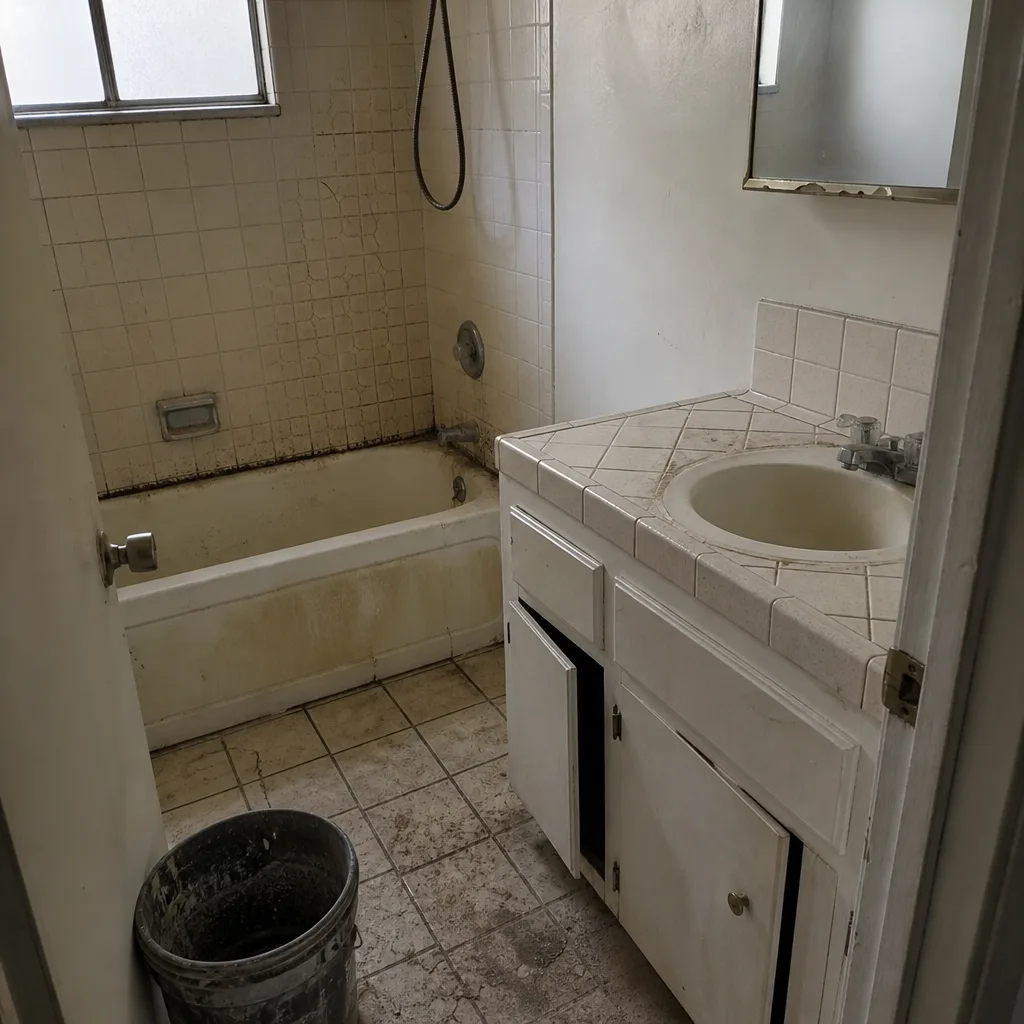 Before
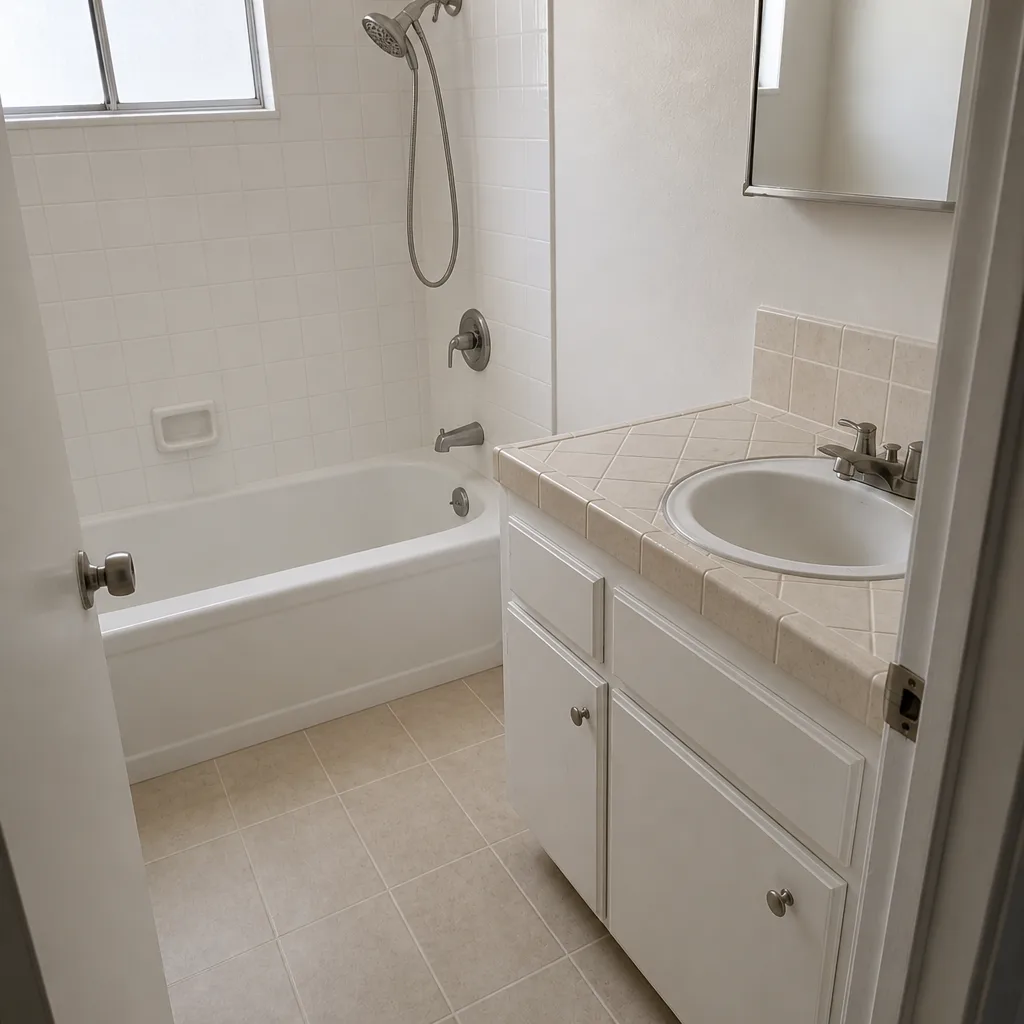 After
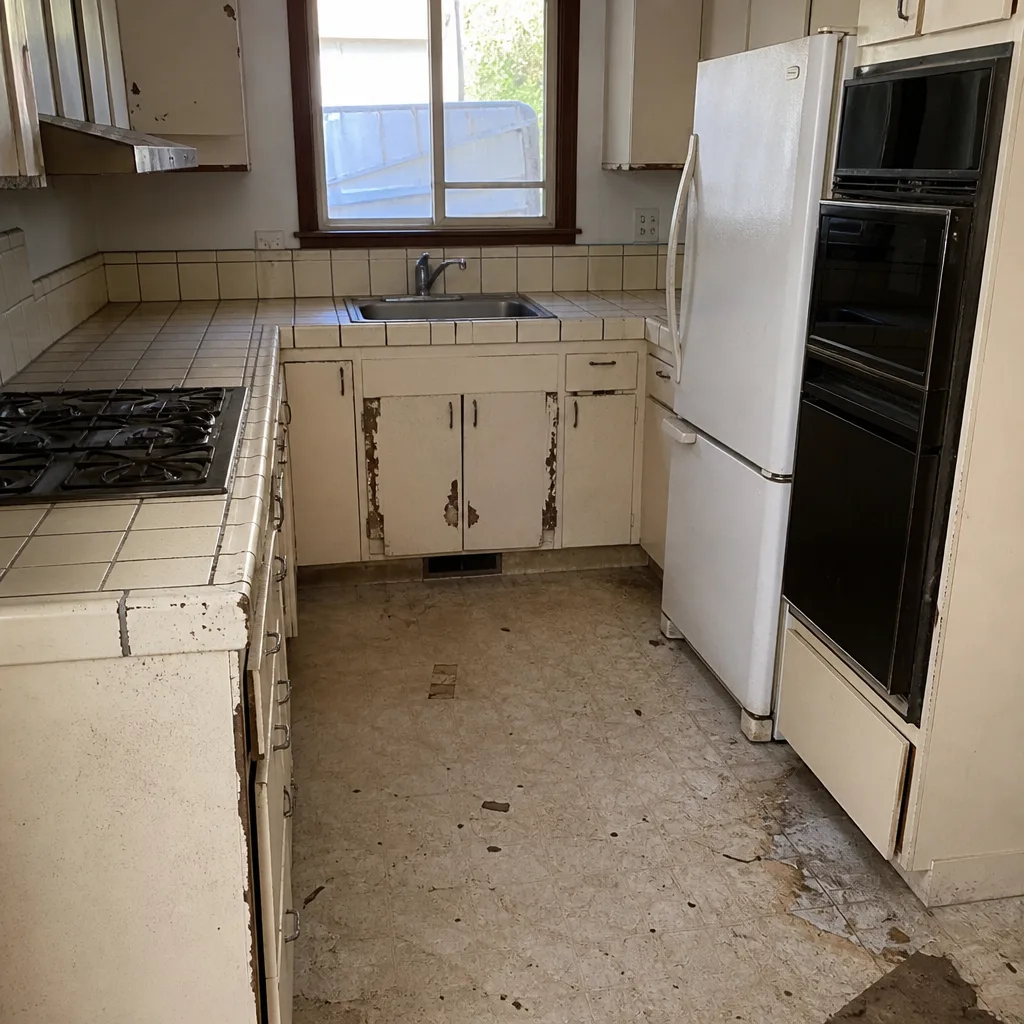 Before
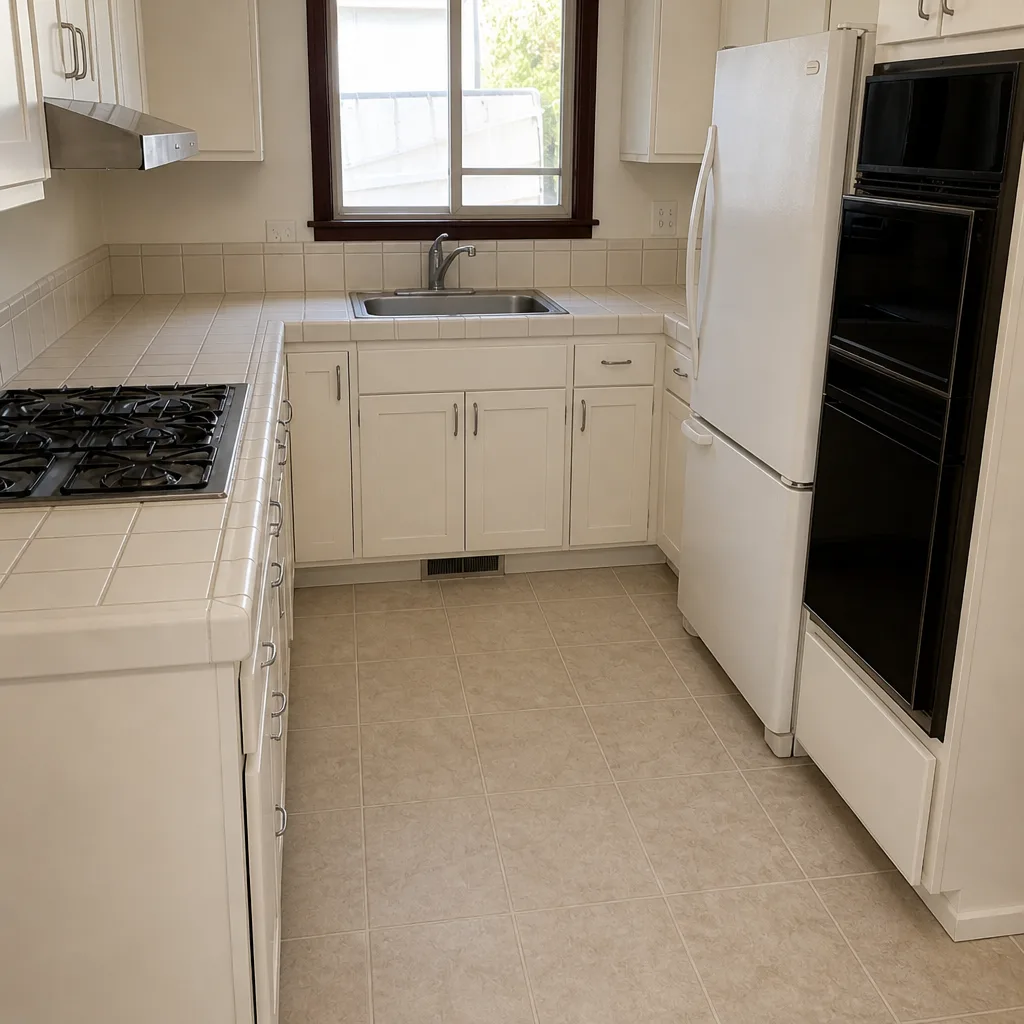 After
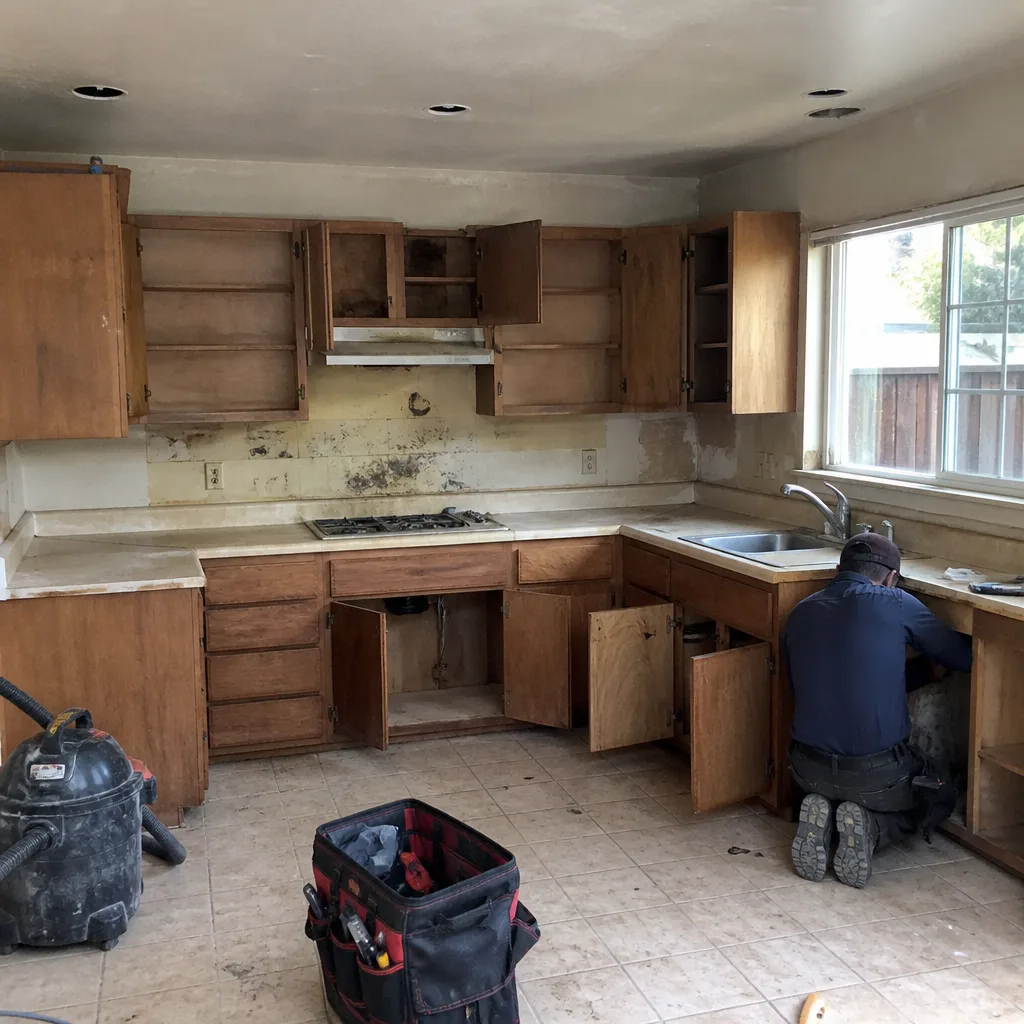 Before
 After
Common Mistakes to Avoid

- Hiring the first contractor who knocks on the door. Unsolicited door-knockers after a Santa Clara earthquake are almost always out-of-area crews with no local accountability. Ask for a business address, a license number, and a written price before you say yes.
- Starting repairs before documenting the damage. Once the wet drywall is gone, the adjuster can’t verify what happened. Photograph and video everything before any repair begins, even in an emergency.
- Accepting a verbal estimate. In a disaster, demand is high and verbal quotes evaporate. Get a written price ceiling before any work starts – California law requires a written contract over $500, and that protects you.
- Paying the full price up front. California caps down payments at 10% or $1,000, whichever is less. A contractor who wants 50% up front is outside the law and probably outside your long-term interests.
- Overlooking the chimney and foundation after a quake. Santa Clara has many older homes with unreinforced masonry chimneys. Visible cracks in the chimney or foundation mean stop and get an engineer’s assessment.
- Waiting more than 48 hours to start drying wet materials. Santa Clara’s wet season mold window is about 48 hours. By day four, the repair scope doubles because mold remediation has to be added.
- Assuming the price-gouging law protects you without paperwork. The 10% cap under Penal Code 396 is enforceable, but only if you can prove what the pre-emergency price was and what you were charged. A written agreement is the proof.
When to Call a Professional
Not every construction emergency in Santa Clara needs a contractor. A hairline drywall crack after a minor quake is cosmetic. A single wet patch under a bathroom sink is a maintenance issue. The line is crossed when the work involves structural movement, hidden moisture, or a scope that crosses trades – water intrusion into a wall cavity, a foundation crack wider than a quarter inch, a roof leak that’s been active long enough to soak the ceiling drywall, or any repair that would require opening walls. Those are also the cases where a written price matters most, because the scope isn’t obvious on day one.
Penhallow Remodeling Santa Clara offers free estimates in Santa Clara for repair and remodel work that falls within our scope, and every estimate comes with a written price and the 365-Day Done Right Promise in writing. Call (833) 400-6838. Our technicians have up to 22 years of experience, they’re background-checked, and they arrive in uniform – even when the job is an emergency.
Frequently Asked Questions
It depends on what you can see. If doors suddenly stick, if there are visible cracks wider than a quarter inch in walls or foundation, or if the chimney is cracked or leaning, don’t stay until a licensed structural engineer assesses the house. If everything looks intact and there’s no gas smell, most Santa Clara homes built after 1980 are fine for reoccupancy. When in doubt, get the assessment – the cost of an engineer’s inspection is far less than the cost of being wrong.
Emergency water damage repair in Santa Clara typically runs $3,500 to $12,000 depending on the scope. Tarping and drying alone runs $400 to $1,200; a full drywall and insulation replacement in one room runs $2,500 to $6,000; repairs that extend into cabinets, flooring, or framing push toward the upper end. Call (833) 400-6838 for a written price before any work starts – estimates are free.
Yes. Penal Code Section 396 caps goods and services, including contractor labor and materials, at 10% above the price charged immediately before a declared state of emergency. The cap lasts 30 days from the declaration and can be extended. The catch is enforcement – you need written proof of what the pre-emergency price was and what you were charged. A written contract with a price ceiling is your strongest protection.
Mold colonization starts within 24 to 48 hours on wet drywall, insulation, and wood framing at typical indoor humidity. In Santa Clara’s wet season, when indoor humidity is high and drying is slow, the window can be closer to 24 hours. Start fans and a dehumidifier immediately, and call a professional if more than 10 square feet of drywall is wet or if the water came in through the roof.
You can hire a contractor for emergency mitigation – tarping, water extraction, drying – before the adjuster sees the damage. But for any permanent repair, wait until the damage is documented. Once the wet drywall is removed or the damage is patched, the adjuster has nothing to inspect, and the claim is often denied or reduced. Document first, tarp second, call the adjuster third, and schedule the permanent repair fourth.
Say no politely and get their card if you want, but don’t hire on the spot. Verify their license through the California State License Board before you talk further, ask for a written price before any work begins, and confirm they’ll put the scope, price ceiling, and start/completion dates in a written agreement. Unsolicited door-knockers after a disaster are often out-of-area crews with no local accountability, and the homeowners who get burned are the ones who said yes in the driveway.
The Bottom Line

Construction emergencies in Santa Clara are survivable, and most of the damage they cause is fixable – what’s harder to fix is a panic hire. The sequence that protects you is: secure safety first (gas, power, structural risk), document everything with dated photos and video, tarp and mitigate the water, call the insurance adjuster, then hire with a written agreement that includes scope, price ceiling, and start/completion dates. Verify licenses, never sign a blank contract, and remember that California’s price-gouging law exists to protect you but only works with paperwork behind it. When you’re ready for a written price on repair or remodel work, call (833) 400-6838. We’ll give you the number before we pick up a tool.
For the full range of work we handle in Santa Clara, from emergency repair through planned remodels, start at Penhallow Remodeling Santa Clara home, or explore our kitchen remodeling in Santa Clara and bathroom remodeling in Santa Clara pages. If you’re hiring a general contractor for a larger repair scope, our general contractor in Santa Clara page covers what a written agreement for multi-trade work looks like.
Written by the team at Penhallow Remodeling Santa Clara.