Last updated November 17, 2026







Free written scope consultation - allowances, timeline, and change-order rules on paper before a single trade is scheduled
Construction Permits, Codes & Inspections in CA: What You Need to Know
A bathroom remodel that passes over-the-counter in Sunnyvale can sit in plan-check review for three to five extra weeks in Santa Clara, and the difference is rarely explained before you sign a contract. California’s building code is one statewide document, but the city counter is where it actually gets applied, and every municipality reads it through its own lens. Santa Clara is no exception. This guide walks through what triggers plan check versus over-the-counter approval at Santa Clara’s Building Division, how Title 24 energy rules hit real remodels, what fails inspection most often, and what unpermitted work does to your insurance and your resale disclosures. You’ll finish knowing what to ask before a contractor touches a wall.
Quick Answer
In California, most interior remodels need a building permit, and any project touching structural, electrical, plumbing, or mechanical systems needs one pulled by a licensed contractor before work starts. In Santa Clara specifically, simple like-for-like replacements often clear over-the-counter, but layout changes, additions, and anything affecting Title 24 energy compliance usually route into plan-check review, which adds weeks to your timeline. Pulling the permit is the contractor’s job, not yours.
Styles & brands we work with
- Kitchen remodeling
- Bathroom remodeling
- Home additions & ADU
- Roofing
- Windows & doors
- Driveway & pavers
- Fence
Table of Contents
- Which Projects Need Plan Check vs. Over-the-Counter Approval in Santa Clara
- How Title 24 Energy Compliance Affects Santa Clara Remodels
- The Inspection Sequence for a Kitchen or Bathroom Remodel
- Unpermitted Work: Insurance and Resale Consequences in California
- Why the Contractor, Not the Homeowner, Should Pull the Permit
- Realistic Permit Timelines in Santa Clara
- Common Mistakes to Avoid
Which Projects Need Plan Check vs. Over-the-Counter Approval in Santa Clara
Santa Clara’s Building Division splits permits into two tracks, and knowing which one your project lands on determines whether your start date is next week or next month. Over-the-counter (OTC) approval is for work the counter staff can review on the spot. Plan check is for anything that needs a full review cycle.
Over-the-counter typically covers:
- Like-for-like fixture swaps: replacing a toilet, sink, or water heater with the same size and type
- Replacing kitchen cabinets in the same footprint with no wall or plumbing moves
- Re-roofing with the same material class
- Minor electrical work like swapping a panel for one of equal amperage
- Water heater replacements that meet current seismic strapping and Title 24 requirements
Plan check is usually required for:
- Any wall removal, including “non-load-bearing” walls until an engineer confirms it
- Moving plumbing supply or drain lines
- Bathroom layout changes that relocate a toilet or shower drain
- Window replacements that change the size or glazing ratio
- Additions and second-story work
- New HVAC systems or ducting changes
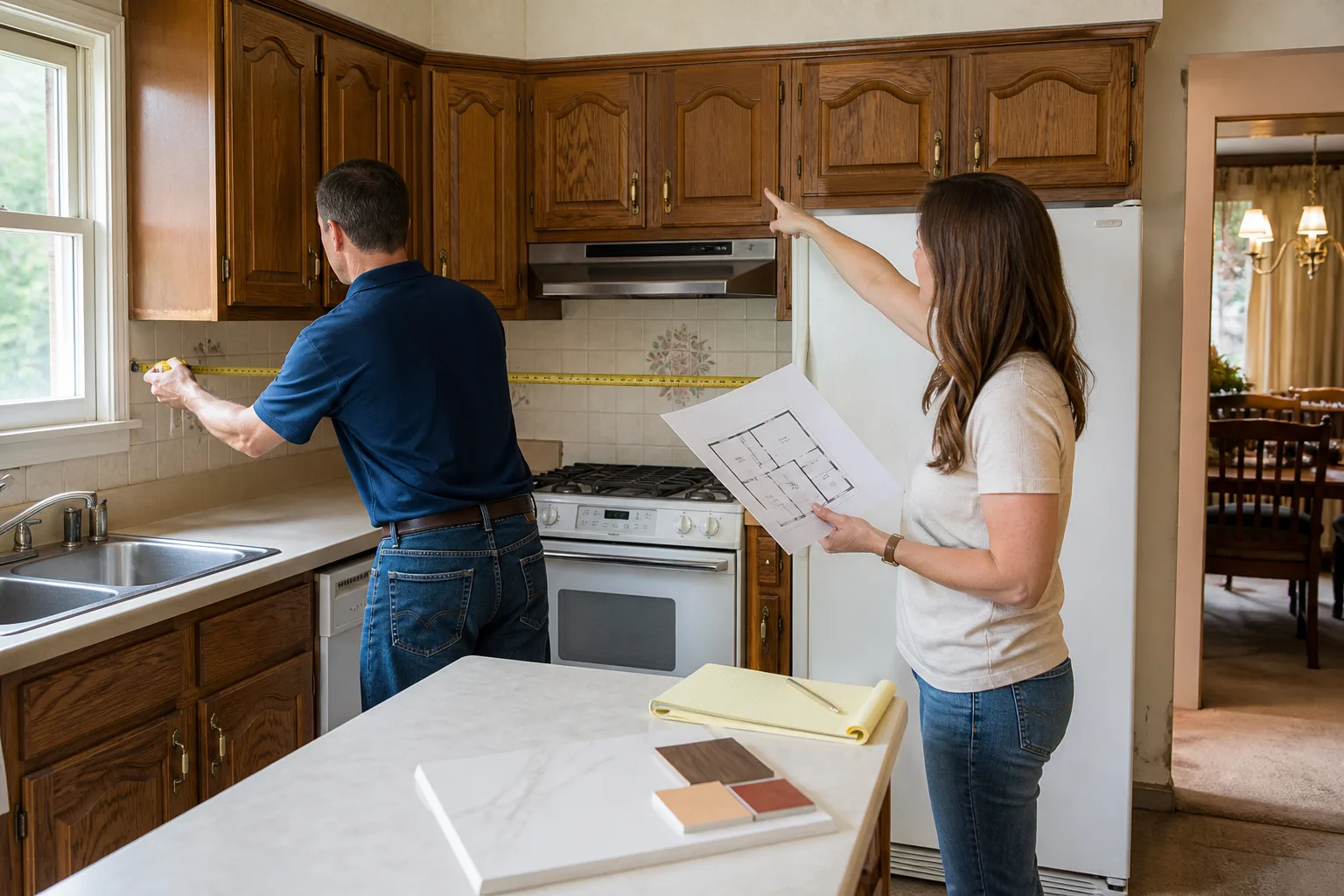
The trap for homeowners is a project that looks cosmetic but crosses into plan check. A Santa Clara kitchen remodel that opens up a wall between the kitchen and dining room often starts as “just cosmetic” and lands in plan check once the wall is confirmed structural. Our technicians have up to 22 years of experience in Santa Clara County, and that experience is mostly about knowing which projects clear the counter and which don’t before the drawings get submitted. When we quote a Kitchen Remodeling in Santa Clara project, the permit track gets nailed down before any material is ordered.
How Title 24 Energy Compliance Affects Santa Clara Remodels
Title 24 is California’s energy code, and it governs more of your remodel than most homeowners realize. Any project that involves windows, insulation, or HVAC has to demonstrate compliance, and the compliance path depends on what else is being changed.
The areas where Title 24 hits Santa Clara remodels most often:
- Windows: Replacements must meet U-factor and solar heat gain coefficient (SHGC) limits. In Santa Clara’s climate zone, dual-pane low-E glass is essentially the floor, and a wood-frame house from the 1960s may need added insulation around the rough opening.
- Insulation: If you open a wall for a remodel, the code requires bringing that wall’s insulation up to current standards. In older Santa Clara neighborhoods around the Old Quad and Central Park, that means walls built before 1978 often need new R-value in the cavity once they’re opened.
- HVAC: Any new furnace or AC unit has to meet efficiency minimums, and duct changes trigger duct sealing and testing requirements. Replacement-in-kind systems sometimes qualify for a simpler path, but adding a mini-split to a converted garage or sunroom is a full compliance review.
The most common surprise in Santa Clara is window replacement. A homeowner replaces six windows, the contractor quotes a like-for-like swap, and Title 24 requires specific performance values the original windows never met. If the new glazing package doesn’t meet U-factor, the permit gets bounced back to plan check. Brands like Cover and Dvele, which build high-performance prefab envelope systems, are worth knowing about if your remodel involves significant glazing changes, because the compliance documentation comes baked in.
Our approach is to run the Title 24 math before the quote goes out. If a window package is going to force additional wall insulation to comply, you hear about it while you’re pricing the job, not after the wall is open. The written price you receive is the number that holds, and that number includes whatever energy compliance the scope triggers.
The Inspection Sequence for a Kitchen or Bathroom Remodel
Inspections happen in a fixed order, and each one has to be signed off before the next trade covers up the previous trade’s work. Miss a step and you’re opening drywall to redo it.
The typical sequence for a Santa Clara bathroom remodel:
- Demolition and rough framing inspection – after the walls are open and any framing changes are complete
- Rough plumbing inspection – after supply and drain lines are in place but before drywall
- Rough electrical inspection – after wiring, boxes, and any panel changes are complete
- Rough mechanical inspection – after any exhaust fan or HVAC ducting is run
- Insulation inspection – after new insulation and vapor barrier are installed, including the cement board substrate (the moisture-resistant layer behind your tile) in wet areas
- Drywall inspection – after drywall is hung and taped but before finish coat or paint
- Final inspection – after tile, fixtures, and finishes are complete
In Santa Clara, the inspections that fail most often are insulation and rough plumbing. Insulation fails when wall cavities stay open to the outside or the vapor barrier is installed on the wrong side of the wall for the climate. Rough plumbing fails when a shower drain isn’t sloped at the required pitch or the vent is undersized for the new fixture count.
Our crews run a pre-inspection checklist before each phase closes, which is why the guarantee on every job includes a free return visit if a repair fails after the final. That’s the 365-Day Done Right Promise in practice: if something we installed fails inside the guarantee period, we come back and fix it at no charge, no service call fee.
Unpermitted Work: Insurance and Resale Consequences in California
Unpermitted work is the single most expensive mistake a Santa Clara homeowner can inherit. It doesn’t always surface immediately, but it surfaces eventually, usually at the worst moment.
What happens to your insurance:
- Most homeowner policies require disclosure of material improvements. If unpermitted work causes a loss, the insurer can deny the claim for the affected portion of the home.
- A fire started by unpermitted electrical work is a common denial scenario. The policy pays the rest of the house, but not the room that burned.
- Some carriers raise premiums or cancel policies entirely once a city notice of violation appears on the property record.
What happens at resale:
- California sellers must disclose known unpermitted work on the Transfer Disclosure Statement. Failure to disclose exposes you to post-sale liability.
- Buyers’ lenders will often refuse to finance a home with unpermitted additions or converted garages, which kills deals in Santa Clara’s tight market.
- Fixing unpermitted work retroactively means paying for inspections, corrective construction, and often a permit for work that was already built, which is more expensive than doing it right the first time.
In our experience, most unpermitted work in Santa Clara gets discovered during a buyer’s inspection or a title review, and the negotiation that follows costs the seller more than the permit would have. If you’re considering a home purchase in Santa Clara with remodeled spaces, check the permit history through the city’s online portal before you make an offer.
Why the Contractor, Not the Homeowner, Should Pull the Permit
Under California contractor licensing law, the licensed contractor doing the work is generally required to pull the permit. If a contractor asks the homeowner to pull their own permit, that’s a signal worth paying attention to.
Why the contractor should pull it:
- Liability follows the permit holder. The person on the permit is responsible for code compliance and inspection outcomes. If the homeowner holds the permit, the homeowner owns the risk on work they didn’t perform.
- The homeowner permit signals a paperwork shortcut. A contractor asking you to pull the permit is often doing so because their license status, insurance, or bonding won’t support a permit application. That’s not always true, but it’s the most common reason.
- Inspections need a licensed party present. Many cities, Santa Clara included, require the permit holder or their authorized representative on site for certain inspections.
- Warranty claims get messy. If the contractor didn’t hold the permit, they can walk away from a failed inspection more easily.
Our practice is straightforward. We pull the permit, we hold it, and we’re the one at the counter for every inspection. The written price you receive covers the permit fees and the inspection process. If a contractor quotes you significantly below the others and suggests you pull your own permit, that lower number is usually the cost of a shortcut you’ll pay to fix later. If you’re comparing general contractors in Santa Clara, ask each one who pulls the permit before you compare the numbers. A General Contractor in Santa Clara who pulls permits in their own name is the one whose written guarantee actually means something.
Realistic Permit Timelines in Santa Clara
Timelines are the part of the permit conversation most contractors skip, which is why the start date on your calendar so often slides. Here’s what to actually expect at Santa Clara’s Building Division for common project types.
- Over-the-counter (same day to one week): water heater swaps, fixture replacements, minor electrical, and like-for-like window swaps meeting current efficiency values
- Simple plan check (two to four weeks): bathroom layout changes, single-window glazing changes with Title 24 documentation, panel upgrades
- Standard plan check (four to eight weeks): kitchen remodels with wall removal or plumbing relocation, additions under 500 square feet, HVAC system replacements
- Complex plan check (eight weeks and up): second-story additions, structural upgrades, major envelope work
Plan check timelines extend with revision cycles. If the drawings come back with a correction notice, every resubmittal restarts the review clock. That’s why the drawings matter more than most homeowners realize: a clear, complete submittal clears in one pass, and a sloppy one adds weeks.
Residential and commercial permits at Santa Clara’s counter also share a queue, which means the review load varies through the year. Late spring and early fall are our busiest submittal windows in Santa Clara, and plan-check turnarounds stretch accordingly. If your project is time-sensitive, submit in late winter or mid-summer when the queue is shorter.
If you’re starting a Bathroom Remodeling in Santa Clara project this year, factor four to six weeks for plan check if you’re moving the layout, and closer to a week if you’re staying inside the existing footprint. That’s the number competitors don’t always put on paper.
Common Mistakes to Avoid
- Assuming your project is over-the-counter when it isn’t. Wall removals, plumbing relocations, and window size changes all route to plan check at Santa Clara’s Building Division, even when they look cosmetic from the outside.
- Skipping Title 24 math on window replacements. A like-for-like window swap in an older Santa Clara home often trips the energy code because the original windows were installed before the code existed. Get the U-factor and SHGC verified before ordering glass.
- Letting the contractor ask you to pull the permit. In California, that’s a signal about the contractor’s license standing, insurance, or willingness to be inspected. Walk away and get another bid.
- Ordering materials before plan check clears. Cabinets and countertops have lead times that reach eight to twelve weeks, but if plan check comes back with corrections, that material sits in your garage while the schedule resets.
- Ignoring the inspection sequence. Covering rough plumbing or electrical before the city signs off means opening drywall later. It’s the most common reason a two-week bathroom remodel turns into a two-month one.
- Leaving unpermitted work in place when you sell. Santa Clara buyers’ lenders scrutinize permit history, and a conversion that never got inspected can kill a deal or cost you the price of fixing it after disclosure.
- Choosing a contractor who won’t put the permit fee in the written price. Permit fees in Santa Clara run from a couple hundred dollars for a simple swap to well over a thousand for an addition. If the fee isn’t in the quote, it’s not in the quote.
See the difference
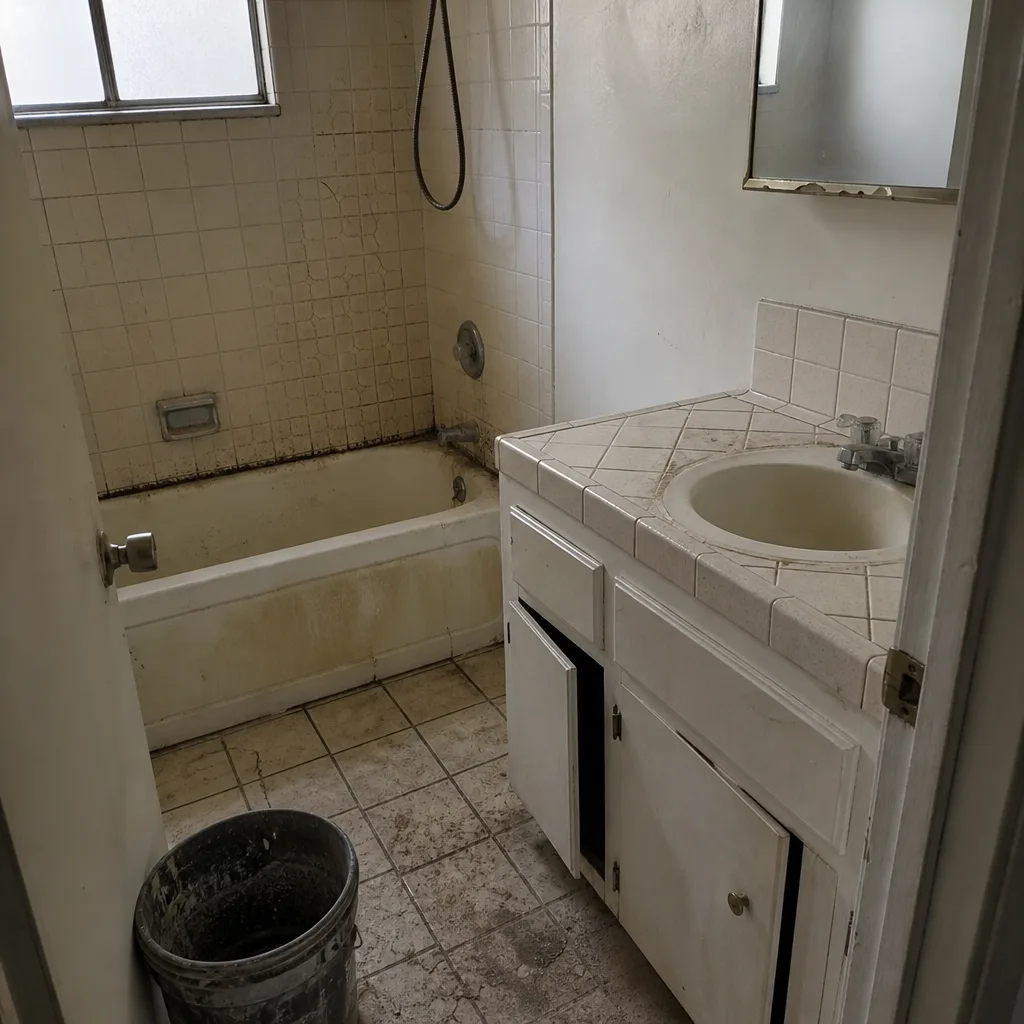 Before
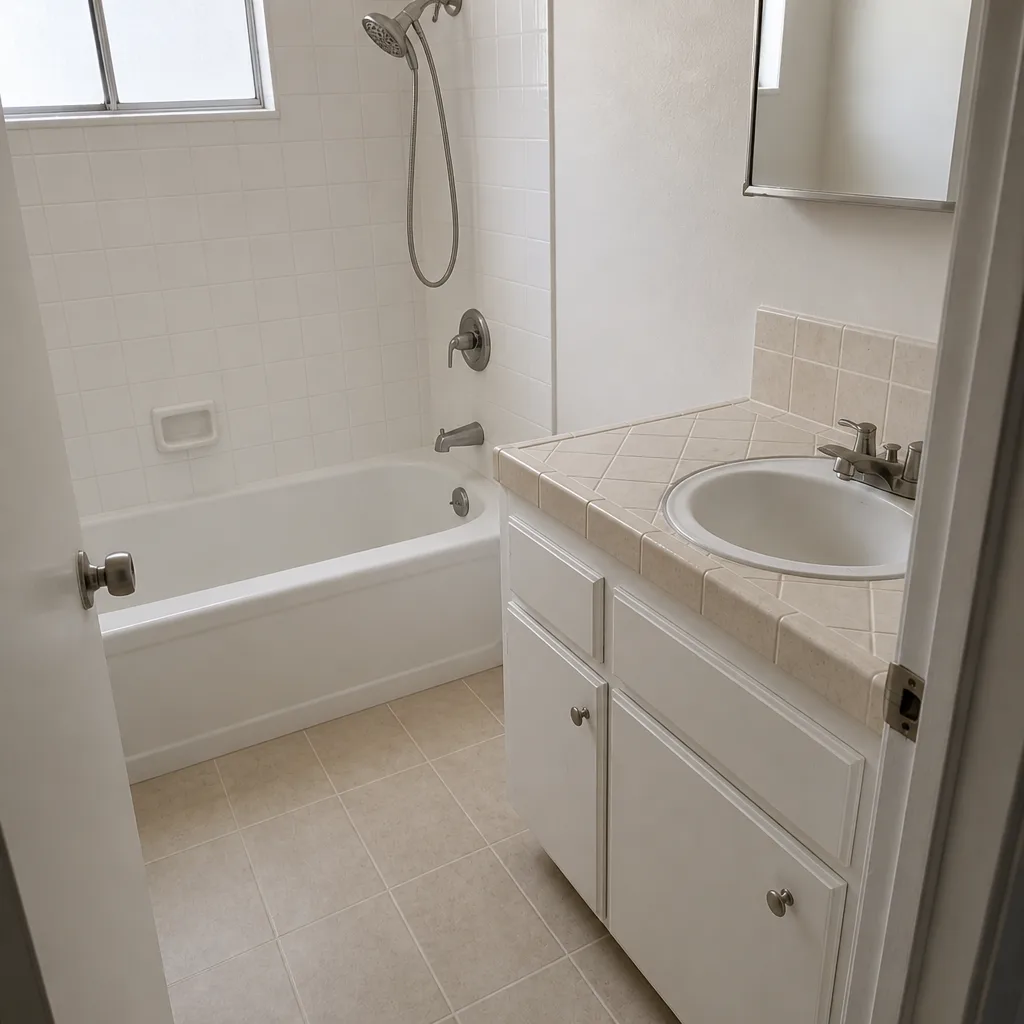 After
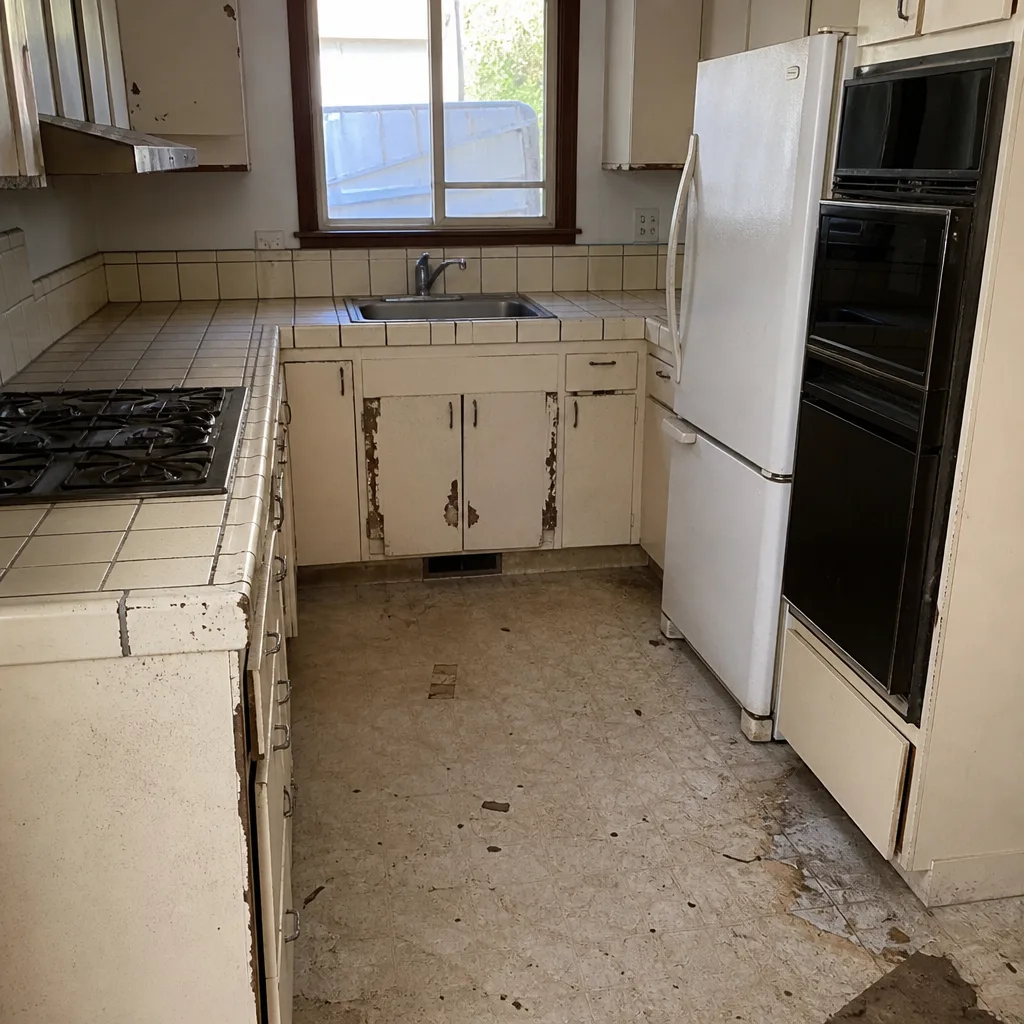 Before
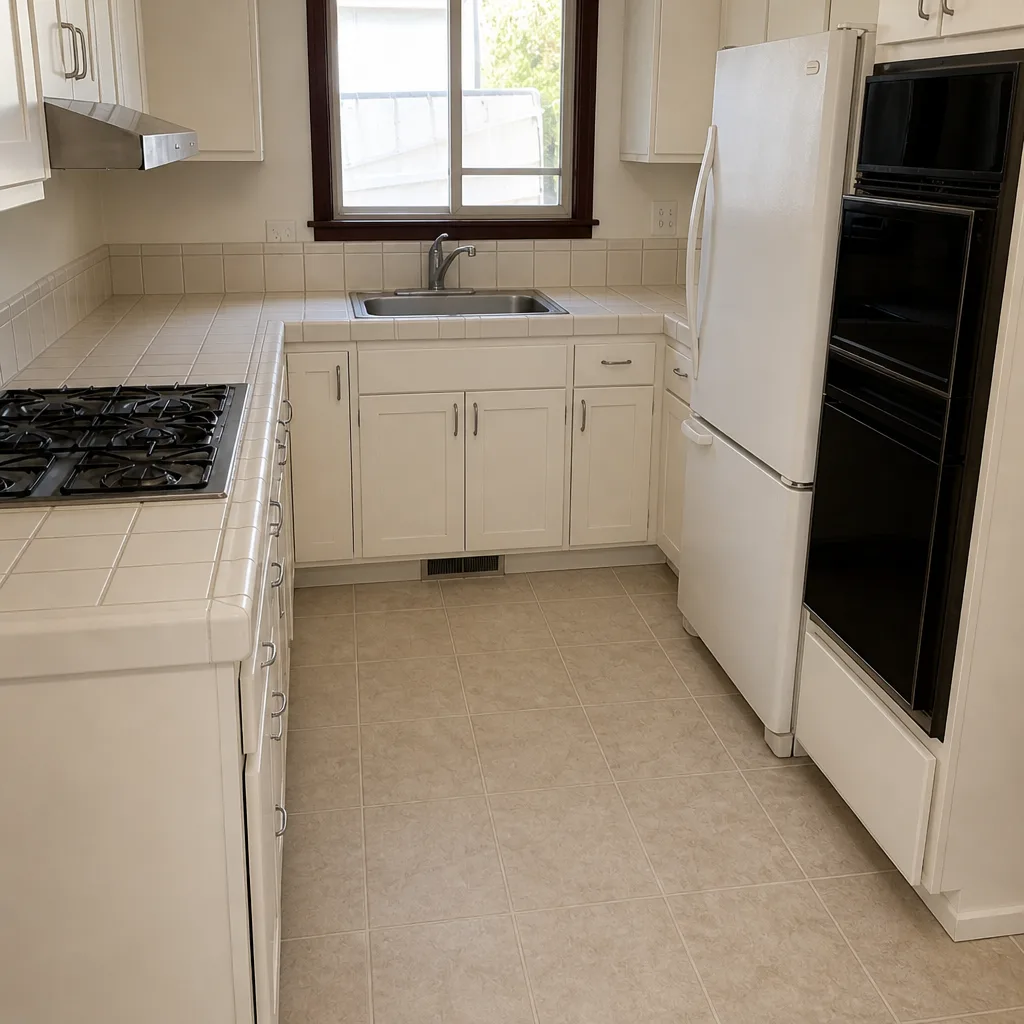 After
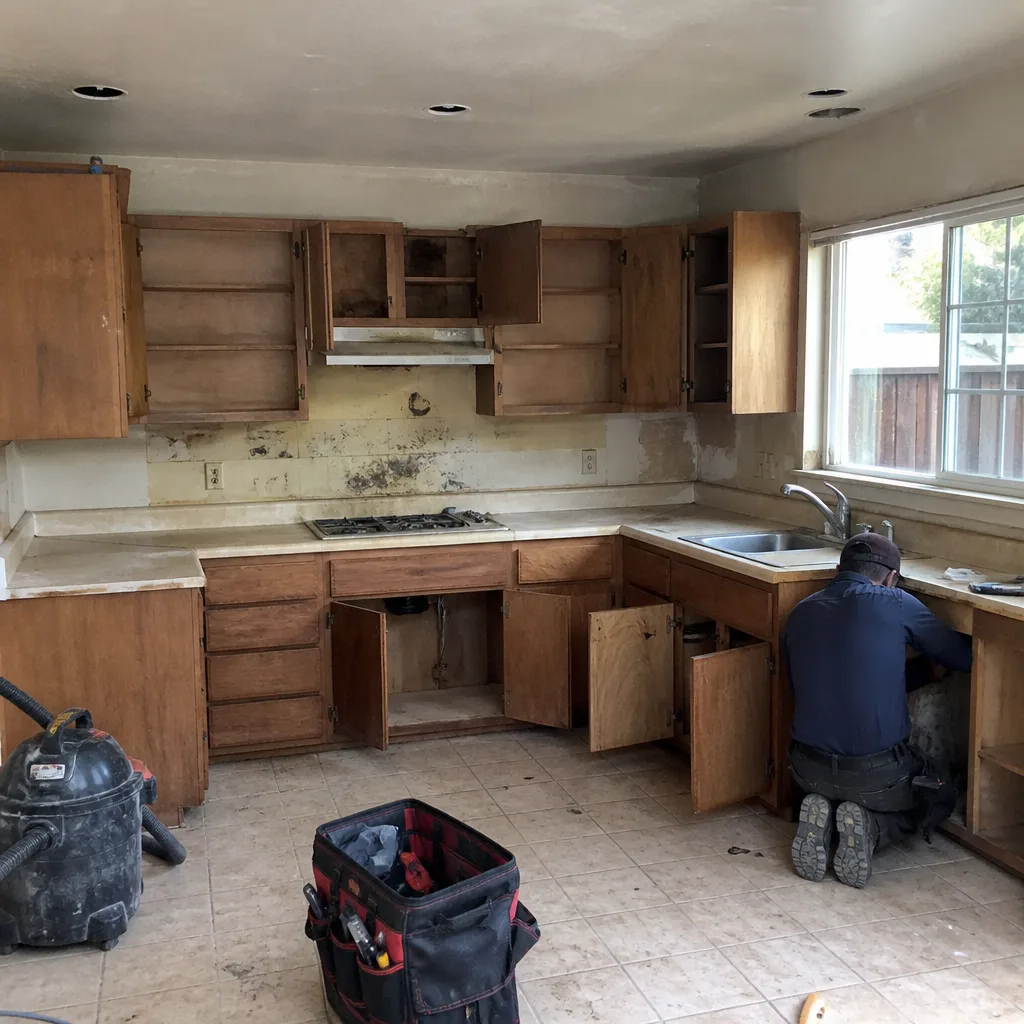 Before
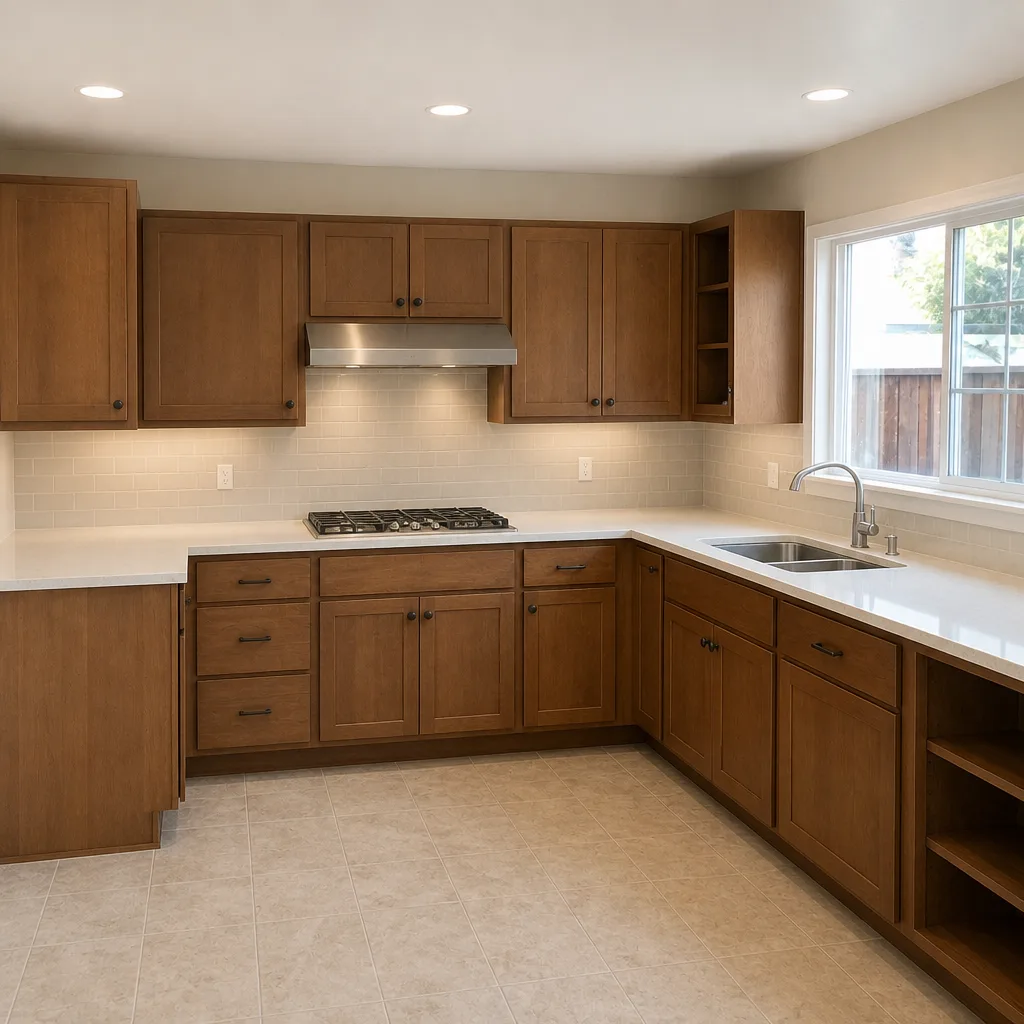 After
When to Call a Professional
Call a licensed contractor whenever your project touches structural, electrical, plumbing, or mechanical systems, and especially when the scope crosses into plan check. If you’re not sure whether your project needs a permit, that uncertainty is exactly when to bring in a professional who pulls permits routinely at Santa Clara’s counter. A good Penhallow Remodeling Santa Clara home page lays out the project types we handle; the short version is that we pull the permit ourselves, put the fee in the written price, and stand in line at the Building Division so you don’t have to. Penhallow Remodeling Santa Clara offers free estimates in Santa Clara, and every quote includes a written price before any work starts. Call (833) 400-6838 to schedule yours. Live phone coverage runs 24/7 with a real person on the line, and every technician arriving at your door is background-checked and uniformed.
Frequently Asked Questions
Yes, if the work involves structural, electrical, plumbing, or mechanical changes. In Santa Clara, a cosmetic refresh with no wall, plumbing, or electrical changes sometimes clears over-the-counter, but any layout change triggers plan check. Call (833) 400-6838 for an exact answer on your specific scope, and we’ll tell you straight.
Over-the-counter permits in Santa Clara can be issued the same day, while plan-check review runs two to eight weeks depending on project complexity. Add two to four weeks for any revision cycle if the drawings come back with corrections. Call (833) 400-6838 to schedule a free estimate that includes a realistic timeline for your project.
You can, but you probably shouldn’t for work a contractor is doing. The permit holder carries the code-compliance and inspection liability, and if the contractor asked you to pull it, that’s usually a signal worth reading carefully. A legitimate contractor pulls the permit in their own name.
Your homeowner’s insurance can deny claims on the affected portion of the home, and California’s Transfer Disclosure Statement requires you to disclose known unpermitted work at resale. Buyers’ lenders often refuse to finance homes with unpermitted additions, which stalls deals. The cost to fix it later usually exceeds the cost of the original permit.
Yes. California’s Title 24 energy code requires replacement windows to meet U-factor and solar heat gain limits, and older Santa Clara homes rarely have windows that meet the current standard. Verify the new glazing values before ordering glass, and plan for added insulation if the wall is opened during the project. Call (833) 400-6838 to have us check the numbers before you order.
Not on a Penhallow job. Every homeowner receives a written price before any work starts, and the number on day one is the number on the invoice, permit fees included. That’s the Kingswell Guarantee, established in 2004, and it’s backed by the 365-Day Done Right Promise. If something we installed fails inside the guarantee period, we return and fix it at no charge. Call (833) 400-6838 to schedule a free estimate.
The Bottom Line

California’s building code is one document, but Santa Clara’s counter is where it gets real. Route your project correctly, plan for Title 24 on any window, insulation, or HVAC work, respect the inspection sequence, and refuse to inherit unpermitted work whether you’re buying or selling. The contractor pulls the permit, and the permit fee belongs in the written price. If your contractor wants you to work the counter instead, keep looking. Our technicians have up to 22 years of experience working through Santa Clara’s permit process, and every quote we hand you includes a written price, a real arrival window, and a written guarantee. Call (833) 400-6838 to schedule your free estimate.
Written by the team at Penhallow Remodeling Santa Clara.