Last updated November 17, 2026







Free written scope consultation - allowances, timeline, and change-order rules on paper before a single trade is scheduled
The Complete Guide to Construction in Santa Clara
Santa Clara sits within roughly two miles of the Hayward Fault, yet most remodeling guides treat it like a generic Bay Area suburb. That omission costs homeowners real money. When a contractor who doesn’t know the ground here bids a job, the surprises show up after demolition: a subfloor that won’t hold fasteners, a permit that gets bounced because the wrong jurisdiction was contacted, a lateral addition that never accounted for seismic bracing. This guide maps the local picture we’ve learned from years of working Santa Clara jobs: the clay soils, the permit split between city and county, the retrofit rules for older housing stock, and what a realistic budget looks like when Silicon Valley labor costs are baked in. By the end, you’ll know what you’re signing up for before the first quote arrives.
Quick Answer
Construction in Santa Clara is shaped by three local forces that national guides ignore: expansive clay soils that demand careful foundation and subfloor detailing, a permit system split between the City of Santa Clara and Santa Clara County that delays projects when confused, and seismic retrofit requirements for pre-1980 homes near the Hayward Fault. A well-run project here starts with a written scope and fixed price before demolition, because verbal estimates are where Bay Area budgets quietly fall apart. Realistic remodeling budgets in Santa Clara run higher than national averages due to Silicon Valley labor costs, and the contractors who thrive are the ones who put the number in writing up front.
Styles & brands we work with
- Kitchen remodeling
- Bathroom remodeling
- Home additions & ADU
- Roofing
- Windows & doors
- Driveway & pavers
- Fence
Table of Contents
- Why Santa Clara Construction Isn’t Generic Bay Area Construction
- How Santa Clara’s Clay Soils Affect Foundations and Subfloors
- City of Santa Clara Permits vs. Santa Clara County Permits
- Seismic Retrofit Rules for Pre-1980 Santa Clara Homes
- Why Silicon Valley Labor Costs Skew Your Budget
- The One Document That Separates Legitimate Contractors
- Common Mistakes to Avoid
- When to Call a Professional
Why Santa Clara Construction Isn’t Generic Bay Area Construction
Most construction advice written about the Bay Area assumes San Francisco: hillside lots, marine fog, Victorian housing stock. Santa Clara is a different animal. The city sits on a broad, flat valley floor where the ground is predominately clay, the summer swings from cool mornings to 90-degree afternoons, and the housing stock runs heavily toward mid-century ranch homes built between 1950 and 1975. Those three facts change how you build here.
The clay matters most. Santa Clara’s expansive soils swell when wet and shrink when dry, and a valley that gets winter rain followed by a bone-dry summer puts that soil through a full cycle every year. We’ve watched foundation cracks open in late September that were invisible in February. For a remodel, that means slab-on-grade homes often need crack isolation membrane under tile, and pier-and-beam subfloors need re-leveling before new flooring goes down. A contractor who bids tile over a moving slab without checking will be back in six months.
The housing age matters next. A 1962 ranch home in the Westwood Oaks area was built to a seismic standard forty years obsolete. Windows are single-pane aluminum. Wiring may be two-prong without a grounded circuit. A remodel that touches walls or rooflines has to reconcile all of it with current code, and the reconciliation is where budgets move if it wasn’t priced up front.
None of this makes Santa Clara construction harder than anywhere else. It makes it more specific. The contractors who know it price it correctly. The ones who don’t learn on your dime.
How Santa Clara’s Clay Soils Affect Foundations and Subfloors
Santa Clara Valley clay is classified as high-expansion, meaning it changes volume significantly with moisture. That single fact drives three decisions on nearly every remodel we see in Santa Clara:
- Slab prep and crack isolation. When we set tile on a Santa Clara slab, we check for existing cracks and map their direction. A crack isolation membrane (a thin, flexible layer that lets the tile float above minor slab movement) is standard practice here, not an upsell. Skipping it is how kitchen floors crack along grout lines two seasons after install.
- Subfloor leveling. Pier-and-beam homes in older Santa Clara neighborhoods often have floors that have settled unevenly over sixty years of clay movement. Before new hardwood or luxury vinyl goes down, we check flatness and sister joists or add a leveling layer where needed. A floor laid over a 3/4-inch dip will telegraph every seam.
- Foundation drainage. Water management prevents most clay-related movement, so we look at grade and downspouts before assuming a foundation is failing. A downspout dumping water at the corner of a slab for twenty years causes more cracking than age.
If your Santa Clara home has a visible crack wider than a credit card, a door that sticks only in summer, or a floor that slopes toward one corner, get an engineer’s look before demo. Remediation is affordable when caught early and expensive when it surprises a crew mid-remodel.
City of Santa Clara Permits vs. Santa Clara County Permits
Here’s the split that catches out-of-town contractors: Santa Clara has both a city permit office and a county permit office, and they handle different work. Properties inside Santa Clara city limits generally pull permits through the City of Santa Clara’s building division, while unincorporated areas that carry a Santa Clara mailing address but fall outside the city boundary pull through Santa Clara County. The two have different review timelines, different submittal requirements, and different inspection schedules.
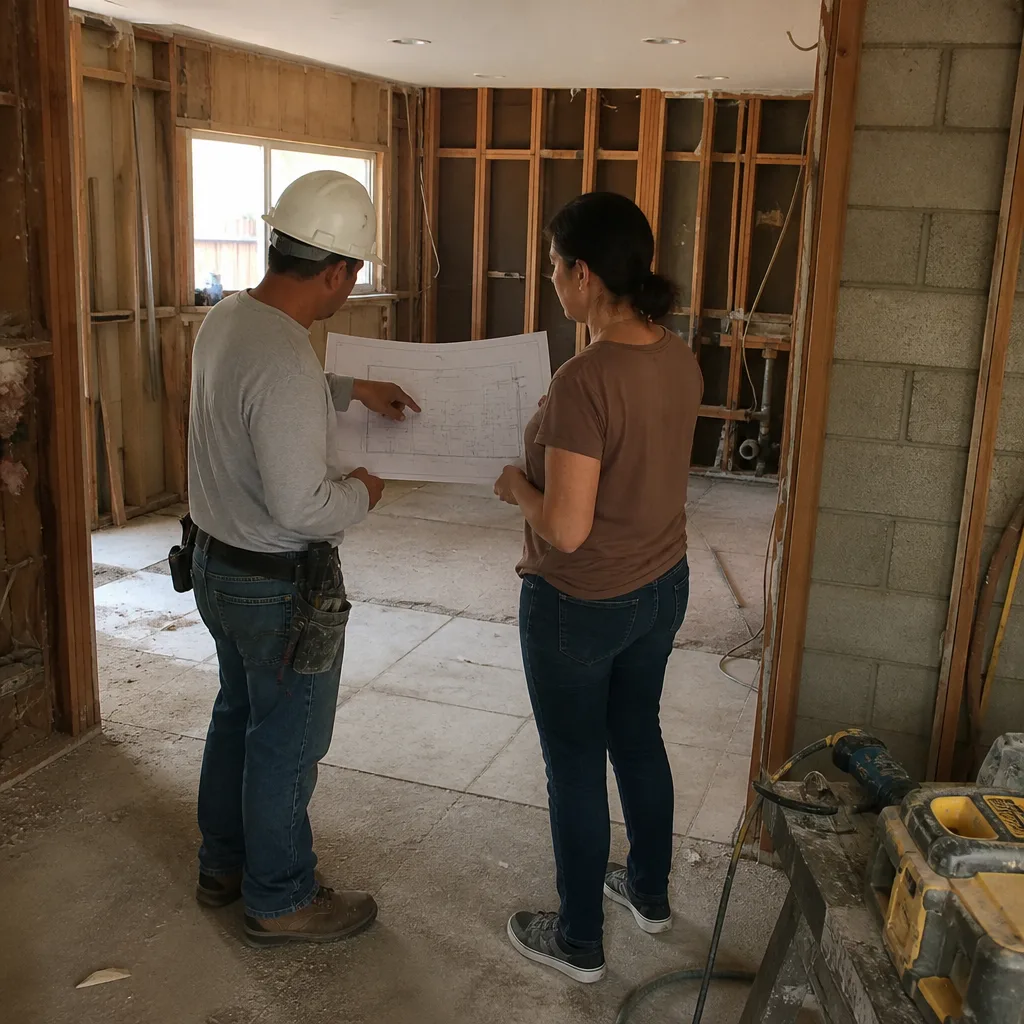
Confusing them costs weeks. A contractor files a kitchen remodel with the county for a property that’s actually inside city limits, and the submittal sits in the wrong queue before anyone flags it. Meanwhile the homeowner has a demolition date and no permit. We’ve seen this delay a Santa Clara project by three to five weeks, and the labor crew’s schedule moves on to another job.
Before you sign anything, verify three things:
- Which jurisdiction your property sits in. The county assessor’s parcel number and a quick check with the city or county planning desk answers it.
- Whether the scope requires a permit. Structural changes, electrical, plumbing, and HVAC always do. Cosmetic resurfacing sometimes doesn’t. Get it in writing which category your job is in.
- Who pulls it. On a legitimate job, the contractor pulls the permit in their name and schedules inspections. A contractor who asks you to pull it as the homeowner is shifting liability onto you.
Permits are routine. They’re not a bureaucratic mountain, they’re a checklist. A contractor who treats permit timing as part of the schedule, not an afterthought, keeps a Santa Clara project moving.
Seismic Retrofit Rules for Pre-1980 Santa Clara Homes
Santa Clara sits close enough to the Hayward Fault that seismic detailing is not optional on older housing. Homes built before roughly 1980, before modern bracing standards, may have unbolted mudsills, cripple walls without shear panels, and water heaters strapped to old code or not strapped at all. If a remodel touches the foundation or reconfigures a load-bearing wall, current code brings retrofit requirements into scope.
For a homeowner, the practical questions are:
- Does my remodel trigger a retrofit requirement? A kitchen or bathroom cosmetic remodel usually doesn’t. A room addition, a foundation repair, or a wall removal usually does, because structural work pulls the whole assembly into current code review.
- What does a retrofit cover? Common items are bolting the mudsill to the foundation, bracing cripple walls with plywood shear panels, strapping the water heater, and in some cases reinforcing a soft-story or unbraced chimney. Each is priced separately and can be bundled into the remodel scope.
- How is it inspected? Retrofit work requires a permit and inspection from the city or county office with jurisdiction. The inspector signs off on each step before the next can be covered, so the sequencing has to be planned into the schedule from day one.
We price retrofit work as a line item on the written scope, not as a contingency. If your Santa Clara home is pre-1980 and the project touches structure, assume retrofit is part of the conversation and budget for it.
Why Silicon Valley Labor Costs Skew Your Budget
Silicon Valley drives trade wages higher than national averages, and Santa Clara sits in the middle of it. A skilled tile setter or finish carpenter who would command a middle-tier wage in another metro commands a premium here, and that premium lands directly on your invoice. A framing crew’s day rate in Santa Clara is not a Fresno day rate, and any quote that assumes it is will either be revised mid-job or will use subs who aren’t qualified.
What does a realistic Santa Clara remodeling budget look like? Real ranges, based on what we see locally:
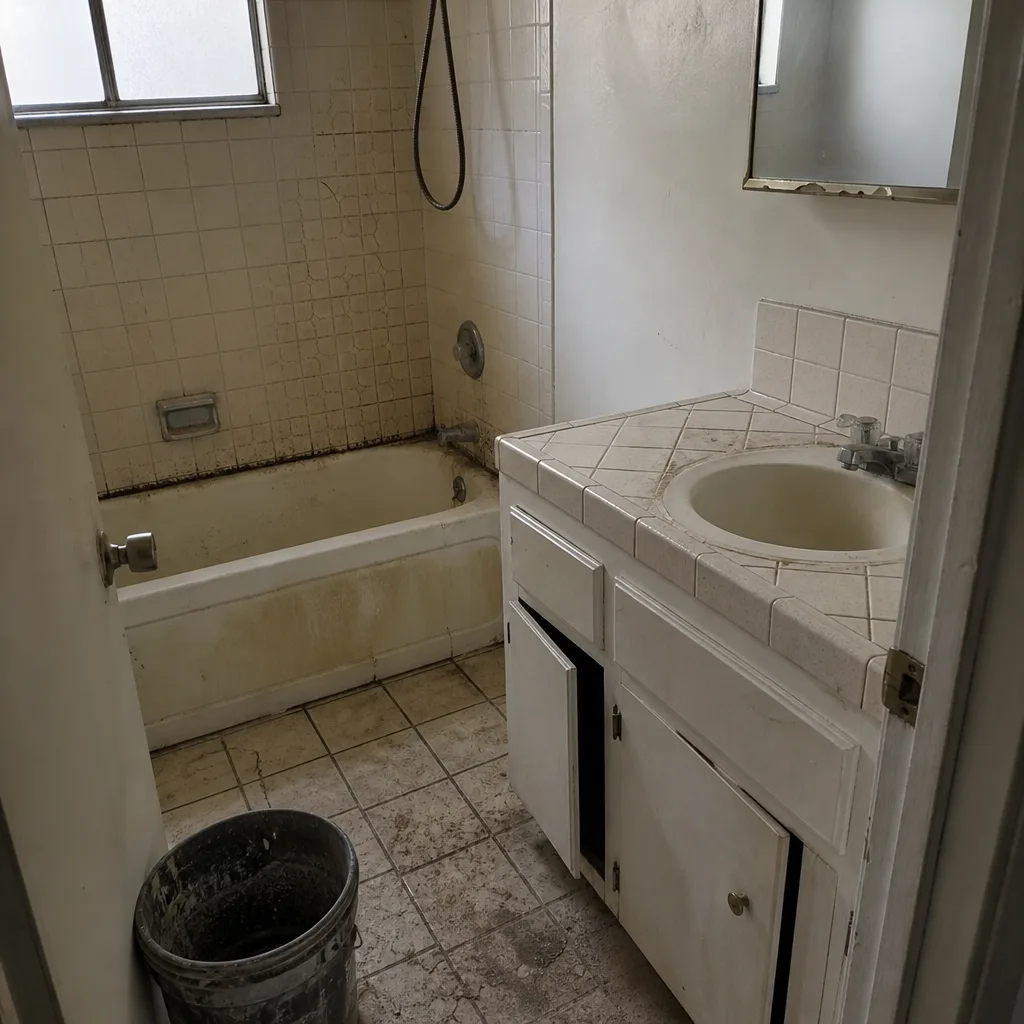
- Bathroom remodel: $14,000 – $38,000 depending on layout, tile scope, and fixture line (Kohler and Moen sit at different price points within that range).
- Kitchen remodel: $28,000 – $78,000 depending on whether walls move, cabinet tier (a stock line versus a semi-custom line like KraftMaid runs thousands apart), and countertop material (Silestone quartz and Caesarstone are both solid mid-to-upper picks, and both carry their own warranties on top of ours).
- Whole-home remodel: $120,000 – $400,000 or more, driven by square footage, structural changes, and how many systems (electrical, plumbing, HVAC) are being updated.
The number that matters is the written one. A verbal ballpark from a Santa Clara contractor is worth exactly the paper it was said on. The written scope and price is the only version you can hold a contractor to.
The One Document That Separates Legitimate Contractors
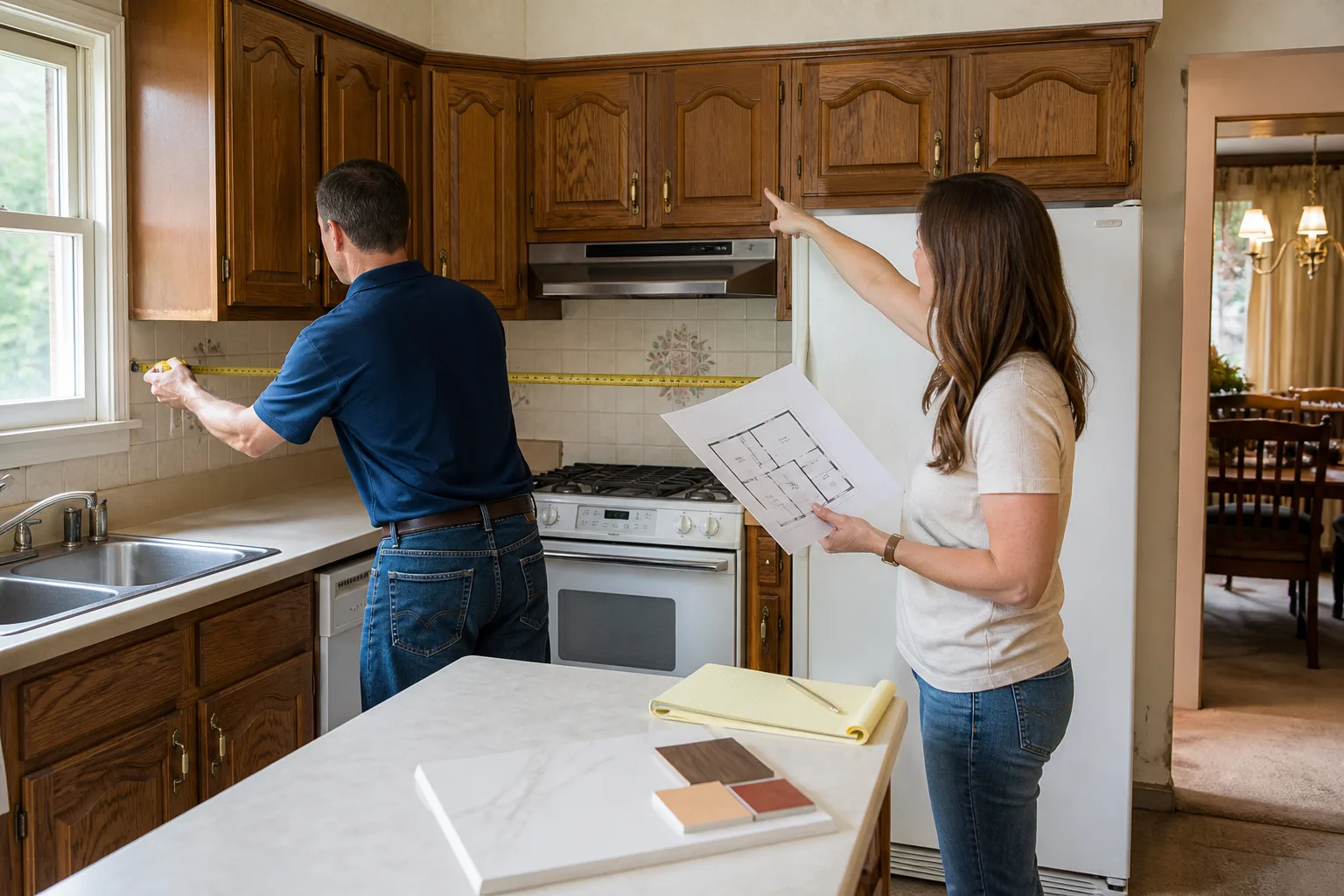
A written scope and price before demolition is the single document that separates a legitimate Santa Clara contractor from a bid-and-inflate operator. Here’s the mechanism. The low-ball bid wins the job, demolition starts, and once the walls are open the contractor “discovers” dry rot, code violations, or a hidden issue and revises the price upward. The homeowner is now mid-project with a demoed kitchen and no leverage. That’s how a $35,000 job becomes a $58,000 job.
A written scope prevents this by describing, line by line, what’s included: demolition limits, framing, electrical scope, plumbing scope, cabinet tier, countertop material, fixture brands, finish level, and what’s excluded. It states a fixed price, a defined arrival window, and a written guarantee. Under The Kingswell Way, every Penhallow project includes a written price before work starts and the 365-Day Done Right Promise: if the work fails inside the guarantee period, we come back and fix it at no charge. That’s a written commitment, not a verbal one.
When you compare quotes on a Santa Clara construction project, put three documents side by side. The one that lists brands, square footages, and exclusions in specific detail is the one you can trust. The one that says “miscellaneous” and “allowances” is pricing a job the contractor hasn’t yet seen, and you’ll pay for that gap. For a broader view of how we approach general contracting locally, our general contractor services in Santa Clara page lays out the process.
Common Mistakes to Avoid
- Accepting a verbal estimate. A verbal ballpark from a contractor without a written scope is a bid with a resubmission built in. Get the number in writing with line items before demo, or walk.
- Confusing city and county permits. Santa Clara has both offices, and filing with the wrong one delays a project by weeks. Verify jurisdiction before submittal, not after.
- Bidding tile over an unleveled clay-soil subfloor. Santa Clara’s expansive clay moves slabs and settles floor joists. A tile bid without crack isolation membrane or subfloor leveling is a future callback.
- Skipping the structural engineer on cosmetic remodels that touch walls. A wall removal that isn’t load-bearing in the bid might be load-bearing once the inspector looks. Budget an engineering review if any wall moves.
- Hiring a contractor who asks you to pull the permit. The contractor pulls permits in their name and schedules inspections. A request for you to pull it shifts the liability onto you.
- Comparing bids by bottom-line price only. A $28,000 bid with allowances and no written exclusions is often $45,000 by completion. Compare brand lines, inclusions, and exclusions, not just totals.
- Assuming a pre-1980 home won’t need retrofit. On any Santa Clara structural work, budget for seismic detailing as a line item rather than a surprise.
When to Call a Professional
Most of what we’ve covered is comfort-level work for a confident DIYer: painting, trim, a faucet swap. The list of work you shouldn’t take on yourself in Santa Clara is shorter and more serious. Call a licensed professional for any structural alteration, any electrical panel work or new circuit, any gas line, any wall removal, any foundation or subfloor leveling, and any seismic retrofit. Those carry genuine risk: a misjudged load-bearing wall can compromise the whole structure, an electrical mistake can burn the house, and a gas line error can do worse than that. Even a cosmetic bathroom remodel involves waterproofing details that a DIY tile job usually gets wrong, and the failure shows up as a mold problem two years later.
Penhallow Remodeling Santa Clara offers free estimates in Santa Clara: call (833) 400-6838 to schedule yours. We answer the phone live around the clock, and every technician who comes out is background-checked and arrives in uniform. You’ll get a written price before any work starts, and a written guarantee when it’s done.
See the difference
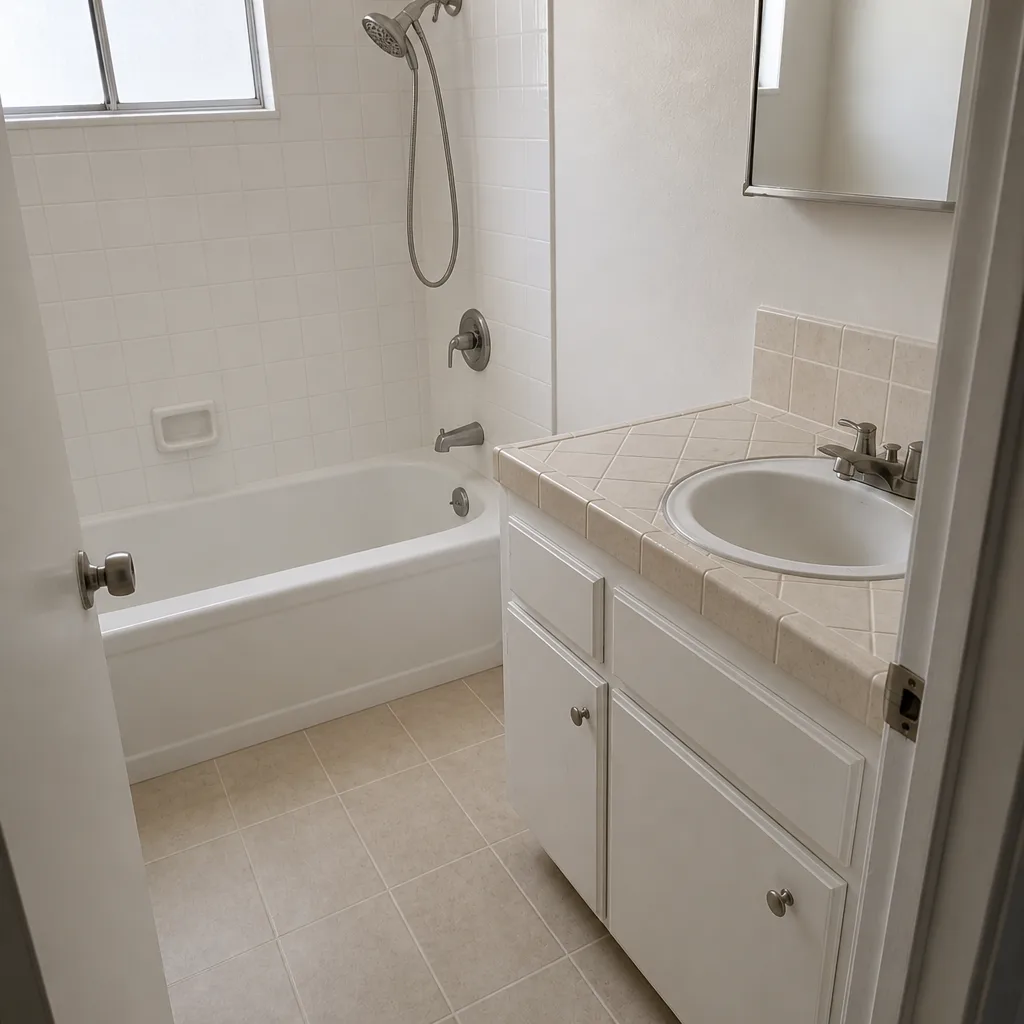
 Before
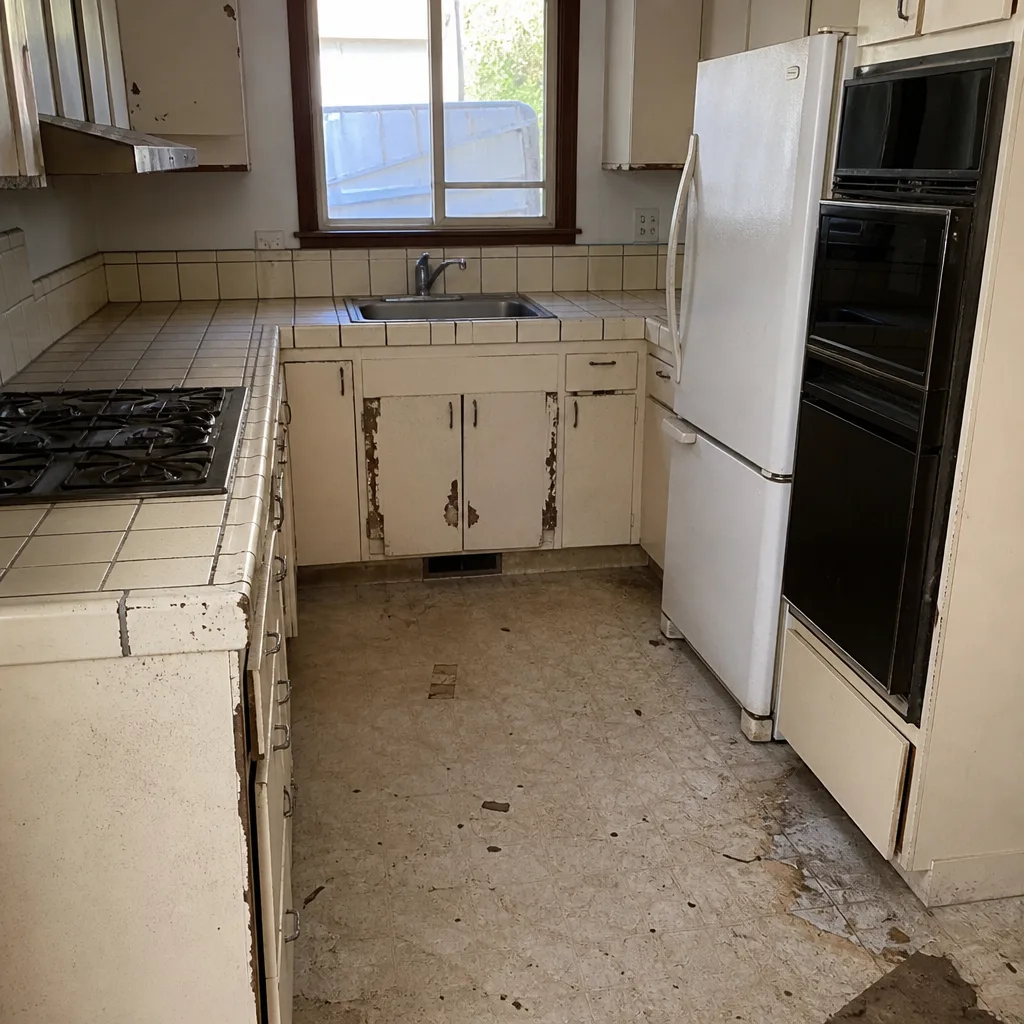
 After
 Before
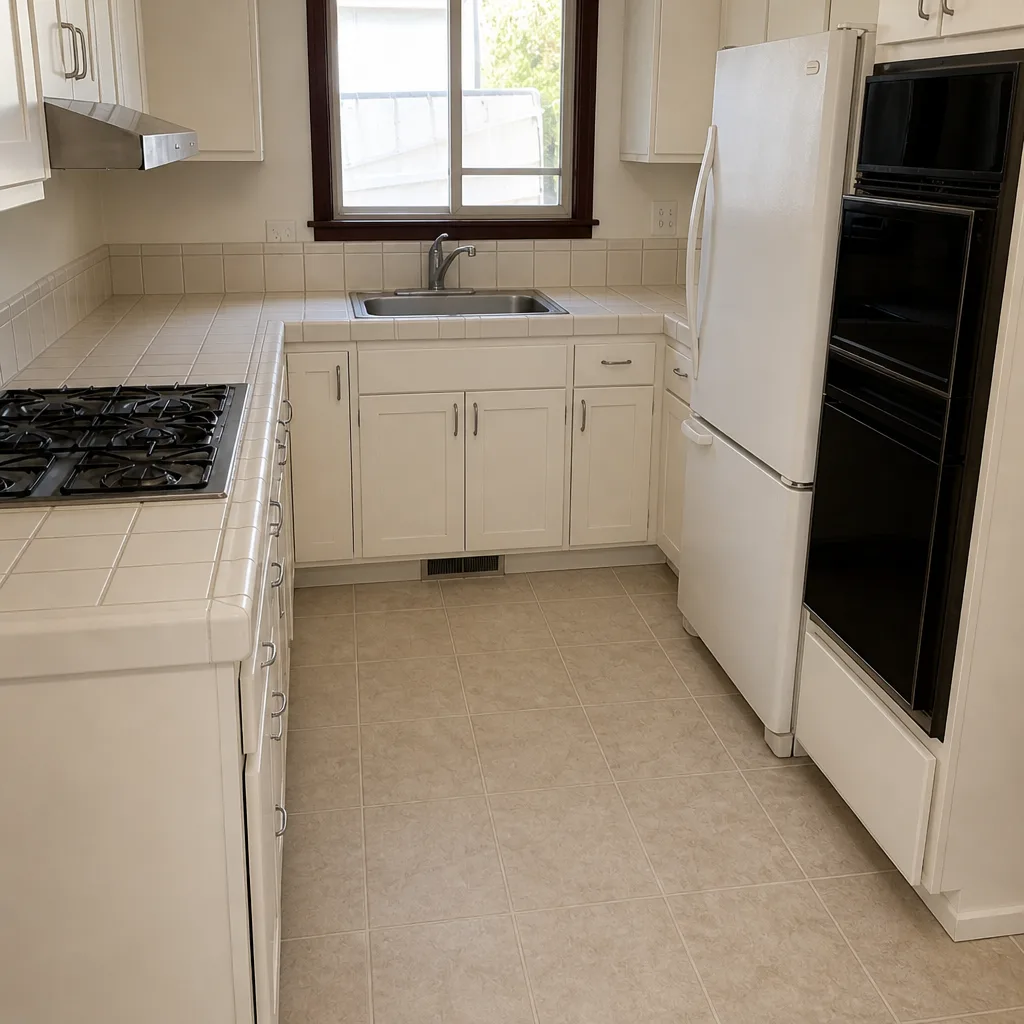 After
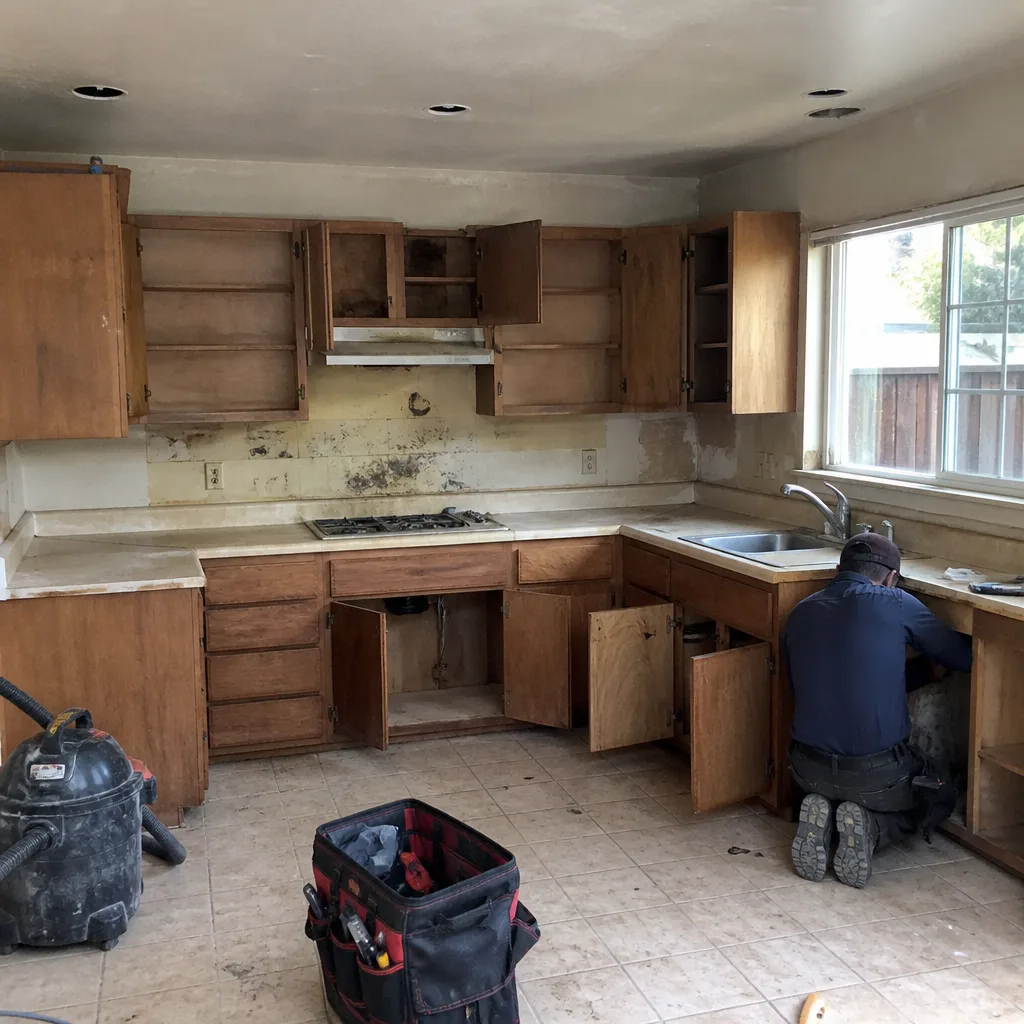 Before
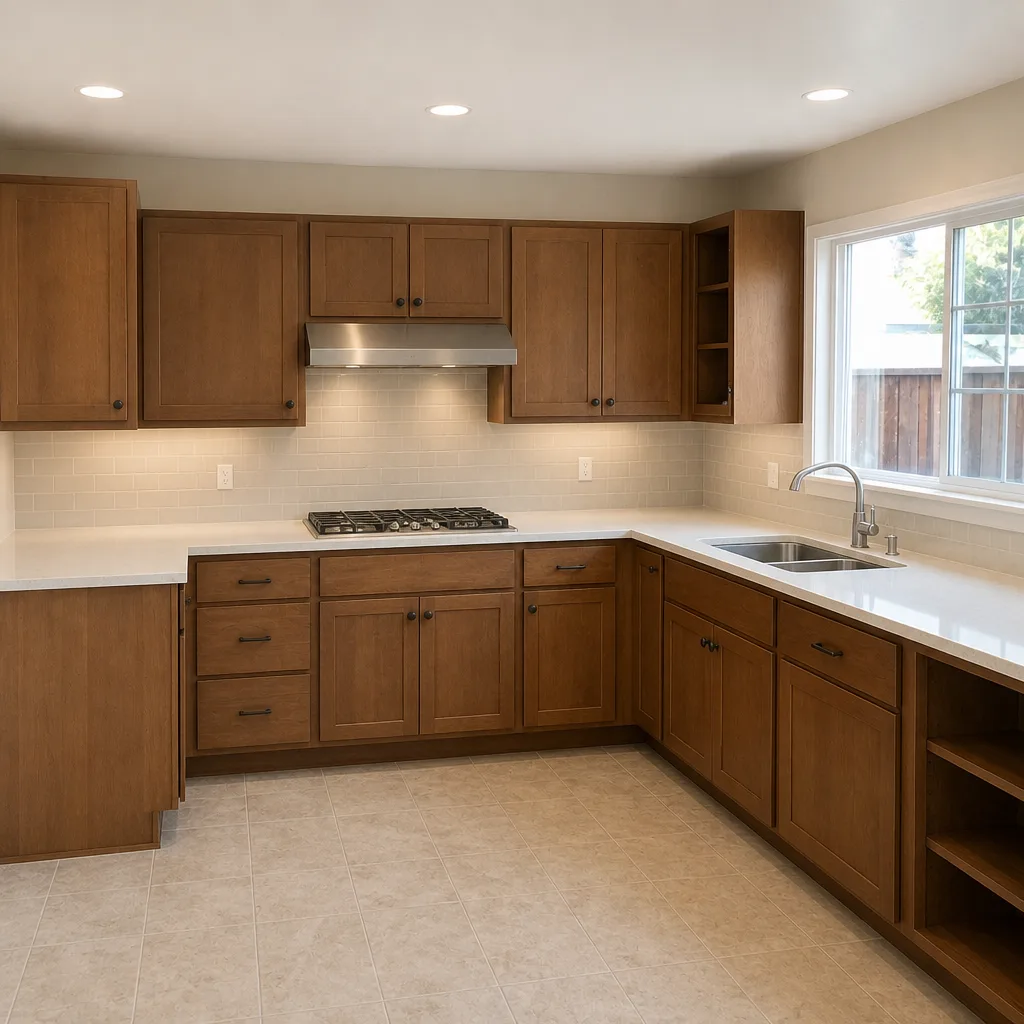 After
Frequently Asked Questions

A kitchen remodel in Santa Clara typically runs $28,000 – $78,000, with the number driven by whether walls move, which cabinet line you choose (a stock line versus a semi-custom line like KraftMaid can differ by $8,000 – $15,000), and the countertop material. A basic refresh with stock cabinets and quartz countertops sits near the low end. A layout change with semi-custom cabinets, Caesarstone or Silestone quartz, and new flooring pushes toward the top. Call (833) 400-6838 for an exact written quote: estimates are free.
Yes, in nearly every case that involves structural, electrical, plumbing, or HVAC work, and Santa Clara requires permits through either the City of Santa Clara or Santa Clara County depending on whether your property is inside city limits or in unincorporated county territory. The permit office with jurisdiction depends on your parcel, and getting it wrong delays the project. A licensed contractor pulls the permit in their name and schedules inspections before any covered work proceeds. Call (833) 400-6838 to verify which jurisdiction your property falls under: estimates are free.
Usually yes for a bathroom or kitchen remodel, but it depends on scope. A single bathroom remodel is livable if you have a second bathroom and the crew can isolate dust with plastic sheeting and a negative-air machine. A kitchen remodel that takes the only kitchen offline for several weeks usually pushes homeowners toward a temporary setup. Whole-home remodels almost always require moving out. Plan the conversation up front so the schedule accommodates the disruption. Call (833) 400-6838 to talk through the logistics of your Santa Clara project.
It shouldn’t, if the contractor gave you a written scope and a fixed price before demolition. A verbal estimate is where change orders appear after walls open. A written scope enumerates the inclusions, exclusions, and brand lines so the number on day one is the number on the invoice. Hidden conditions (unexpected rot, code violations found behind a wall) get documented and the homeowner is notified before any additional work proceeds. Call (833) 400-6838 for a written price with no change orders: estimates are free.
Not on every home, but pre-1980 housing stock in Santa Clara near the Hayward Fault often needs seismic detailing when structural work triggers current code review. Common retrofit items are mudsill bolting, cripple wall bracing, water heater strapping, and chimney reinforcement. A cosmetic remodel generally doesn’t trigger it; a room addition or foundation repair typically does. Budget retrofit as a line item on structural projects. Call (833) 400-6838 to find out what your Santa Clara home needs: estimates are free.
A bathroom remodel in Santa Clara usually runs three to six weeks from demo to final inspection; a kitchen remodel runs six to twelve weeks; a whole-home remodel runs four to nine months depending on scope and permit timing. The biggest schedule variable is permit review at the City of Santa Clara or Santa Clara County office, which can add two to five weeks depending on the project type and current queue. Get the schedule in writing alongside the price. Call (833) 400-6838 to talk through your Santa Clara timeline: estimates are free.
The Bottom Line
Construction in Santa Clara is not generic Bay Area construction, and the homeowners who do best treat it that way. Clay soil drives foundation and subfloor decisions. The Hayward Fault drives seismic retrofit requirements on pre-1980 homes. Two separate permit offices (city and county) drive project timing. Silicon Valley labor premiums drive the budget. And the single document that keeps any of that from surprising you mid-project is a written scope and fixed price before demolition. Whether you’re planning a bathroom refresh, a kitchen overhaul, or a whole-home remodel, our bathroom remodeling in Santa Clara and kitchen remodeling in Santa Clara teams price every job in writing. You can start with our Penhallow Remodeling Santa Clara home page, and ease into the deeper material through our Santa Clara kitchen remodel guide when you’re ready.
Contact

Ready to put a real number on your Santa Clara project? Call (833) 400-6838 for a free estimate. A live person answers around the clock, no voicemail maze. Every job gets a written price before any work starts, a real arrival window, uniformed background-checked technicians, and the 365-Day Done Right Promise in writing. If a repair fails inside the guarantee period, we come back and fix it at no charge. Free estimates, no change orders, real answers on the phone.
Written by the team at Penhallow Remodeling Santa Clara.