Last updated November 17, 2026





Free written scope consultation - allowances, timeline, and change-order rules on paper before a single trade is scheduled
DIY vs Professional Kitchen Remodeling: What’s Safe to Do Yourself
Painting your own cabinets is smart. Rerouting your own gas line to move the range is a code violation that will surface at your home inspection the day you sell. The line between those two jobs isn’t about confidence or YouTube tutorials – it’s about what California licenses, what Santa Clara permits, and which mistakes cost you more downstream than the job ever saved. In this guide, we’ll separate the work a capable homeowner can do safely from the work that carries hidden costs at resale, walk through permitting in Santa Clara, and show you how a hybrid project keeps the savings without inheriting the risk.
Quick Answer
Safe DIY kitchen work includes demolition, cabinet painting, hardware swaps, and backsplash tile over sound existing substrate. Electrical panel work, gas line changes, rough plumbing, and any load-bearing structural change require licensed trades in California. The real question isn’t whether you’re capable – it’s whether the job carries permit and resale consequences you can’t undo. If it does, that “savings” becomes a liability you hand to the next buyer.
Styles & brands we work with
- Kitchen remodeling
- Bathroom remodeling
- Home additions & ADU
- Roofing
- Windows & doors
- Driveway & pavers
- Fence
Table of Contents
- The Two-Column Test: Safe DIY vs. Licensed Work
- Permits and Inspections in Santa Clara: What Unpermitted Work Really Costs
- The Demo Decision: “I’ll Save Money by Tearing It Out Myself”
- What a Hybrid Project Actually Looks Like
- Getting a Written Quote for Just the Licensed Portions
- Why the Full Scope Belongs in Writing, Even on Mixed Jobs
- Common Mistakes to Avoid
- When to Call a Professional
The Two-Column Test: Safe DIY vs. Licensed Work
The simplest way to sort your kitchen project is to ask two questions about each task: does California require a licensed trade for this, and does it require a permit? If the answer to both is no, and the task doesn’t touch anything structural, you can do it yourself safely. Everything else needs a licensed professional, and some of it needs a permit whether a pro or a homeowner does it.
Here’s how that splits on a typical kitchen in Santa Clara.
Legal, safe, and cost-effective for a capable DIYer
- Demolition – removing old cabinets, countertops, backsplash, and flooring.
- Painting cabinets and walls – the single biggest DIY savings on most remodels.
- Hardware swaps – knobs, pulls, hinges, drawer slides sized to your existing cabinet line.
- Backsplash tile over sound existing substrate, using a modified thinset that suits the tile.
- Painting trim, doors, and ceilings after the rough-in trades have finished.
- Hauling and disposal – dumpsters, recycling old appliances, moving debris.
Requires a licensed trade in California
- Electrical panel work – adding circuits for a new range hood, dishwasher, or under-cabinet lighting.
- Gas line work – moving a range, relocating a gas cooktop, or tying in a new line.
- Rough plumbing – moving a sink, relocating a dishwasher drain, or adding a pot filler.
- Load-bearing structural changes – opening a wall, moving a header, cutting into a beam.
- New dedicated circuits – a circuit for a double oven or a new island outlet.
- Anything requiring a permit as a condition of inspection – which, in Santa Clara, is most of the list above.
The right column isn’t negotiable. Unlicensed gas and electrical work isn’t a gray area in California, and load-bearing changes without engineering can crack a ceiling or worse. These tasks don’t just risk fines – they risk the value of your home. When you’re ready for the licensed side, our Kitchen Remodeling in Santa Clara page lays out the full scope.
Permits and Inspections in Santa Clara: What Unpermitted Work Really Costs
Here’s the part most DIY guides skip. A permit isn’t a tax on your project – it’s the record that a licensed professional did the work in a way the city will recognize when you sell. Labor and materials are the visible cost of a kitchen. The hidden cost of unpermitted work is the day a buyer’s inspector finds an unrecorded electrical panel change or a gas line with no paper trail.
In Santa Clara specifically, we’ve seen unpermitted work stall or kill sales. The scenarios are consistent:
- A buyer’s inspector flags a new circuit at the panel with no permit – the seller has to pull a retro permit and pass inspection before closing, sometimes on a timeline that forces a price cut.
- A gas line moved during a DIY project without a permit – the utility won’t certify the connection, and the closing falls through.
- A load-bearing change with no engineering letter – structural review can add months and cost more than the original job.
The fix isn’t complicated. For any kitchen task that touches electrical, gas, plumbing rough-in, or structure, the permit belongs with the licensed trade who does the work, and the inspection record follows the project. If you’re building a hybrid project and want the licensed pieces pulled and inspected properly, our General Contractor in Santa Clara page covers how we structure it.
The Demo Decision: “I’ll Save Money by Tearing It Out Myself”
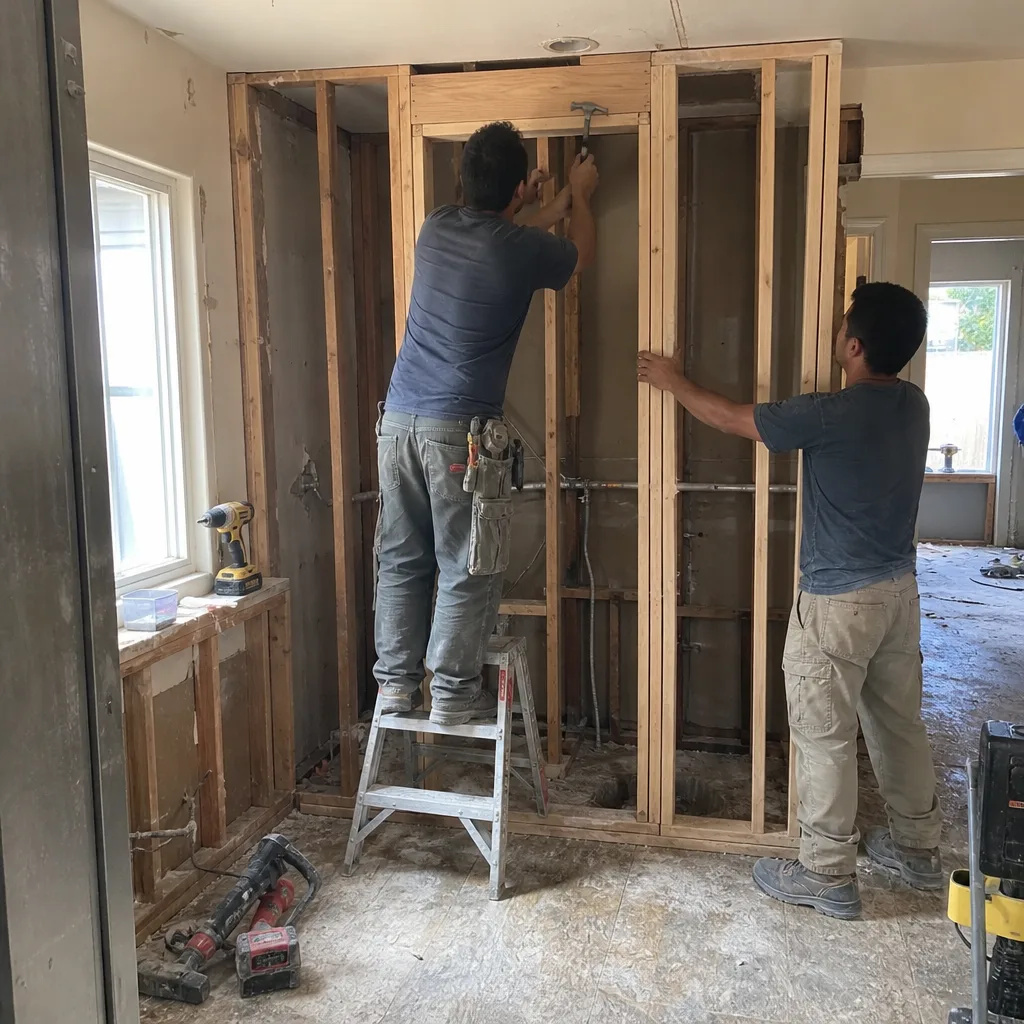
Demolition is genuinely the best DIY savings on a kitchen. It’s also where homeowners get hurt, because demo means opening walls – and you don’t know what’s in those walls until you do. In Santa Clara’s older homes, that’s not a hypothetical.
Before you swing a hammer, confirm these things:
- Age of the home. Homes built before 1980 may contain asbestos in joint compound, vinyl flooring adhesive, or older backer board. If yours falls in that window, have a sample tested before demo, not after.
- Live circuits. Shut the kitchen circuit at the panel and confirm with a non-contact tester. Old kitchens often have a shared circuit feeding a light that isn’t obvious.
- Gas shutoff. If you’re removing a gas range or cooktop, the gas line needs to be capped by a licensed professional after shutoff – not by you.
- What’s behind the drywall. A wall you expect to be empty may hide a water supply, a drain, a duct, or a floor joist. In older Santa Clara homes we regularly find bisected studs and handyman plumbing in the cavity.
The right sequence for a safe demo: shut off utilities, confirm with a licensed professional that gas is capped, then remove finishes. Stop at rough-in. Demolition through a wall, into a stud cavity, or anywhere near a gas or electrical source isn’t demo – it’s rough work, and it belongs to the trades.
What a Hybrid Project Actually Looks Like
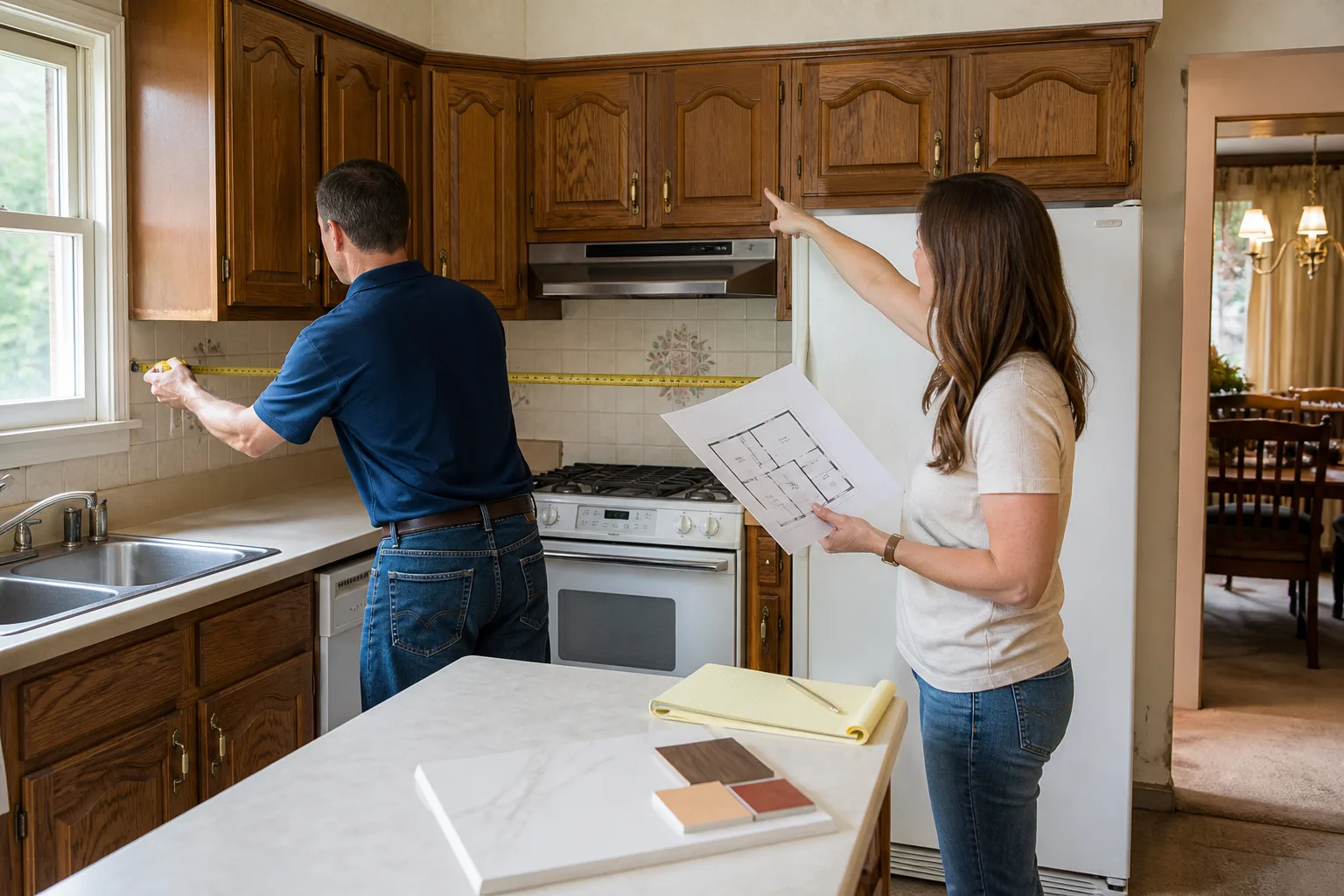
Most homeowners who do the math land on a hybrid: they handle demo and painting, a licensed crew handles the licensed pieces. It’s the best cost-to-risk outcome on a lot of kitchens. Here’s how that plays out on a standard Santa Clara remodel.
Homeowner does:
- Demolition after utilities are verified off.
- Cabinet painting, trim painting, wall painting.
- Hardware swap to the new pulls and hinges.
- Debris hauling and dumpster coordination.
Licensed crew does:
- Rough electrical – new circuits for the range hood, dishwasher, and any under-cabinet lighting.
- Rough plumbing – relocating the sink, drain, and dishwasher tie-in.
- Gas line work – capping, relocating, or tying in the range, done by a licensed professional.
- Cabinet installation, countertop template and install, and final plumbing and electrical trim.
- Permitted work pulled and inspected.
The line between the two columns should be drawn before demo, in writing, because that line is what protects the warranty. Materials matter as much as labor here. On the licensed side we install KraftMaid and Wellborn cabinetry, Cambria and Silestone countertops, and Kohler and Moen fixtures – brands that carry their own warranties alongside ours, so the guarantee on the work has real backing. That layering is the difference between a warranty you can point to and a handshake.
Getting a Written Quote for Just the Licensed Portions
Homeowners sometimes assume a contractor won’t itemize a partial job. In our experience, that assumption gets a verbal ballpark at best – and that’s exactly the problem. A written price for the licensed scope is what stops the number from moving on demo day. Here’s how to get it, in order.
- Write down your two scopes. One list for what you’ll do, one list for what you’re hiring out. Be specific: “rough electrical for range hood, dishwasher, under-cabinet lighting” is clearer than “electrical.”
- Ask for a line-item written quote, not a lump sum. You want to see the number attached to each task, not a rounded total that grows at the door.
- Confirm what’s included in the price. Permits, inspection, hauling, and material sourcing should be named, not assumed.
- Ask how change orders work. A written change order should be signed before work is added, and no line on the invoice should be a surprise.
- Get the warranty in writing. What’s covered, for how long, and what happens if something fails.
For context on what the licensed scope typically runs, a full kitchen remodel in Santa Clara generally lands between $18,000 and $55,000 depending on layout changes, cabinet line, and countertop material. A partial scope – rough-in and install only – is a fraction of that, and a written line-item quote is what makes the fraction legible. If you’re planning a larger remodel, the Penhallow Remodeling Santa Clara home page has the broader picture.
Why the Full Scope Belongs in Writing, Even on Mixed Jobs
Here’s an argument you won’t hear often: even if you’re doing half the work, get the whole scope in writing. Not so the contractor can claim your half – so the warranty lines are clear.
When a mixed job fails, the first question is who owns which piece. If the cabinet failed because the wall wasn’t plumb and the painter was the one who prepped it, whose problem is that? The answer is a document. A scope in writing, with named accountability for each stage, is what makes a warranty resolution fast instead of a phone argument. That’s why we put the full scope – including the homeowner’s portion – in writing on a hybrid project. It’s not about protecting the quote. It’s about protecting the guarantee.
Our standard is the same on every job: a written price before work starts, a real arrival window, and a 365-Day Done Right Promise behind the work. If something we installed fails inside that window, we come back and make it right at no charge. The scope document is what lets that promise cover a mixed project without fighting over lines.
Common Mistakes to Avoid
- Tearing into walls without testing for asbestos. Santa Clara has a lot of mid-century housing stock, and pre-1980 joint compound and flooring adhesive sometimes contain asbestos. Test before you swing, not after.
- Touching gas or electrical because “it’s just a swap.” Moving a range or adding a circuit is licensed work in California. The $400 you save doesn’t cover the resale problem.
- Assuming the old layout is plumb and level. Old kitchens rarely are, and a cabinet install over an unleveled wall creates doors that don’t close for years. That’s why install is a licensed-trade step, not a homeowner step.
- Buying cabinets before the layout is confirmed. Swapping cabinet lines after a written quote often moves the number by thousands, and change orders add up.
- Letting a verbal ballpark become the budget. A verbal estimate is fine for a rough range, not for planning. Only a written line-item price should enter your budget.
- Doing permitted work without a permit and hoping no one notices. Santa Clara inspectors aren’t the only ones looking – the buyer’s inspector is, too.
- Skipping the written guarantee. “We stand behind our work” is a courtesy. “Written guarantee on every job, 365 days” is a contract.
When to Call a Professional
Call a licensed professional whenever the kitchen touches gas, electrical panel work, rough plumbing, load-bearing structure, or any permit-conditioned task. That means most full remodels, any project moving a range or sink, and any wall you want removed. It’s fine to do demo and painting yourself – the trades don’t know or care who’s painting, and the warranty holds either way. What doesn’t hold is unpermitted electrical or gas work showing up at a buyer’s inspection. If you’re weighing which pieces to hire out, get a written quote for just the licensed scope before demo starts – it’s the only way to know the number on day one is the number at the end.
Penhallow Remodeling Santa Clara offers free estimates in Santa Clara – call (833) 400-6838. A live person answers, day or night, and you’ll get a written price and a written guarantee before any tool comes out of the truck. Getting the licensed pieces done right is the line between a kitchen you love and a kitchen a buyer renegotiates – for a bathroom remodel the same logic applies, and we’ll tell you which line is which.
See the difference
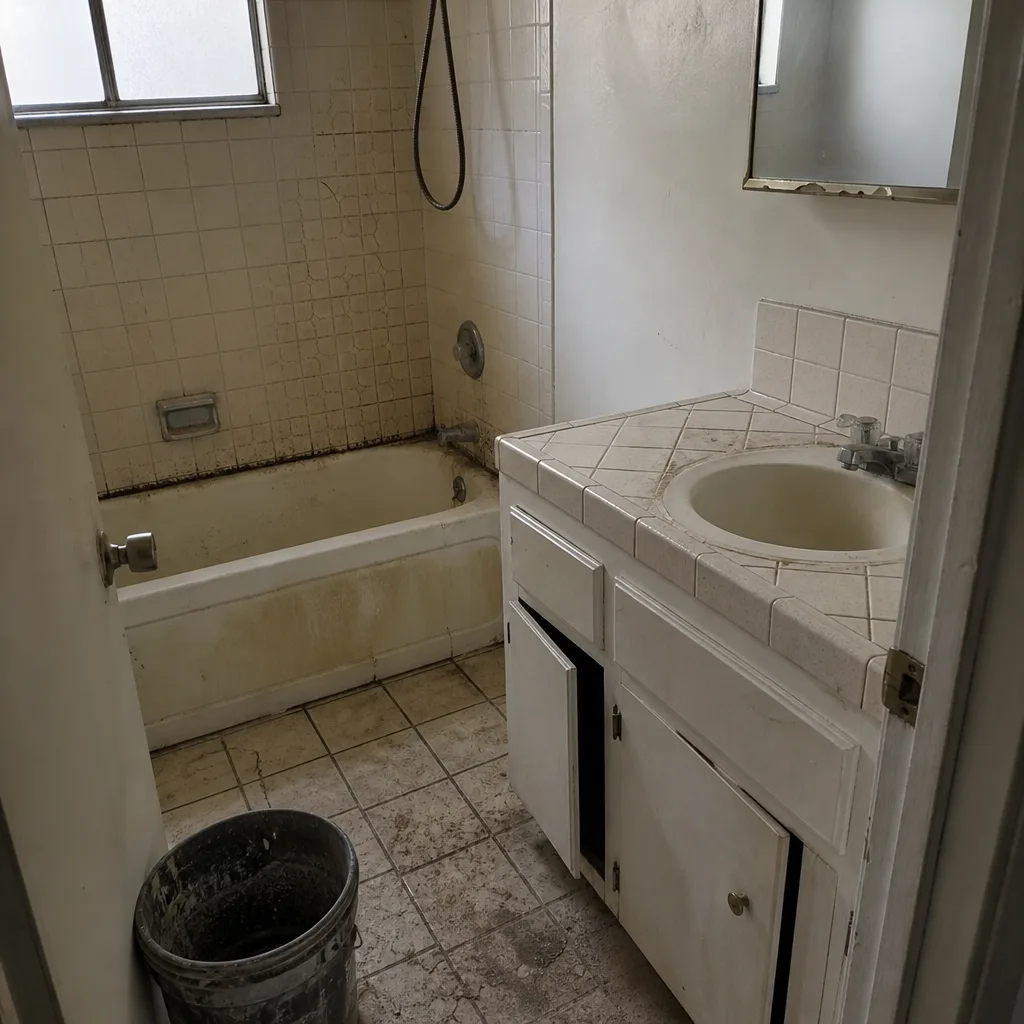 Before
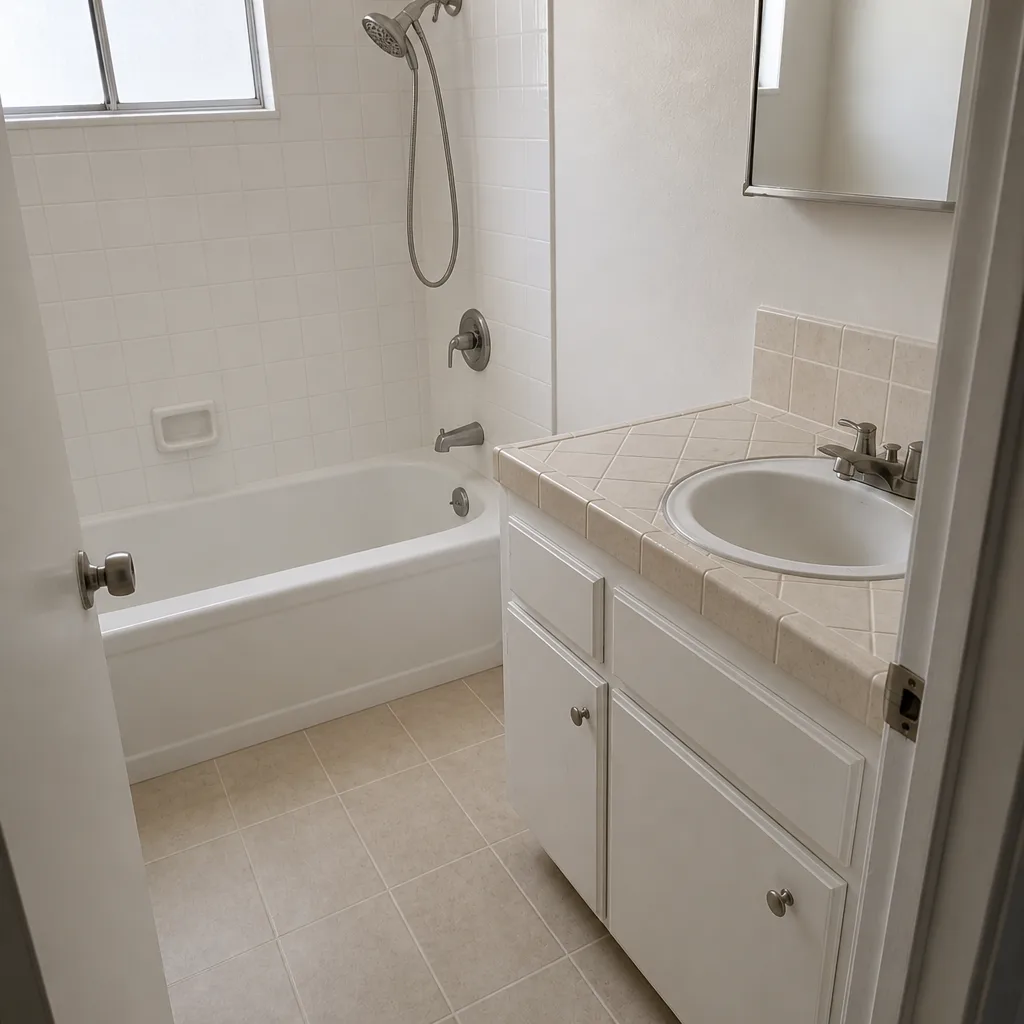 After
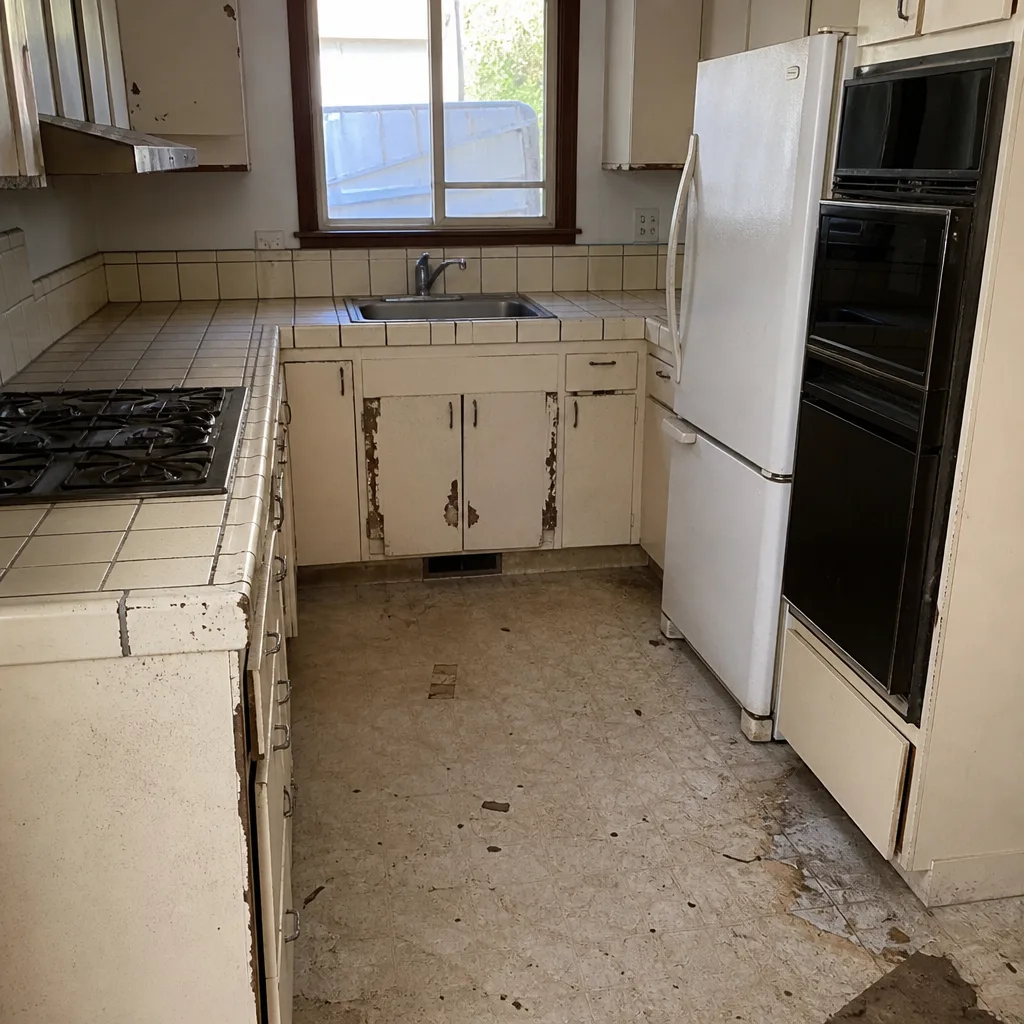 Before
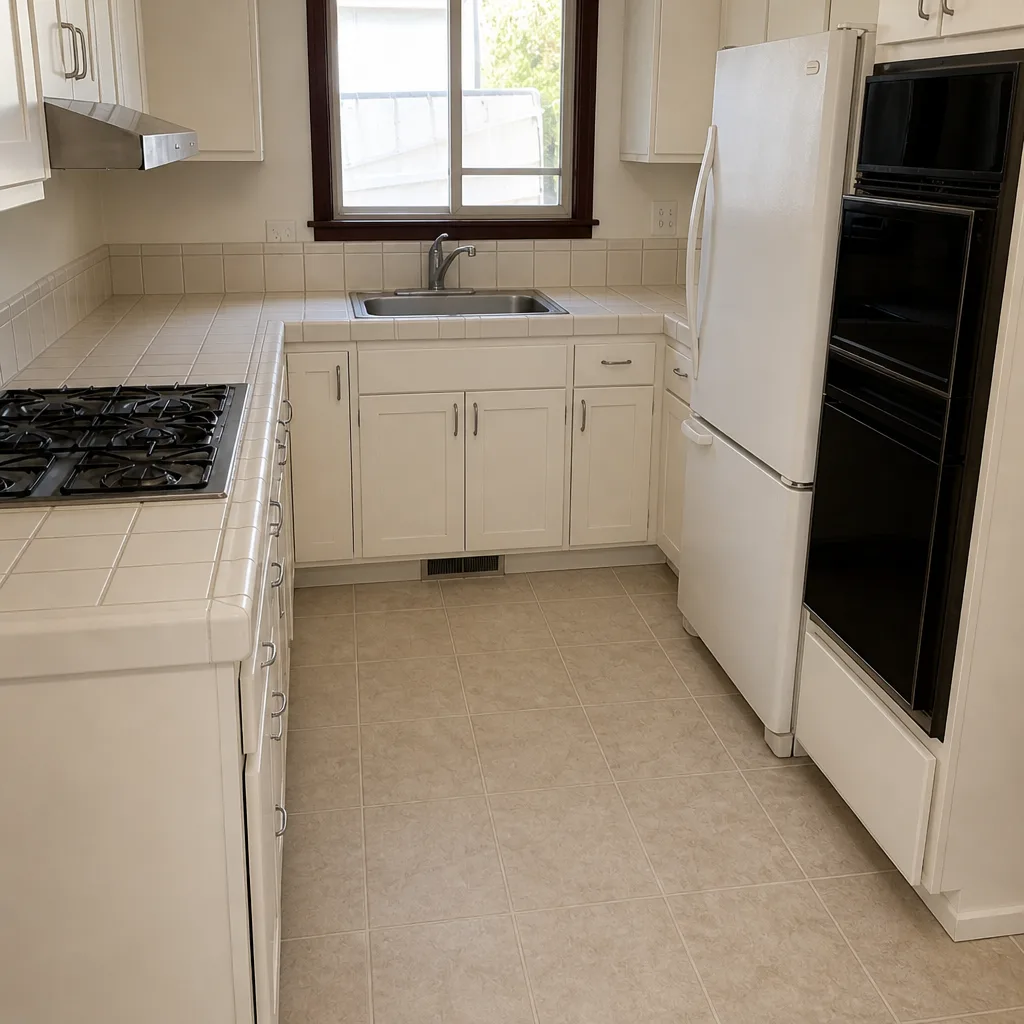 After
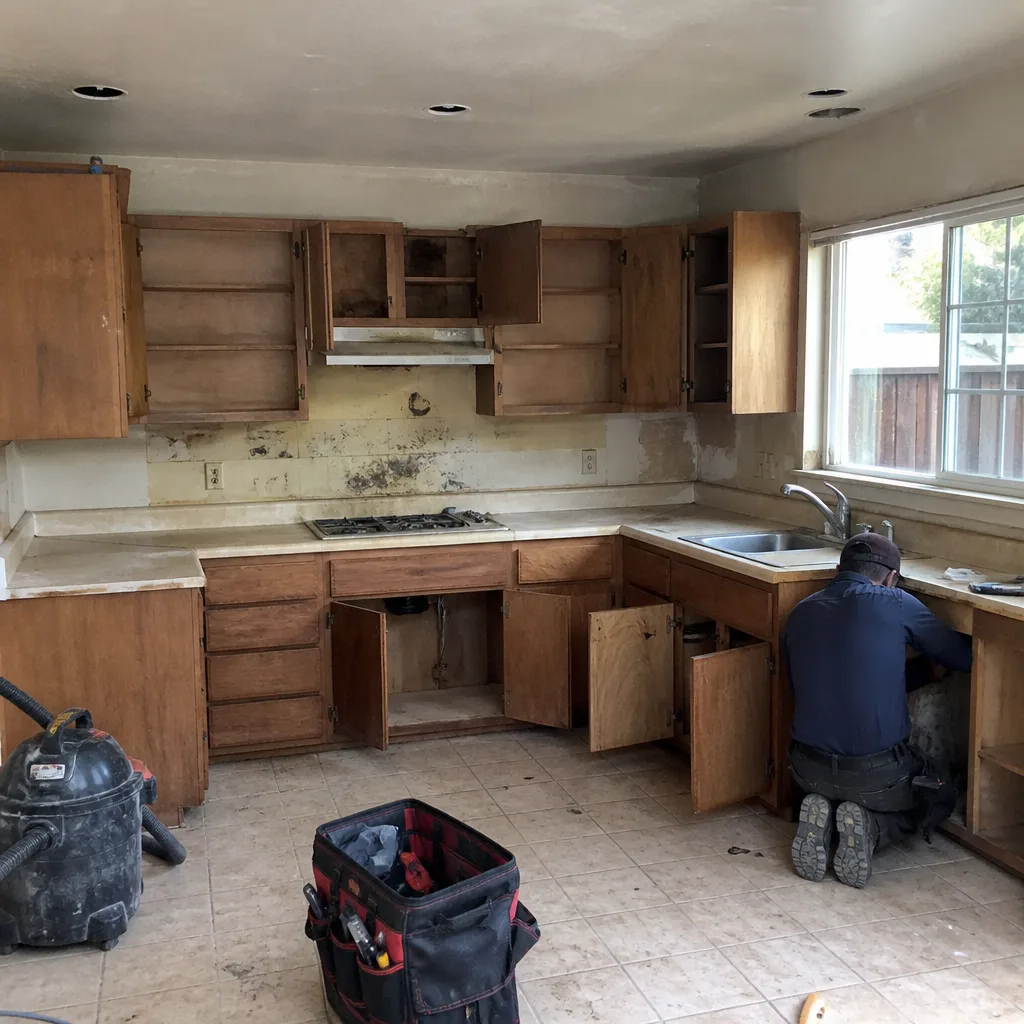 Before
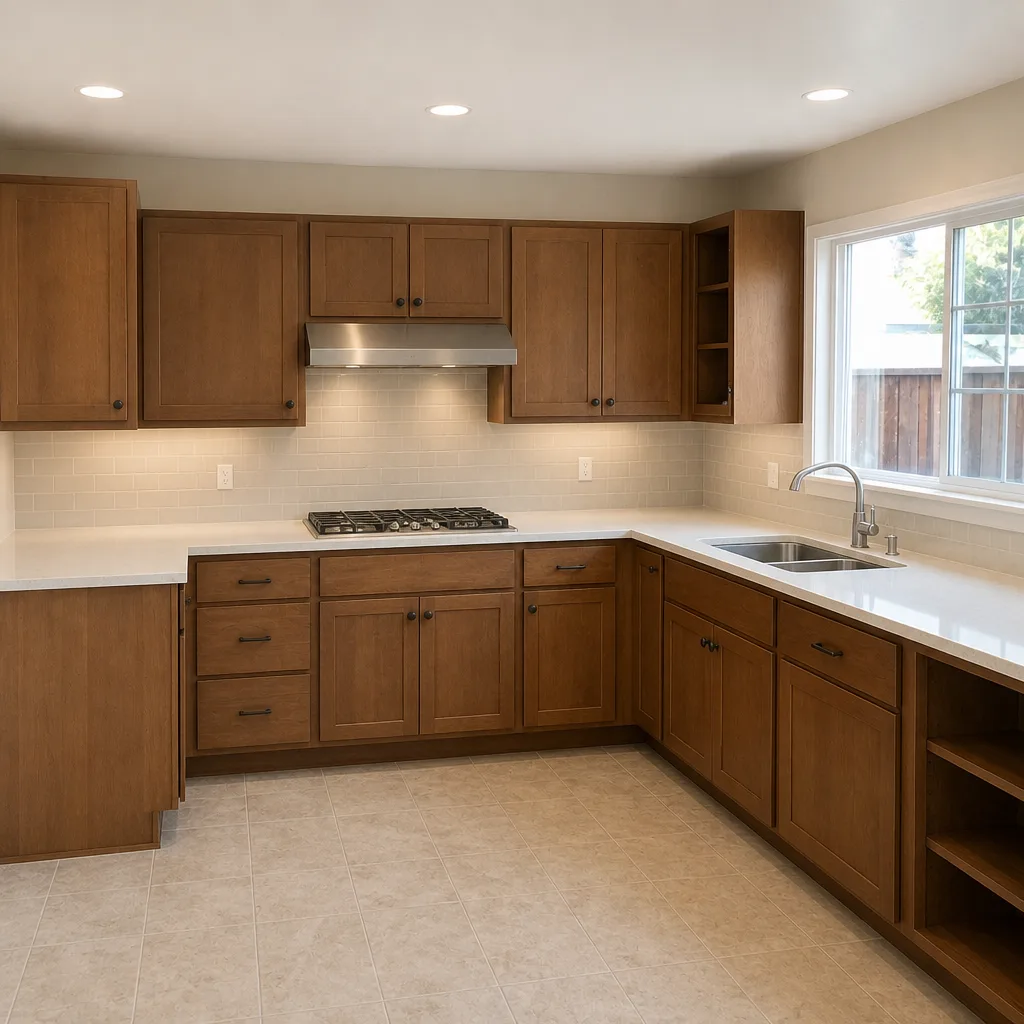 After
Frequently Asked Questions

Yes, demolition is legal and safe for a homeowner in Santa Clara as long as you confirm the gas is shut off and the kitchen circuit is dead, and you stop at the rough-in. Do not cut into studs, gas lines, or electrical wiring during demo. If your home was built before 1980, test for asbestos before you tear into joint compound or flooring.
Electrical panel work, new circuits, gas line work, rough plumbing, and load-bearing structural changes all require a licensed trade in California, and most require a permit. Cabinet installation, countertop installation, and backsplash tile over existing substrate are also best done by a licensed pro if tied to the rough-in scope. Painting, hardware swaps, and demolition are not.
Yes, and it’s not theoretical. In our experience, unpermitted electrical or gas work gets flagged by a buyer’s inspector and forces a retro permit and inspection before closing, sometimes with a price cut. Pull the permit with the licensed trade doing the work, and the inspection record follows the project.
A full kitchen remodel in Santa Clara typically runs $18,000 to $55,000 depending on layout changes, cabinet line, and countertop material. A partial scope – rough electrical, rough plumbing, and installation only – is significantly less, and a written line-item quote is the only way to know the exact number for your project. Call (833) 400-6838 for a free estimate.
Yes, cabinet painting is one of the largest DIY savings on a kitchen remodel and it’s safe to do yourself. Prep is where cabinets fail – degrease, scuff, and prime before the first coat, or the finish will peel within a year. Paint is the one place where a good homeowner job matches a pro job.
Yes, any change to a gas line, including moving or swapping a gas range, requires a licensed professional and typically a permit. Do not cap or reroute a gas line yourself – that’s a licensed trade in California and one of the highest-risk DIY decisions on the list. Call (833) 400-6838 and we’ll walk you through what’s covered.
The Bottom Line
The right question isn’t whether you’re capable of DIY kitchen work – it’s which tasks carry hidden downstream costs. Demo, painting, hardware, and backsplash over sound substrate are safe, legal, and real savings. Gas, electrical panel work, rough plumbing, and load-bearing changes require licensed trades in California, and unpermitted versions of those tasks surface at resale. A hybrid project – you on demo and paint, a licensed crew on the trades – is the best cost-to-risk outcome on most Santa Clara kitchens. Get the full scope in writing, with a written price and a written guarantee before work starts, and the savings are real instead of deferred. Written price before any work starts is the standard, and it’s what makes a hybrid kitchen work.
Written by the team at Penhallow Remodeling Santa Clara.