
Last updated November 17, 2026








Free written scope consultation - allowances, timeline, and change-order rules on paper before a single trade is scheduled
General Contractor Maintenance Checklist for Santa Clara Homeowners
A hairline crack running down the stucco on a 1962 Santa Clara ranch house usually isn’t cosmetic. On the post-war tract homes that fill neighborhoods like Washington Heights and the streets off El Camino, that crack is often the first visible sign of cripple-wall movement, and the typical advice to “just caulk it” hides the problem for another season. Most maintenance checklists floating around online were written for four-season houses in the Midwest, with their freeze-thaw cycles and basement sump pumps. Santa Clara doesn’t work that way. Here you’re dealing with seismic movement, irrigation lines sitting too close to the foundation, wildfire smoke season, and construction methods from the 1950s and 60s that fail in specific, predictable patterns. This guide walks through what actually matters for the houses on your street, season by season, so you know what to check, what to leave to a professional, and what to write down.
Quick Answer
A Santa Clara homeowner should inspect the stucco envelope, foundation perimeter, and irrigation placement every fall before the rains, check the HVAC filter and duct seals before smoke season, and have a licensed contractor perform a written structural and envelope review every two to three years. The biggest local risks aren’t weather extremes – they’re slow soil settlement from irrigation, unreinforced cripple walls in post-war tract homes, and small stucco cracks that let winter water into wall cavities.
Styles & brands we work with
- Kitchen remodeling
- Bathroom remodeling
- Home additions & ADU
- Roofing
- Windows & doors
- Driveway & pavers
- Fence
Table of Contents
- Your Santa Clara Seasonal Maintenance Calendar
- Stucco and Exterior Envelope: Reading the Wet-Winter, Dry-Summer Cycle
- Under the Raised Foundation: What Post-War Santa Clara Homes Hide
- Irrigation and the Foundation: The Santa Clara Settlement Problem
- HVAC, Ducts, and Wildfire Smoke Season
- Written Annual Inspection Reports vs. Verbal Walkthroughs
- Interior Systems: What to Check Inside the House
- Common Mistakes to Avoid
Your Santa Clara Seasonal Maintenance Calendar
Santa Clara runs on two seasons that matter for a house: the dry months from roughly May through October, and the wet window from November through March. That’s a very different rhythm from the four-season calendar most checklists assume, and it changes when you should do what.
Here’s the order we recommend, based on what we see fail and when:
- Early fall (September-October): Walk the entire exterior envelope. Look for new stucco cracks, failed caulk at window and door penetrations, and gaps where the roof meets the wall. This is your last clean window to seal things before rain.
- Before the first rain (late October): Check grading and drainage. Confirm downspouts discharge at least 4 to 6 feet from the foundation. Inspect the irrigation system and dial back or shut off zones close to the house.
- Late winter (February-March): After the heaviest rains, re-walk the exterior. Water finds weaknesses you couldn’t see in October, and small interior stains show up now. Photograph anything new.
- Late spring (April-May): Service the HVAC before smoke season. Replace filters, inspect duct connections in the attic and crawlspace, and clean the condenser.
- Every two to three years: A written structural and envelope inspection, ideally by a licensed general contractor who can put findings and recommended repairs in writing for your records.
That’s the skeleton. The sections below explain each piece, because a checklist you don’t understand is just a list of things to worry about.
Stucco and Exterior Envelope: Reading the Wet-Winter, Dry-Summer Cycle
Santa Clara stucco goes through a hard annual cycle: months of dry, warm weather that shrink and stress the material, followed by rain that pushes water into any gap it can find. Three-wire stucco over wood framing, common on homes built in the 1950s and 60s, handles this reasonably well when it’s intact. What it doesn’t tolerate is a crack that stays open through a wet winter.
Water that gets behind stucco doesn’t announce itself. It wicks into the paper and sheathing, sits there, and shows up months later as a stain on interior drywall or a soft spot near a window. In our experience, most of the interior water damage we repair in Santa Clara homes traces back to an exterior crack that was visible for at least one season before anyone acted on it.
What to check each fall:
- Hairline and larger cracks: Cracks wider than a credit card’s edge (about 1/16 inch) deserve a professional look. Cracks that run diagonally from window or door corners are the ones to flag first.
- Window and door penetrations: Caulk fails every few years in this climate. Check the seal around every opening on the sunny sides of the house first.
- Stucco texture changes: A bulge, a soft spot, or a patch that sounds hollow when tapped can mean water is already behind the surface.
- Roof-to-wall transitions: The flashing where the roof meets a stucco wall is a common leak point. Check it visually each fall and have it inspected if you see staining.
If you’re planning an exterior refresh or a larger envelope repair, the roofing and siding materials matter. Products from CertainTeed and James Hardie are what we specify for Santa Clara projects because they handle the dry-summer, wet-winter pattern without the maintenance demands of older materials.
Under the Raised Foundation: What Post-War Santa Clara Homes Hide
Many of the homes in Santa Clara were built on raised foundations with a crawlspace, which means the structure sitting between the ground and your floor is a frame of posts and walls called cripple walls. In the 1950s and 60s, cripple walls were often built without the bracing or anchor bolting that modern seismic codes require. That’s not a reason to panic, but it is a reason to know what you have.
Here’s what a crawlspace inspection should actually cover, whether you do the visual part yourself or have a contractor or structural specialist look:
- Cripple-wall bracing: Look for plywood sheathing or diagonal bracing on the short walls between the foundation and the floor. If the wall is bare studs with no bracing, it’s a candidate for a seismic retrofit.
- Anchor bolts: The sill plate should be bolted to the foundation, not just nailed. Absence of bolts is common in older Santa Clara homes and is a standard retrofit item.
- Post bases and piers: Look for posts that sit directly on concrete without a metal base, and for piers that have shifted or cracked.
- Water and pest evidence: Staining on the subfloor or joists, and any sign of termites or dry rot, should be documented and addressed.
This is a genuinely dangerous component. Cripple-wall and foundation work involves structural loads, and getting it wrong can make a house less safe. We don’t recommend any homeowner crawl under and start bolting or bracing without a licensed professional. A written inspection report from a qualified contractor gives you a clear picture of what’s there and what needs attention, which is exactly the kind of documentation you want when you eventually sell.
If the inspection turns up a broader need – foundation work feeding into a remodel – start with the General Contractor in Santa Clara page to understand how we scope projects that begin with structural repairs.
Irrigation and the Foundation: The Santa Clara Settlement Problem
One of the most common and most preventable foundation problems in Santa Clara comes from an irrigation head planted 18 inches from the house. Consistent watering in one spot softens and moves the soil under the foundation, while the other side of the house stays dry. The result is uneven settlement, and uneven settlement shows up as cracks in the interior drywall, doors that stick, and stucco cracks that keep coming back.
What to do before each irrigation season:
- Walk the perimeter: Confirm no sprinkler head sprays within about 3 feet of the foundation. Move heads or cap the zones nearest the house.
- Watch for pooling: Any spot where water stands against the foundation for more than a few hours after watering is a problem. Fix the grading so water drains away.
- Check the drip lines: Drip irrigation running along a foundation wall for a mature hedge is one of the most common culprits we see on Santa Clara lots.
- Look at the soil: Soil that’s visibly damp against the foundation while the yard is dry elsewhere is a sign the foundation is getting uneven moisture.
Once settlement has started, it doesn’t reverse by adjusting the sprinklers. But you can keep it from getting worse, and getting it checked early is far less costly than repairing the interior damage that follows.
HVAC, Ducts, and Wildfire Smoke Season
Santa Clara’s wildfire smoke season has become a real maintenance driver. Smoke from regional fires can push particulate levels up for weeks at a time, and a house with a standard filter and leaky duct connections pulls that smoke in through the return and leaks in the attic. This is one of the areas where the Bay Area’s changing climate has quietly rewritten the old maintenance advice.
Here’s how we’d set the intervals:
- Filter changes: Every one to three months during smoke season if you run the system with windows closed. Use a filter rated MERV 11 or higher for smoke, but check with a technician before going above MERV 13, since some systems can’t handle the airflow restriction.
- Duct inspection: Check duct connections in the attic and crawlspace once a year, ideally in spring. Loose joints or disconnected runs pull attic air (and smoke) directly into the living space.
- Condenser cleaning: Rinse the outdoor condenser coil each spring before the cooling season. In Santa Clara’s dry summer, dust builds up fast.
- Return-air path: Confirm the return grille isn’t blocked and that the filter is actually sealing at the edges. A filter that doesn’t fit well lets smoke around it.
If you’re adding a room or remodeling a section of the house, duct sizing and return placement are worth getting right the first time, which is one reason we plan mechanicals alongside the Kitchen Remodeling in Santa Clara scope when a kitchen is part of the project.
Written Annual Inspection Reports vs. Verbal Walkthroughs
A verbal walkthrough gives you a memory of a conversation. A written report gives you a record you can keep, hand to an insurance adjuster, and show a buyer’s agent when you sell. That difference matters far more in Santa Clara than most homeowners realize, because the local housing stock is old enough that documentation of condition and maintenance history has real financial weight.
Here’s what a written inspection report should include:
- Date and a description of what was inspected (envelope, foundation, attic, mechanicals)
- Photographs of any issue found, with the location clearly noted
- A plain-language description of each finding and why it matters
- Recommended repairs, with a written price if the contractor is doing the work
- What was inspected and found to be in good condition – this matters for resale
The difference in practice: a verbal “looks fine, keep an eye on the crack” gives you nothing six months later when you’re putting the house on the market. A written report with a dated photo of that crack is a documented maintenance record. Homeowners insurance claims also go more smoothly when you can show the condition at a known date.
If you’re considering a larger project, the same principle applies to the estimate itself. Penhallow remodeling projects always start with a written price before any work begins, backed by the 365-Day Done Right Promise. If something fails within that year, we come back and make it right at no charge.
Interior Systems: What to Check Inside the House
Most of the structural risks show up outside, but interior systems drive a lot of the repair bills we see in Santa Clara. A few checks twice a year head off most of them:
- Water heater: Check for corrosion at the connections and test the pressure relief valve. Replace the sacrificial anode roughly every four to five years. Older tanks in Santa Clara homes often sit in a closet without a pan or drain line, which means a failure turns into a floor repair.
- Under-sink plumbing: Look for corrosion on the supply lines and any sign of a slow drip. Braided stainless lines fail less than old rubber ones. Fixtures from Kohler and Moen last well when installed correctly, and the connections around them are where we find problems.
- Toilet flanges and caulk: A failing wax ring under a toilet lets water into the subfloor silently. If you see a soft floor around a toilet, have it looked at before it spreads.
- Attic after any roof work: Check for staining and proper ventilation. Poor ventilation in a Santa Clara attic shortens the life of the roof deck.
Bathrooms are where interior maintenance issues turn into remodels most often. If you see repeated caulk failures at the shower or a soft subfloor, the Bathroom Remodeling in Santa Clara page covers what a proper rebuild looks like, including the cement board substrate (the moisture-resistant layer behind your tile) that separates a long-lived shower from a repeat problem.
Common Mistakes to Avoid
- Caulking over a stucco crack and calling it fixed. Caulk on a crack that’s moving because of cripple-wall or settlement issues hides the problem. Have a contractor look at any crack wider than 1/16 inch before your next fall.
- Watering the foundation on purpose in dry weather. Some older advice suggests keeping soil damp to “stabilize” a foundation. In Santa Clara, that usually makes settlement worse. Manage moisture evenly and keep water away from the house.
- Running irrigation at full strength along the perimeter. This is the single most common cause of the settlement cracks we see in Santa Clara homes. Move heads away from the foundation and cap zones nearest the wall.
- Skipping the HVAC filter during smoke season. A month-old filter during a bad smoke week can load up and stop protecting anyone. Check it monthly from July through October.
- Treating a verbal walkthrough as an inspection. If it isn’t written down with photos and dates, it doesn’t exist when you need it for insurance or resale.
- Ignoring doors that stick or gaps that appear. These are often the first sign that settlement is moving. Note when they started and have the foundation looked at.
- Using a maintenance checklist built for another climate. Freeze-thaw advice and basement sump checks don’t apply here. What does apply is stucco envelope care, irrigation placement, and crawlspace inspection.
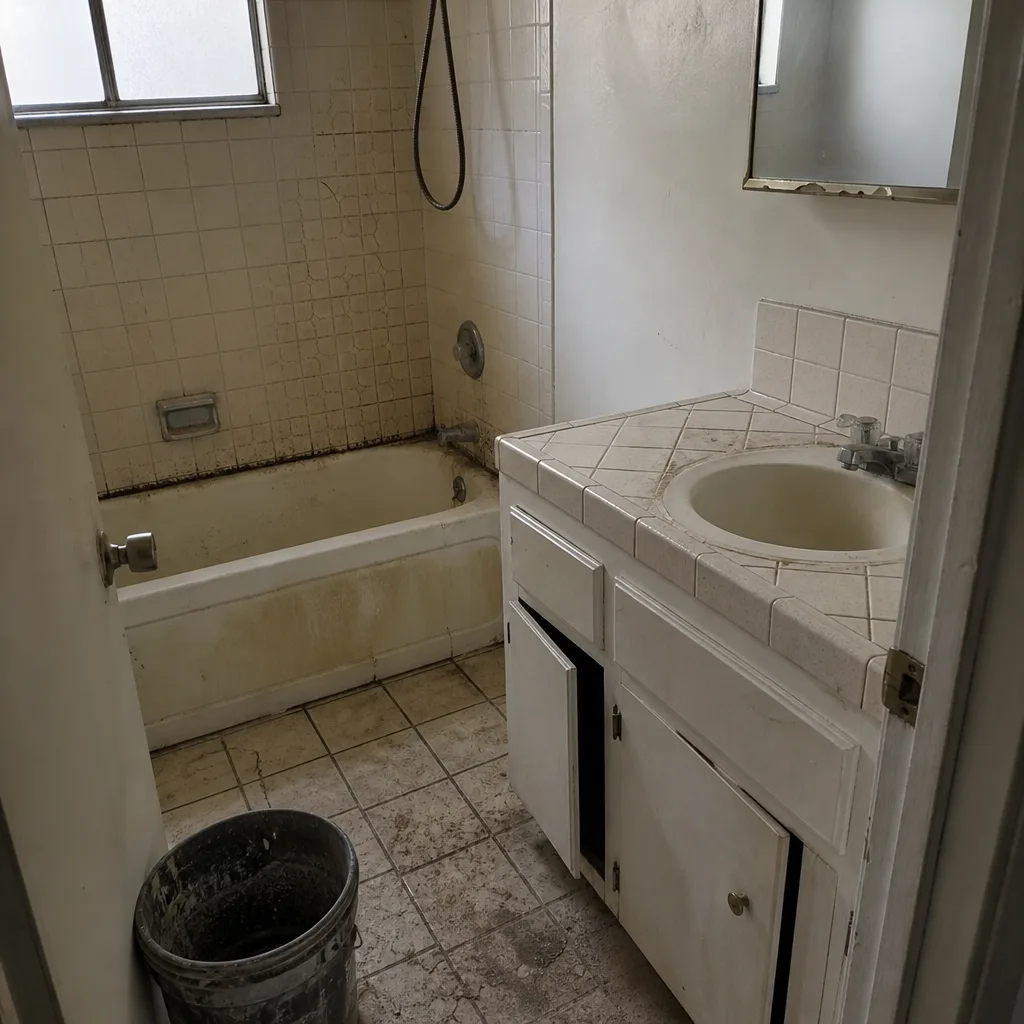
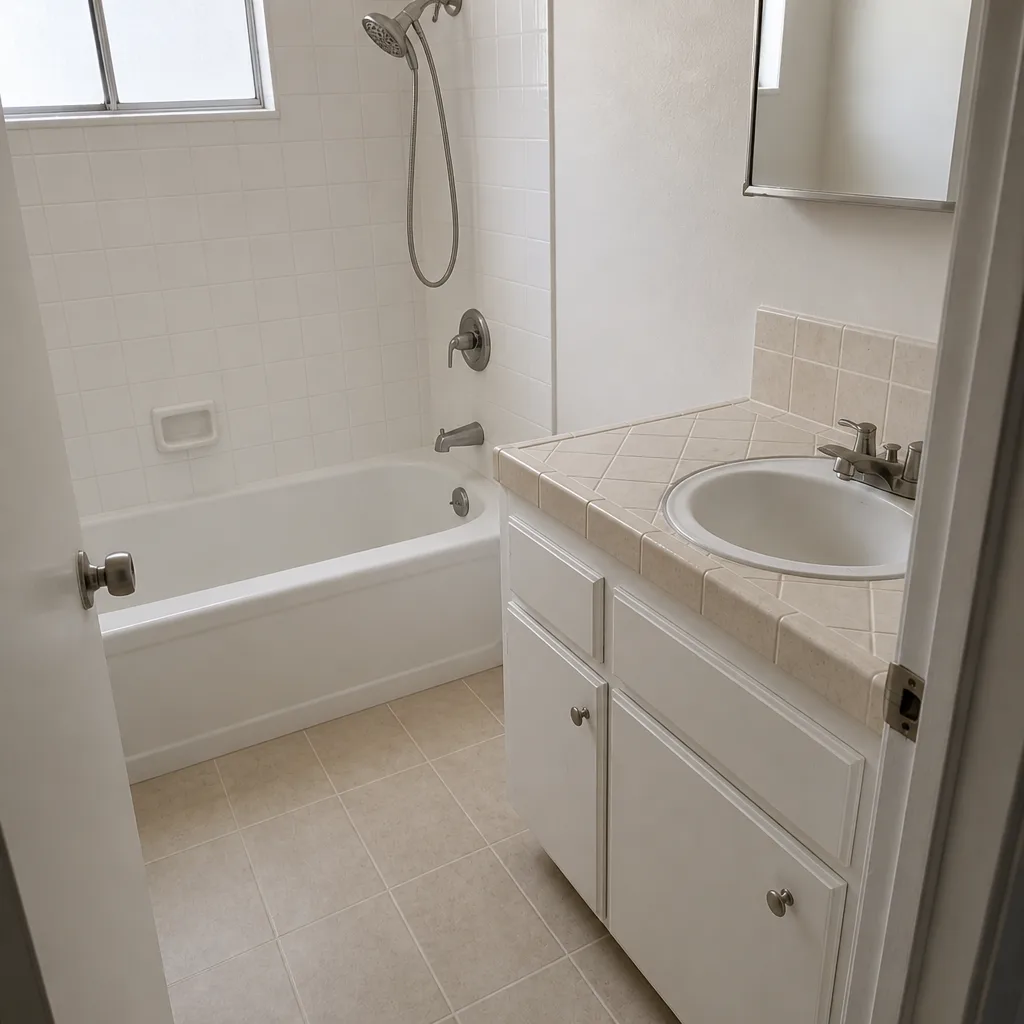
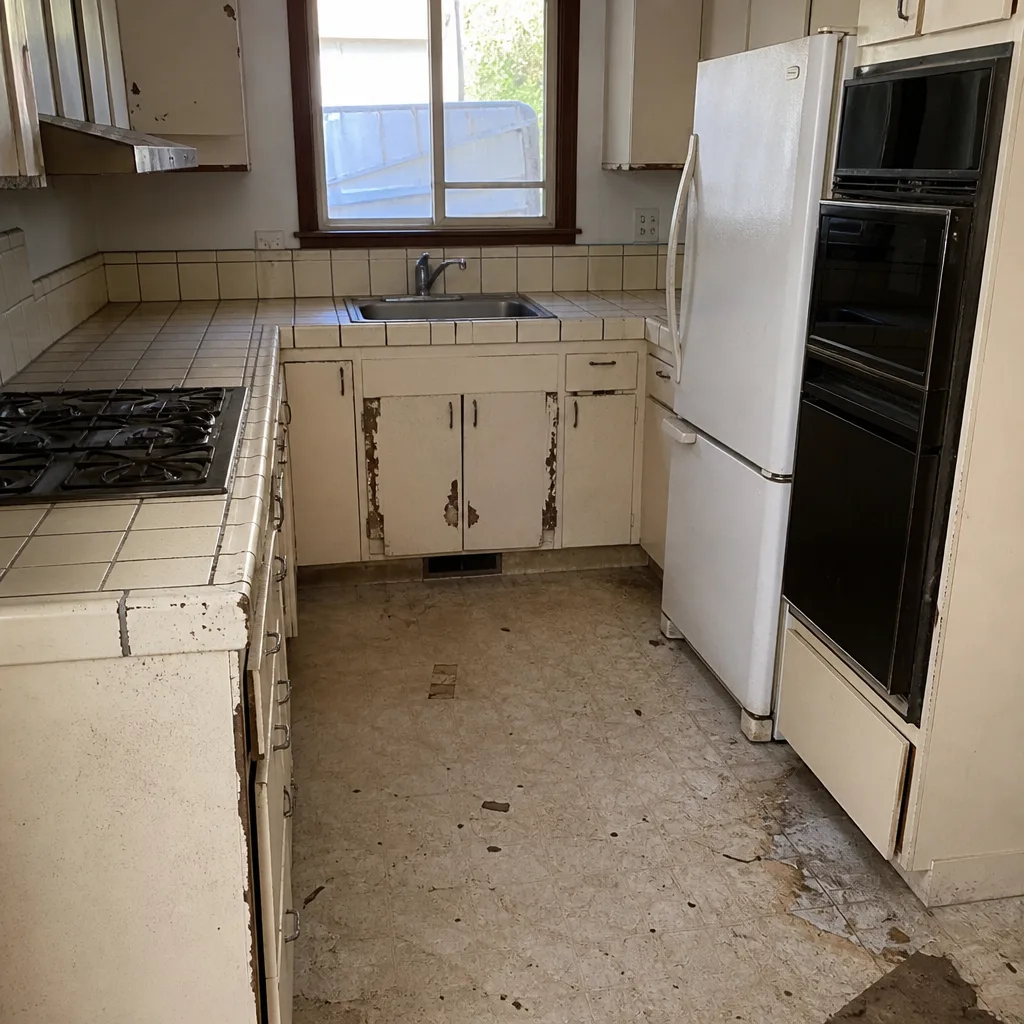
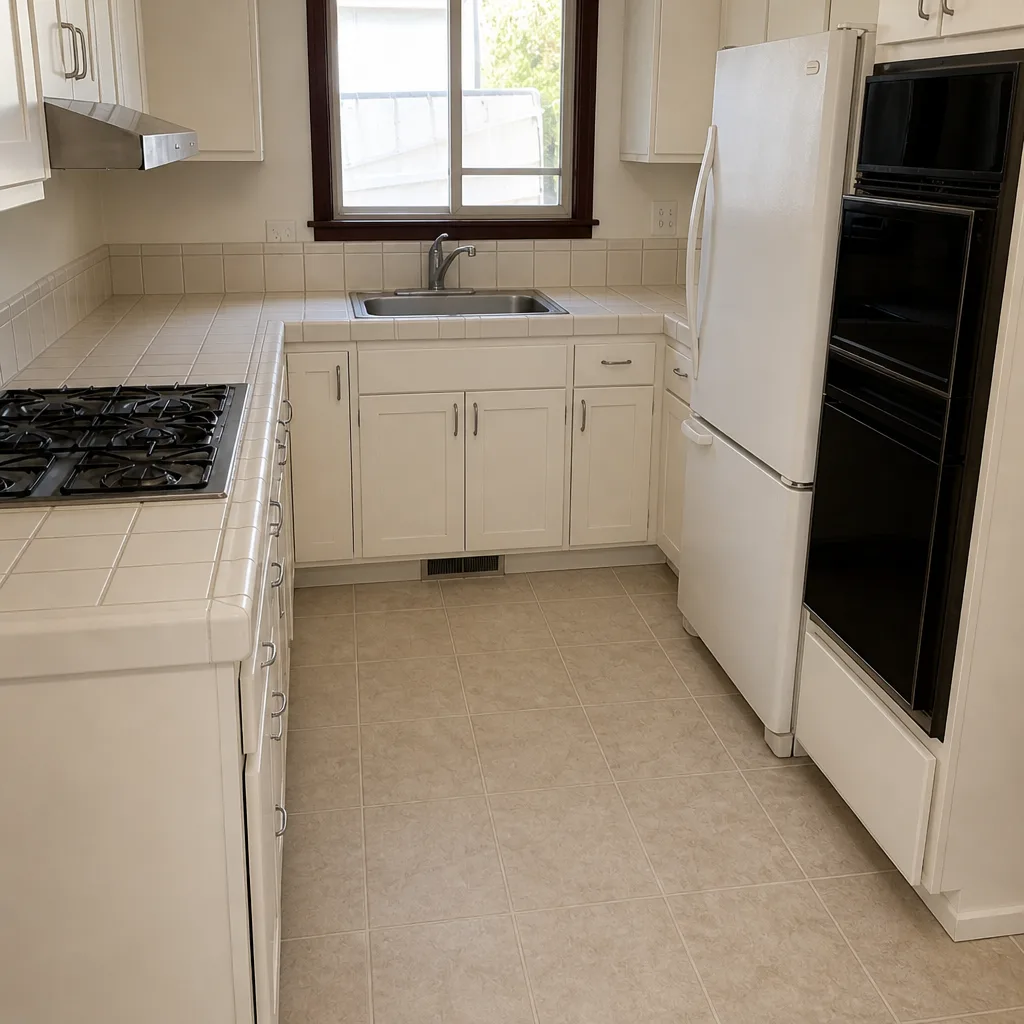
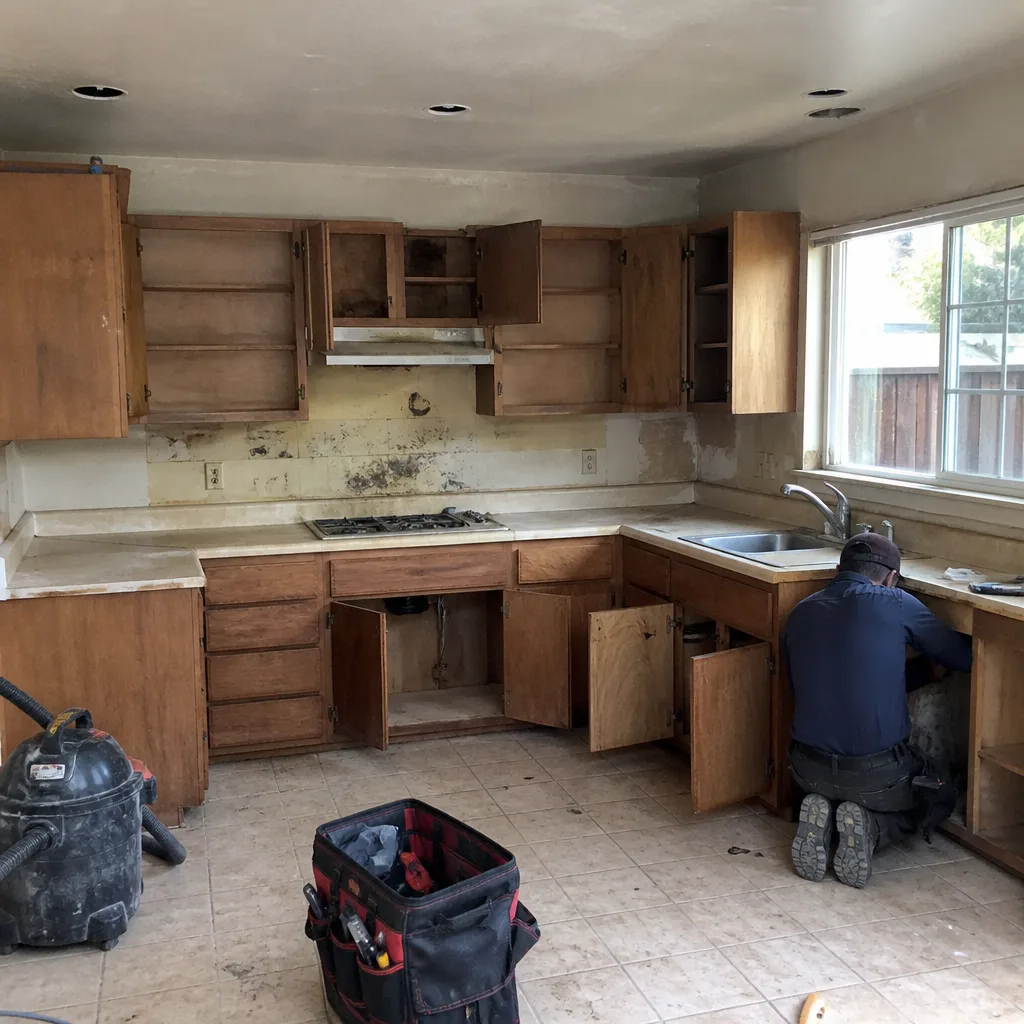
See the difference
 Before
 After
 Before
 After
 Before
 After
When to Call a Professional
Some of this checklist is fine to do yourself: filter changes, visual walks, moving sprinkler heads, keeping landscaping clear of the walls. The line is drawn at anything structural or dangerous. Call a licensed contractor or structural specialist when you see a stucco crack wider than 1/16 inch that keeps reopening, when a door frame shifts or a floor feels soft, when you find staining or rot in the crawlspace, or when your home inspector has flagged missing cripple-wall bracing or anchor bolts. We also recommend a written professional inspection every two to three years regardless of what you find, because the documentation itself has value. Penhallow Remodeling Santa Clara offers free estimates in Santa Clara – call (833) 400-6838 to schedule one, and a live person answers at any hour.
Frequently Asked Questions

Twice a year: once in early fall before the rains, and once in late winter after the heaviest wet weather. The fall walk catches cracks before water gets in, and the late-winter walk catches what got through. Call (833) 400-6838 if you’d like a professional written inspection in Santa Clara instead of doing the visual walk yourself.
Unreinforced cripple walls combined with slow soil settlement are the two biggest risks. The cripple walls are what support the floor above the crawlspace, and in older Santa Clara tract homes they’re often unbraced and unbolted. The settlement typically comes from irrigation placed too close to the foundation. Both are worth a documented professional inspection. Call (833) 400-6838 for an estimate.
Small cosmetic cracks, yes. Cracks wider than about 1/16 inch, or cracks that keep reopening after you seal them, are a sign the movement is ongoing and should be inspected. Caulking over a moving crack just postpones the problem. Call (833) 400-6838 for a free estimate if you’re not sure which category your crack is in.
Sticking doors in spring often mean the foundation is moving with the seasonal moisture change, and that the soil around the foundation is getting uneven water. It’s worth having the foundation looked at before the issue gets more expensive. A written report from a licensed contractor in Santa Clara gives you something concrete to act on. Call (833) 400-6838.
A MERV 11 or MERV 13 filter is a reasonable target for smoke, but check with a technician first if your system is older, since too high a rating can restrict airflow. Change it monthly during smoke season. If your ducts are leaky, the filter won’t help much until the leaks are sealed. Call (833) 400-6838 for a free estimate on duct and envelope repairs.
Yes. A written report gives you a dated record of condition and maintenance that helps with insurance claims and planning, and it saves you from re-inspecting the same issues every year. A verbal walkthrough doesn’t do either. Call (833) 400-6838 and we’ll schedule a free estimate for a written inspection in Santa Clara.
The Bottom Line
The maintenance checklist that works in Santa Clara is a short list done consistently: a fall envelope walk before the rains, a late-winter re-check, irrigation kept away from the foundation, an HVAC filter change before smoke season, and a written professional inspection every two to three years. That combination addresses the real risks on Santa Clara’s older housing stock – cripple walls, settlement, and stucco that lets water into the walls – far better than any generic list. If you’d like a written inspection that documents what’s actually going on with your house, we’re glad to help.
Penhallow Remodeling Santa Clara is a general contractor working with homeowners on kitchen remodeling, bathroom remodeling, and whole-home remodels. Every project starts with a written price before any work begins, backed by the 365-Day Done Right Promise. Our technicians have up to 22 years of experience, they’re background-checked and arrive in uniform, and a live person answers the phone at any hour.
Call (833) 400-6838 to schedule your free estimate in Santa Clara. Learn more on the Penhallow Remodeling Santa Clara home page.
Written by the team at Penhallow Remodeling Santa Clara.